



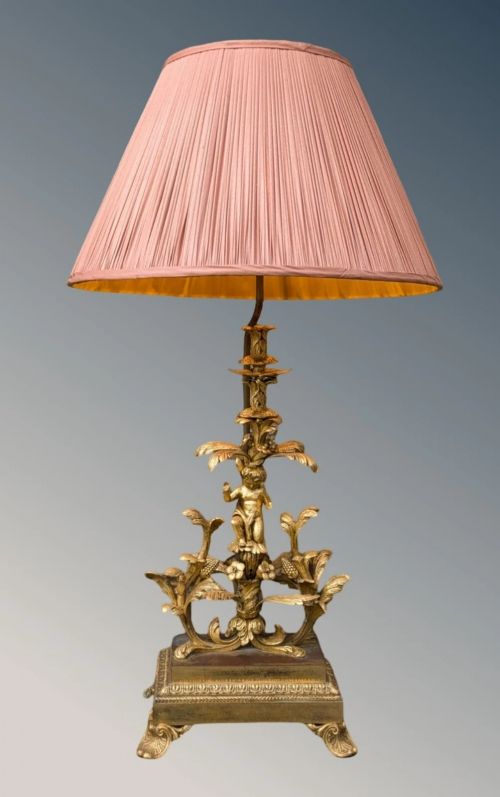
French Gilt Accent Table
A french gilt accent table brings gilded elegance and continental warmth to a room through refined metal mounts and polished timber.

French Gilt Accent Table
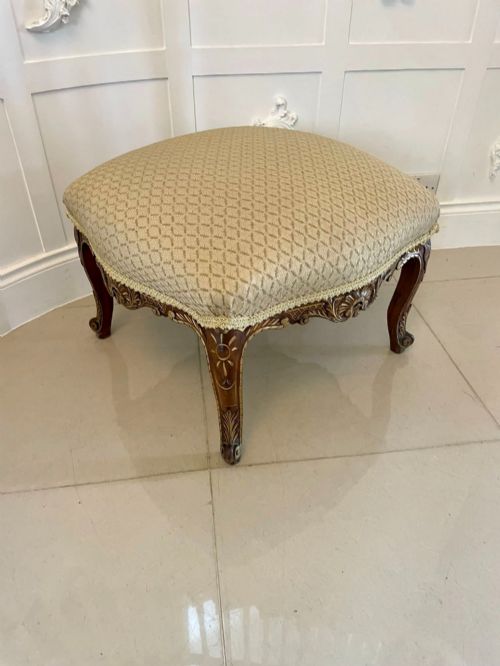
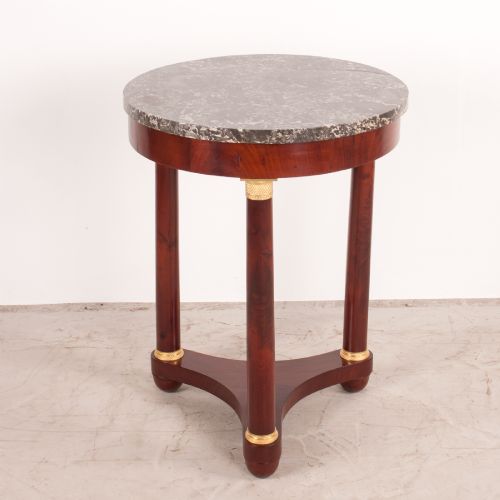
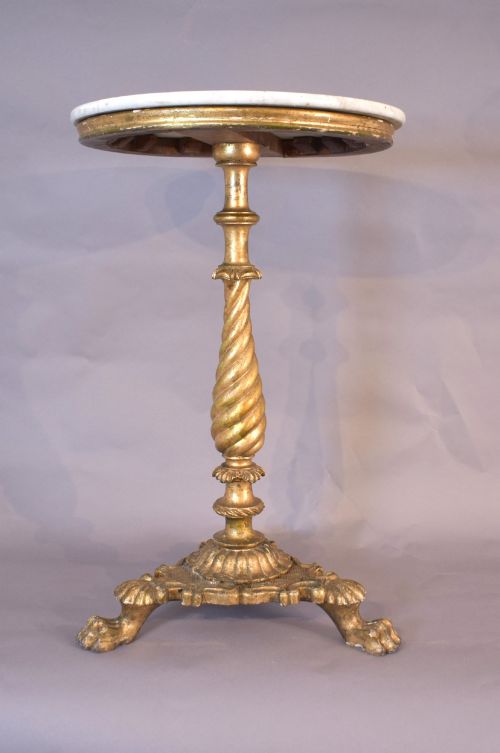
A french gilt accent table is typically a side, occasional, or centre table designed to catch the light and anchor a seating area. These pieces draw on historical vocabularies including Louis XVI style, French Rococo Revival, and French Empire.
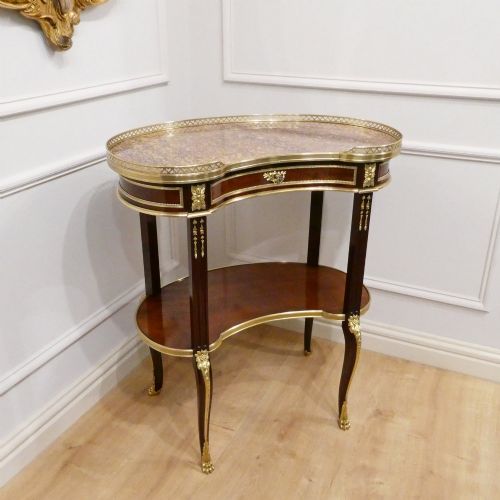
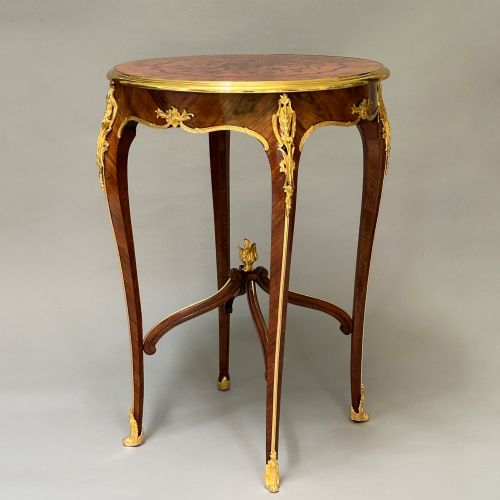
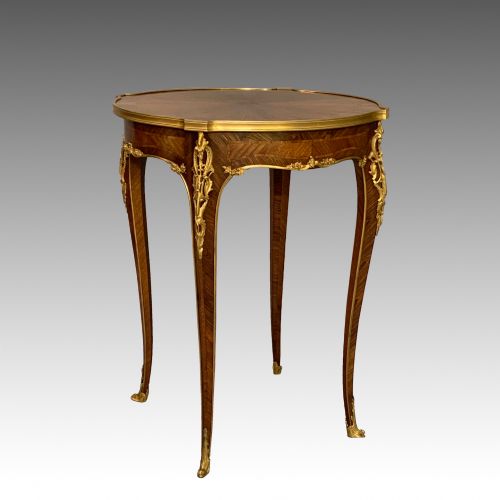
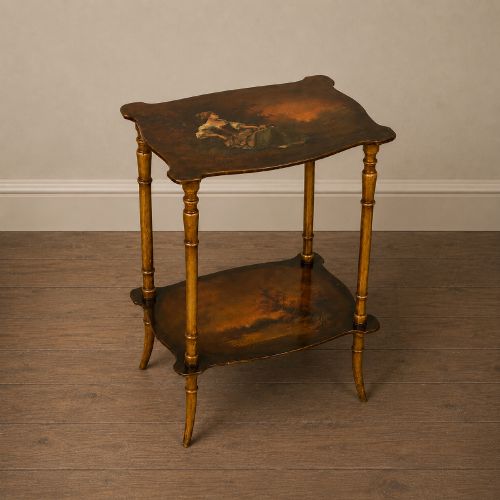
The selections span the nineteenth century through the early twentieth century, showing forms such as marble-topped bouillotte tables, guéridons, and two-tier étagères. Makers and workshops of the period utilised rich marquetry, parquetry, and mounts to create these decorative furnishings.
Materials and Construction
Cabinetmakers built the foundational carcasses from timbers such as mahogany, walnut, and kingwood, frequently applying detailed marquetry or parquetry patterns. Surfaces often received inset panels of white or coloured marble.
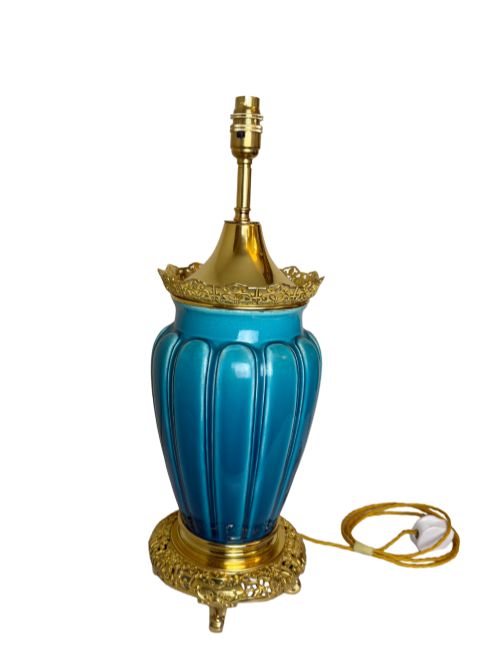
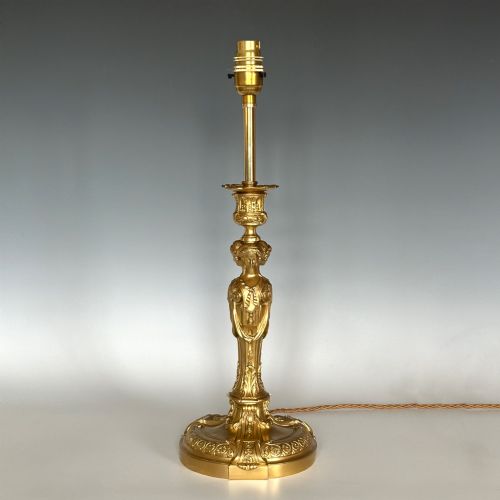
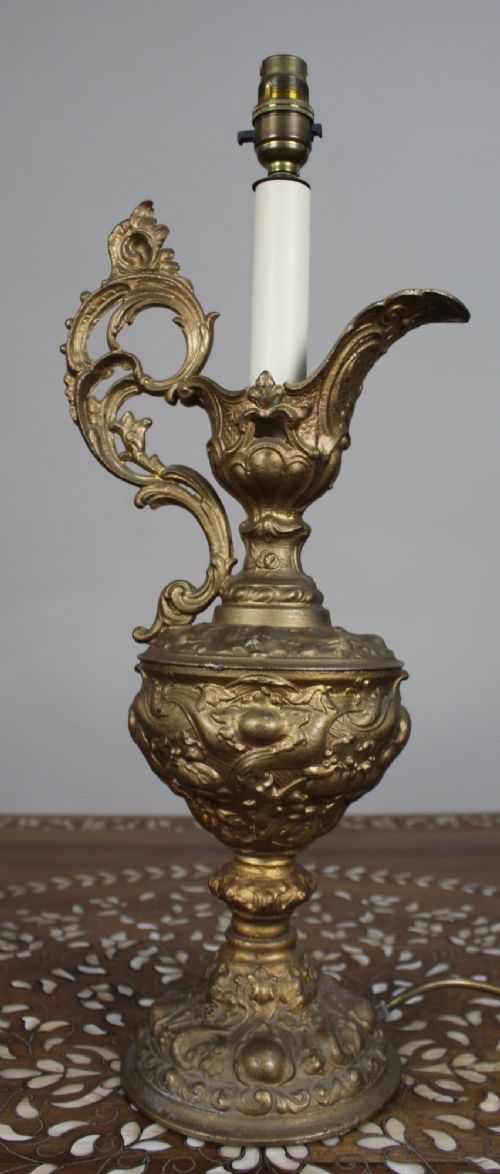
Gilt bronze, ormolu, and gilded brass mounts were cast, chased, and secured to corners, legs, and aprons. Giltwood frames and supports demonstrate carved detailing executed by skilled hands.
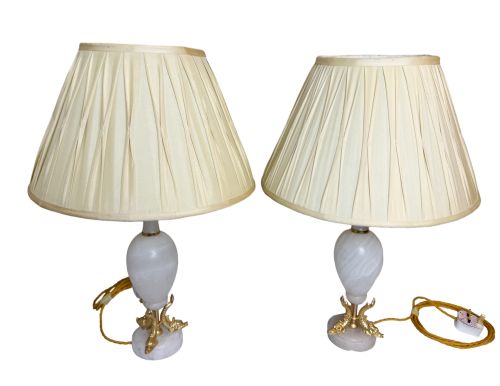
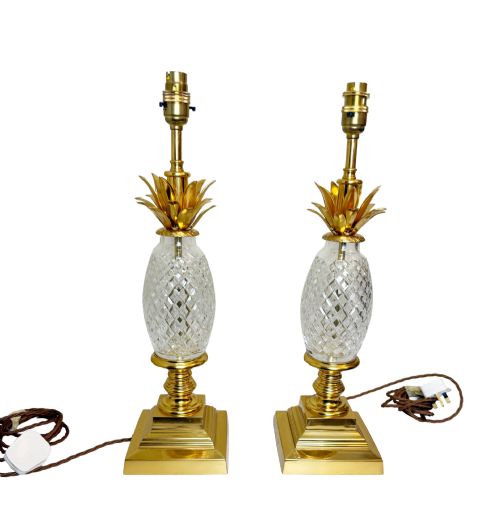
Several tables feature pineapple lamps and rams' heads, proving that nineteenth-century designers thoroughly enjoyed exotic botanical and animal motifs.
Evaluating Craftsmanship
The refinement of the cast bronze or ormolu mounts distinguishes standard production from exceptional examples, with finer pieces exhibiting sharp chasing and deep mercurial gilding. The complexity of the timber veneers, such as elaborate floral marquetry, also signals higher workshop standards.
Structural integrity relies on the precision of the joinery in supporting heavy marble tops and delicate legs. Superior pieces retain their original mercury gilding and balanced proportions without clumsy alterations.
Maison Millet·Joseph-Emmanuel Zwiener·François Linke
The French Gilt Accent Table Glossary
- Ormolu
- Gilt bronze mounted on furniture or used for decorative lighting. This technique involves applying a gold amalgam to bronze before heating.
- Guéridon
- A small circular table supported by a central column or tripod base. These practical pieces served various functions in nineteenth-century salons.
- Bouillotte table
- A small occasional table featuring a raised gallery edge around a marble top. They were originally designed for the card game of the same name.
- Vernis Martin
- A type of simulated Japanese lacquer developed by the Martin brothers in eighteenth-century France. It reappears on decorative panels and occasional tables in later revival pieces.
French Gilt Accent Table: Frequently Asked Questions
How do I style a french gilt accent table?
These tables work well beside a sofa or as a standalone display surface for lamps and decorative objects. Their reflective metal mounts help brighten darker corners of a room.
Keep surrounding furniture complementary in tone to let the gilded details stand out without overwhelming the space.
What is the difference between ormolu and gilt bronze?
Ormolu specifically refers to ground gold applied to a bronze base using a mercury amalgamation process, popular in French decorative arts. Gilt bronze is a broader term that can include various methods of applying gold colour to a bronze substrate.
Both finishes provide a durable metallic sheen that defines high-end nineteenth-century furniture.
How do I care for marble tabletops?
Marble surfaces require prompt wiping of liquid spills to prevent staining, particularly on older, porous stone. Use soft cloths and avoid acidic cleaning agents that can etch the polished surface.
Applying a specialist stone wax helps protect the finish from everyday wear.
Are these tables sturdy enough for daily use?
Most occasional and side tables are built to hold lamps, books, and decorative items rather than heavy loads. Checking the joints beneath the marble top ensures the frame remains stable.
Placing them away from heavy foot traffic preserves their delicate legs and gilt mounts.