
Victorian Tray Stand
When you search for a victorian tray stand, you are looking at practical furniture designed for serving, display or hall organisation.
Victorian Tray Stand
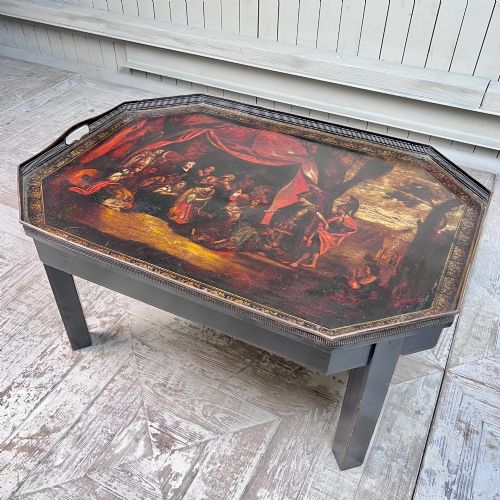
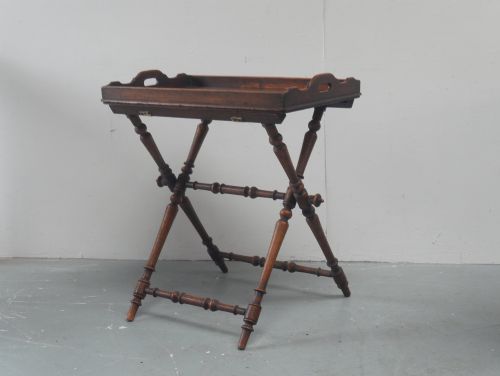
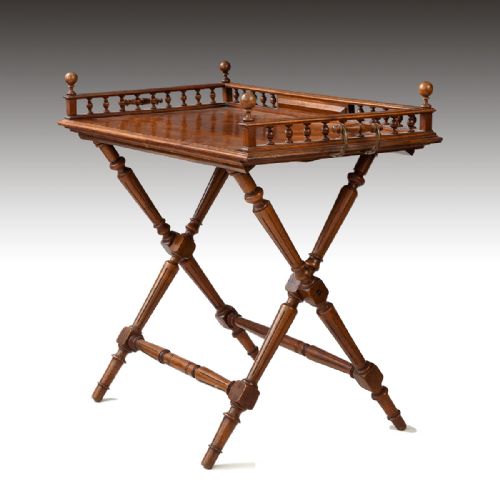
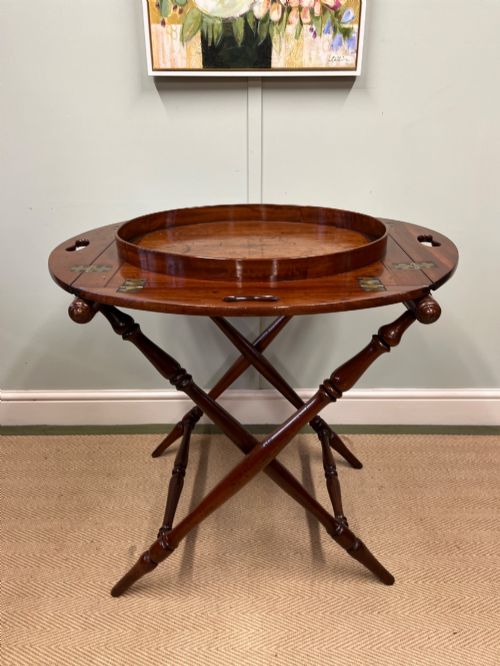
A victorian tray stand typically combines a removable wooden or papier-mâché tray with a folding or fixed wooden base. These versatile furnishings served households as serving tables, drinks rests or coffee tables in various domestic settings.
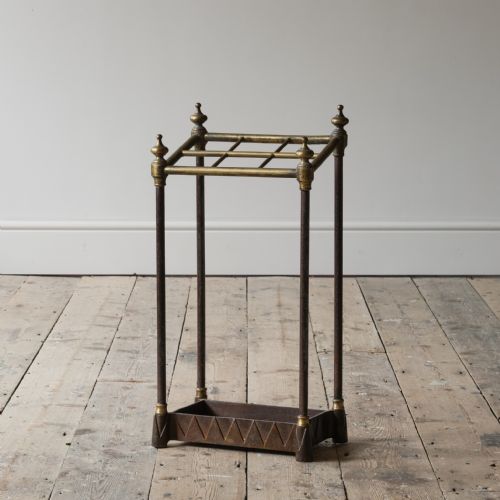
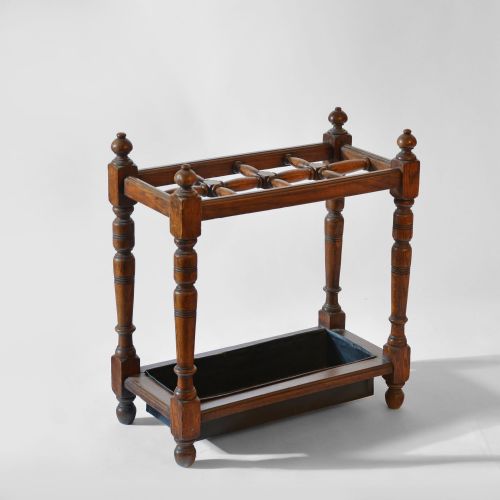
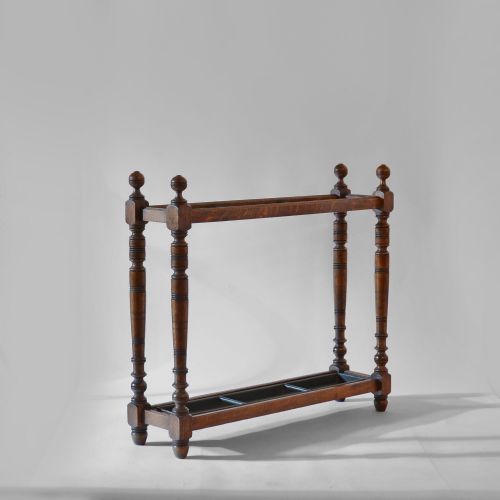
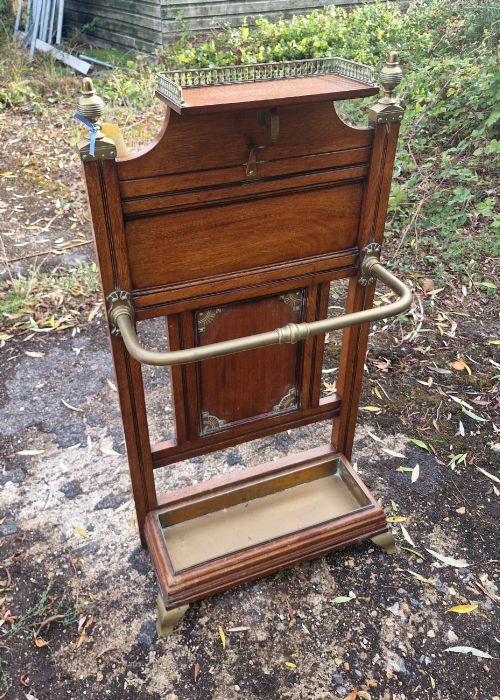
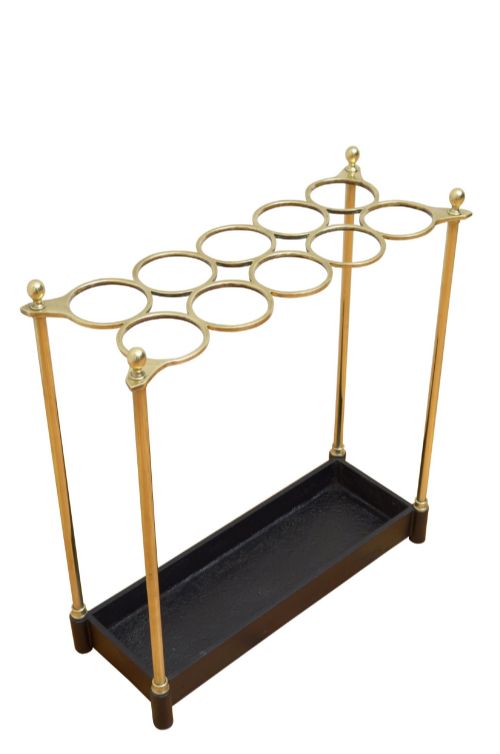
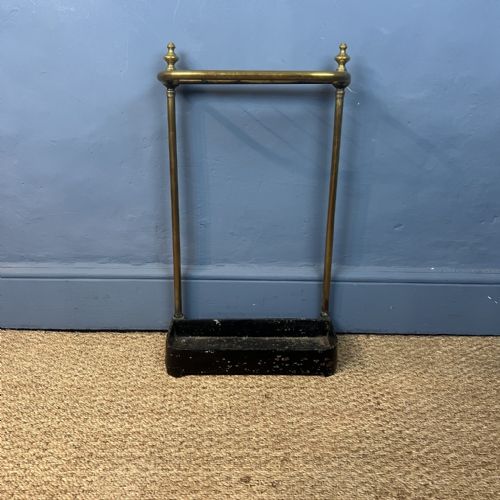
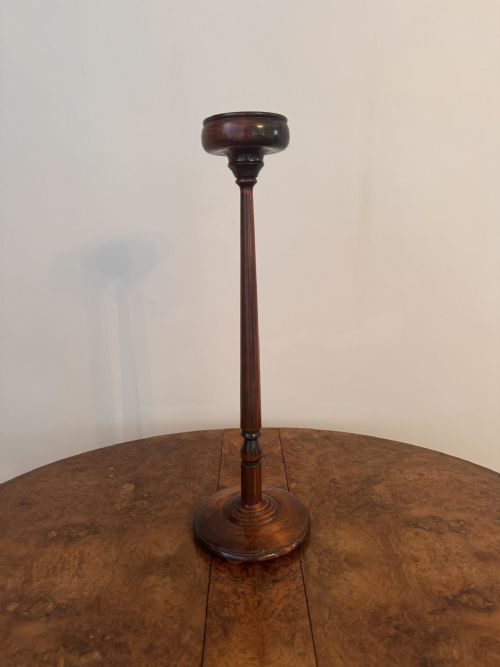
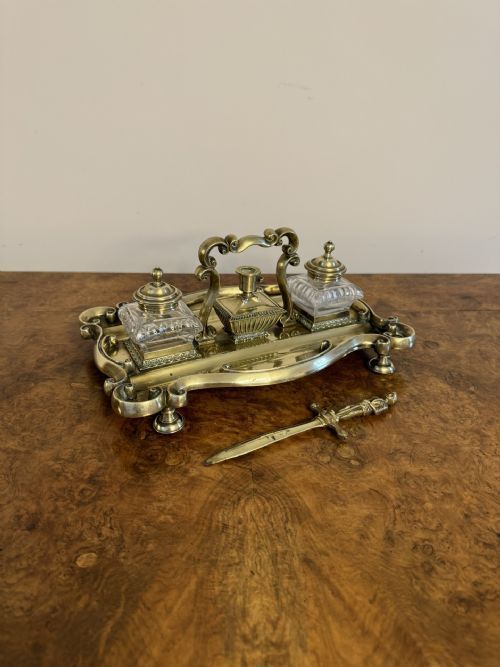
The category also encompasses hall furniture such as umbrella and stick stands, alongside desk accessories designed for the study. Most surviving examples date from the nineteenth century through to the Edwardian period.
Makers utilised timber like mahogany, oak, walnut and pine, alongside papier-mâché decorated with lacquer or boulle work. Folding stands allowed servants to pack away serving trays after meals in country houses.
How they were made
Craftsmen shaped native and imported timbers, employing mahogany and oak for durable butlers trays alongside walnut for finer occasional tables. Folding bases required tight joints and hinges to support heavy silver or ceramic serving items safely.
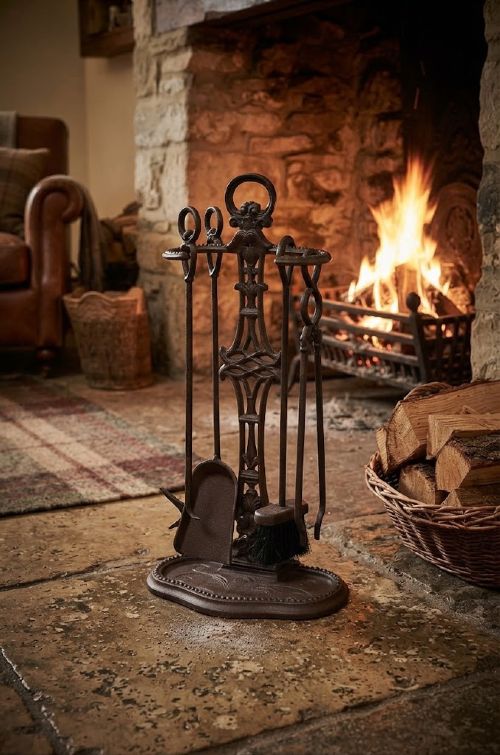
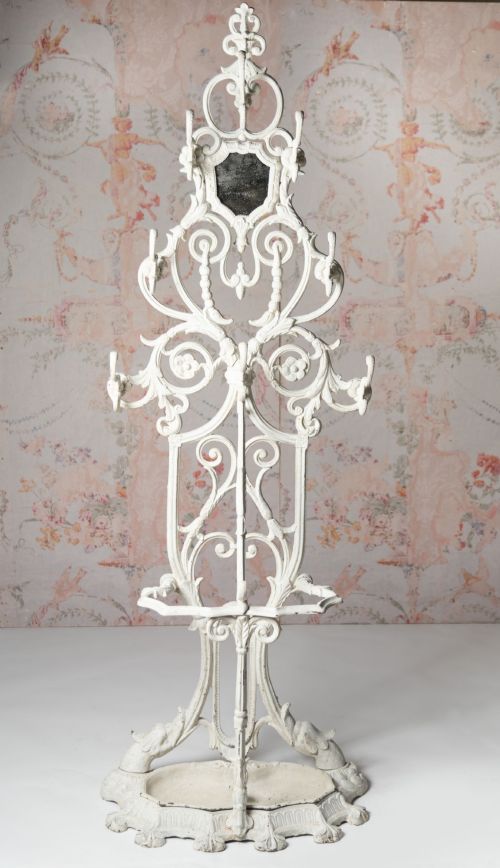
Papier-mâché trays involved layering paper pulp with binders, pressed and dried before receiving layers of black lacquer, painted scenes or mother-of-pearl inlay. Metal stands utilised cast iron and brass, sometimes combining heavy ball finials or wire work.
The archive reveals papier-mâché pieces frequently paired with later bamboo-turned stands, reflecting evolving Victorian interior tastes.
What varies in quality
Quality rests upon the crispness of timber carving, the structural integrity of folding frames and the preservation of original painted or inlaid decoration on papier-mâché surfaces. Examples retaining their matching original stands command greater interest than those paired with later replacements.
The choice of materials dictates distinction, with finely figured rosewood or detailed boulle work sitting above plain pine or utilitarian utility pieces. Original finishes, patination and maker attribution elevate individual items within the historical range.
Coalbrookdale·Thonet·Walker And Hall·Harrods·Elkington And Co·Jennens And Bettridge
The Victorian Tray Stand Glossary
- Butlers tray
- A shallow wooden tray with hinged sides or handles, designed for carrying beverages and food, which lifts off its support base. These items transitioned from dining service into functional low tables.
- Papier-mâché
- A composite material made from paper pulp or layered sheets mixed with glue, moulded and baked until hard before receiving lacquer. This technique created smooth surfaces suitable for intricate painting and inlay.
- Boulle work
- A decorative technique involving marquetry of tortoiseshell and brass, creating elaborate patterns across furniture surfaces. It appears on fine desk accessories and decorative trays.
- Demi lune
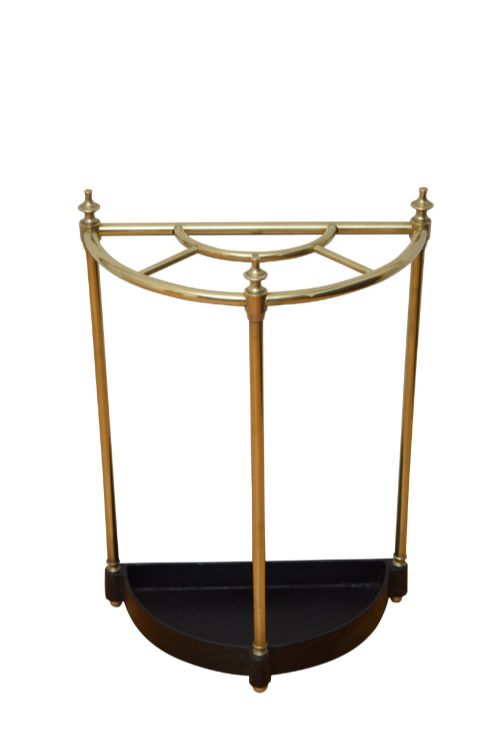
- A half-moon shape used for console furniture and umbrella stands designed to sit flat against a hallway wall. This configuration maximised floor space in narrow Victorian corridors.
- Stick stand
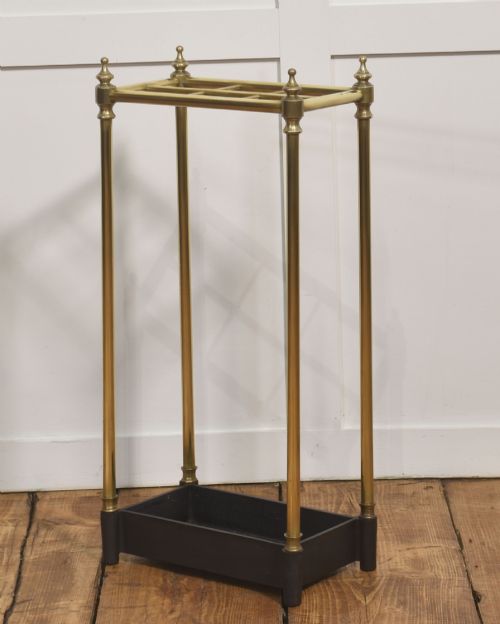
- A hall furnishing constructed from cast iron, brass or wood to hold umbrellas and walking canes. They frequently incorporate drip pans at the base to catch rainwater.
Victorian Tray Stand: Frequently Asked Questions
What was a victorian tray stand used for?
Households utilised these pieces primarily for serving afternoon tea, wine or meals in drawing rooms before servants cleared the items away. The folding design allowed the tray and base to be stored compactly when not in active use.
Over time, many trays and folding bases remained assembled permanently, evolving into low coffee tables or display surfaces within Victorian and Edwardian domestic interiors.
How do I identify a papier mache tray stand?
Papier-mâché stands feature a dark, smooth lacquer surface, frequently decorated with hand-painted scenes, gilt ornamentation or inlaid mother-of-pearl details. The material feels surprisingly light yet rigid, possessing a distinct warmth compared to metal or plain wood.
These pieces often sit upon folding or bamboo-turned wooden stands, representing the decorative tastes of the mid-nineteenth century aesthetic.
Are folding tray stands original to the trays?
Many surviving trays were paired with stands over subsequent decades, though numerous examples retain their original folding wooden supports. Examining the wear patterns on the underside of the tray and the corresponding contact points on the stand helps determine their association.
Original configurations show consistent patination and wood types that match the period of manufacture recorded across nineteenth-century examples.
How do I care for a wooden tray table?
Keep wooden and papier-mâché surfaces away from direct sunlight and excessive moisture to protect the original polish and delicate lacquer work. Regular dusting with a soft, dry cloth preserves the historical patination without stripping surface oils.
Avoid placing hot cups or wet glasses directly onto antique surfaces by utilising coasters or linen runners to prevent marking the finish.