

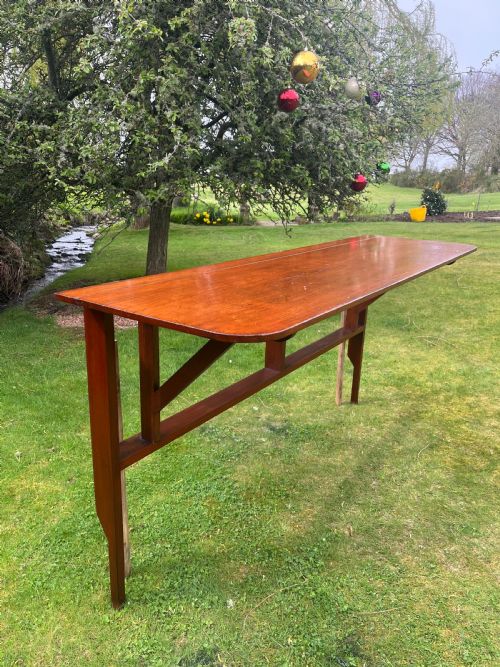


Vintage Butler Table
A vintage butler table offers portable service with folding stands and removable trays, suiting practical modern rooms.
Vintage Butler Table
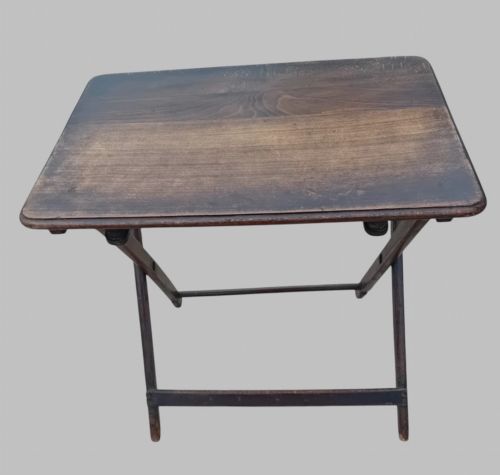
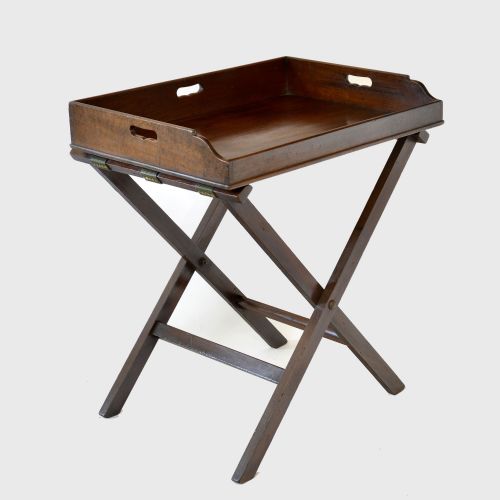
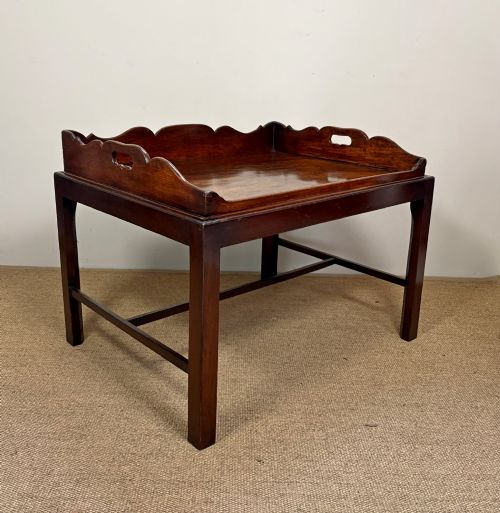
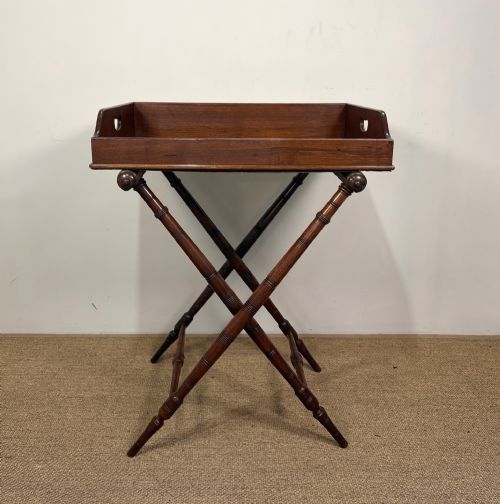
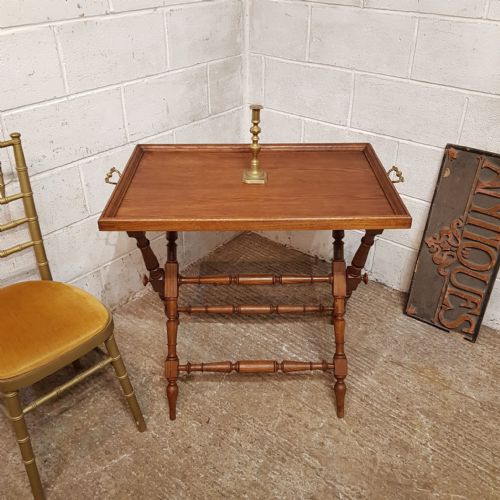
A vintage butler table comprises a removable tray resting upon a folding or fixed stand, designed originally for domestic service in great houses. When you search for a vintage butler table, you find pieces intended to function both as portable serving equipment and as occasional tables.
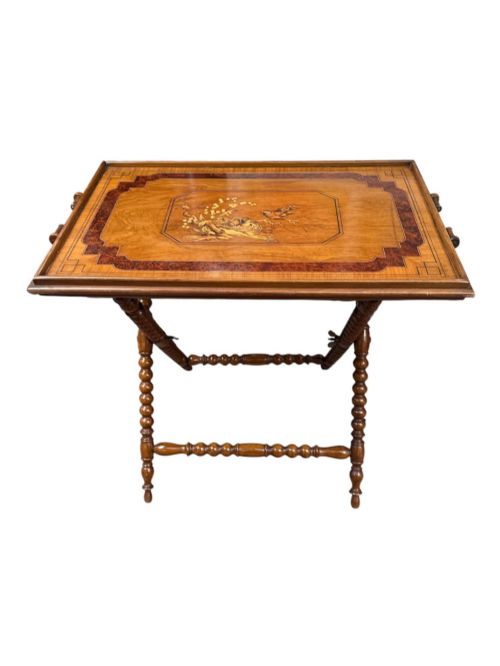
The versions most common on this page date from the nineteenth century and the early twentieth century, constructed in mahogany, oak, and walnut. These pieces frequently appear in forms such as tray tables, coffee tables, and folding stands in campaign or Georgian styles.
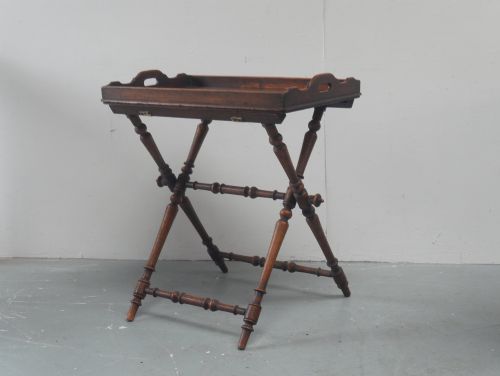
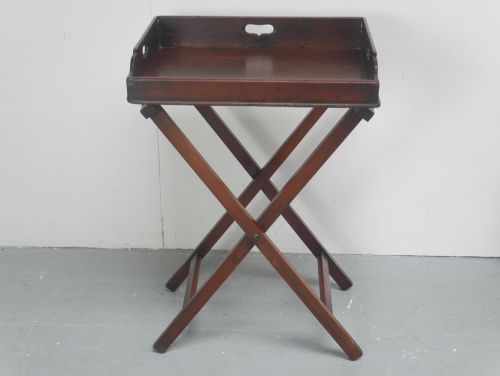
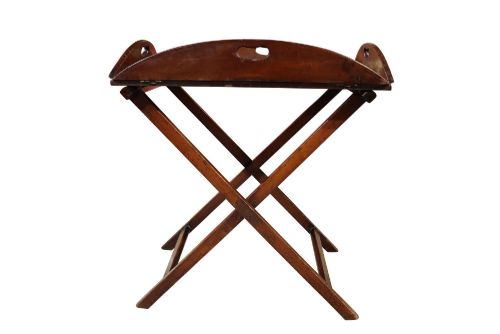
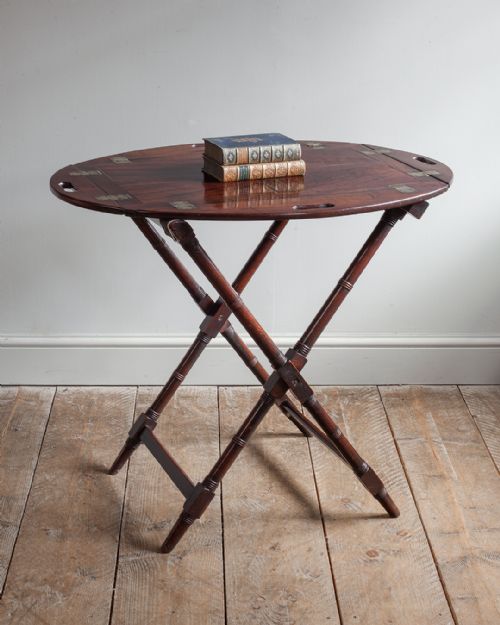
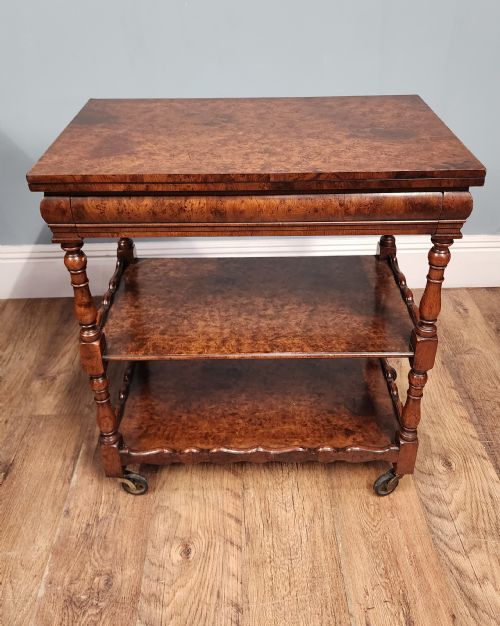
Makers and craftsmen produced these tables in various configurations, including tray tops with gallery edges, folding X-frame bases, and lower shelves. Their adaptability makes them suitable for contemporary living spaces as side tables or coffee tables.
How they were made
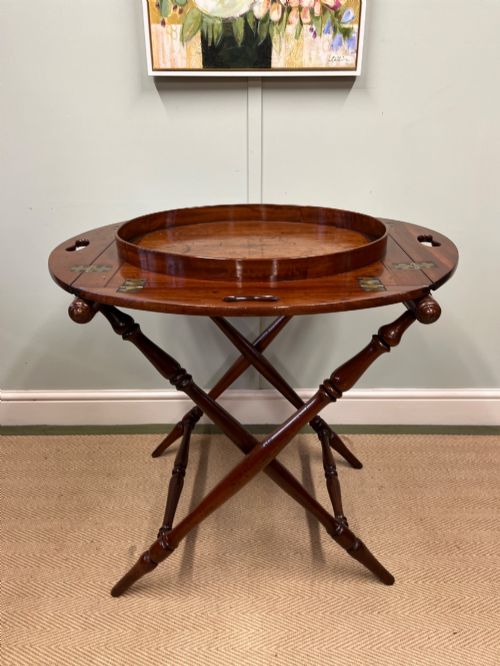
Cabinet makers utilised dense hardwoods such as mahogany and oak, joining timber with traditional methods to endure frequent movement and folding. Brass hinges, handles, and corner brackets reinforce the folding stands and trays, reflecting campaign furniture standards.
Surface decoration ranges from plain polished wood to intricate marquetry and Sorrento ware inlay. Some examples feature hand-carving or painted finishes, particularly on pieces originating from the Edwardian period and the later revival styles.
Some trays travelled from Swedish castles to English country houses, proving furniture gets about.
What varies in quality
Quality rests upon the selection of timber figures and the crispness of the cabinet work, particularly around the folding hinges and tray joints. Superior examples retain their original matching stands and display well-figured mahogany or oak grain without excessive restoration.
Simpler workshop pieces utilise beech or plain oak with minimal brass hardware, intended strictly for utilitarian service rather than reception rooms. The presence of hand-cut dovetails, original patination, and substantial brass mounts elevates the standing of a piece.
Orivit
The Vintage Butler Table Glossary
- Butler's Tray
- A shallow wooden tray with hinged or fixed sides, designed to lift off its support stand. It served to carry china and silver before resting on a folding frame.
- Campaign Style
- Furniture designed for military officers to pack flat for travel. It typically incorporates brass corners, recessed handles, and folding X-frames.
- Sorrento Ware
- Decorative woodwork involving micro-mosaics and marquetry inlay, originating from Italy. Pieces display intricate pictorial or geometric patterns on the wood surface.
- Gallery
- A raised wooden or metal rim around the edge of a tray or table top. It prevents items from sliding off during transport.
- Whatnot
- An open set of multi-tiered shelves used for displaying books or ornaments. These pieces often incorporate tray tops or serving surfaces.
Vintage Butler Table: Frequently Asked Questions
How were butler tables used originally?
Servants used these trays to carry food and drink from the kitchens to the dining rooms or parlours. Once in the room, the tray was placed upon a folding stand to serve guests.
After use, the tray returned to the pantry and the stand folded flat to save storage space in busy households.
Can I use a vintage butler table as a coffee table?
The proportions and height of these tables make them well suited for use beside a sofa or as a central coffee table. The removable tray offers practical utility for holding drinks and books.
Ensure the folding stand locks securely into position if the table receives heavy daily use in a family room.
How do I distinguish an 18th-century tray from a Victorian copy?
Eighteenth-century examples generally feature solid mahogany construction with hand-cut dovetailing on the tray frames and subtle patination. Stands from this era often show distinct hand-tool marks and older timber shrinkage.
Victorian and later revival pieces frequently employ machine-sawn elements, standardised brass hardware, and different joint construction visible underneath the tray base.