


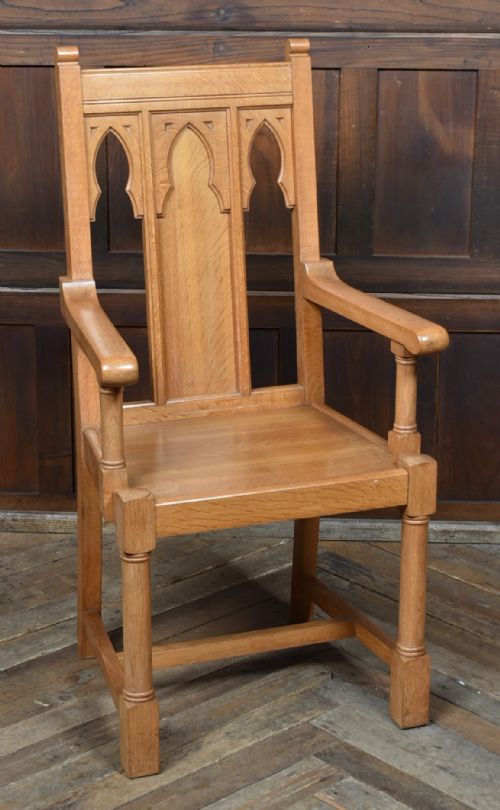

Victorian Throne Chair
When you search for a victorian throne chair, you are stepping into a world of imposing high backs, heavy carved timber, and deliberate architectural authority.
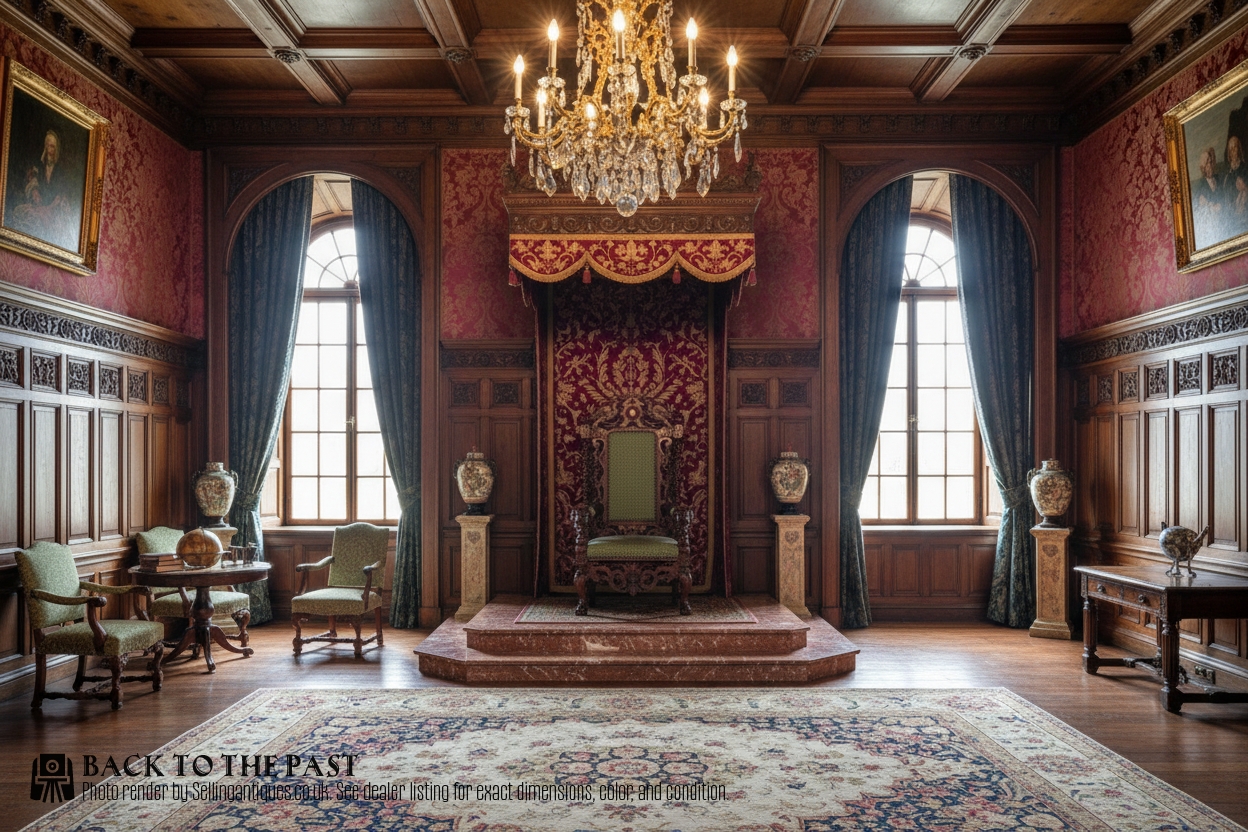
Victorian Throne Chair
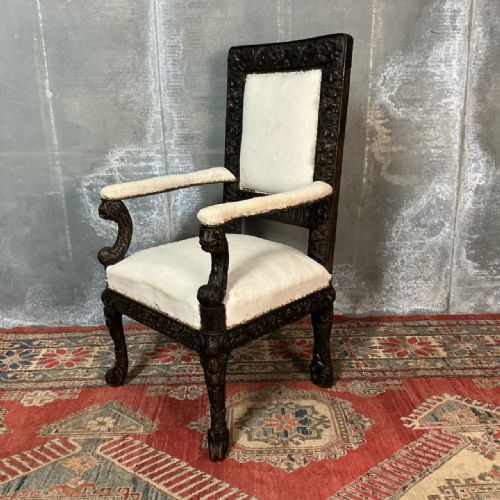
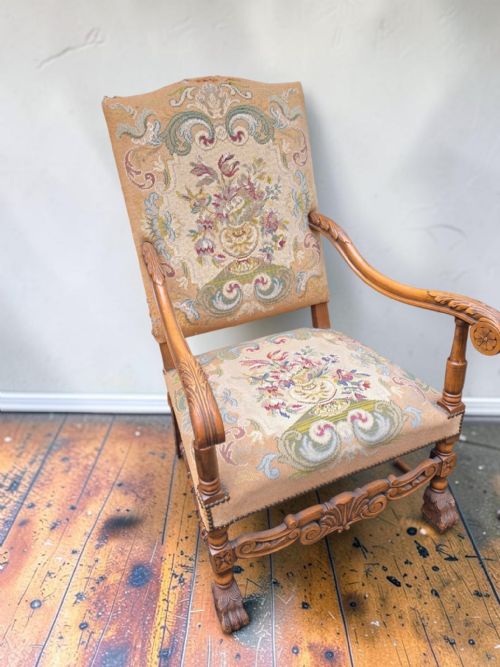
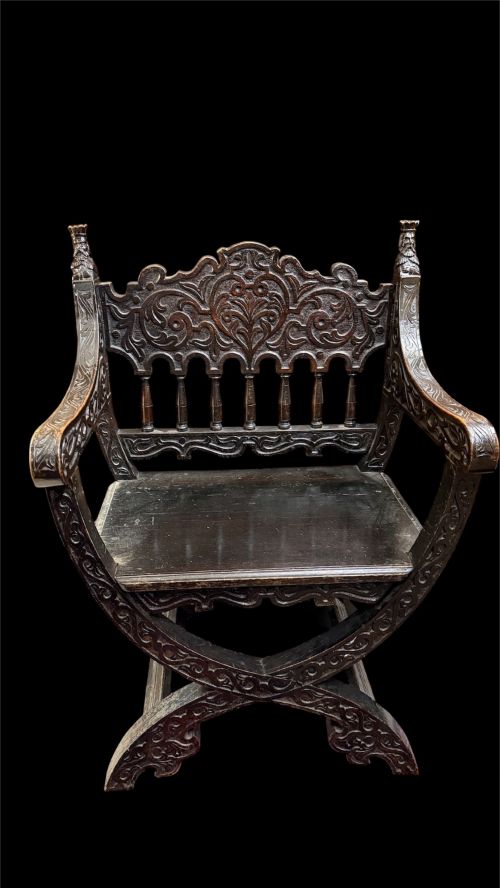
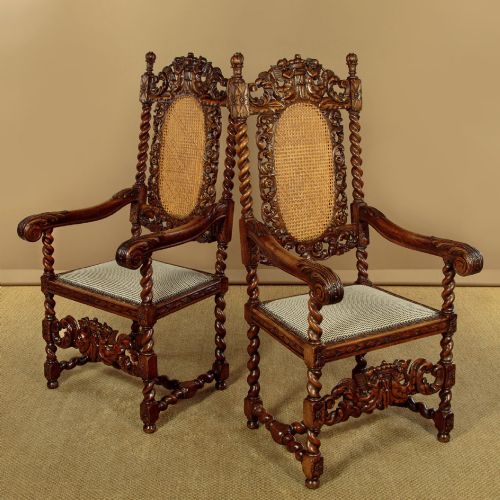
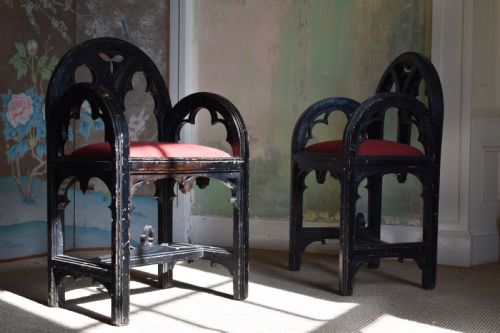
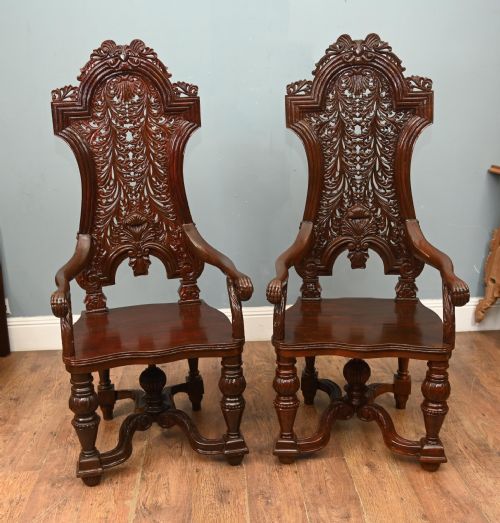
A victorian throne chair is an imposing seating form designed to dominate a room through height, architectural detail, and substantial presence. These pieces draw heavily on earlier periods, taking inspiration from medieval, Gothic, and Jacobean prototypes.
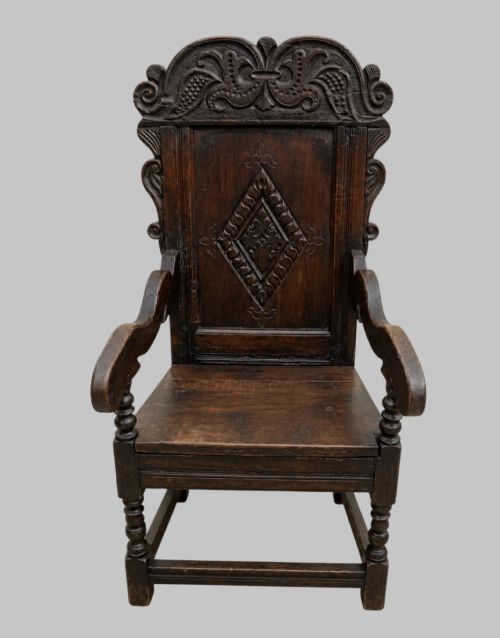
The form encompasses ceremonial seating, chapel chairs, and hall seats that command attention in an interior. Whether rendered as a tall wainscot chair or a Gothic revival armchair, each piece serves as a focal point rather than casual seating.
Materials and Construction
Makers relied primarily on dense hardwoods such as oak and walnut, chosen for their structural strength and capacity to hold deep, crisp carving. Pine and pitch pine also appear in ecclesiastical contexts.
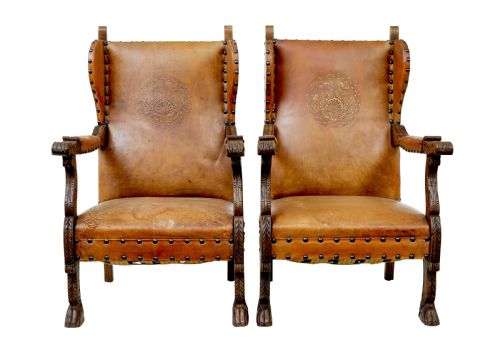
Joinery involved traditional mortise and tenon frames, reinforced to support the immense vertical weight of tall backboards. Upholstered variants integrated brass studwork to secure heavy leather, velvet, or tapestry directly to the wooden framework.
Victorian Throne Chair Retail Price Guide 2026
Typical asking prices for victorian throne chair among the pieces listed under this phrase on Sellingantiques today, from the lower quarter to the upper quarter. They describe what is for sale here now, not the wider market.
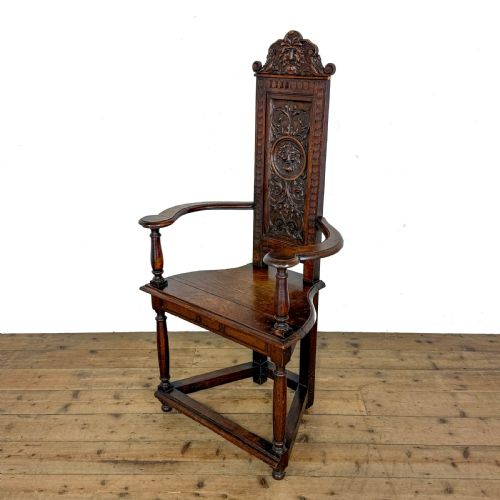
Listings demonstrate a strong preference for oak and walnut, frequently incorporating carved motifs like the Green Man alongside leather and tapestry upholstery.
Distinctions in Quality
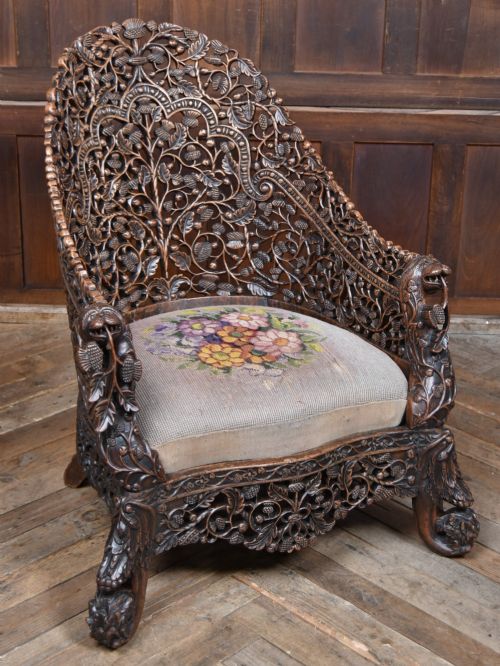
Quality rests heavily on the depth and definition of the carving, where master carvers produced crisp foliage, heraldic motifs, and distinct figural elements such as Green Man masks. Lesser examples display shallow, mechanical stamping or simplified surface decoration.
The structural ambition of the timber frame dictates the tier of the piece, with monumental heights and thick stock differentiating bespoke commissions from standard production models.
The Victorian Throne Chair Glossary
- Wainscot chair
- An early form of wooden armchair with a panelled back and solid wooden seat, heavily revived during the nineteenth century. These pieces mimic sixteenth and seventeenth-century domestic furniture.
- Gothic Revival
- An architectural and decorative style that draws on medieval forms, featuring pointed arches, tracery, and trefoils. This aesthetic dominated much nineteenth-century ecclesiastical and domestic seating.
- Carver
- A traditional term for an armchair, often used to describe elbow seats designed to match a set of dining or hall chairs. They typically feature open arms supported by structural uprights.
- Fauteuil
- An open-framed upholstered armchair originating in France, though adopted into later nineteenth-century revival schemes. These incorporate exposed polished wood frames around padded armrests.
- Glastonbury chair
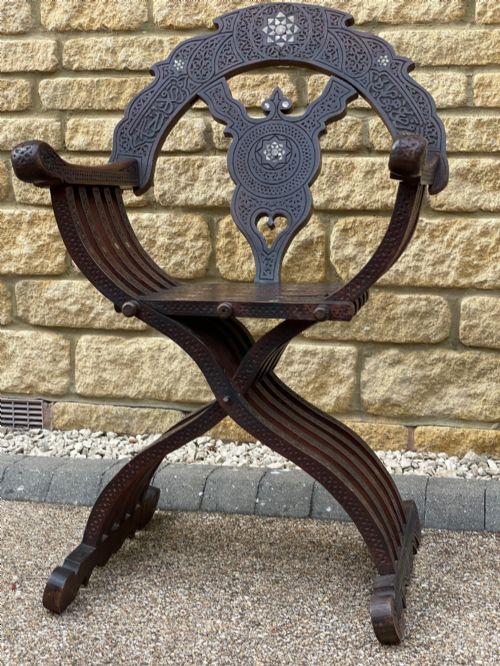
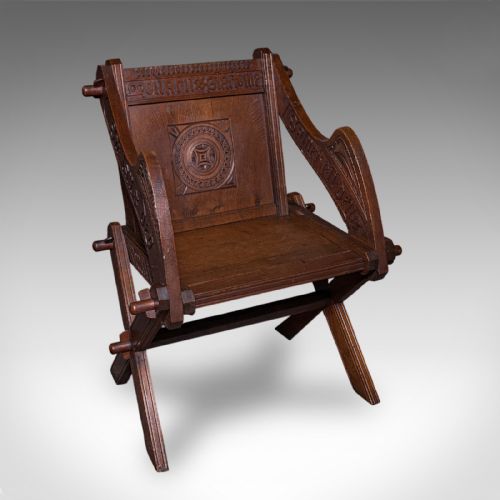
- A distinctive folding chair design with X-framed supports and an inscribed panelled back, popular in nineteenth-century interpretations of medieval church seating.
Victorian Throne Chair: Frequently Asked Questions
Where did people place these chairs?
These imposing seats were traditionally positioned at the head of a long dining table, in a grand hallway, or in a study to project authority. Their elevated backs and solid construction suited spaces designed to impress visitors.
In modern interiors, they function effectively as standalone accent pieces in large rooms, libraries, or entryways where their architectural silhouette can stand unobstructed.
How do I identify a Gothic Revival example?
Gothic Revival pieces display distinct architectural elements borrowed from medieval stone buildings, such as pointed arches, quatrefoils, and blind tracery carved directly into the timber. Makers often incorporated heavy linenfold panelling or ecclesiastical symbolism into the crest rails.
These chairs frequently utilise dark oak and exhibit a severe, monumental geometry that separates them from softer, curved revival styles.
Are these chairs comfortable for daily use?
Most variants are built for posture and presence rather than lounging, featuring rigid upright backs and solid wooden or firmly stuffed seats. Models upholstered in leather or buttoned velvet offer a softer sit, though the upright geometry remains fixed.
They serve well as reading seats or desk chairs when paired with an appropriate cushion, though their weight makes them difficult to reposition frequently.
How do I distinguish walnut from oak pieces?
Oak pieces generally exhibit a pronounced, coarse grain with visible medullary rays, taking a dark, traditional finish well. Walnut displays a smoother, finer grain pattern with richer tonal variations ranging from deep brown to golden honey.
Walnut was often selected for pieces requiring finer, more intricate carved relief, whereas oak suited robust, muscular frames.