


Victorian Tazza Bowl
A victorian tazza bowl brings classical display to a table, offering a raised footed platform designed to elevate fruit or decorative pieces.
Victorian Tazza Bowl
A victorian tazza bowl typically sits on a central pedestal or foot, serving as a decorative dish or centrepiece. The form borrows from classical architecture, presenting a shallow basin elevated above the table surface.
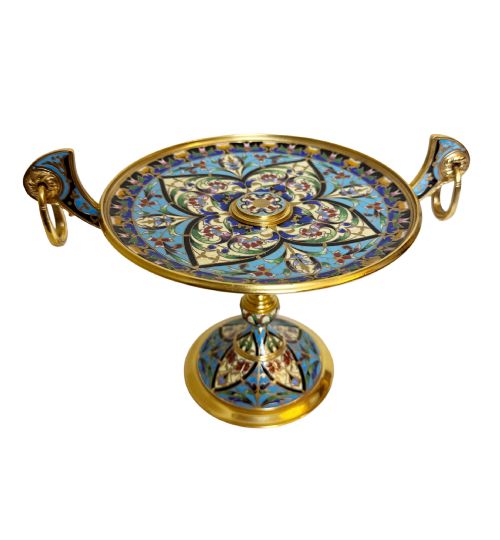
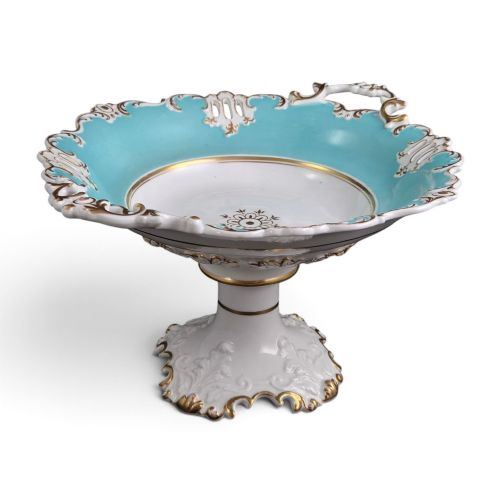
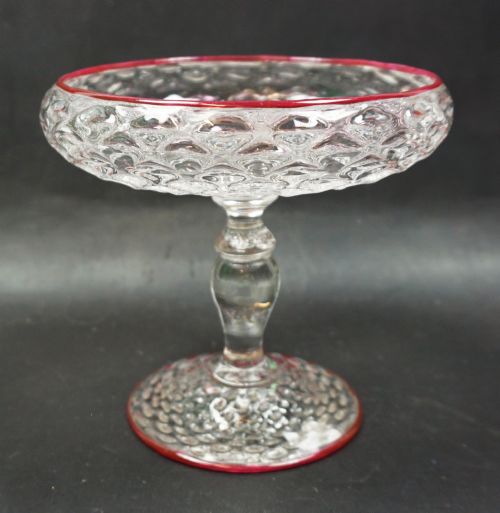
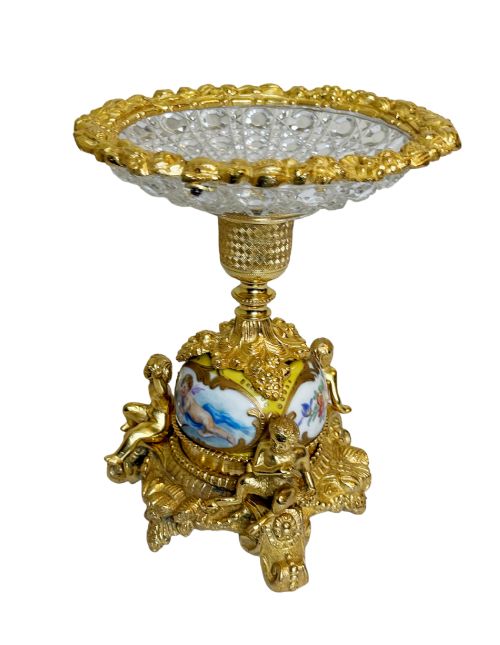
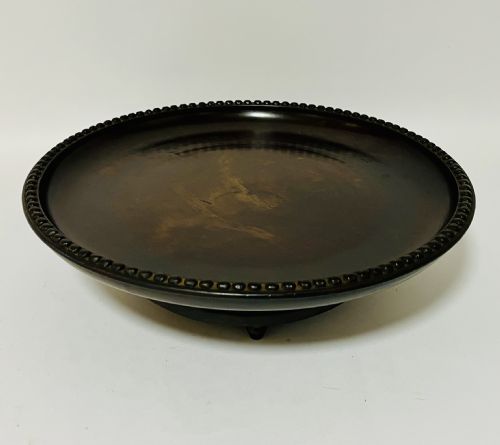
Examples on this page appear in various guises, including cut crystal glass, porcelain, marble, and gilt bronze. Makers utilised diverse materials to create pedestal bowls that functioned as ornamental centrepieces or comports.
The selection ranges from English glass and bone china to French porcelain with champlevé enamel mounts. One frequently encounters pieces showing neoclassical or rococo revival influences from the nineteenth century.
Materials and construction methods
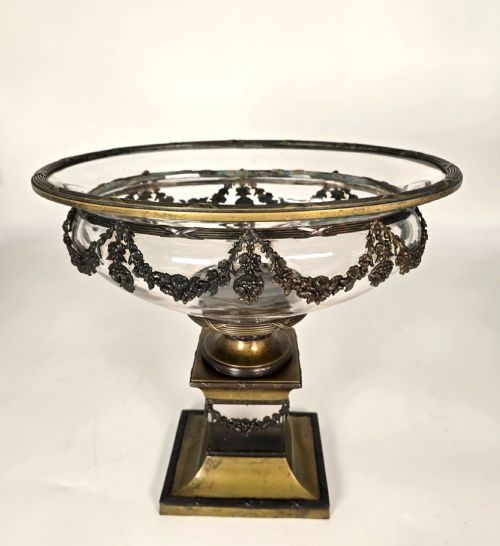
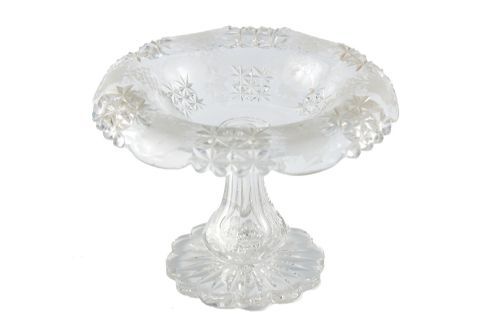
Glass pieces utilise mould-blown, etched, and cut crystal techniques, often paired with silver plate or gilt bronze mounts. Makers combined heavy glass bowls with pedestals to achieve structural balance.
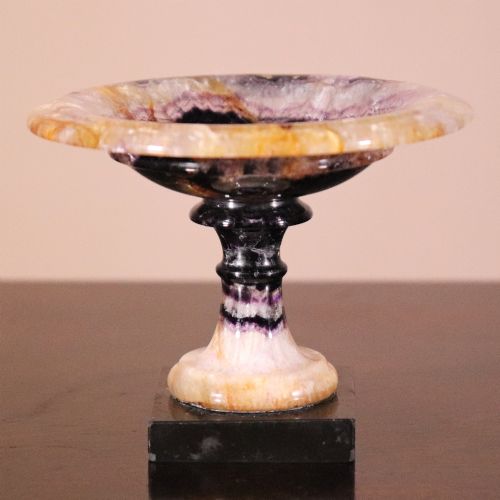
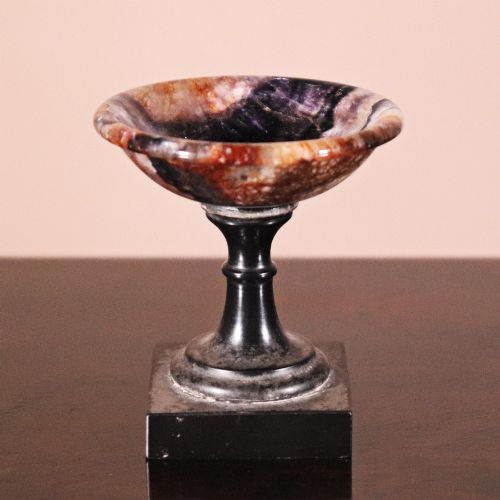
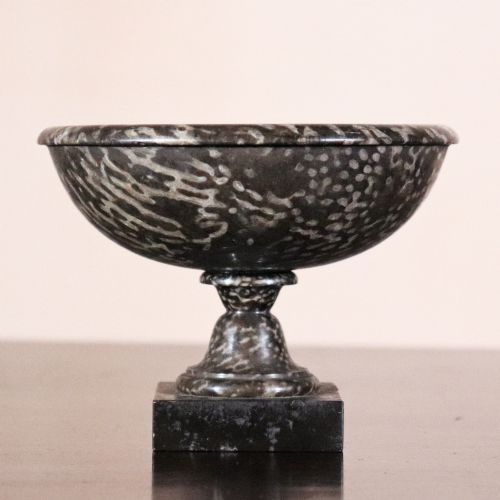
Metalwork pieces incorporate cast bronze, ormolu, and brass, frequently decorated with champlevé enamel or inset stone cabochons. Mineral specimens such as Blue John, malachite, and marble appear mounted on metal bases.
Ceramic examples combine bone china, majolica, and ironstone with hand-painted or gilt details. These ceramic comports rely on fired clay bodies shaped into pedestal dishes and finished with coloured glazes.
Listings feature materials spanning porcelain, gilt bronze, ormolu, brass, enamel, bronze, cut glass, and black marble across the nineteenth century.
Distinctions in quality and execution
The refinement of the casting and mounting separates standard production from superior work. Finely chased bronze mounts and crisp enamel detailing indicate higher workshop standards.
In glass and crystal, the depth of the cutting and the clarity of the metal determine the grade. Sharp wheel-engraving and heavy lead content distinguish better glass bowls from simpler moulded items.
Coalport·Sevres·Minton·Mason
The Victorian Tazza Bowl Glossary
- Tazza
- A shallow bowl or dish mounted on a stem and foot, used historically for display or serving. The form originates from ancient metal vessels.
- Comport
- A standing dish used for dessert or fruit at the dining table. It shares a similar elevated pedestal format with the tazza.
- Champlevé
- An enamelling technique where troughs are dug into a metal surface and filled with vitreous enamel before firing. This creates colourful decorative patterns across bronze and brass mounts.
- Ormolu
- Gilded bronze, where a layer of gold is applied to a bronze base using mercury amalgamation or electrochemical processes. The finish provides a bright metallic lustre on nineteenth-century decorative mounts.
Victorian Tazza Bowl: Frequently Asked Questions
What was a victorian tazza bowl used for?
These elevated vessels served primarily as centrepieces for dining tables and drawing rooms. They held fruit, sweetmeats, or flowers for formal occasions.
Beyond dining use, they functioned as decorative ornaments to display mineral specimens, fine glass, and painted porcelain. Their elevated form drew the eye upward in interior displays.
How do I style a victorian tazza bowl at home?
Place a glass or marble tazza on a dining table, sideboard, or mantelpiece where light can catch the material. They work well empty as sculptural objects or filled with seasonal fruit.
Pair contrasting materials, such as placing a dark marble or bronze tazza near lighter ceramics. Ensure the piece sits on a stable surface suited to its weight.
How do I tell glass tazzas from porcelain ones?
Glass and crystal tazzas rely on transparency, refraction, and surface cutting like etching or moulding. They transmit light through the pedestal and bowl.
Porcelain and ironstone versions are opaque and feature glazed surfaces, often decorated with hand-painted motifs or gilt borders. Ceramic comports offer solid coloured backgrounds rather than clear material.
What is the difference between a tazza and a comport?
The terms overlap significantly in nineteenth-century cataloguing, though comport often refers specifically to table service vessels for fruit or dessert. Both share the characteristic pedestal foot and shallow basin.
A tazza sometimes leans towards ornamental display, whilst a comport connects more directly to dining traditions. In practice, makers and retailers used both words interchangeably.