



Victorian Taxidermy Cloche
These victorian taxidermy cloche assemblies combine glass domes and preserved natural history specimens to bring nineteenth century parlour naturalism directly into modern rooms.
Victorian Taxidermy Cloche
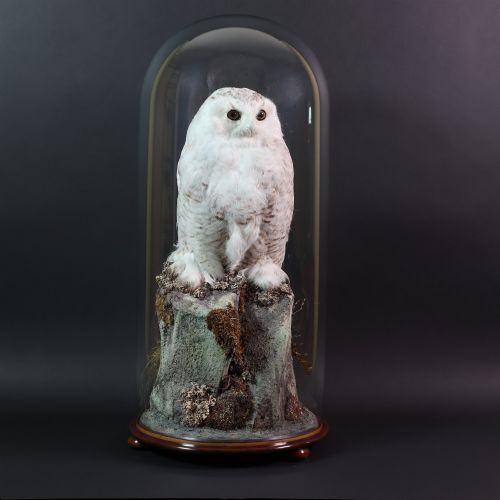
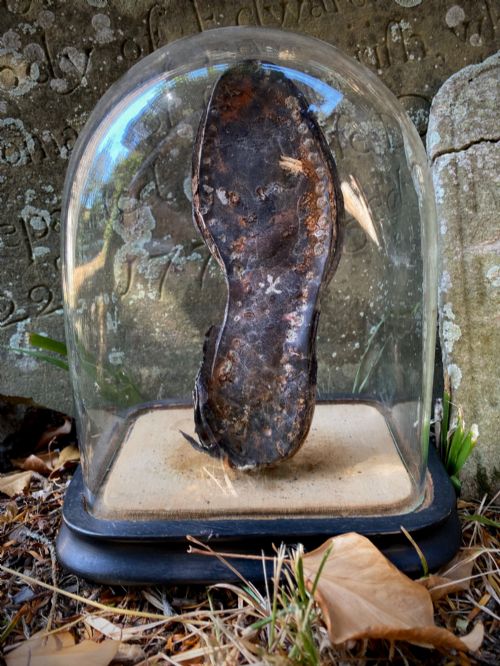
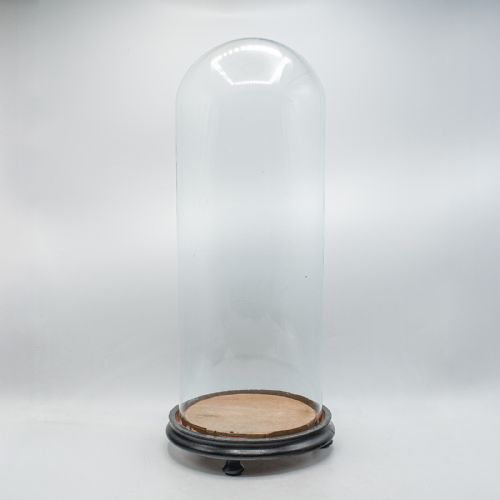
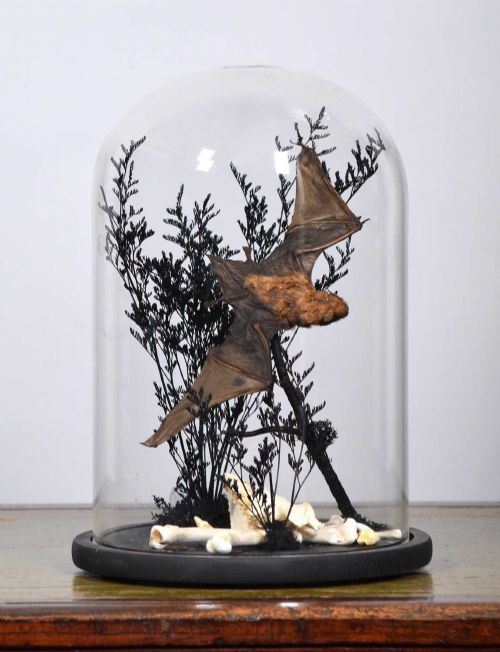
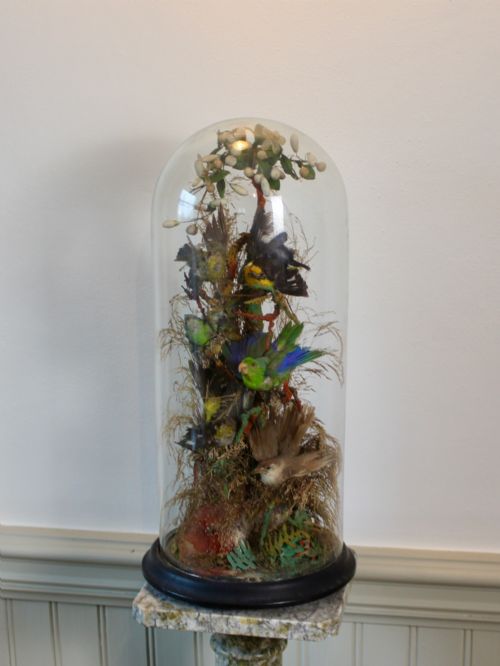
A victorian taxidermy cloche is a glass display dome paired with a wooden base, protecting preserved birds, bats, and small mammals from dust and damage.
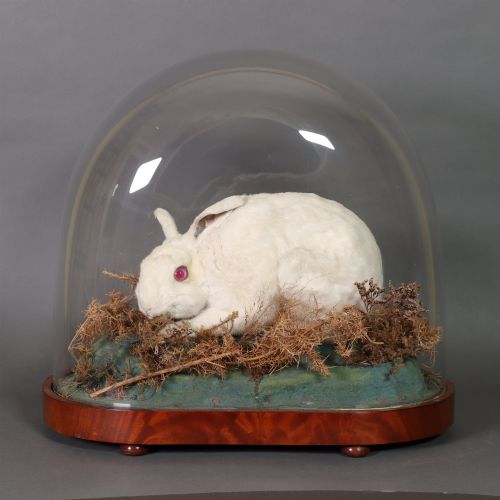
The specimens inside range from single examples like an albino rabbit or a pipistrelle bat to complex compositions of colourful exotic birds and snow buntings arranged in naturalistic settings.
Most examples originate from the Victorian and Edwardian periods, utilising blown or drawn glass shapes including tall, wide, flat-sided, and ovoid formats set upon ebonised, oak, or marquetry timber bases.
How They Were Made
Taxidermists prepared specimens using traditional stuffing and mounting techniques, arranging birds and mammals amid artificial foliage, fabric, felt, velvet, and feathers to mimic living habitats inside the enclosed glass case.
Victorian Taxidermy Cloche Retail Price Guide 2026
Typical asking prices for victorian taxidermy cloche among the pieces listed under this phrase on Sellingantiques today, from the lower quarter to the upper quarter. They describe what is for sale here now, not the wider market.
One remarkably honest Victorian rabbit appears to have seen entirely too much excitement during its taxidermy session.
What Varies in Quality
Quality depends upon the skill of the taxidermist and the reputation of the maker, with attributed London workshops and named practitioners commanding greater interest than anonymous studio work.
The clarity and thickness of the glass dome, combined with the structural integrity of the turned wooden base and the complexity of the interior specimen arrangement, separate standard display pieces from exceptional examples.
James Gardner of London·Henry Ward London·A Pollard
The Victorian Taxidermy Cloche Glossary
- Cloche
- A bell-shaped glass cover used to protect delicate items or plants. In this context, it refers specifically to the large glass domes housing natural history specimens.
- Ebonised wood
- Timber treated with a dark stain or chemical finish to imitate expensive ebony wood. This dark finish provides a stark contrast to brightly coloured bird plumage.
- Diorama
- A three-dimensional scene depicting animals in a simulated natural environment. These compositions often include artificial foliage and rocks beneath the glass dome.
- Ovoid
- Egg-shaped in three dimensions, describing the curved profile of certain glass domes. This specific shape offers alternative sightlines compared to standard round or oval covers.
Victorian Taxidermy Cloche: Frequently Asked Questions
How do I clean a glass dome?
Lift the glass cover very carefully from its wooden base using both hands on a stable, flat surface.
Clean the glass with standard window spray applied to a cloth rather than directly onto the dome, ensuring no moisture reaches the interior specimens.
Where should I place my cloche?
Select a sturdy surface away from direct sunlight and high moisture areas like kitchens or bathrooms. Ultraviolet light fades delicate feathers and fabrics over time.
A heavy sideboard or a dedicated collector's cabinet provides the necessary stable support for these weighty glass and timber items.
Are the glass covers original?
Many domes retain their original blown glass covers, which often exhibit small bubbles, slight waviness, and minor imperfections characteristic of nineteenth-century manufacturing methods.
Replacement glass covers do occur due to the fragile nature of old glass, so examine the weight and fit of the dome against the wooden groove.
How do I identify the period?
Examine the timber base, the turning style, and the construction methods used on the underside. Ebonised softwood bases and heavy glass indicate nineteenth-century production.
Taxidermy styles also shift over time, moving from single specimen displays towards complex multi-bird compositions by the late Victorian and Edwardian eras.