



Curiosity Cabinet Cloche
A curiosity cabinet cloche is a glass cover protecting delicate natural specimens from dust, bringing Victorian natural history into the home.
Curiosity Cabinet Cloche
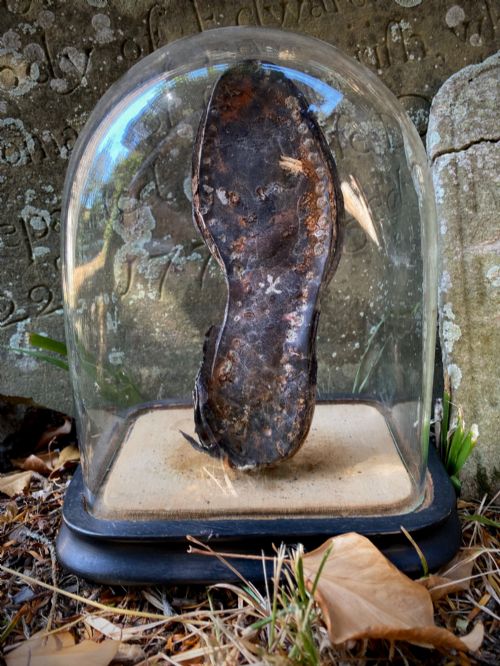
A curiosity cabinet cloche is a glass dome used to showcase taxidermy, birds, and natural specimens collected during the Victorian period. These pieces originate primarily from the nineteenth century, spanning dates around 1870, 1880, 1900, and the late Victorian era.
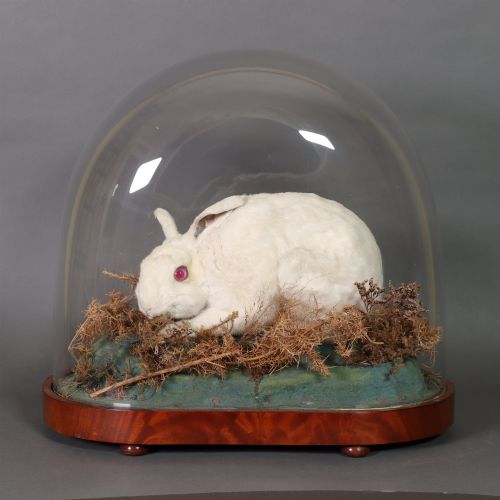
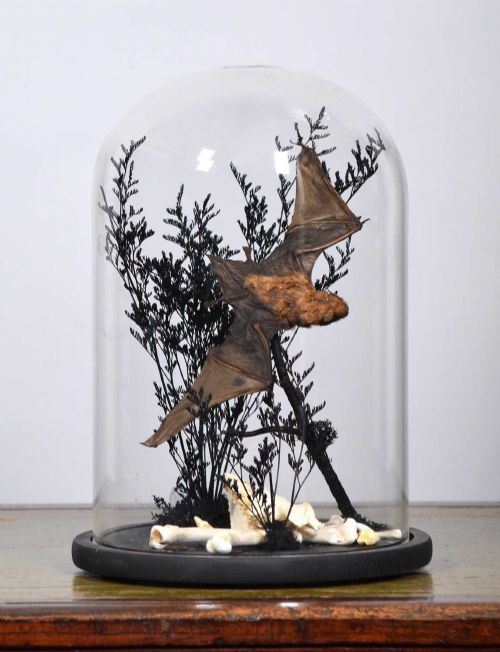
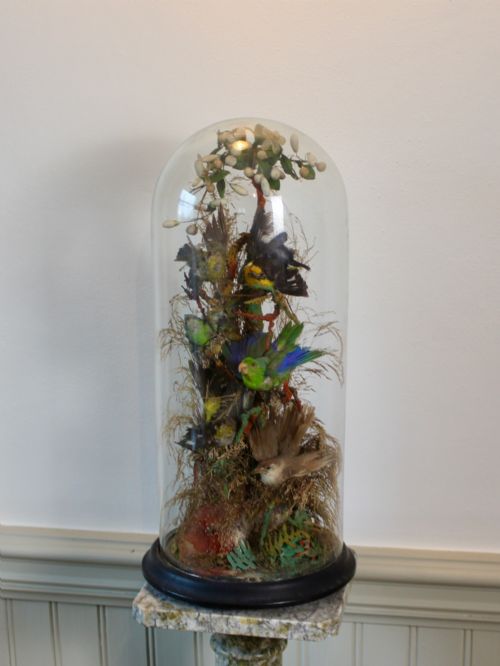
The forms vary from flat-sided domes and oval diorama cases to tall professor's specimen domes and wide showcases. Most examples on this page house English taxidermy displays, including bats, rabbits, and exotic birds.
Buyers seek these objects to recreate the atmosphere of a Victorian study or cabinet of curiosities. The glass protects fragile feathers, fur, and natural vegetation from handling and dust while maintaining a clear view of the interior.
How they were made
Makers produced these display pieces using blown glass formed into domes, paired with wooden bases often finished in ebonised wood. The glass protects interior compositions built from taxidermy specimens, feathers, fabric, velvet, fur, and natural vegetation.
Taxidermists arranged birds and animals inside the glass covers, sometimes creating complex compositions involving multiple species within a single flat-sided or oval dome.
Curiosity Cabinet Cloche Retail Price Guide 2026
Typical asking prices for curiosity cabinet cloche among the pieces listed under this phrase on Sellingantiques today, from the lower quarter to the upper quarter. They describe what is for sale here now, not the wider market.
What varies in quality
Attribution to notable taxidermists elevates an example, as seen in pieces linked to London practitioners such as James Gardner, Henry Ward, or A Pollard. The clarity and form of the glass, whether tall, oval, or flat-sided, also differentiate the examples.
James Gardner·Henry Ward London·A Pollard
The Curiosity Cabinet Cloche Glossary
- Cloche
- A bell-shaped glass cover used to protect and display delicate objects. This transparent vessel sits upon a fitted wooden base.
- Taxidermy
- The art of preparing, stuffing, and mounting the skins of animals for display. Victorian practitioners arranged birds and small mammals within glass domes.
- Ebonised wood
- Timber treated to resemble ebony, providing a dark, polished base for display domes. This finish creates a stark contrast with the glass and the specimens inside.
- Diorama
- A three-dimensional scene containing taxidermy specimens arranged in a naturalistic setting. These compositions sit beneath glass domes to form self-contained displays.
- Specimen
- An individual animal or plant collected for scientific study or display. These form the focal points of nineteenth-century curiosity cabinets.
Curiosity Cabinet Cloche: Frequently Asked Questions
What is a curiosity cabinet cloche?
A curiosity cabinet cloche is a glass display dome used during the Victorian period to protect and showcase taxidermy specimens, birds, and natural history collections.
These pieces combine blown glass covers with wooden bases, enclosing arrangements of feathers, fur, and vegetation.
How do I date a glass dome?
Dating relies on the style of the wooden base, the manufacturing characteristics of the glass, and the provenance of the enclosed taxidermy. Most examples date from the nineteenth century, specifically around 1870 to 1900.
Archival details or attribution to known London taxidermists help narrow the date of creation.
How were taxidermy domes displayed?
In the nineteenth century, these domes stood upon tables, cabinets, and sideboards within studies and drawing rooms as part of a broader collection of natural curiosities.
They allowed owners to examine delicate specimens closely without risking damage from handling or dust.
What types of specimens are inside?
Common contents include British and exotic birds, bats, rabbits, and snow buntings arranged singly or in complex multi-species compositions.
Some domes incorporate natural vegetation, fabric, and velvet to mimic the natural habitat of the animals.