
Victorian Table Server
When you search for a victorian table server, you are looking at utilitarian dining room and hallway furniture designed to assist with food and service.
Victorian Table Server
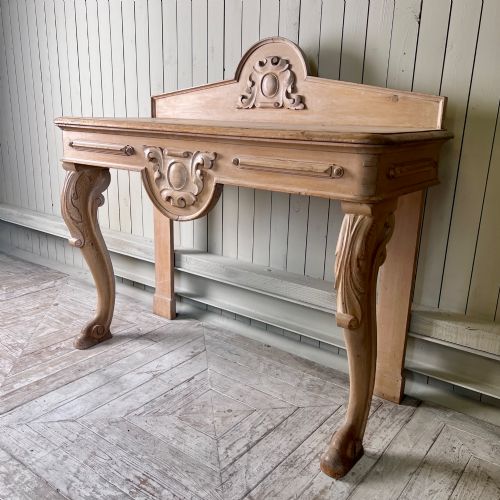
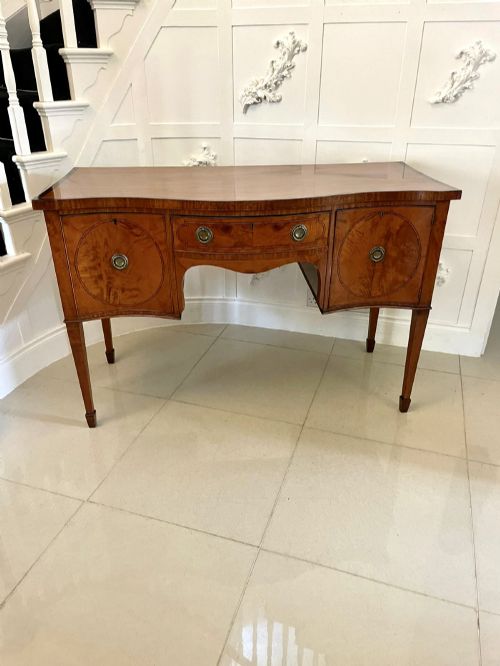
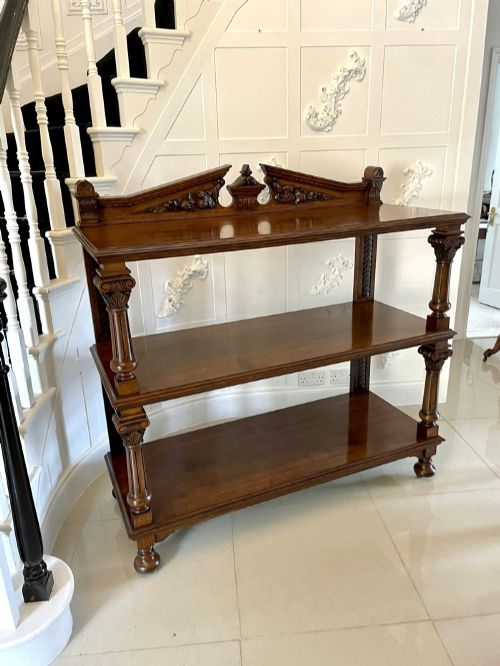
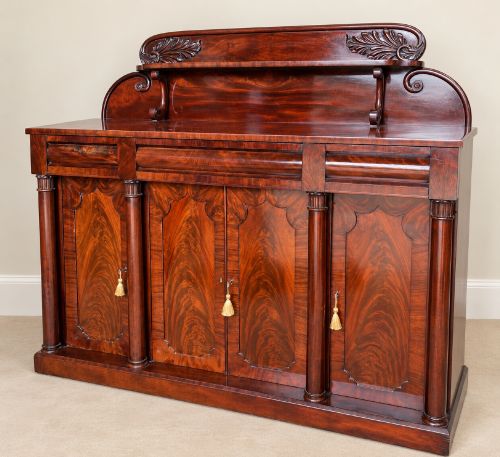
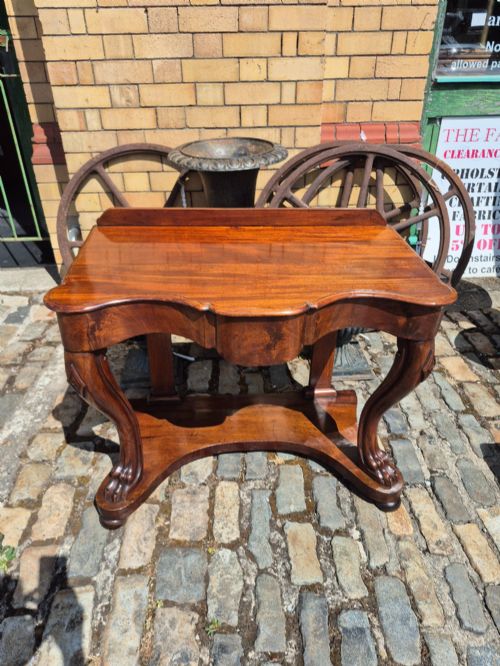
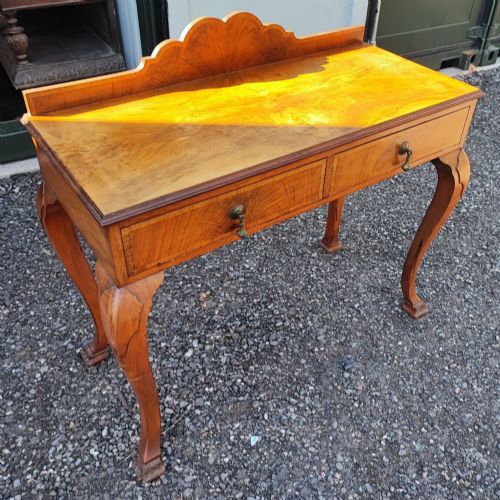
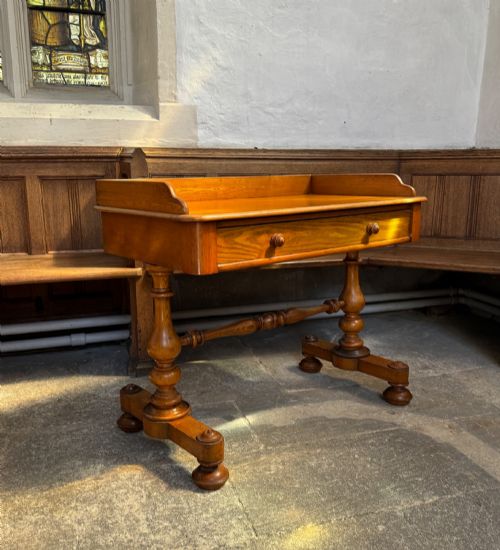
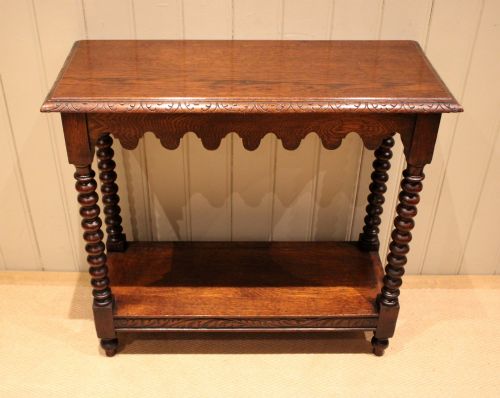
A victorian table server encompasses a wide variety of dining and serving furniture, including sideboards, buffets, console tables, dumbwaiters, and dresser bases from the nineteenth century. These pieces were built to hold dishes, cutlery, and glassware during large meals or to display items in hallways and dining rooms.
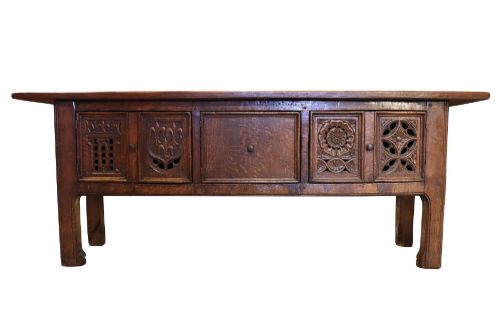
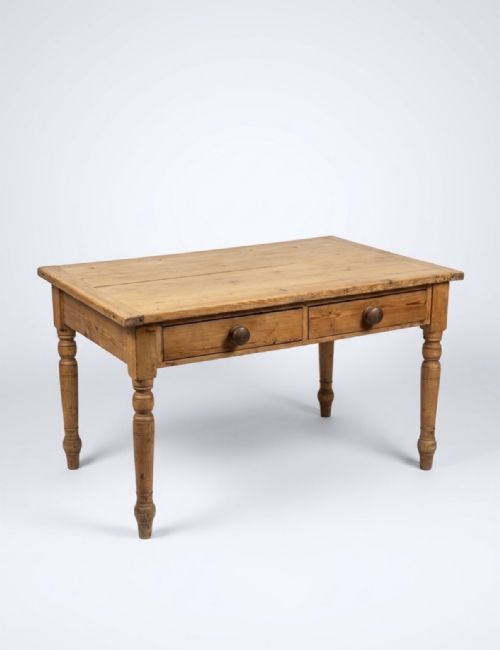
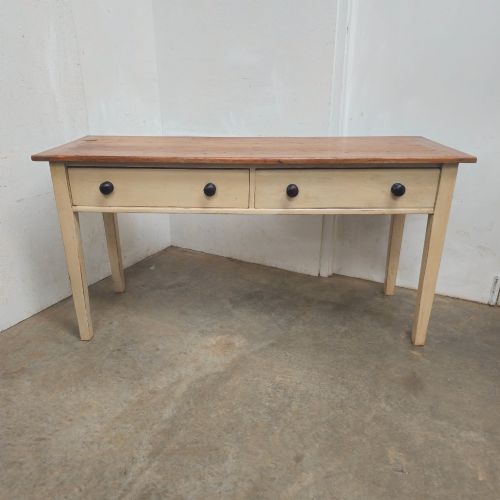
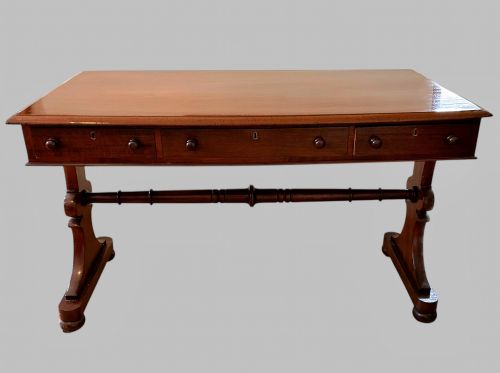
The most common examples on this page are constructed from timbers such as mahogany, oak, walnut, and pine, reflecting the domestic habits of the period. Forms range from simple single-drawer pine tables to elaborate multi-tiered mahogany buffets and carved oak servers.
Makers utilised different regional woods and stylistic influences, creating pieces that span from early Victorian designs through to Aesthetic Movement and Gothic Revival interpretations. Buyers encounter everything from robust country pine servers to formal walnut side tables.
Materials and construction methods
Cabinet makers relied heavily on solid hardwoods like mahogany, oak, and walnut for formal dining furniture, often employing pine and pitch pine for secondary framing or country pieces. Timber selection dictated the weight and durability of each server.
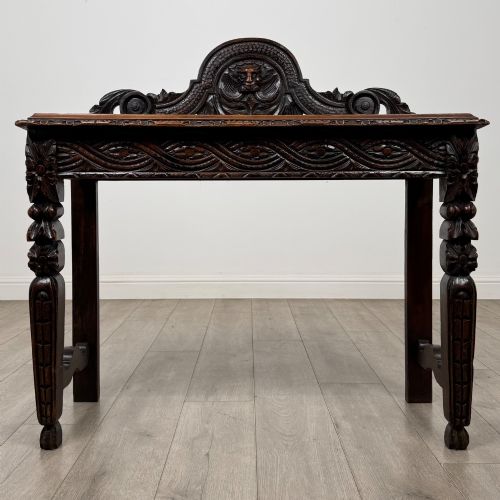
Construction techniques included dovetailed drawer boxes, turned supports, and pegged joints, alongside elaborate hand-carving seen on Gothic Revival and late Victorian oak pieces. Some items feature applied veneers of burr walnut or satinwood over heavier carcases.
Surfaces were finished with traditional polish or left in original paint, particularly on utilitarian dairy and console tables where timber grain took second place to practical daily use.
Listings feature oak, mahogany, walnut, and pine across styles from Gothic Revival to the Aesthetic Movement.
Distinctions in quality
The choice of timber and the depth of carving separate standard utility pieces from high-end examples, with finely figured mahogany or burr walnut commanding greater attention than plain pine.
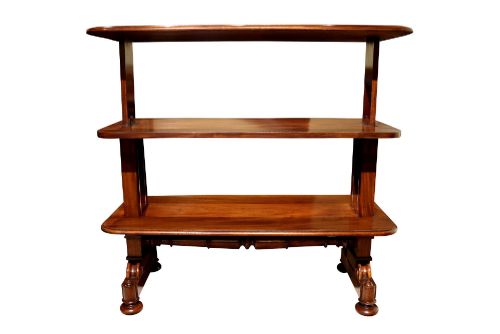
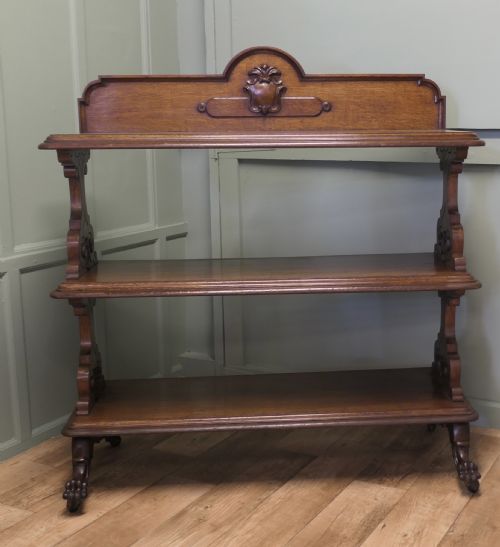
Structural complexity, such as functioning rise and fall mechanisms on dumbwaiters or multi-tiered étagères, demonstrates superior workshop capability and mechanical ingenuity.
Originality of surface finish and hardware, including period brass handles and intact tiered shelving, preserves the integrity of the piece.
WALKER·GILLOWS·GORHAM·LIBERTY
The Victorian Table Server Glossary
- Dumbwaiter
- A multi-tiered serving piece or stand designed to hold food or tableware without the need for constant staff attendance. These often feature revolving or adjustable tiers.
- Buffet
- A sideboard or serving table intended for the display and distribution of food and drink during meals. They frequently include multiple tiers or cupboards.
- Dresser base
- A lower kitchen or dining cabinet featuring drawers and cupboards beneath a flat top surface. These served as primary work and storage areas in period homes.
- Console table
- A table designed to be fixed against a wall, frequently supported by brackets or legs at the front. They functioned as decorative side furniture in halls and living rooms.
- Étagère
- A set of open shelves for displaying small objects, sometimes incorporated into the design of a buffet or serving table.
Victorian Table Server: Frequently Asked Questions
What is a victorian table server used for?
These pieces provided supplementary surface space in dining rooms and halls during the nineteenth century. Households used them to hold serving dishes, organise cutlery, and display glassware.
They also acted as decorative focal points in entrance halls and reception rooms, holding lamps and smaller everyday items.
What woods were used for these pieces?
Cabinet makers utilised a range of domestic and imported timbers depending on the intended function and style of the server. Mahogany and walnut appeared frequently in formal dining rooms.
Oak and pine were common in country houses, dairy settings, and sturdy Gothic Revival designs, offering robust durability for daily work.
How do I style a server in a modern home?
These servers function well in modern dining spaces as standalone side tables for serving food or holding drinks during gatherings. Their proportions also suit entrance hallways for keys and post.
Pairing a timber server with contrasting modern lamps or ceramics highlights the grain of the antique wood without crowding the surface.