
Victorian Sword Walking Stick
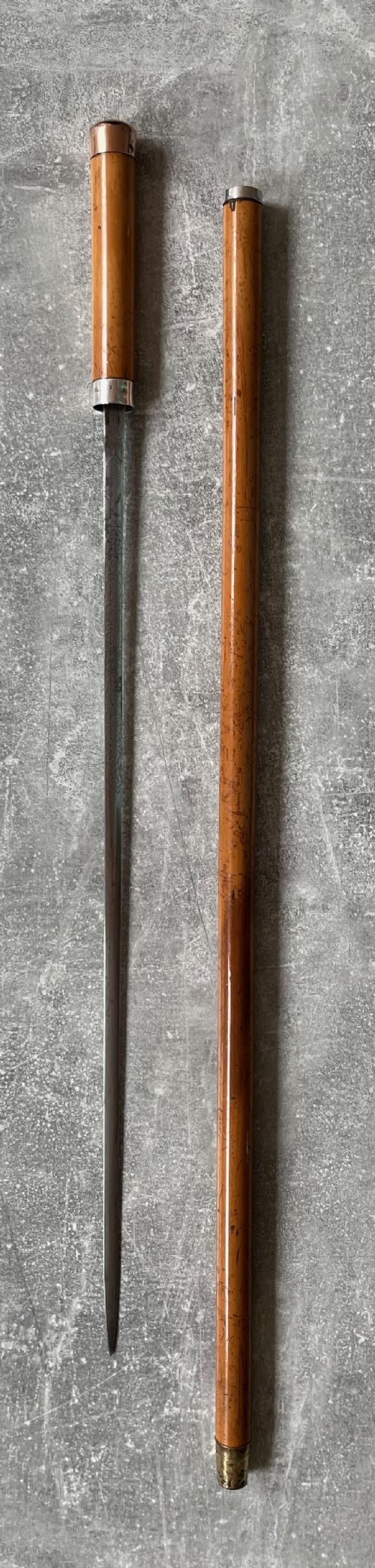
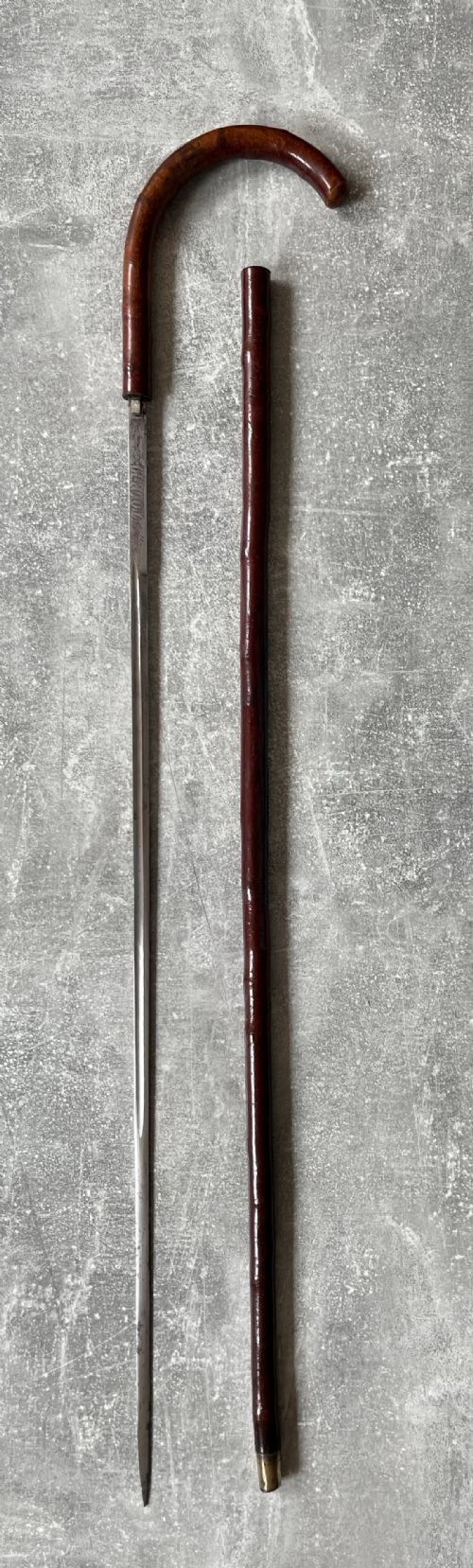
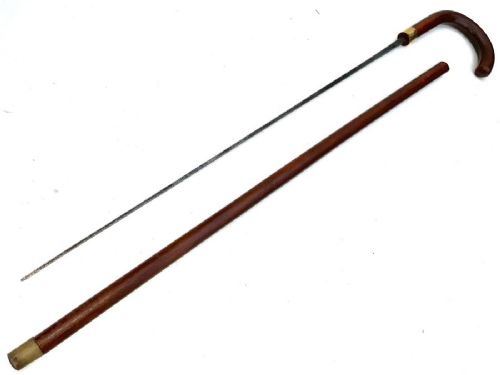
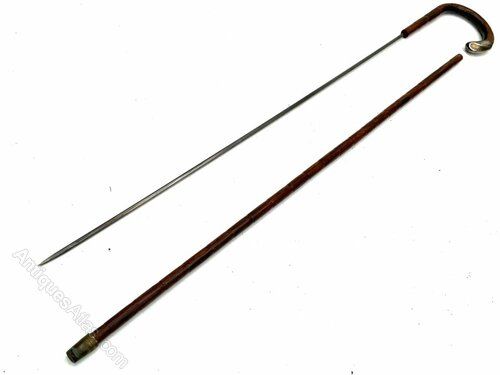
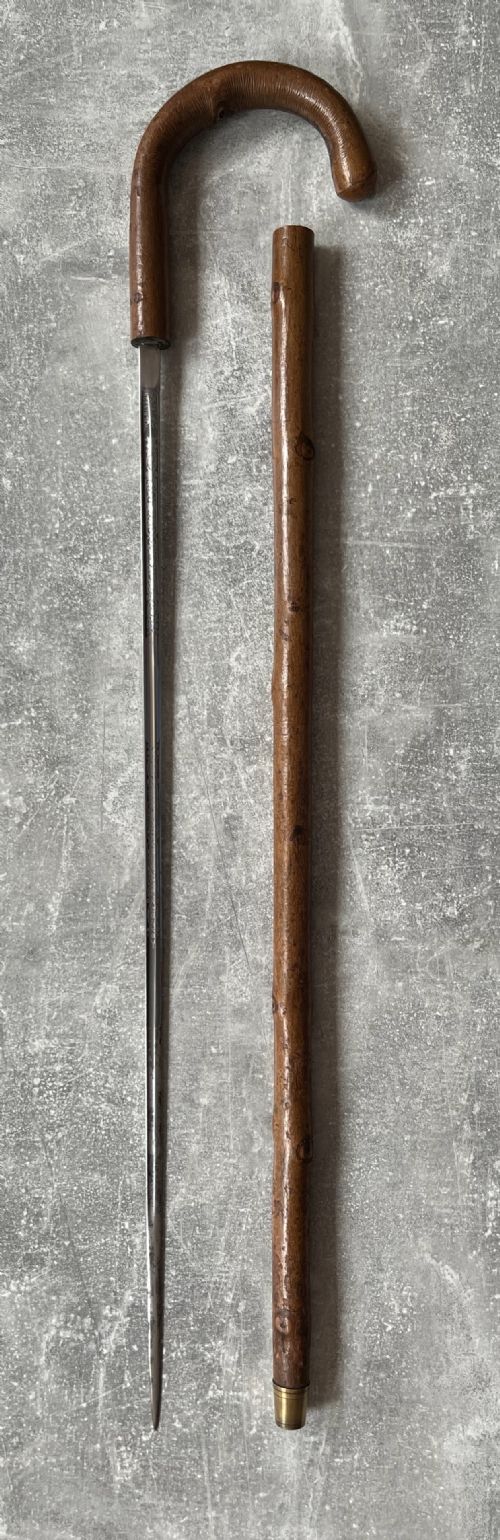
A victorian sword walking stick combines the appearance of an everyday gentleman's accessory with a concealed steel blade.
Victorian Sword Walking Stick
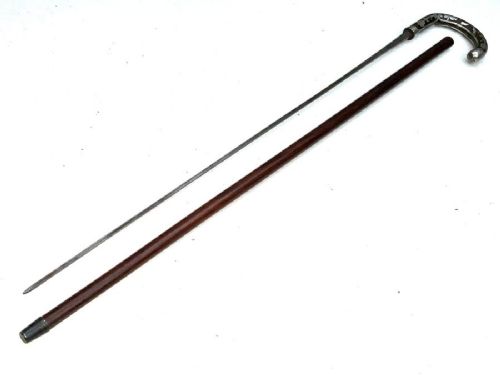
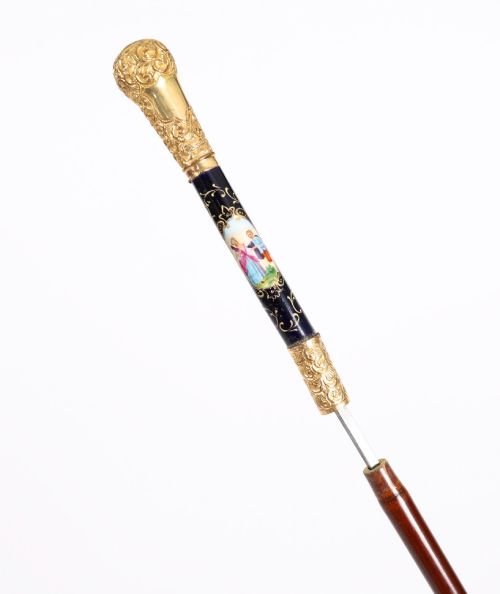
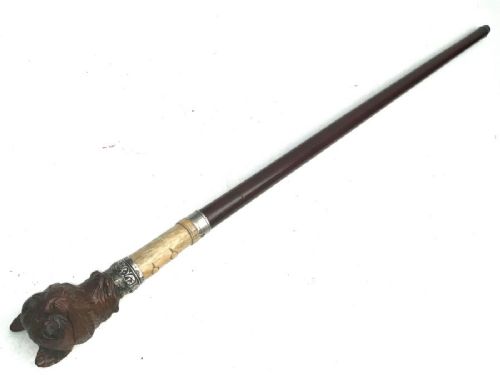
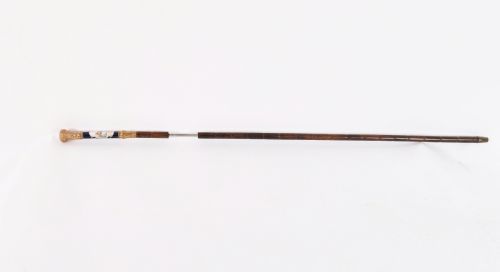
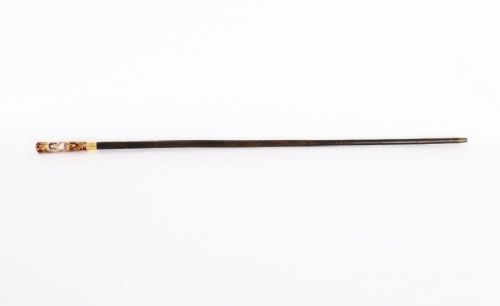
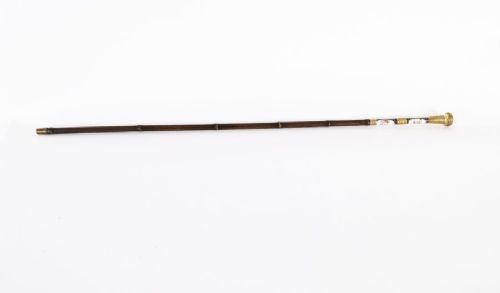
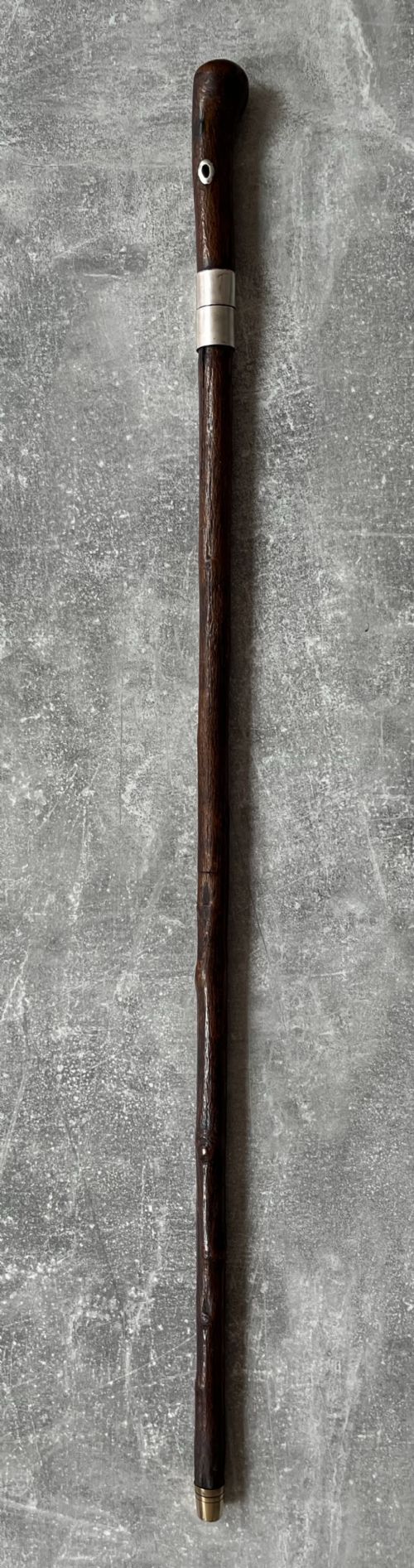
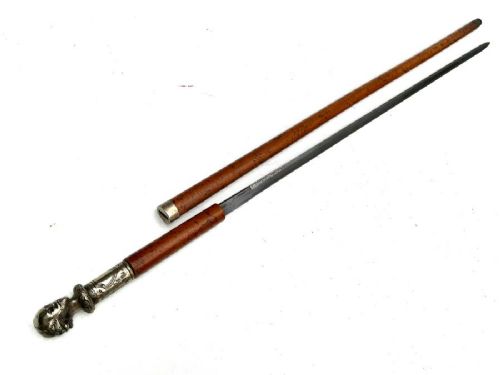
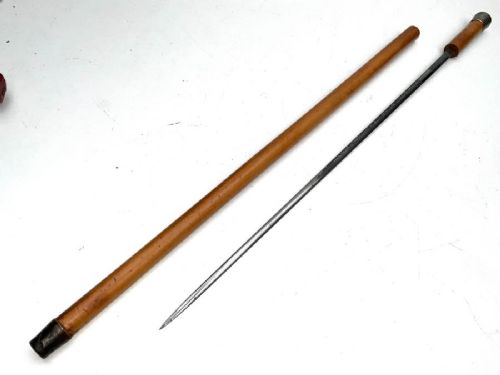
A victorian sword walking stick is a dual-purpose object housing a hidden blade within a wooden or cane shaft, designed for self-defence and personal status during the nineteenth and early twentieth centuries. These pieces appear in forms ranging from plain timber shafts with novel handles to military officers' swagger sticks and elaborate French porcelain-mounted examples.
The version most commonly met on this page is the gents walking stick sword stick utilising woods such as partridge wood, cherrywood, hazel, and malacca cane, often fitted with button releases or precious metal collars. Makers and manufacturers produced both civilian civilian concealment pieces and formal military officers variants during the Victorian, Edwardian, and subsequent decades.
Materials and construction
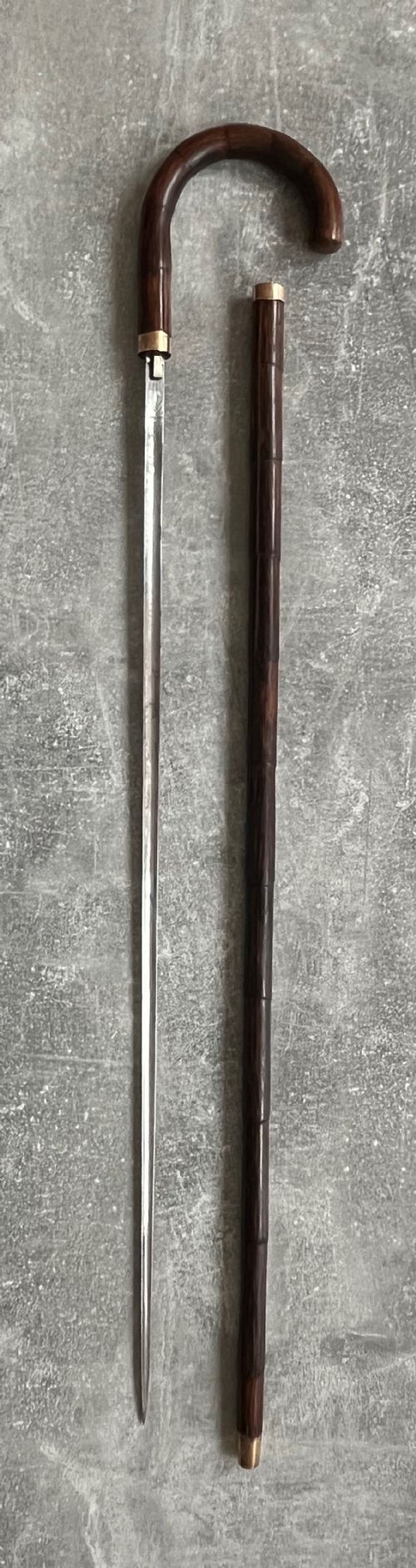
Makers constructed the exterior shafts from natural timbers like rosewood, bamboo, blackthorn, and partridge wood, alongside flexible malacca cane, shaping them with crook handles, root ends, or horn grips. Metal components included brass, silver, and gold plate, utilised for collars, mounts, and decorative handles, while French examples incorporated Sevres porcelain sections.
The concealed blades were predominantly forged from steel, with specific pieces housing etched Toledo blades or signed Wilkinson blades secured inside the wooden housing. Mechanisms relied on simple button releases or friction fits to secure the blade within the shaft.
Listings demonstrate diverse materials spanning steel, silver, brass, porcelain, horn, and malacca cane across the Victorian and Edwardian periods.
Assessing quality and origin
Quality separates pieces through the precision of the blade fitting and the calibre of the materials employed, distinguishing utilitarian military or civilian accessories from luxury presentation items. Fine specimens demonstrate seamless closure where the shaft meets the handle, concealing the join effectively.
Artisanal distinction rests on the execution of decorative elements, such as engraved silver mounts, detailed gold plating, hand-painted porcelain sections, and verified blade makers like Wilkinson or Toledo, compared against simpler timber shafts.
Brigg·Wilkinson
The Victorian Sword Walking Stick Glossary
- Malacca cane
- A strong, speckled rattan stem imported from Southeast Asia, prized for flexibility and durability in walking cane production.
- Toledo blade
- A steel blade originating from the Spanish city renowned for historic sword-making traditions.
- Collar
- A metal band, frequently silver or gold plate, fitted around the shaft near the handle for reinforcement and decoration.
- Button release
- A mechanical catch mechanism operated by pressing a small stud to unlock the blade from the cane sheath.
- Swagger stick
- A short, lightweight walking stick carried by military officers as a symbol of authority.
Victorian Sword Walking Stick: Frequently Asked Questions
What is a victorian sword walking stick?
A victorian sword walking stick is a dual-purpose artefact featuring a wooden or cane outer shaft that conceals a steel blade inside. These items served gentlemen and military officers for personal defence and as formal accessories.
Examples range from simple timber shafts with horn or wood handles to decorative French porcelain-mounted pieces and military swagger sticks produced across the nineteenth and early twentieth centuries.
How do you release the concealed blade?
Most concealed blades are secured within the wooden shaft by a friction fit or a mechanical catch, such as a button release. Pressing the release or pulling the handle separates the blade from the outer cane housing.
The internal steel blade is then fully exposed for examination or use, while sliding smoothly back into the wooden channel for storage.
What materials were used for the shafts?
Shafts were constructed from natural organic materials including malacca cane, bamboo, partridge wood, cherrywood, hazel, rosewood, and Irish blackthorn. Some pieces incorporated sections of Sevres porcelain.
Handles and mounts utilised horn, bone, brass, silver, and gold plate to finish the top grip and secure the junction between handle and shaft.