


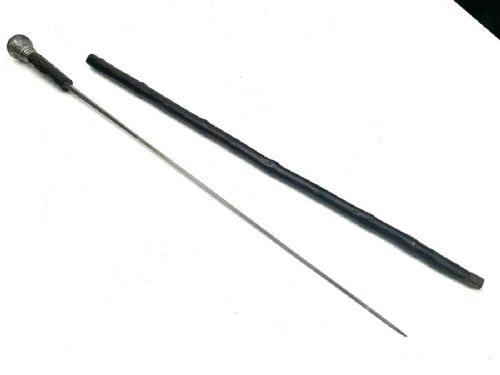


Edwardian Sword Stick Cane
When you search for edwardian sword stick cane, you uncover concealed blade walking aids combining utility and social display from the turn of the twentieth century.
Edwardian Sword Stick Cane
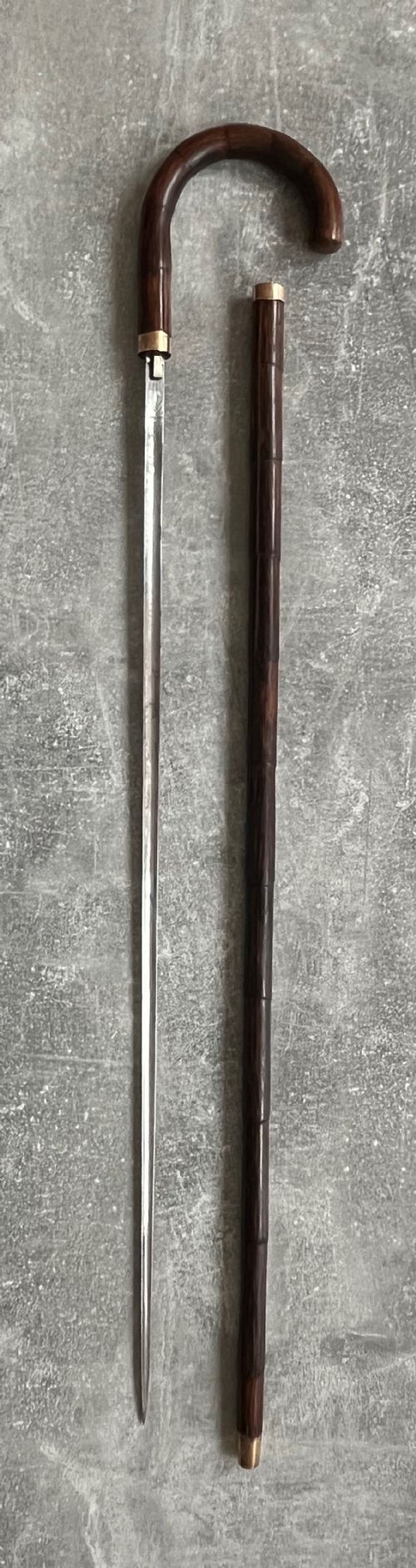
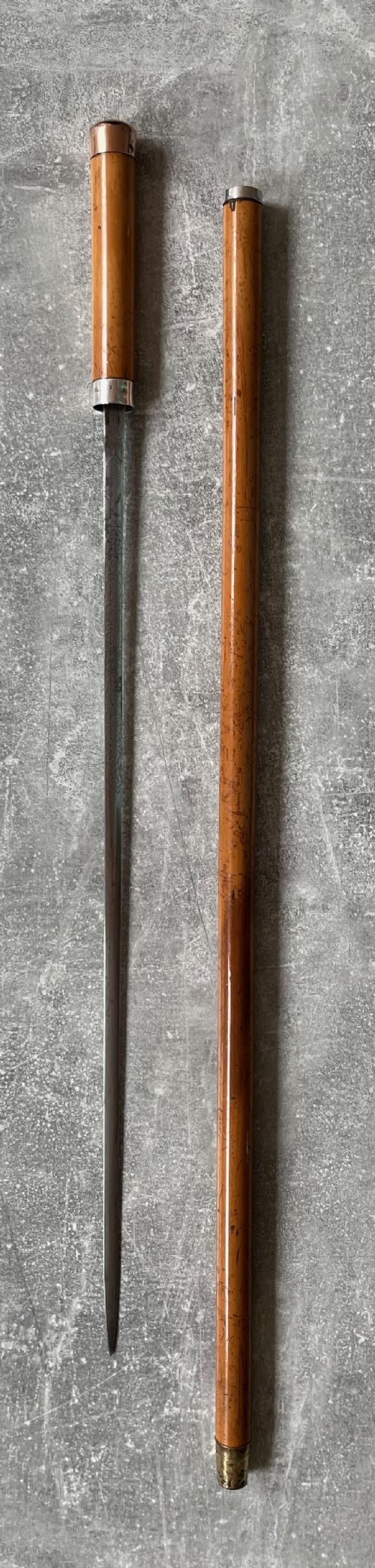
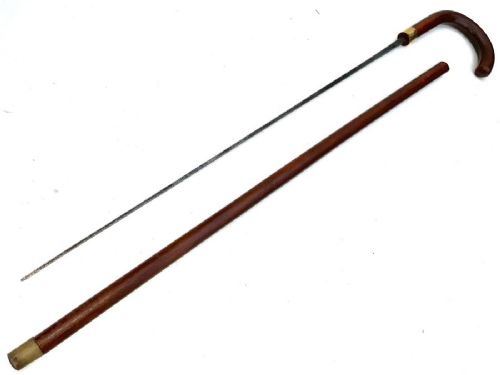
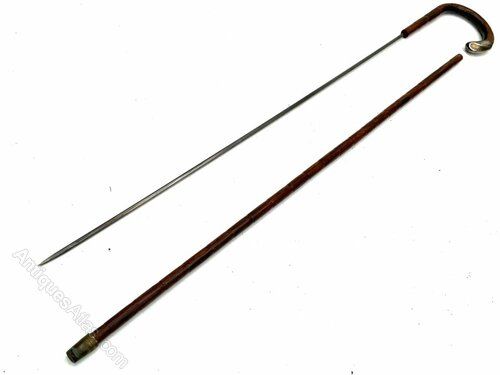
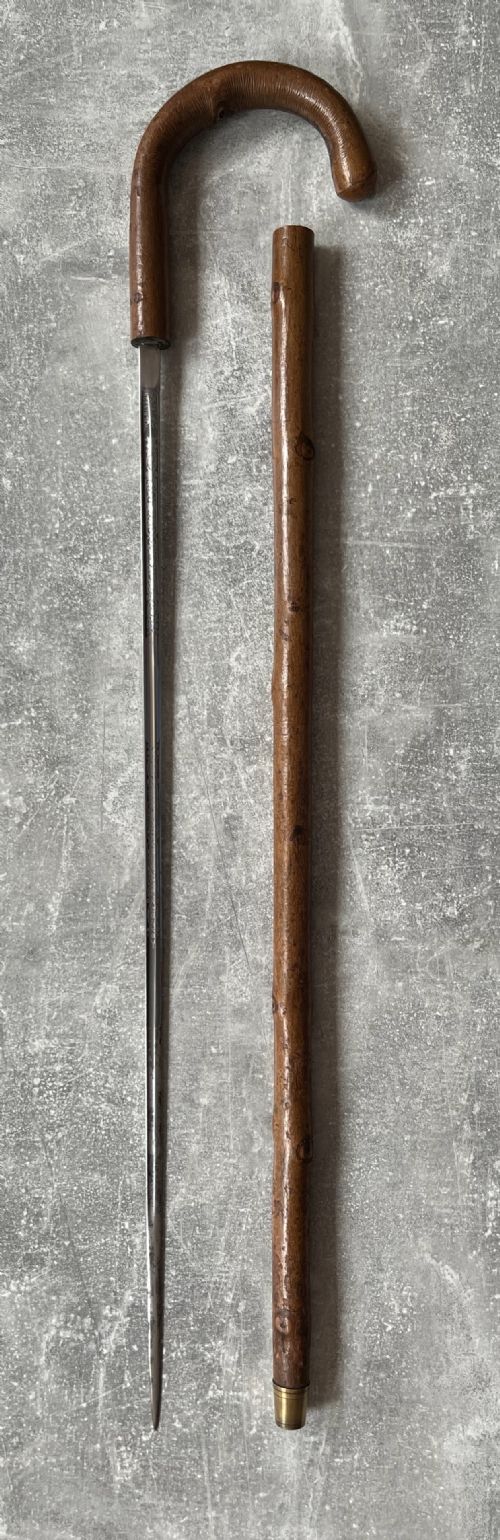
An edwardian sword stick cane is a dual-purpose walking aid featuring a hidden steel blade housed securely within a shaft of wood or bamboo. These pieces served gentlemen navigating city streets or military officers requiring discreet personal protection during the nineteenth and twentieth centuries.
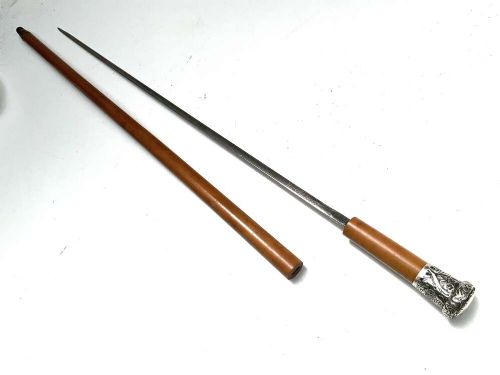
The most common versions encountered on this page combine malacca, partridge wood, bamboo, or hazel shafts with horn, silver, or root handles. Examples range from simple crook-handled walking sticks to military officers' swagger sticks and masonic pieces bearing specific regional attributions like London or Kendal.
Dating primarily from the Victorian, Edwardian, and subsequent decades up to 1930, these objects reflect period standards of personal carry items. Formats vary from straight shafts with button releases to pistol-grip bone handles and silver-mounted collars.
How They Were Made
Makers fashioned the shafts from natural materials including malacca cane, bamboo, partridge wood, chestnut, and rosewood, often fitted with horn, antler, or root-ended handles. Metals such as steel formed the internal blades, while brass, silver, and ormolu provided collars and mounts.
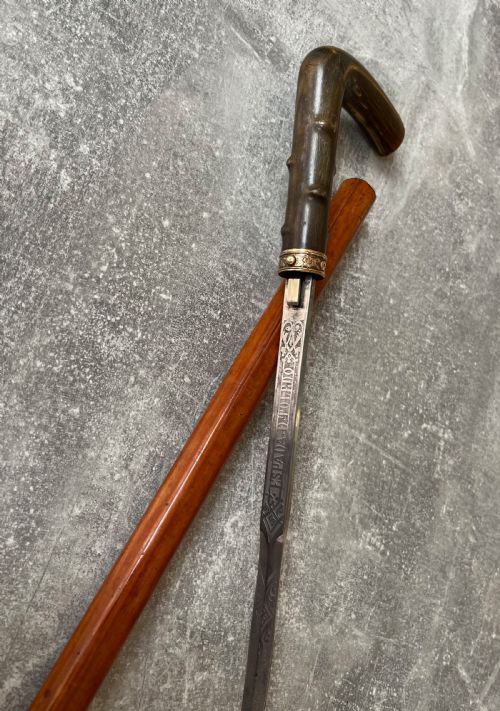
Blade construction relied on forged steel, with notable examples incorporating etched Toledo blades or signed Wilkinson makers' marks. Mechanisms typically utilised simple button releases to secure the internal blade within the outer wooden scabbard shaft.
Some gentlemen preferred a silver horse's head or a root ball to disguise a hidden blade on their evening stroll.
What Varies in Quality
Quality rests in the integrity of the materials and the precision of the joinery between shaft and handle. Superior pieces exhibit well-balanced malacca or dense hardwood bodies paired with solid silver mounts and signed blades.
The refinement of the blade engraving and the snugness of the release mechanism distinguish standard utility items from higher-grade workshop production. Finely carved horn handles and hallmarked silver collars indicate elevated status at the time of manufacture.
Wilkinson Blade·Grenadier Guards
The Edwardian Sword Stick Cane Glossary
- Malacca cane
- A strong, patterned rattan stemming from Southeast Asia, prized for flexibility and durability in walking stick manufacture. It forms the shaft body of many higher-grade examples.
- Toledo blade
- A steel blade produced in the Spanish city renowned for historic sword-making traditions. These blades often feature distinctive etched detailing.
- Swagger stick
- A short, light stick carried by military officers as a symbol of authority. Some iterations conceal a narrow blade internally.
- Collar
- A metal band, frequently silver or brass, fitted around the upper neck of the stick beneath the handle. It reinforces the junction where handle meets shaft.
- Button release
- A mechanical catch embedded in the collar or shaft that secures the blade inside the cane until pressed. It allows rapid deployment of the concealed weapon.
Edwardian Sword Stick Cane: Frequently Asked Questions
How do I release the hidden blade?
Most pieces utilise a small push-button release mechanism located near the silver collar or handle mount. Pressing this catch disengages the internal locking point so the steel blade slides smoothly from the wooden scabbard.
Exercise care when handling these historic mechanisms to avoid damaging the internal wooden channels or the blade itself.
Were these used as weapons?
They functioned primarily as walking aids for gentlemen requiring discreet personal defence during periods when street safety was a concern. Military officers also carried them as swagger sticks or practical sidearms.
Over time, their role shifted toward gentlemanly accessories and social markers rather than active military equipment.
How do I date an edwardian sword stick cane?
Dating relies on stylistic markers, materials, and any hallmarked silver mounts present on the collar. Items marked with specific London assay dates or associated with Victorian and Edwardian military battalions provide clear chronological reference points.
Changes in handle materials, such as the shift from turned horn to carved root-ends and bone pistol grips, also help establish the decade of production.
How should I display or store one?
Store these pieces in a dry, stable environment away from direct sunlight to protect natural wood and horn shafts from warping or cracking. Keeping the internal steel blade lightly oiled prevents corrosion inside the wooden scabbard.
Vertical display stands designed for walking sticks allow you to house them securely while keeping the handles and mounts visible.