
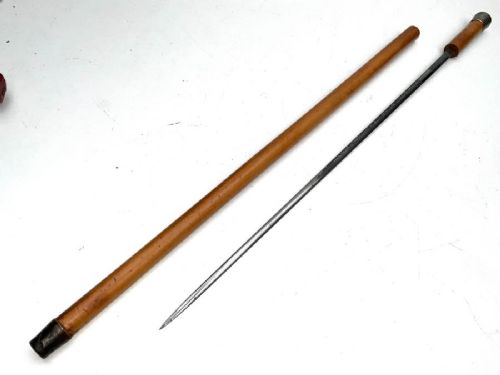


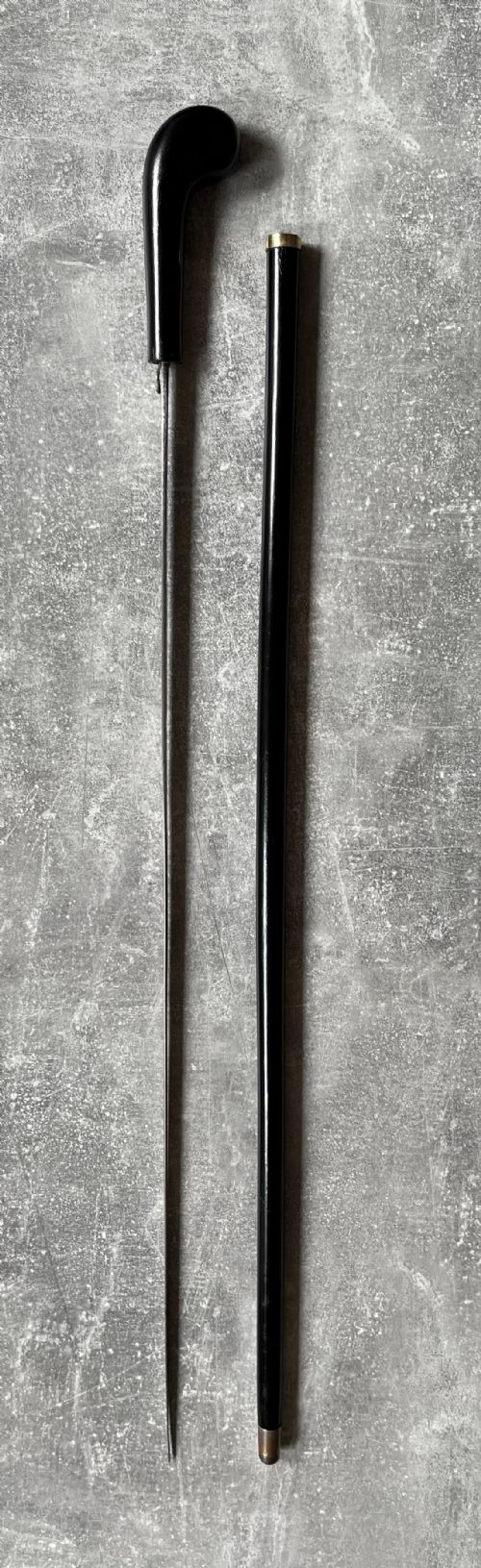


Vintage Defense Walking Cane
A vintage defence walking cane carries a concealed steel blade beneath an ordinary guise, bridging practical utility and gentlemanly accessorising from the Victorian era onwards.
Vintage Defense Walking Cane
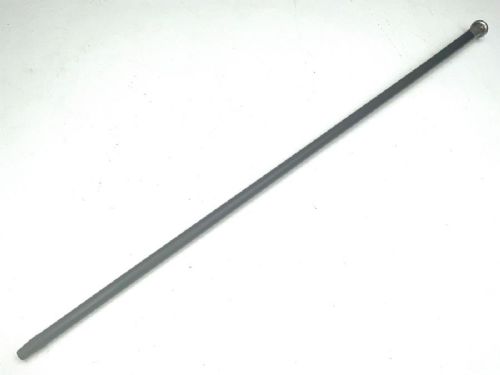
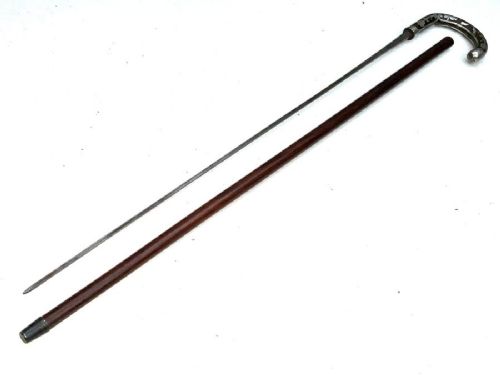
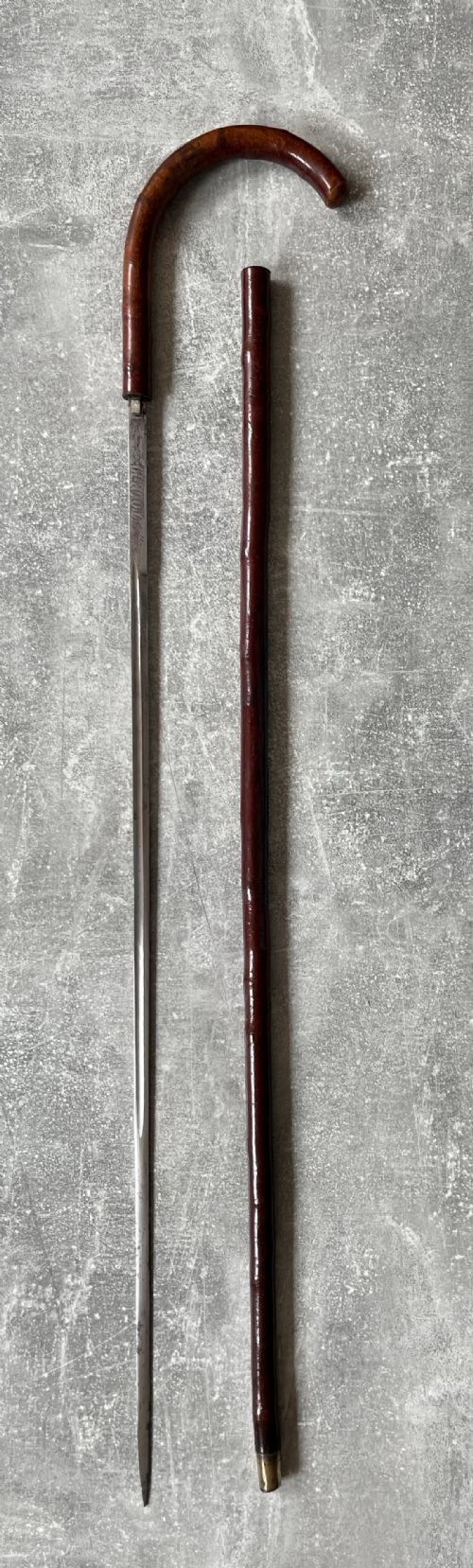
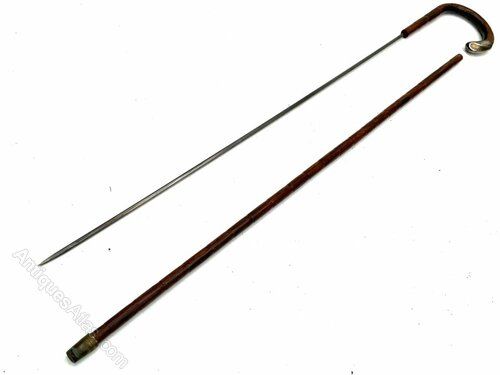
A vintage defence walking cane primarily manifests as a sword stick, housing a concealed steel blade within shafts of wood or bamboo. These pieces emerge predominantly from the Victorian and Edwardian periods, stretching from the late nineteenth century into the 1920s.
Handles vary widely across the selection, featuring crook grips, hammer head grips, bone knops, antler, horn, and silver mounts shaped like horse heads. Woods such as partridge wood, malacca, ebonised wood, cherrywood, and Irish blackthorn form the sturdy exterior housings.
Makers and retail destinations like Brigg and Kendal appear alongside masonic associations and specific regional woods. Buyers encounter everything from plain bamboo shafts to silver-collared presentation pieces equipped with Toledo or Wilkinson blades.
Materials and Construction Techniques
Shafts rely on dense natural materials including partridge wood, malacca, rosewood, bamboo, chestnut, and Irish blackthorn to provide rigidity and conceal the internal metal mechanism. Ebonised wood and cherrywood offer smooth, dark finishes that disguise the dual purpose of the stick.
Blades forged from steel, notably Toledo and Wilkinson types, fit securely inside the wooden channels, often locked in place with collars of silver or brass. Handles utilise horn, bone, antler, and carved wood, attached securely to the top of the shaft.
Several examples feature carved horse head handles and masonic symbols, ensuring your walking stick has plenty of personality before you even draw the blade.
Distinguishing Quality in Construction and Materials
Quality rests upon the integrity of the hidden blade and the precision with which the wooden shaft meets the handle. Superior examples integrate branded blades from makers like Wilkinson or Toledo with robust silver mounts and carved horn or bone handles.
Simpler pieces utilise plain bamboo or ebonised wood with basic metal collars, whilst higher tiers showcase rich partridge wood, malacca, or detailed root ball handles. The seamless fit of the blade within its housing dictates the overall standard of the piece.
Brigg·Wilkinson·Kendal
The Vintage Defense Walking Cane Glossary
- Sword stick
- A walking cane containing a concealed blade. This term defines the primary subtype found across these listings.
- Toledo blade
- A steel blade originating from Toledo, known for historical sword-making traditions. These blades appear frequently in nineteenth and early twentieth-century examples.
- Malacca
- A type of rattan cane featuring distinctive scale patterns and brown markings. It provides a lightweight yet durable shaft for defence walking sticks.
- Partridge wood
- A dense, mottled timber named for its feathered grain pattern. It remains a preferred material for high-quality walking stick shafts.
Vintage Defense Walking Cane: Frequently Asked Questions
What is a vintage defence walking cane?
A vintage defence walking cane is a gentleman's walking stick that conceals a steel blade inside its wooden or bamboo shaft. These items date primarily from the Victorian and Edwardian eras.
They served as personal protection devices for urban gentlemen navigating dimly lit nineteenth and early twentieth-century streets.
How do you release the hidden blade?
Most pieces release via a screw mechanism, a push-button release, or a simple friction fit between the handle and the wooden scabbard. Owners pull the handle straight out to reveal the steel blade.
Craftsmen engineered these joints to close flush so the hidden function remained entirely undetectable during daily walks.
What materials make up the shafts?
Shafts consist of natural woods and bamboo, including malacca, partridge wood, rosewood, chestnut, ebonised wood, and Irish blackthorn. Handles incorporate bone, horn, antler, and carved wood.
Silver and brass collars frequently reinforce the point where the handle meets the main body of the cane.
How do I identify the period?
Dating relies on stylistic markers such as Victorian or Edwardian silver hallmarks, specific blade signatures like Toledo or Wilkinson, and popular handle designs. Materials like malacca and partridge wood point directly to late nineteenth and early twentieth-century manufacturing trends.
Engraved dates on silver collars or mounts provide the most precise indication of a piece's age.