


Victorian Sugar Bowl
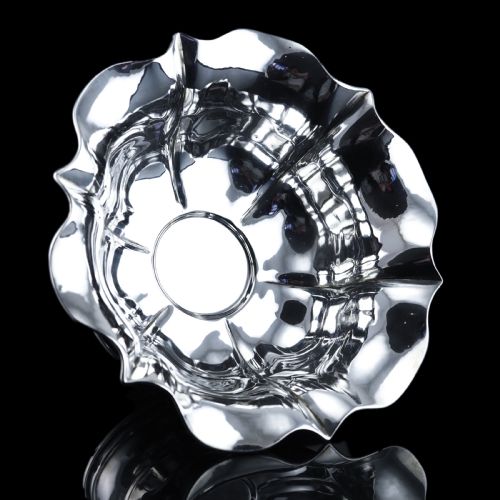
When you search for a victorian sugar bowl, you are looking at domestic silver, glass, and ceramic vessels shaped to hold granulated or lump sugar at the tea table.
Victorian Sugar Bowl
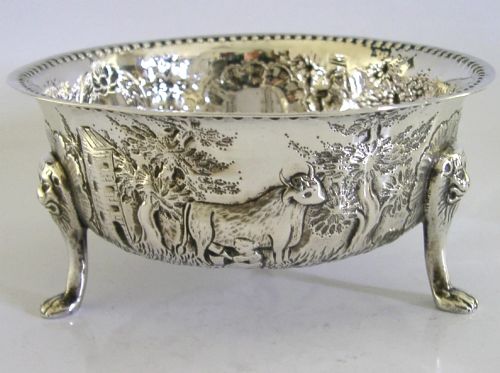
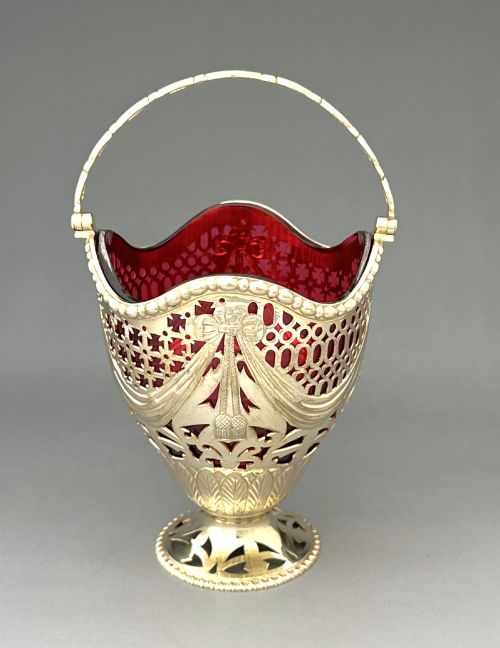
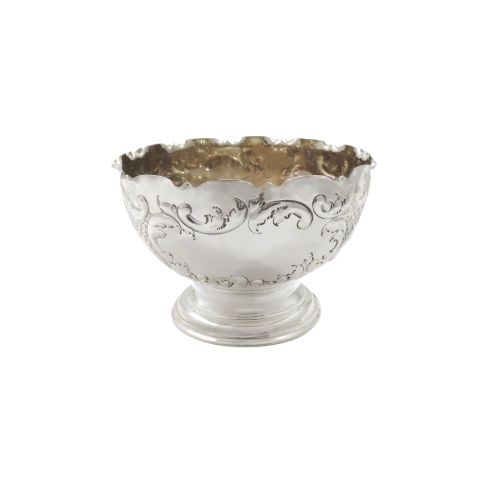
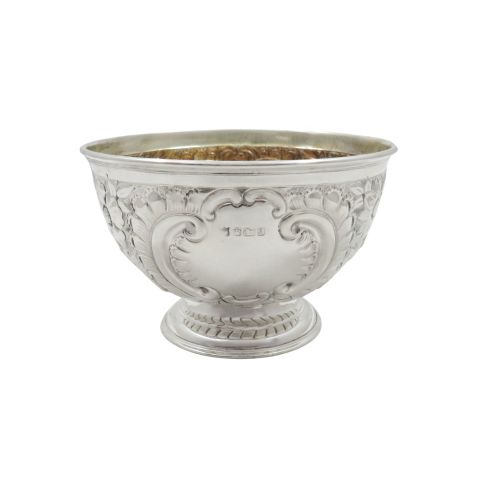
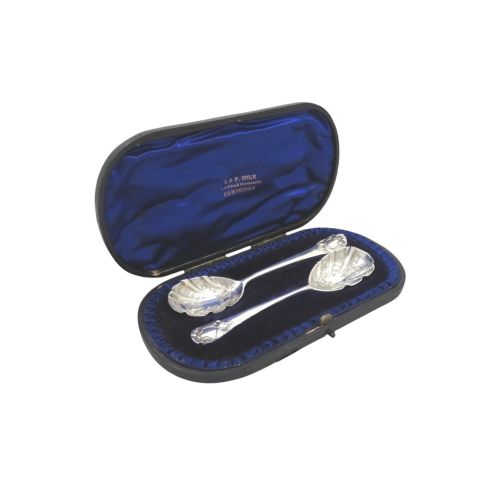
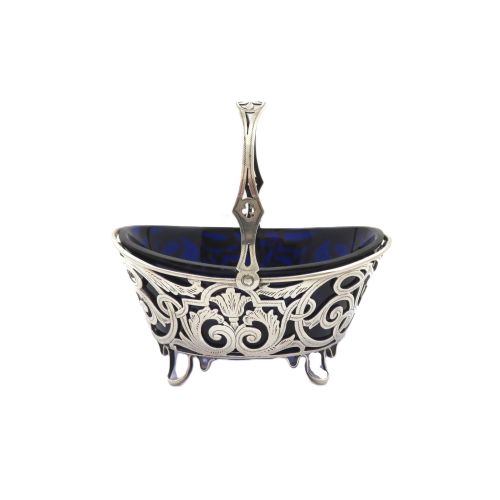
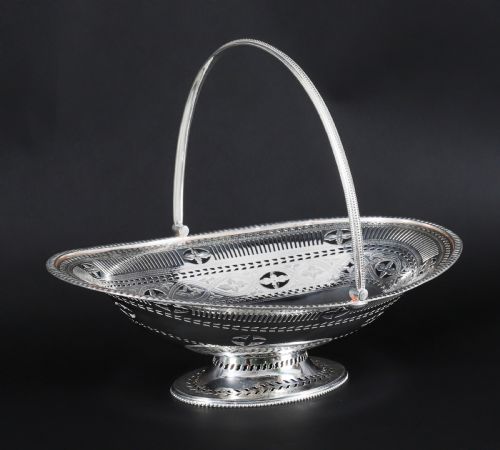
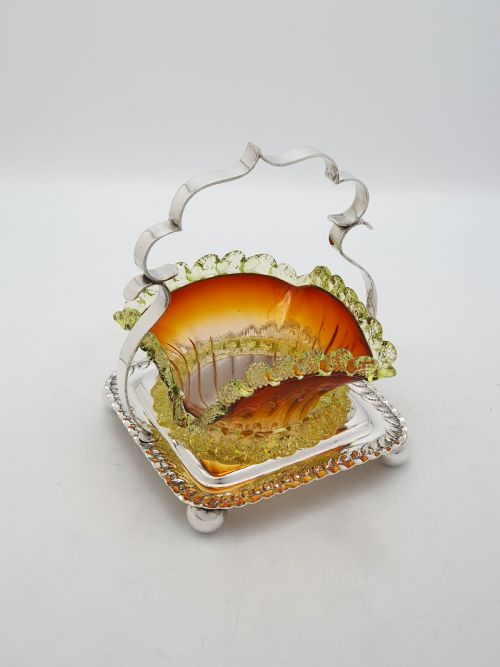
The victorian sugar bowl appears in several distinct formats across this category, ranging from open pedestal bowls and handled baskets to lidded boxes and fitted sets with matching cream jugs. Open sterling silver bowls on foot dominate the selection, often accompanied by sifter spoons or paired within larger tea services.
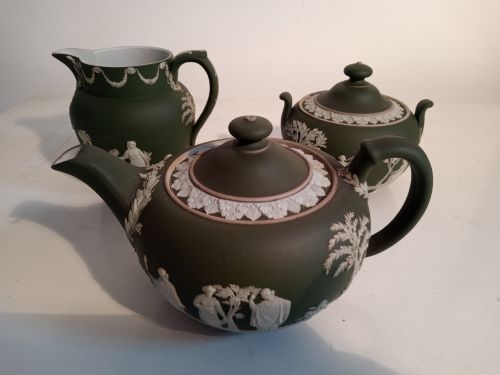
Most pieces date from the mid to late nineteenth century, reflecting the height of domestic ritual surrounding tea. Alongside plain or fluted silver designs, examples in cranberry glass, silver plate, and ceramic wares like stoneware and porcelain expand the variety.
Materials and Techniques
Sterling silver and silver plate form the structural basis for the majority of these vessels, shaped through spinning, casting, and hand-raising. Details such as cast floral handles, intricate wickerwork, and pierced galleries require skilled metalworking techniques.
Glass vessels utilise blown and cased methods, frequently pairing ruby or cranberry glass liners with plated or solid silver mounts. Ceramic pieces employ moulded earthenware, stoneware, and glazed porcelain bodies decorated with transfer prints or applied motifs.
Listings feature sterling silver, silver plate, cranberry glass, and stoneware across nineteenth-century periods.
Craftsmanship and Proportion
Quality rests in the weight of the metal and the crispness of the chasing, piercing, or embossing. Thicker sterling silver walls and well-balanced pedestal feet indicate superior manufacture compared to lighter, thinner press-formed alternatives.
The integration of materials dictates distinction, particularly where glass liners fit snugly into pierced silver baskets or where handles are cast rather than soldered. Makers employing heavier gauge silver or specialist glass show greater attention to durable domestic utility.
Elkington and Co·Edward H Stockwell·W M F·William Neal·Atkin Brothers
The Victorian Sugar Bowl Glossary
- Sterling silver
- An alloy containing 92.5 percent silver by mass, standard for British domestic tableware of this period. It bears hallmarks indicating the assay office and date.
- Silver plate
- A base metal, often copper or nickel brass, coated with a thin layer of silver. Manufacturers utilised this method to offer decorative tableware at a lower cost.
- Silver gilt
- Silver that has been coated with a thin layer of gold on its interior or exterior surfaces. This technique protected the metal from tarnishing by acidic contents.
- Cranberry glass
- A transparent pinkish-red glass created by adding gold chloride to the molten batch. It gained popularity for decorative liners in Victorian silver baskets.
- Imari
- A style of ceramic decoration featuring underglaze blue and iron-red overglaze with gilt highlights, adopted by European potteries from Japanese exports.
Victorian Sugar Bowl: Frequently Asked Questions
What were victorian sugar bowls used for?
These vessels held lump or loose sugar served during afternoon tea and formal dining. They sat alongside matching cream jugs and teapots on the table.
Many included specialised sifter spoons for scattering granulated sugar over fruit or tea. Smaller bachelor versions served single-person settings.
How do I clean silver sugar bowls?
Standard silver cleaning cloths or gentle specialised polishes remove tarnish without harming the metal surface. Avoid abrasive pastes that wear away thin plating.
Glass liners remove easily for separate washing in warm soapy water. Dry all parts thoroughly to prevent spotting.
Are glass liners original?
Many cranberry and vaseline glass liners remain original to their silver baskets, fitting the specific inner dimensions of the pierced metalwork. Hand-blown glass often shows small bubbles and pontil marks.
Replacements do occur because glass breaks easily during domestic use. Examine the fit closely against the inner gallery to check authenticity.
How do I date these bowls?
Sterling silver examples feature British hallmarks that decode to exact assay years. Letter codes, lion passant marks, and maker stamps provide precise chronologies.
Silver plate and glass rely on stylistic evidence such as Art Nouveau motifs or aesthetic movement shapes. These point to broad decades rather than single years.