




Antique Ceramic Sugar Basin
An antique ceramic sugar basin is a table vessel for sweetening tea, combining functional form with intricate period decoration.
Antique Ceramic Sugar Basin
An antique ceramic sugar basin serves as a dedicated vessel for holding loose or lump sugar at the tea table, often accompanied by a matching lid or cover. When individuals search for this phrase, they encounter covered sucriers, two-handled bowls, and open sugar basins spanning from the mid 1700s to the early 20th century.
The most common versions met on this page include porcelain and bone china examples from English factories like Worcester and Spode, alongside earthenware pieces from Staffordshire and stoneware from Doulton Lambeth. These pieces frequently reflect Regency, Victorian, and Art Nouveau styles, capturing the domestic habits of past centuries.
Materials and methods of production
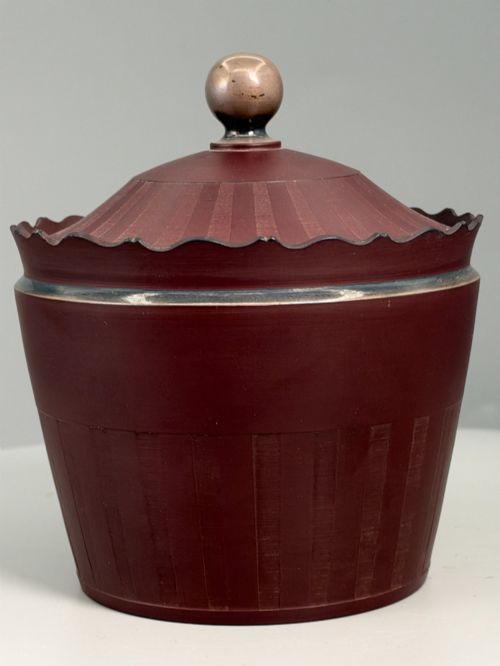
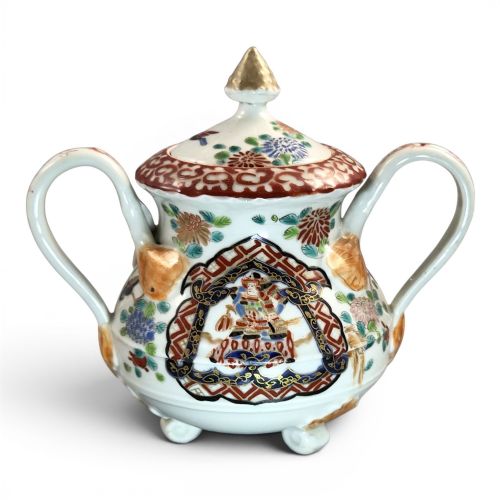
Potters utilised materials such as porcelain, bone china, felspar porcelain, earthenware, and stoneware to form the body of each sugar basin. These ceramic bases were shaped on a wheel or cast in moulds, sometimes incorporating applied elements like lion mask handles.
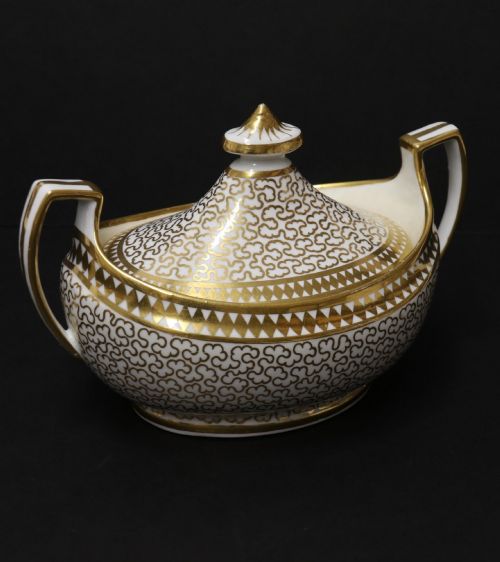
Decoration relied on hand-painting, enamel colours, and the application of gold leaf or gilt highlights. Factories such as Worcester and Spode fired these painted vessels to fix the intricate patterns, including Imari designs and botanical motifs.
Antique Ceramic Sugar Basin Retail Price Guide 2026
Typical asking prices for ceramic sugar basin among the pieces listed under this phrase on Sellingantiques today, from the lower quarter to the upper quarter. They describe what is for sale here now, not the wider market.
Some Staffordshire sugar bowls stare back at you through fierce lion mask handles while holding your afternoon cubes.
Factors of distinction
Quality rests upon the crispness of the ceramic moulding and the precision of the hand-painted or transfer-printed decoration. Pieces displaying finely detailed enamel work or intact gilding demonstrate greater technical accomplishment by the maker.
The presence of a matching cover, original handles, and identifiable factory marks or artist signatures elevates the integrity of the sugar basin. Conversely, wear to the gold leaf or missing lids alters the completeness of the piece.
Chamberlains Worcester·Spode·Fukagawa·Doulton Lambeth·Royal Crown Derby·Ridgway·Shozan·Richard Ginori·Royal Worcester·Worcester Barr Flight and Barr·Coalport
The Antique Ceramic Sugar Basin Glossary
- Sucrier
- A covered sugar bowl or basin used in formal tea service. This term appears frequently in 18th and 19th-century English porcelain listings.
- Felspar porcelain
- A specialised body introduced by Spode containing felspar, which increased the translucency and durability of the ceramic. It represents a technical development in early 19th-century English manufacturing.
- Imari
- A style of ceramic decoration characterised by underglaze blue, iron red, and gilt, inspired by Japanese exports. Victorian iterations adopted this vibrant palette for various sugar bowls.
- Stoneware
- A dense, impermeable ceramic fired at high temperatures, often salt-glazed or finished with utilitarian slips. Doulton Lambeth utilised this durable material for late 19th-century wares.
- Enamel
- Opaque glass-like pigments fused to the ceramic surface through firing. These colours provide the rich decoration seen on painted fruit and patterned sugar basins.
Antique Ceramic Sugar Basin: Frequently Asked Questions
What is the difference between a sugar basin and a sucrier?
A sugar basin is a general term for an open or covered bowl used for sugar at the tea table, while a sucrier is the specific French-derived term often applied to lidded porcelain versions made by English factories in the Georgian and Regency periods.
Both items served the same fundamental purpose during formal tea service, though the term sucrier frequently denotes a piece supplied with its original matching lid.
How were these sugar bowls used originally?
These vessels sat upon the tea table to hold sugar, which was added to tea after pouring from a teapot. Wealthy households utilised lidded sucriers to keep the sugar clean and dry in formal dining settings.
As tea drinking evolved through the 18th and 19th centuries, the form adapted from handled bowls with covers to open earthenware and stoneware basins.
Can I use an antique sugar basin daily?
While these ceramics were designed for domestic use, their age and delicate enamel or gilt decorations mean modern dishwashers and harsh detergents should be avoided. Gentle hand washing preserves the painted surfaces and gold leaf.
Many collectors prefer to display them or use them carefully for dry items to protect the fragile porcelain and stoneware bodies.
How do I identify the period of a ceramic sugar bowl?
Dating relies on factory marks, paste composition, and stylistic cues such as Regency shapes or Art Nouveau ornament. Examining the footring, glaze characteristics, and pattern numbers helps connect the piece to known production eras.
Makers like Worcester, Spode, and Doulton employed specific backstamps and body formulas that correspond to active years of operation.