


Victorian Style Frame
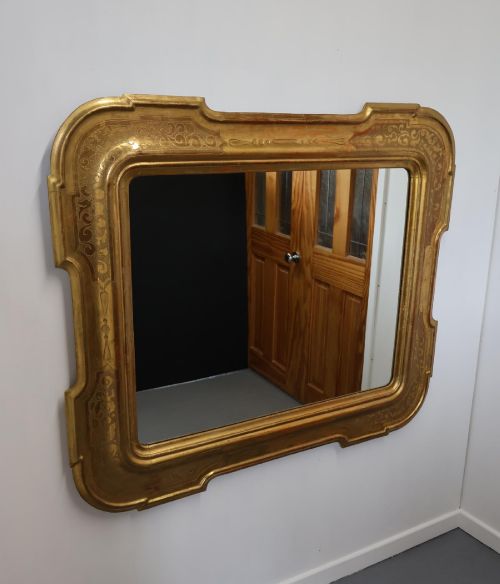
When you search for a victorian style frame, you are looking at mirrors and pictures framed in wood, gesso, and gilt.
Victorian Style Frame
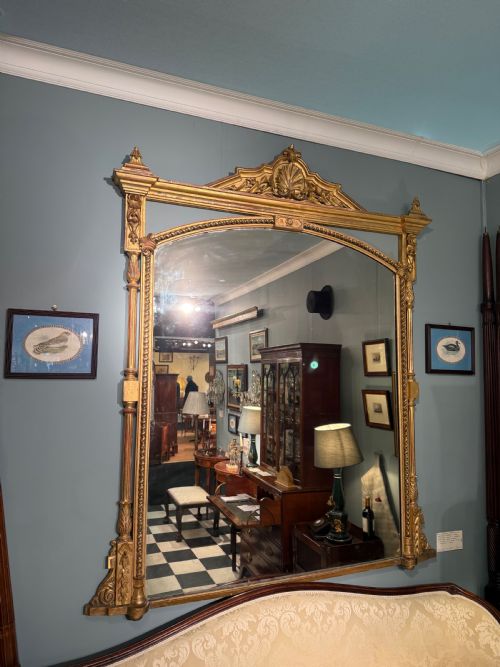
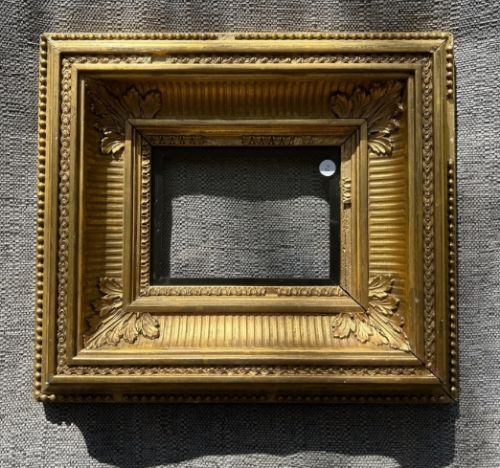
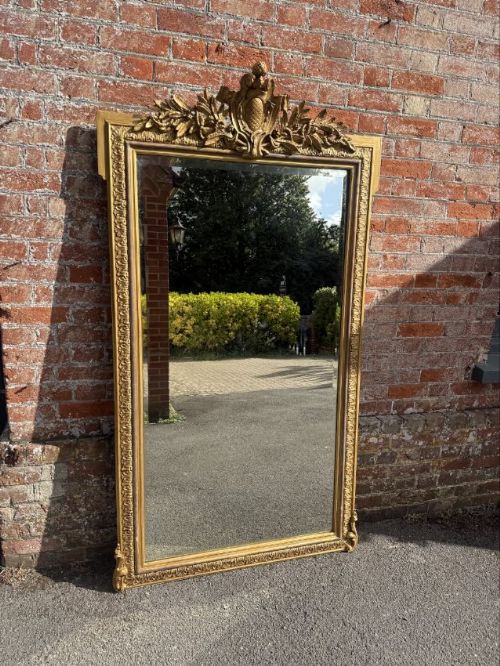
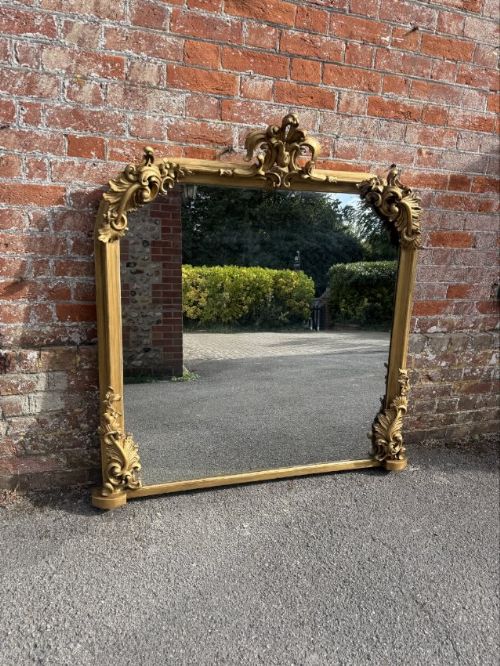
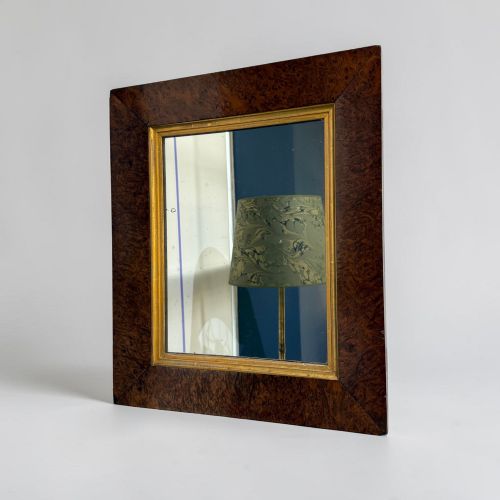
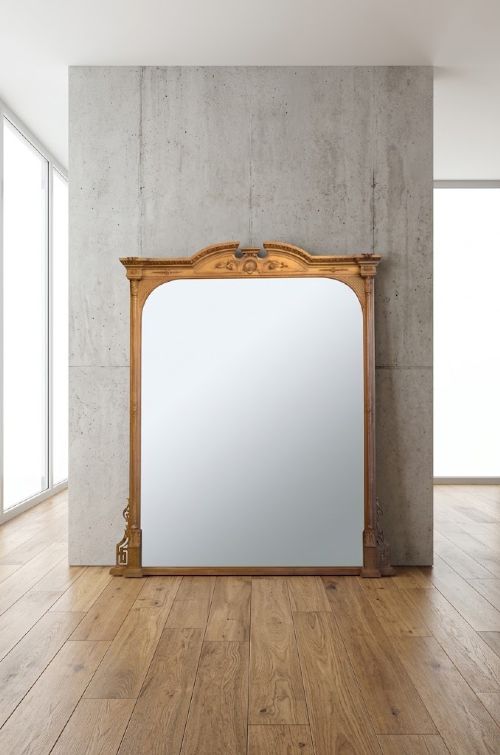
A victorian style frame encompasses large overmantel mirrors, wall mirrors, and picture frames originating from the nineteenth century.
The most common examples on this page are carved wood and gesso gilt overmantel mirrors designed to sit above a fireplace.
Pieces frequently display revival aesthetics such as Rococo, Gothic, and Florentine styles alongside simpler oak or mahogany constructions.
How they were made
Carved wood and gesso form the structural base of these pieces, providing the malleable surface required for ornate moulding and deep relief decoration.
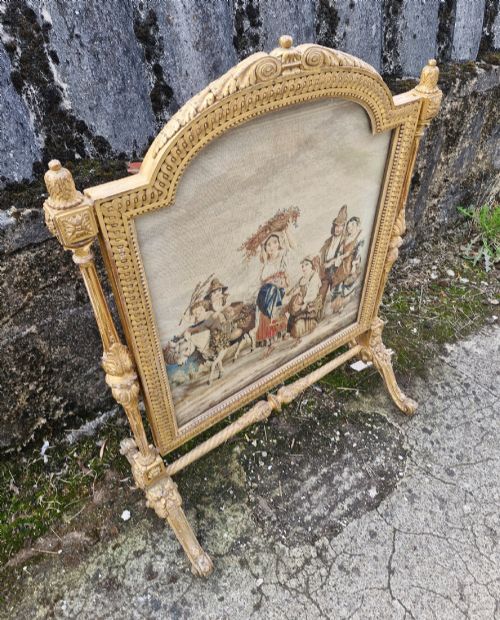
Gold leaf and gilding finish many of the surfaces, applied over layers of gesso to create a reflective and metallic appearance.
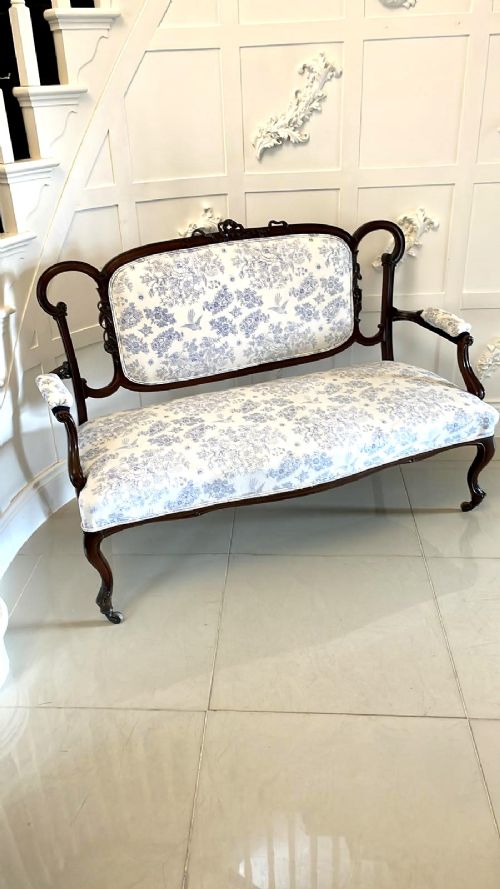
Alternative materials include oak, mahogany, walnut, and cast iron, supporting functional items such as armchairs, daybeds, and photo frames.
The selection includes wall mirrors, overmantel mirrors, picture frames, and seating spanning the Victorian period.
What varies in quality
The depth and crispness of the hand carving dictate the distinction between standard production and superior craftsmanship.
The preservation of the original gesso and gilt surface layer determines the integrity and visual weight of the piece over time.
Howard and Sons
The Victorian Style Frame Glossary
- Gesso
- A plaster mixture applied to wood surfaces as a base for paint or gold leaf. It allows for intricate relief moulding.
- Giltwood
- Timber covered with a thin layer of gold leaf or gold paint. This technique creates a bright metallic finish.
- Overmantel mirror
- A large mirror specifically proportioned to hang on the wall directly above a fireplace mantelpiece. These often feature arched or crested tops.
- Rococo revival
- A design movement drawing inspiration from the asymmetrical scrolls and natural motifs of the eighteenth century. It appears frequently in nineteenth-century mirror and furniture decoration.
Victorian Style Frame: Frequently Asked Questions
How do I hang a heavy overmantel mirror?
These large mirrors carry substantial weight due to their timber and gesso construction. Secure fixings into structural wall studs are essential for safe placement.
Professional wall brackets distribute the load evenly across the frame structure. Avoid relying solely on plasterboard anchors when mounting pieces above a fireplace.
What rooms suit a large gilt mirror?
Living rooms and dining spaces benefit from the reflective qualities of large wall and overmantel pieces. Placing them opposite a window maximises natural light.
They also function effectively in hallways, adding depth and proportion to narrow architectural spaces.
How do I clean a giltwood frame?
Dust surfaces gently using a soft, dry brush to avoid disturbing fragile gesso or leaf. Moisture can damage old gilding and cause the underlying plaster to lift.
Keep pieces away from direct heat sources and damp environments to preserve the finish.
What is the difference between Rococo and Gothic revival styles?
Rococo revival designs feature flowing scrolls, shell motifs, and asymmetrical curves derived from French decorative arts. They offer an ornate and decorative appearance.
Gothic revival pieces draw upon medieval architecture, displaying pointed arches, heavy oak timbers, and structured geometric carvings.