




Vintage Portrait Stand
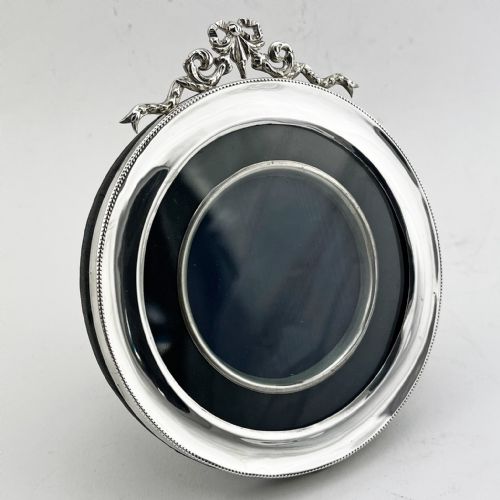
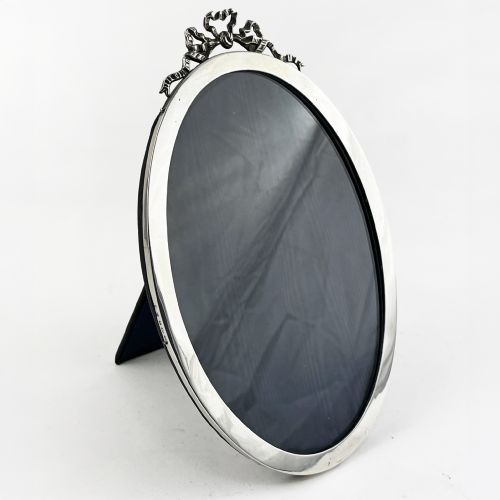
These vintage portrait stand pieces hold likenesses upright, and collectors seek them for their blend of metalwork and display presence.
Vintage Portrait Stand
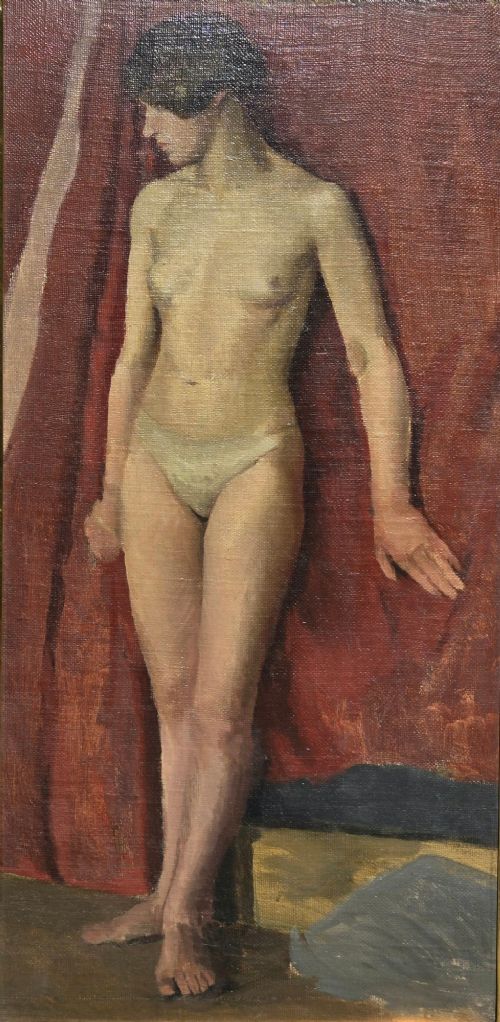
A vintage portrait stand encompasses a variety of display objects, picture frames, and sculptures found across this page. The listings span the nineteenth century through the mid twentieth century, covering periods such as the Edwardian era, Art Nouveau, and Art Deco. Buyers encounter everything from sterling silver photo frames to bronze statues and oil paintings.
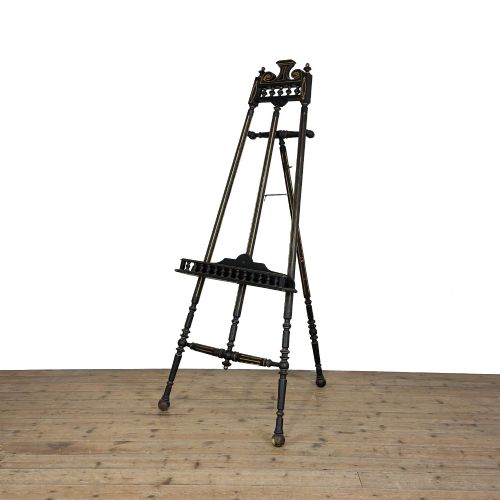
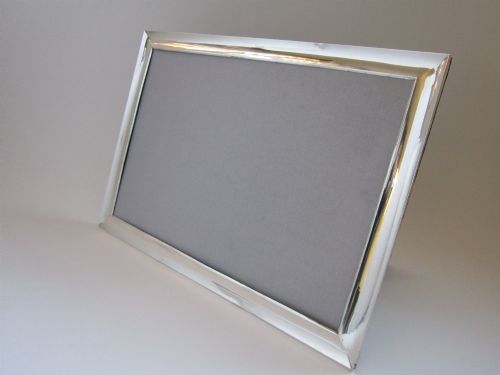
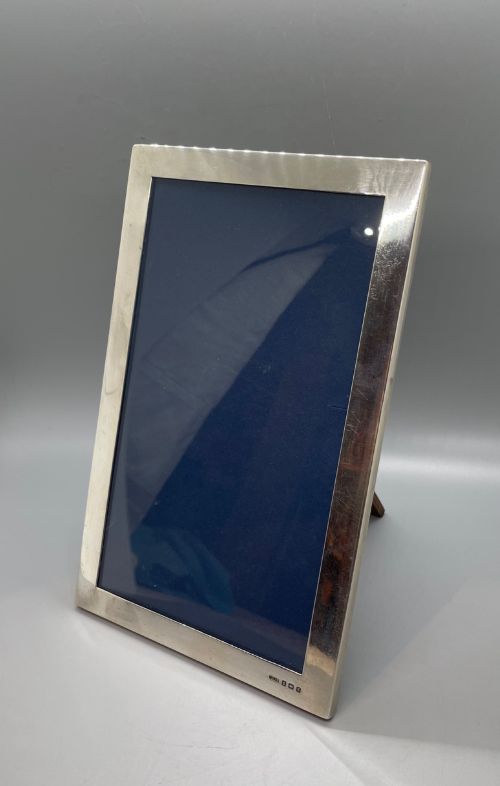
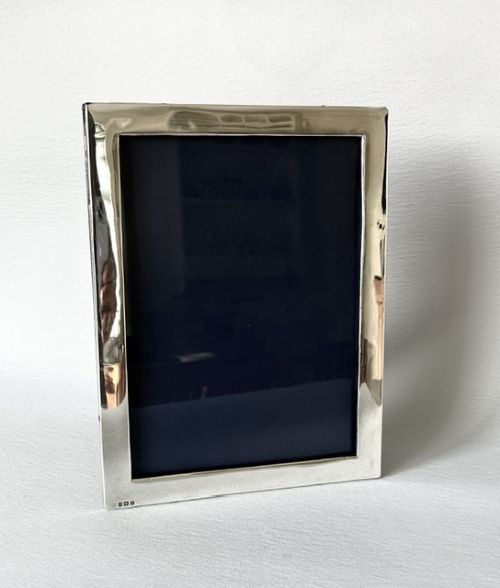
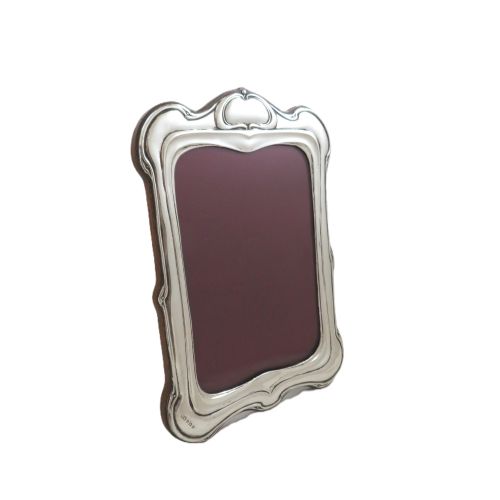
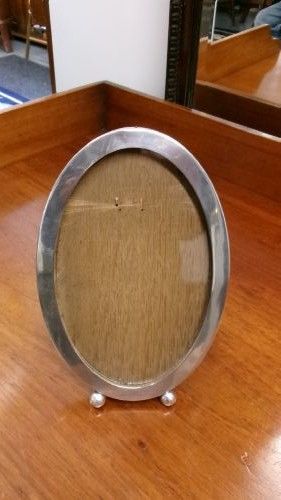
Silver photograph frames dominate the selection, often bearing hallmarks from Birmingham or Chester alongside makers such as Pinci and Moseley. Alongside these frames sit floor standing easels in ebonised wood or oak, plus portrait oil paintings and figural busts. The forms serve both utilitarian display functions and decorative interior roles.
How They Were Made
Silversmiths constructed frames using sterling silver and nickel plated silver, applying techniques like embossing floral borders and engine-turned surface patterns. Workshops combined metals with wooden backs and stands to ensure structural support for upright displays.
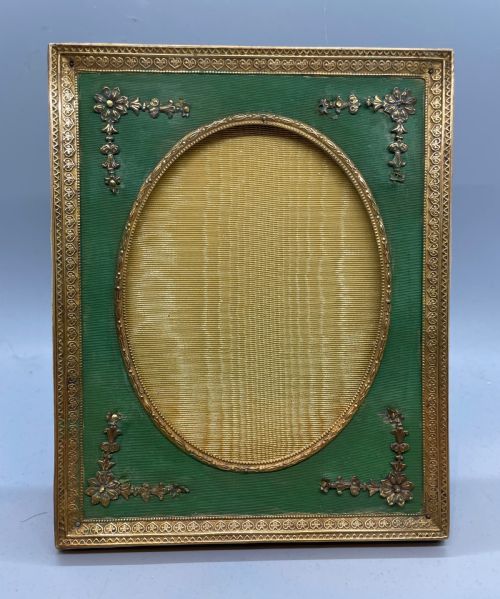
Foundries cast bronze, ormolu, and brass into intricate French Rococo or Art Nouveau shapes, incorporating glass and paste stones. Sculptors and painters worked with oil on canvas, carved wood, and shell cameos set into solid gold frames.
A solitary terrier dog stands perpetually in a walled garden within a nineteenth-century oil painting.
What Varies In Quality
The refinement of surface decoration distinguishes finer examples, visible in crisp silver engine-turning and detailed embossing rather than worn or flat pressings. Cast metal pieces show superior hand-finishing in their chased details and secure stone settings.
Structural integrity matters significantly, particularly in the hinges of two-way frames and the stability of floor standing easels. Superior examples retain original wooden backs, intact glass panels, and legible hallmarks that verify their origins.
Pinci Roma·Moseley·John Emms·Bohumil Rezl·Feridah Francis Forbes Taylor
The Vintage Portrait Stand Glossary
- Hallmark
- Official marks stamped on precious metals indicating the assay office, standard of purity, and date letter. These stamps help buyers verify the origin and period of silver frames.
- Engine-turned
- A mechanical decoration technique producing precise geometric patterns engraved into metal surfaces. This finish appears frequently on twentieth-century photograph frames.
- Ormolu
- Gilded bronze used extensively for decorative mounts and frames during the nineteenth and early twentieth centuries. The technique gives base metal the appearance of solid gold.
- Cameo
- A method of carving an object such as a shell or stone to create a raised portrait relief against a contrasting background. These carvings often sit within fitted metal stands or frames.
- Ebonised
- Wood treated with a chemical stain or finish to imitate ebony. This dark finish defines many Aesthetic style pieces.
Vintage Portrait Stand: Frequently Asked Questions
How do I date a silver photo frame?
Examine the hallmarks stamped along the border or back support to identify the assay office and date letter. Stylistic clues like Art Nouveau whiplash curves or Art Deco geometric lines also point to specific decades.
Makers' marks provide further context when cross-referenced against historical records. Combining hallmark data with construction methods offers a reliable timeline.
What is the difference between a picture frame and an easel?
A picture frame encloses an artwork or photograph directly within a fixed border that incorporates its own support stand. An easel functions as an independent display stand designed to hold panels, canvases, or framed pictures at an angle.
Some larger floor standing easels accommodate multiple display ledges or double-sided frames. Smaller tabletop easels often use adjustable brass or wood mechanisms.
How should I clean silver frames?
Use a soft microfiber cloth and a mild silver cleaning paste specifically formulated for antique metals. Avoid aggressive scrubbing that might wear down embossed details or thin silver plating.
Protect wooden backs and velvet linings from moisture during the cleaning process. Regular dusting with a dry cloth prevents tarnish build-up.
Are these frames suitable for modern photographs?
Most vintage frames accept standard modern photograph sizes if measured carefully before framing. Deeper rebate depths in older frames accommodate modern backing boards and conservation glass.
Ensure the internal dimensions match your print without requiring excessive trimming. Old apertures occasionally vary from standard modern dimensions.