





Victorian Strongbox
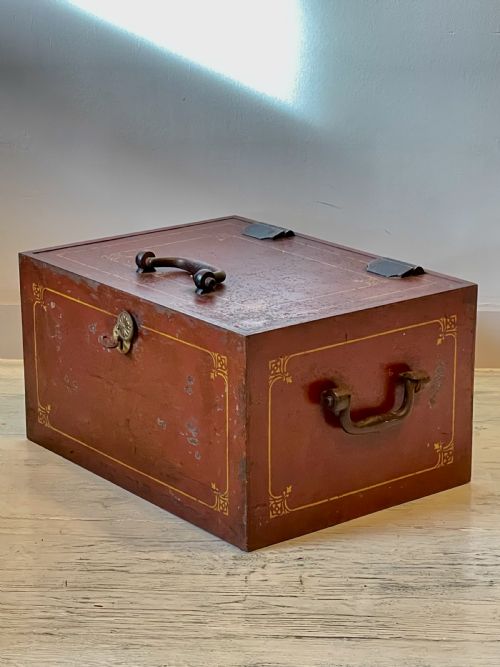
A victorian strongbox is a heavy-duty container built to secure valuables, offering solid iron and oak construction with intricate locking mechanisms for collectors and security enthusiasts.
Victorian Strongbox
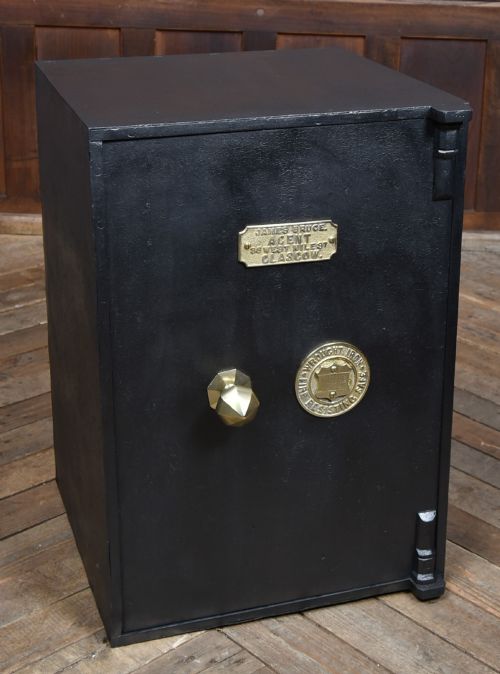
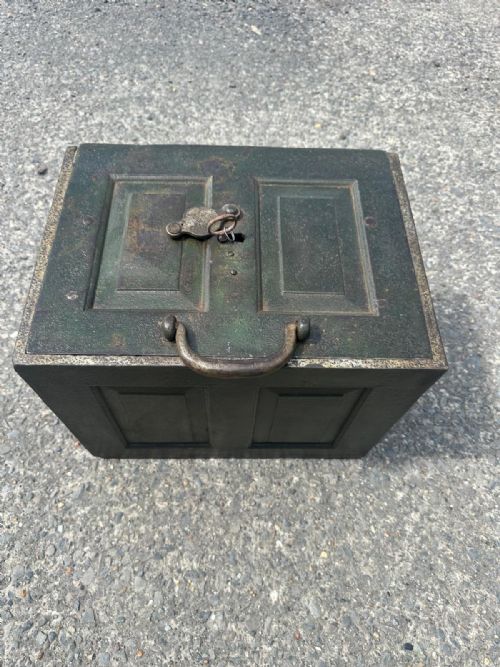
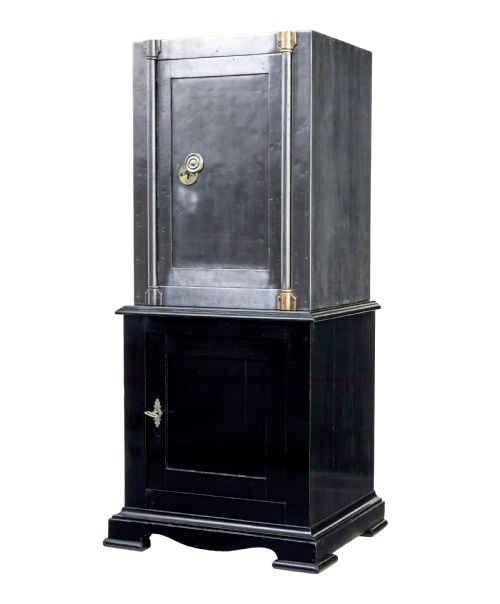
A victorian strongbox encompasses robust deposit cases, heavy cast iron locking safes, and iron-bound silver chests dating from the nineteenth century. These pieces originate from domestic country houses, military posts, and commercial retailers, reflecting the security needs of the era.
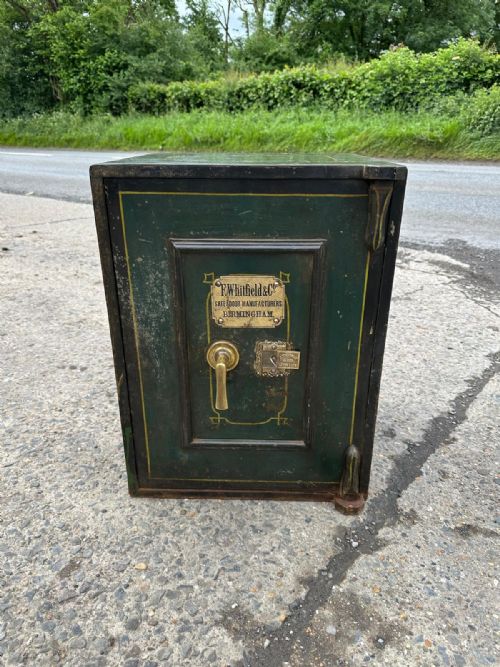
The most common examples encountered on this page are cast iron safes and oak silver chests banded in iron or steel. Many items date across the 1860s, 1880s, and around 1900, showing industrial styles alongside traditional cabinet-mounted forms.
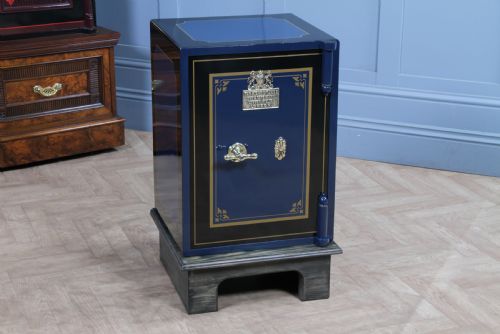
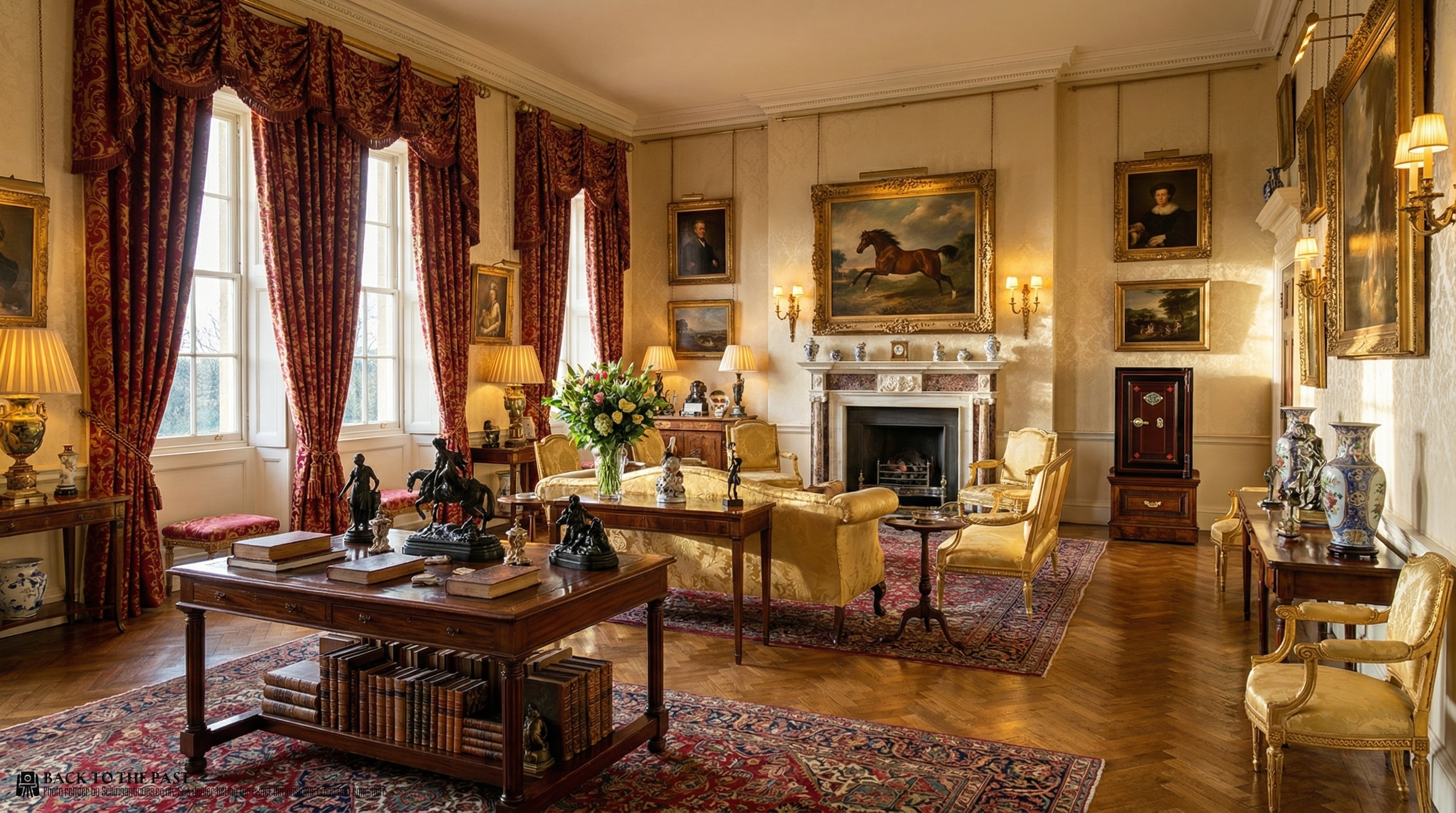
Buyers select these objects for their uncompromising industrial presence and authentic period mechanics. Whether presented as a standalone floor safe or mounted on a walnut or custom stand, each piece serves as both functional security and striking interior furniture.

Materials and Construction
Makers built these containers using heavy cast iron, wrought iron, and sheet iron, frequently combining them with sturdy oak frameworks. Metal bands and straps were riveted or bolted across wooden chests to reinforce the structure against forced entry.
Internal mechanisms relied on complex steel locking assemblies, often paired with brass fittings and manufacturer-engraved plates. Surfaces were finished in original paint, polished steel, or left as heavy industrial iron.
Victorian Strongbox Retail Price Guide 2026
Typical asking prices for victorian strongbox among the pieces listed under this phrase on Sellingantiques today, from the lower quarter to the upper quarter. They describe what is for sale here now, not the wider market.
Listings feature structural materials including oak, cast iron, wrought iron, sheet iron, brass, and polished steel across the nineteenth-century industrial style spectrum.
Assessing Quality and Craftsmanship
Quality rests in the integrity of the original locking mechanisms and the presence of working keys. Superior examples retain their maker plates, original painted surfaces, and unpolished ironwork rather than modern replacements.
The craftsmanship shows in the precision of the iron banding, the weight of the cast body, and whether the piece retains a matching period stand. Fully restored luxury models display meticulous attention to preserving original engraving and operational hardware.
James Bruce·Tanns Defiance·F. Whitfield and Co.·Milners of Liverpool·Chubb·Waring and Sons·George Price·Hobbs and Co
The Victorian Strongbox Glossary
- Strongbox
- A secure metal or iron-bound wooden chest designed for storing valuables, currency, or documents. These boxes often feature heavy internal locking systems.
- Silver Chest
- A sturdy wooden box, typically fashioned from oak and reinforced with metal bands, used by households and silversmith retailers to store tableware. They often include fitted internal compartments.
- Patent Safe
- A security container manufactured under a specific mechanical patent, frequently featuring proprietary fireproof linings and complex levers. Makers registered these designs to prove superior protection.
- Cast Iron
- An iron-carbon alloy poured into moulds to create heavy, rigid structural components for safes and deposit cases. This material provided substantial resistance against break-ins.
Victorian Strongbox: Frequently Asked Questions
What is a victorian strongbox used for today?
Today, these robust iron and oak chests serve primarily as statement decorative furniture pieces in studies, living rooms, and hallways. Collectors utilise them to store modern valuables, documents, or collections while enjoying their industrial aesthetic.
Their heavy construction also makes them effective as unique coffee tables or side cabinets when mounted on stands. They bring genuine nineteenth-century character into contemporary interior spaces.
How do I identify a genuine period safe?
Authentic pieces display heavy cast iron or iron-bound oak construction consistent with nineteenth-century manufacturing methods. Look for maker inscriptions from established firms, period brass hardware, and original mechanical locks.
Weight is a reliable indicator, as genuine strongboxes use thick iron plates rather than modern lightweight alloys. Period wear to the metal and interior wood surfaces also confirms age.
Did these safes protect against fire?
Many examples from the later nineteenth century were marketed as fireproof safes, incorporating specialised internal cavity construction. Manufacturers like George Price and Milners designed their iron deposit cases to withstand high temperatures during domestic fires.
While some retained simple security duties, fire-resistant models featured thick walled iron casing designed to shield paper records and silver from heat.
How should I care for iron and oak furniture?
Maintain iron and steel surfaces by applying a light microcrystalline wax to prevent oxidation and rust. Keep untreated oak away from direct heat sources to prevent the timber from splitting.
Dust the metal bindings regularly with a soft cloth and avoid harsh chemical cleaners on painted or polished iron surfaces to preserve original finishes.