


Victorian Street Lantern
These Victorian street lantern pieces bring authentic period character to outdoor spaces, offering robust architecture and genuine historical presence.
Victorian Street Lantern
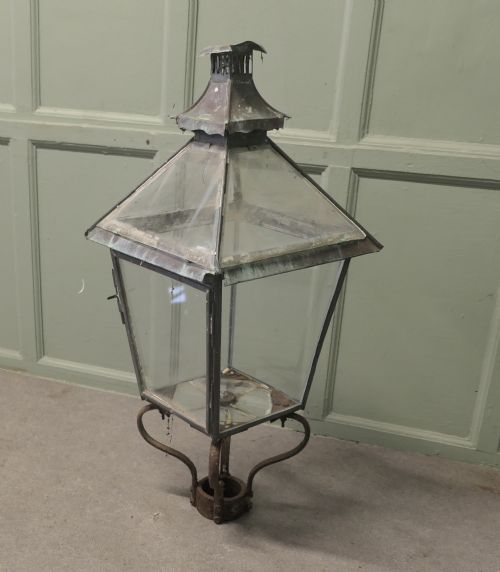
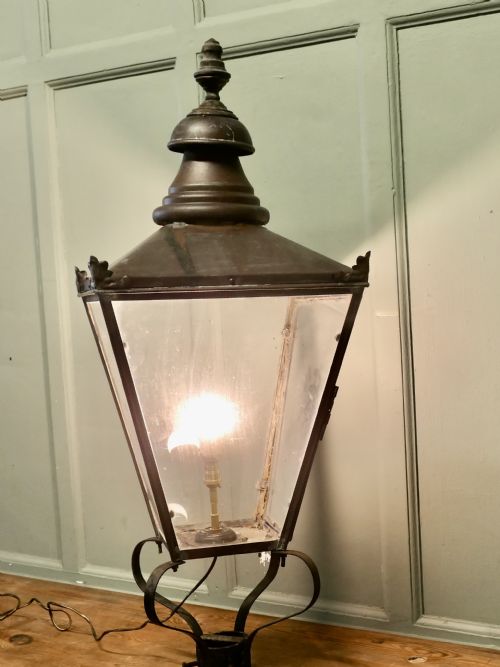
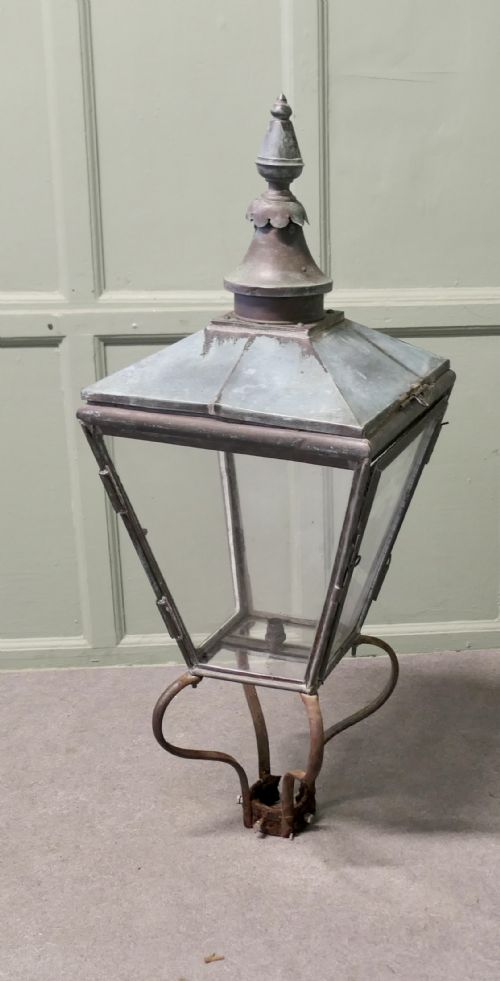
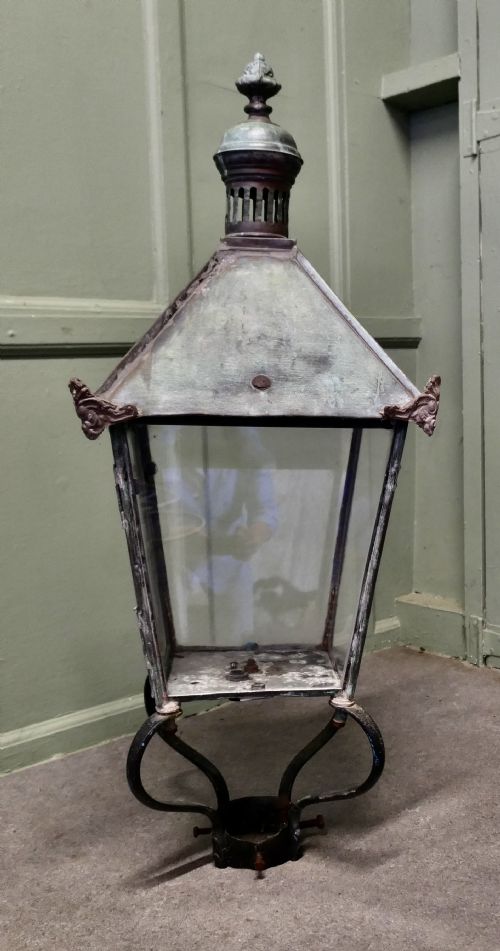
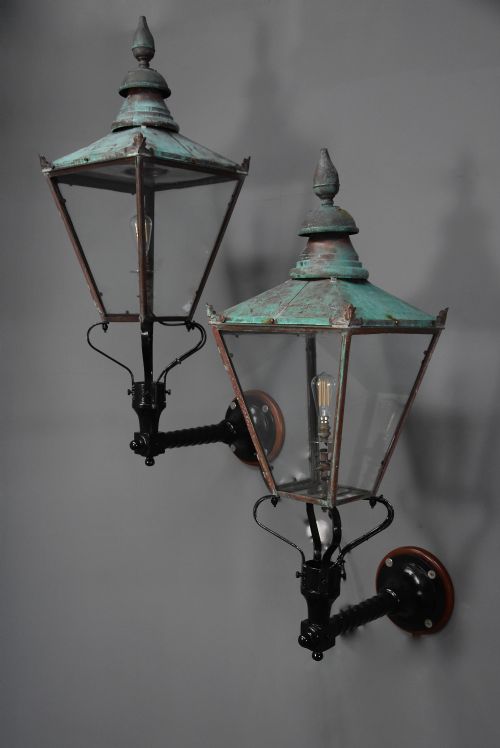
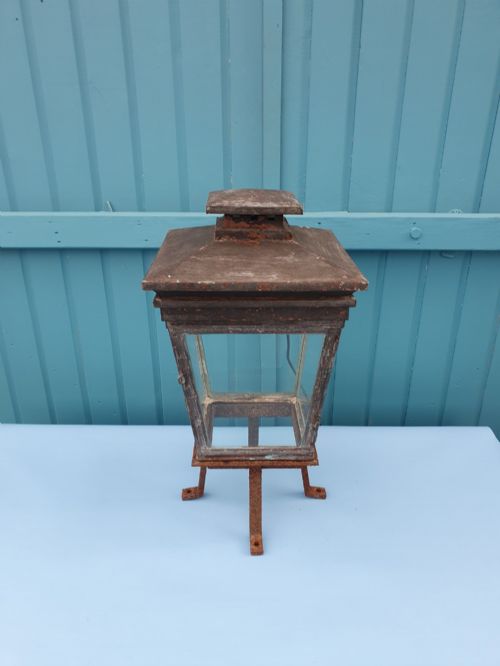
When you search for a victorian street lantern, you are looking at substantial outdoor lighting fixtures designed to illuminate thoroughfares, gate posts, and garden pathways. These pieces originate predominantly from the nineteenth century and the early decades of the twentieth century, carrying the heavy build quality demanded by municipal and domestic street lighting of the era. The versions most commonly met on this page combine glazed panels with metal frames, often adapted from their original gas supply to modern electric fittings.
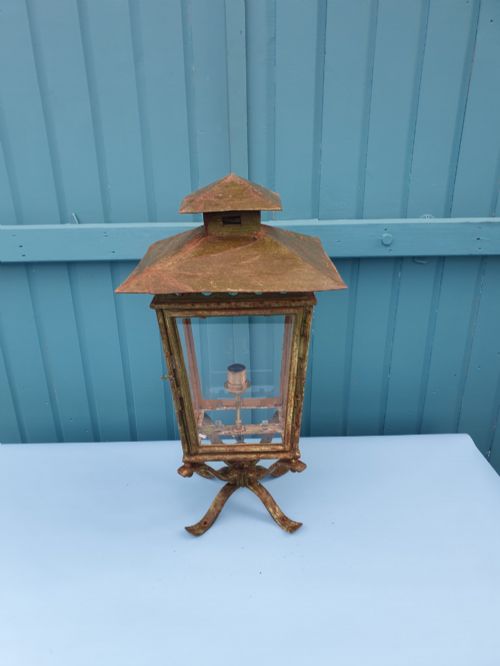
The forms vary from large hanging or post-mounted copper lanterns to complete lamp post assemblies and wall-fixed brackets. Many examples bear the marks of industrial utility, while others display decorative painted finishes in green, black, or gold. Alongside standard street types, you will encounter gate post lights and paired configurations designed to flank grand entrances.
How they were made
Makers constructed these lanterns using durable metals capable of withstanding prolonged exposure to weather, relying heavily on copper, iron, cast iron, and wrought iron. Sheet copper formed the body of many prominent lanterns, joined with soldered or riveted seams to hold large expanses of glass securely. Structural supports often incorporated cast or wrought iron, providing the rigid framework necessary for heavy lamp posts and wall brackets.
Surface treatments included protective coats of paint, as seen on green and black metal examples, which helped prevent corrosion in damp outdoor conditions. Workshops frequently integrated glazed panels using traditional leaded or secured framing methods to protect the flame or bulb within. Later adaptations converted these gas-burning fixtures for electrical use while retaining their original metal and glass housing.
One unexpected slide managed to sneak into the archive among all the heavy iron and copper.
What varies in quality
The distinction between standard utility lighting and superior examples rests in the heft of the metalwork and the complexity of the bracket design. Heavier gauge copper and robust cast iron elements indicate a higher grade of manufacture intended for civic installation rather than domestic imitation. Sophisticated details, such as spiral twist wall brackets or matched pairs, elevate the status of a piece.
Integrity of the original construction and the survival of the primary glass and metal components determine the standing of each lantern. Pieces that retain their original painted surfaces or distinct regional foundry characteristics demonstrate greater historical completeness. The scale of the lantern and the presence of documented municipal origins also differentiate standard utilitarian stock from exceptional survivals.
A Foster And Pullen Bradford·Revo Tipton·We And F Newton
The Victorian Street Lantern Glossary
- Copper
- A durable, corrosion-resistant metal used extensively for the bodies of street lanterns due to its ability to weather outdoors without degrading.
- Cast iron
- A heavy, rigid iron alloy poured into moulds to create strong structural components like lamp posts and decorative brackets.
- Gas conversion
- The modification of an antique lighting fixture from an internal gas burner system to modern electrical wiring.
- Wrought iron
- Iron beaten into shape by hand, providing flexible strength for decorative wall mounts and structural supports.
- Lamp post
- A tall vertical column designed to elevate a street lantern to an effective height for public or estate illumination.
Victorian Street Lantern: Frequently Asked Questions
Are these lanterns wired for electricity?
Most lanterns listed have been converted from their original gas configuration for modern electrical use. Buyers should inspect individual listings to confirm the current wiring status.
Professional electricians can easily adapt these metal and glass fixtures to fit standard garden lighting circuits.
How do I mount a wall light?
Wall-mounted lanterns typically require attachment to a secure exterior brick or stone surface using appropriate fixings. The weight of the copper and iron components demands solid structural support.
Matching brackets, such as spiral twist arms, distribute the load effectively against the wall.
Can these be used outdoors?
These pieces were built specifically to withstand exterior conditions through the use of robust metals like copper and painted iron. Their original purpose as street lighting ensures weather resistance.
Regular maintenance of the metal surfaces helps preserve the antique finish in exposed garden locations.
How do I identify the period?
Dating relies on material combinations, construction techniques, and stylistic markers associated with nineteenth and early twentieth-century manufacturing. The presence of hand-soldered copper seams and cast iron bases offers clear chronological clues.
Makers' marks or specific municipal designs further help narrow down the date of production.