
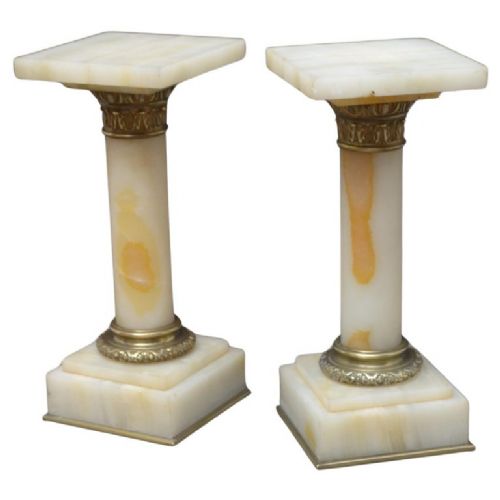


Victorian Stone Pedestal
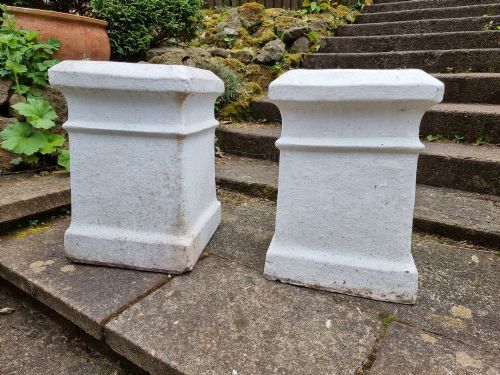
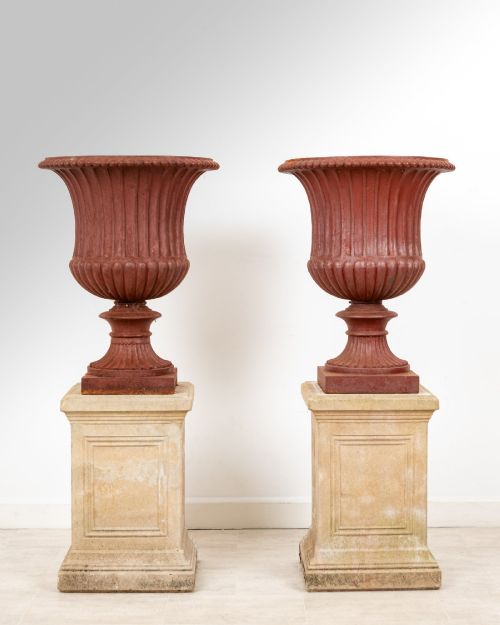
A victorian stone pedestal anchors a sculptural display or garden urn, bringing architectural form and heavy weight to interiors and grounds alike.
Victorian Stone Pedestal
When you search for a victorian stone pedestal, you encounter architectural supports, plinths, and columns designed to elevate urns, busts, and planters. These pieces originate primarily from the nineteenth century, taking forms influenced by neoclassical and Victorian classical revival styles.
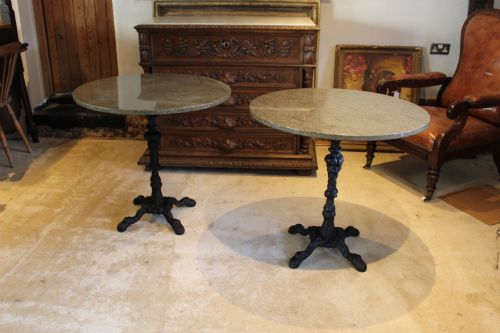
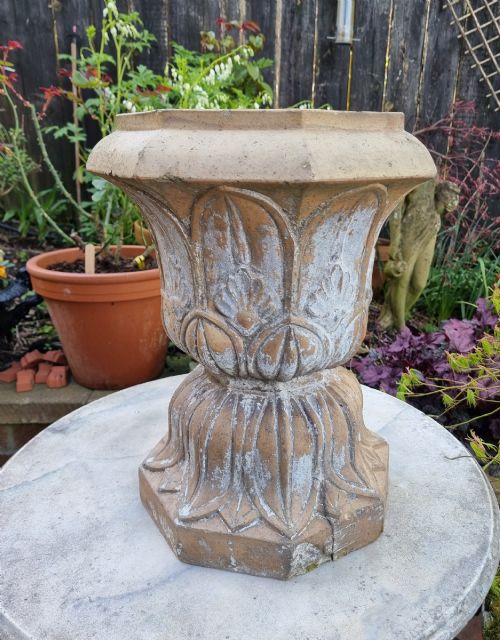
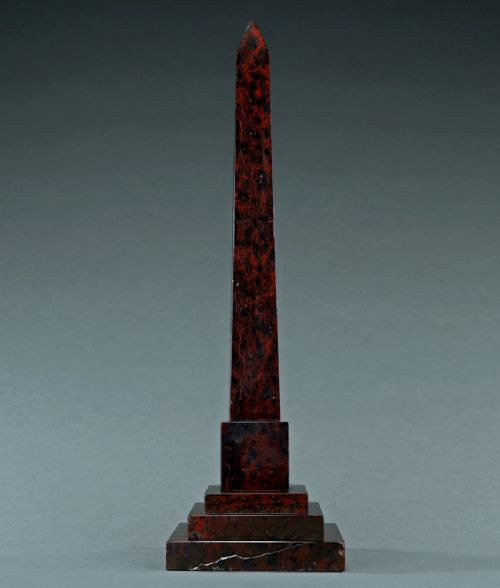
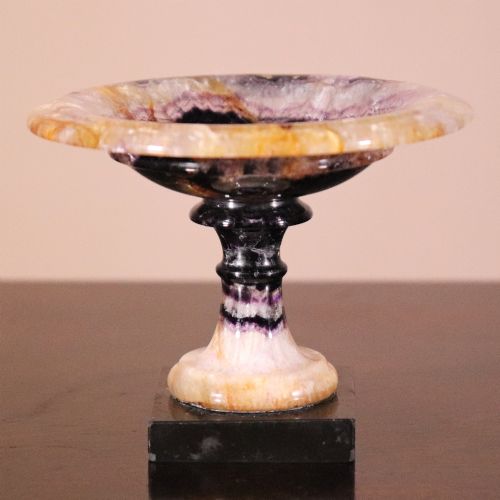
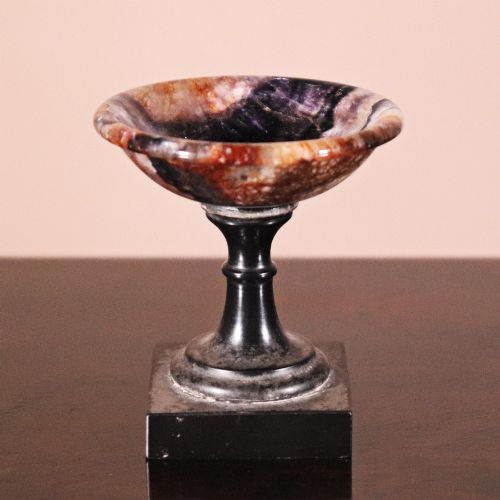
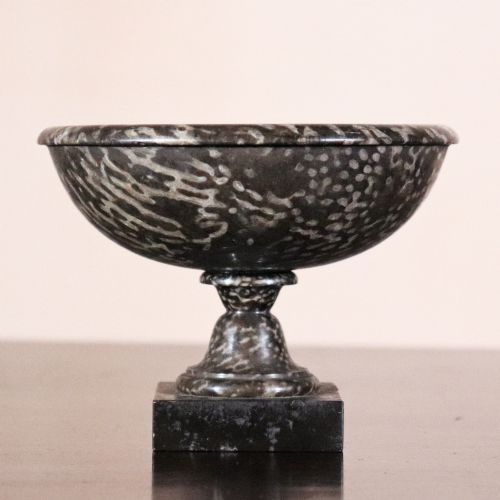
The inventory on this page shows pedestals executed in stone, marble, terracotta, and cast iron, alongside related forms like tazzas and plant stands. You will find items ranging from straightforward stoneware plinths to variegated green marble columns and elaborate garden urns on stone bases.
Many of these objects serve as display surfaces for sculpture or botanical arrangements, functioning both indoors and in gardens or patios. Their presence adds a monumental quality to spaces, drawing on classical antiquity and nineteenth-century taste.
Evaluating quality
Quality rests in the precision of the carving, the selection of figured or specimen marbles, and the integrity of the material. Finer examples display crisp acanthus leaf carving, well-matched stone veining, and substantial weight.
The distinction between standard utility supports and superior examples lies in the architectural proportion and the depth of the revival styling, whether neoclassical or gothic. Weathering and surface age also affect character, where deliberate weathering contrasts with sharp, unblemished historic carving.
Materials span natural stone, alabaster, malachite, terracotta, and cast iron.
Andrew Handyside·John Wenlock Rollins·Eduardo Giolli·Johnstone Jupe And Co·Woodley family
The Victorian Stone Pedestal Glossary
- Campana urn
- A bell-shaped garden vessel with an everted rim, often mounted upon a pedestal or plinth.
- Tazza
- A shallow saucer-like dish or cup mounted on a stem and foot, frequently carved from specimen marble or blue john.
- Plinth
- A heavy base or lower block that supports a column, statue, or pedestal.
- Torchere
- A tall stand or pedestal originally designed to hold a torch or lamp.
- Pietra dura
- An artistic technique using cut and fitted finely coloured stones to create mosaic images.
- Grand Tour
- A cultural journey of Europe undertaken by upper-class young men in the eighteenth and nineteenth centuries, influencing the collection of classical marbles and tazzas.
Victorian Stone Pedestal: Frequently Asked Questions
Where should I place a heavy stone pedestal?
These supports require firm, level ground when used outdoors in gardens or on patios to prevent shifting under weight. Indoors, ensure the floor surface can bear the combined load of the pedestal and any marble bust or urn placed on top.
Position them away from high-traffic areas where accidental impacts might topple top-heavy stone or marble forms. Corner locations or focal points in rooms and landscaped garden paths suit their architectural presence best.
Can these pedestals stay outside year-round?
Stoneware, terracotta, and cast iron variants withstand outdoor conditions, developing natural weathering over decades in gardens. However, freezing water trapped inside porous terracotta or unsealed stone can cause cracking during winter months.
Move delicate alabaster or polished specimen marble pieces indoors during freezing weather to protect their surfaces from frost damage. Protecting them under a porch or patio roof extends the life of more vulnerable materials.
How can I tell a nineteenth-century pedestal from a later copy?
Examine the material composition, tool marks, and overall weight, as nineteenth-century pieces often utilise solid marbles, heavy cast iron, or dense fired terracotta. Look for natural weathering patterns and hand-finished chisel or turning marks rather than uniform modern moulding lines.
Check for period-appropriate styling, such as neoclassical proportions or Victorian classical revival details, which reflect nineteenth-century manufacturing methods. Historical wear around the base and top mounting surfaces also indicates genuine age.