








Victorian Stone Garden Urns
Victorian stone garden urns are sturdy classic ornaments for grounds and terraces, offering enduring architectural presence.
Victorian Stone Garden Urns
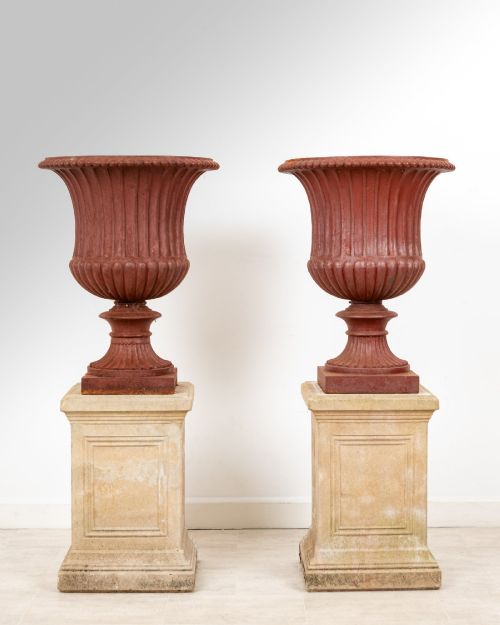
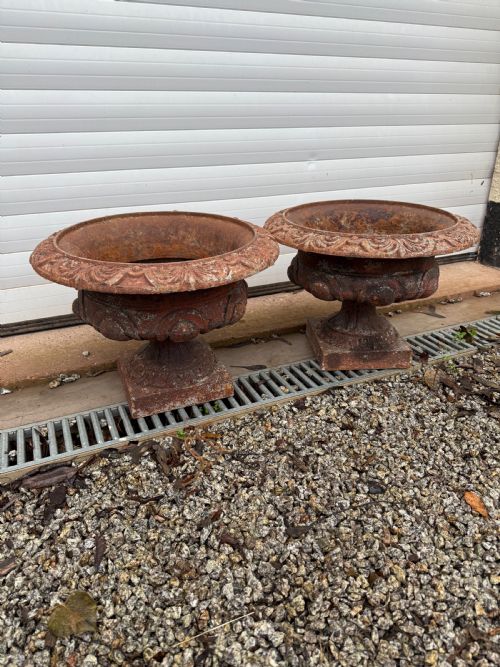
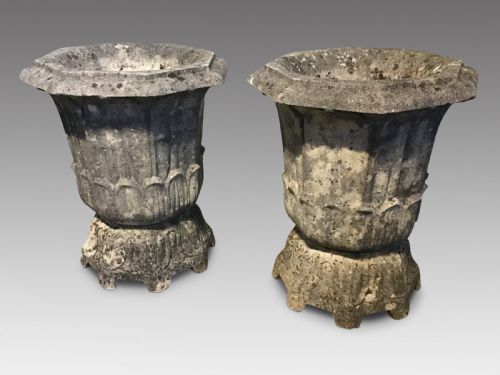
Victorian stone garden urns are robust vessels designed to ornament lawns, terraces, and formal pathways. These pieces incorporate classical and neoclassical forms, often resting upon matching pedestals or plinths to elevate their presence.
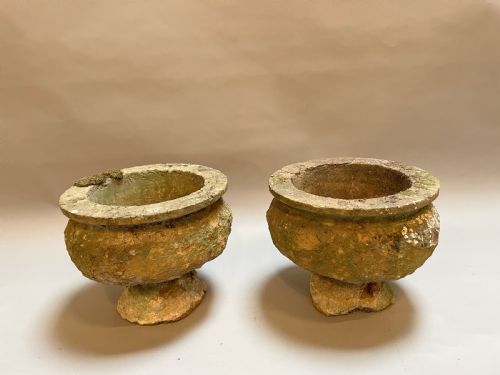
Buyers will encounter variations in materials across the selection, ranging from soft stone and limestone to reconstituted and cast stone. Many examples display the patination and weathering accumulated across the nineteenth century and subsequent decades.
How they were made
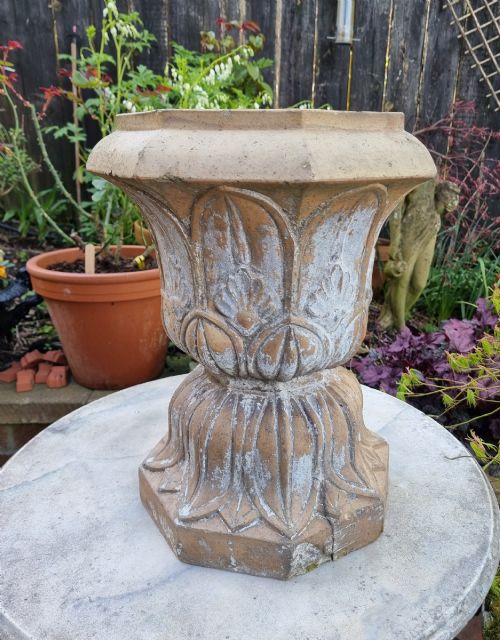
Makers shaped these garden urns using traditional quarrying and carving techniques on natural media such as limestone and soft stone. Selected pieces utilise cast stone or terracotta, formed in moulds to achieve repeatable classical motifs like acanthus leaves.
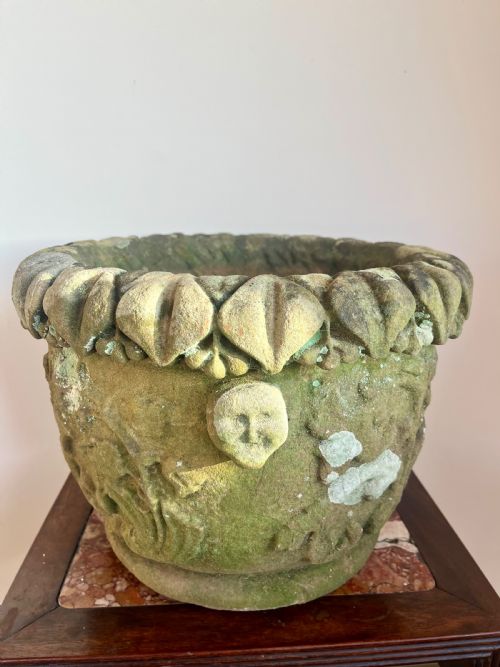
Surface characteristics develop through exposure to the elements, creating natural patination on the stone. Detail work on handles and bodies frequently involves hand carving, as seen in examples featuring carved heads.
The selection includes pieces from the eighteenth, nineteenth, and twentieth centuries, alongside the Victorian period.
What varies in quality
Quality rests in the crispness of the modelled or carved ornamentation and the architectural proportion of the vessel to its pedestal. Softer stone can lose definition over time, whereas superior examples retain sharp relief in details such as foliage and handles.
The integrity of the material and the character of the weathering dictate the visual weight of the piece in a garden setting. Uniformity in pairs also distinguishes finer groups from mismatched assemblies.
Andrew Handyside
The Victorian Stone Garden Urns Glossary
- Campana urn
- A bell-shaped garden vessel with an everted rim, widely produced in the nineteenth century. This form derives from classical antiquity.
- Terracotta
- Fired clay used for garden urns and planters, valued for its warm reddish tone and porous qualities. It often takes on moss growth outdoors.
- Plinth
- A heavy rectangular or square base supporting an urn or pedestal. It raises the vessel above ground level for better visibility.
- Salt glazed
- A ceramic finishing technique where salt is thrown into the kiln during firing, producing a vitreous, glossy coating. This texture resists weathering.
- Patination
- The surface alteration and mellowing acquired by stone or terracotta through age and exposure. Collectors prize natural weathering.
Victorian Stone Garden Urns: Frequently Asked Questions
Are these urns frost proof?
Stone and terracotta vessels withstand outdoor conditions differently depending on their density and composition. Porous soft stone or certain clays require monitoring during severe winter freezes.
Positioning them on plinths helps prevent moisture absorption from standing ground water.
How do I clean weathered stone?
Gentle washing with water and a soft brush removes accumulated dirt without stripping the historic surface. Harsh chemical cleaners damage the natural stone and destroy desirable patination.
Allowing organic growth like lichens to remain is often preferred by collectors for authenticity.
Do urns come with pedestals?
Many examples are offered as pairs complete with matching stone pedestals or plinths. Other listings feature the urns independently, requiring a compatible base if elevation is desired.
Checking individual descriptions clarifies whether a plinth is included in the purchase.
How do I date an urn?
Dating relies on stylistic clues, material composition, and manufacturing marks where present. Nineteenth-century pieces often display neoclassical motifs and traditional hand finishing.
Comparing the degree of weathering and the specific form helps distinguish Victorian pieces from later reproductions.