

Antique Urn Planters
These antique urn planters bring classical form and enduring presence to gardens and interiors alike.
Antique Urn Planters
Antique urn planters encompass a diverse range of vessels designed to display foliage, floral arrangements, and ornamental plants in domestic and garden settings. Buyers seeking these items encounter a variety of forms including traditional garden urns, indoor jardinieres, plant stands, and decorative vases.
The selections span several centuries, with nineteenth-century examples appearing frequently alongside Georgian, Edwardian, and early twentieth-century pieces. Common regional variations include French porcelain and iron vessels, British foundry castings, and Asian bronze or brass works.
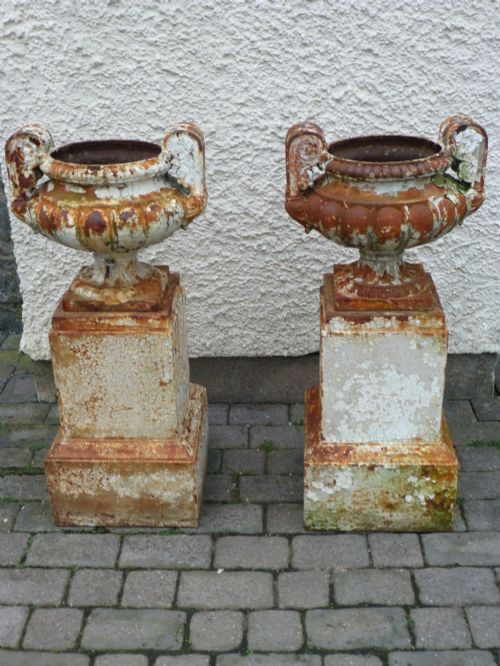
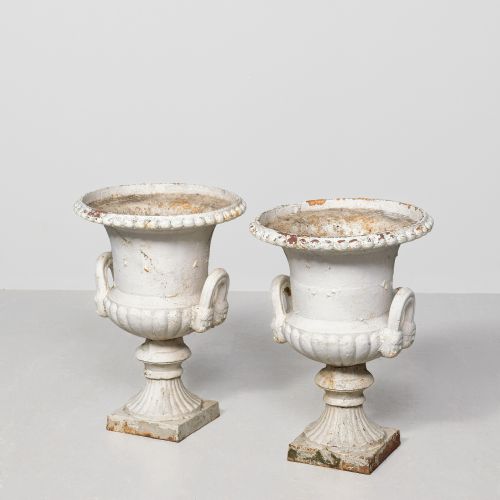
Forms range from grand Campana garden urns on stone pedestals to smaller ceramic and mahogany plant stands meant for interior spaces. This variety allows collectors to source pieces suited for formal lawns, patios, or drawing rooms.
Materials and Construction Techniques
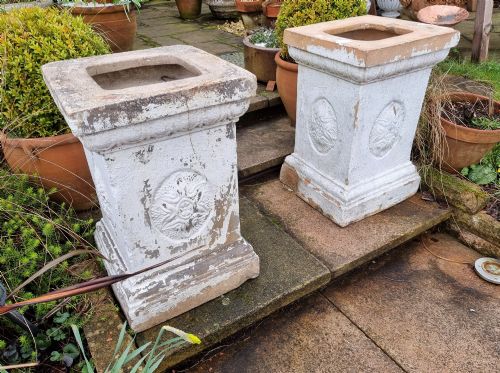
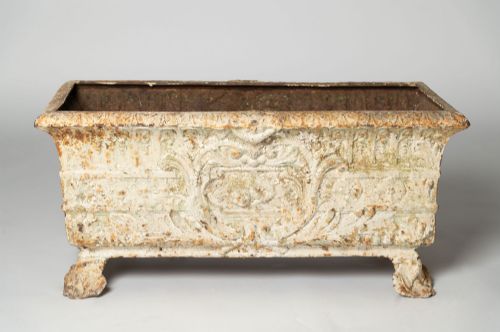
Cast iron represents a primary material for large outdoor pieces, shaped in foundry moulds by notable makers like Coalbrookdale and Carron to produce crisp classical detailing. Terracotta, reconstituted stone, and composite stone offer alternative weights and textures suited to weathering garden environments.
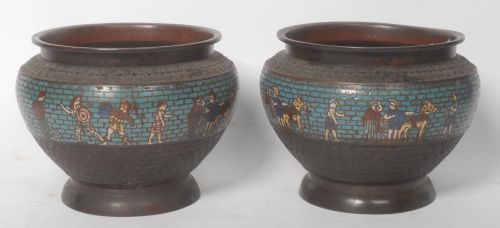
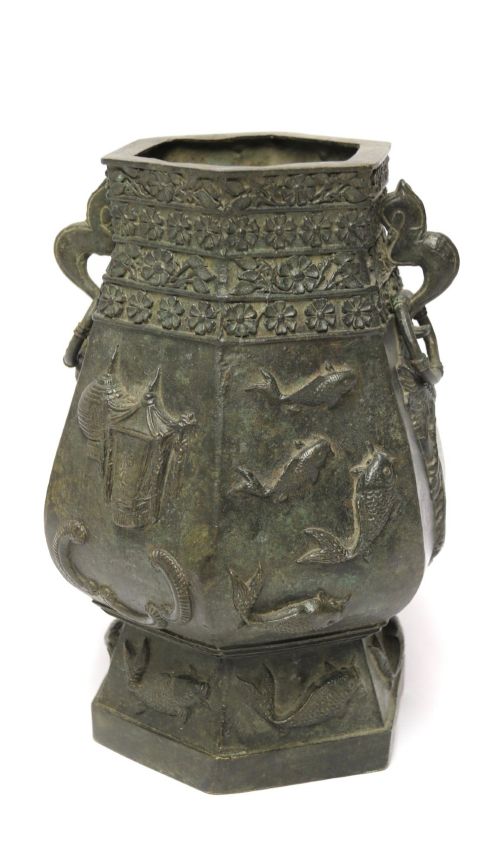
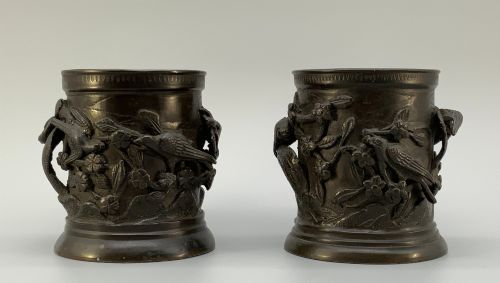
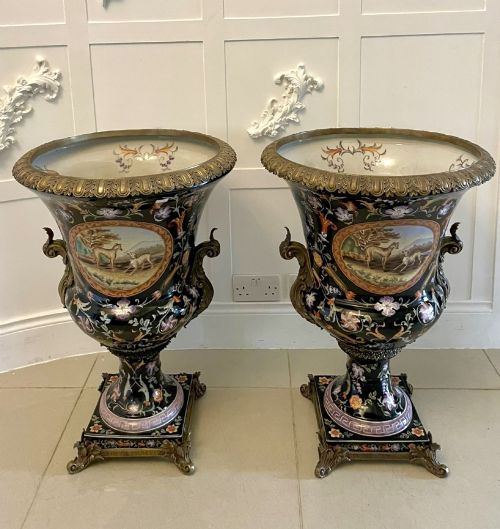
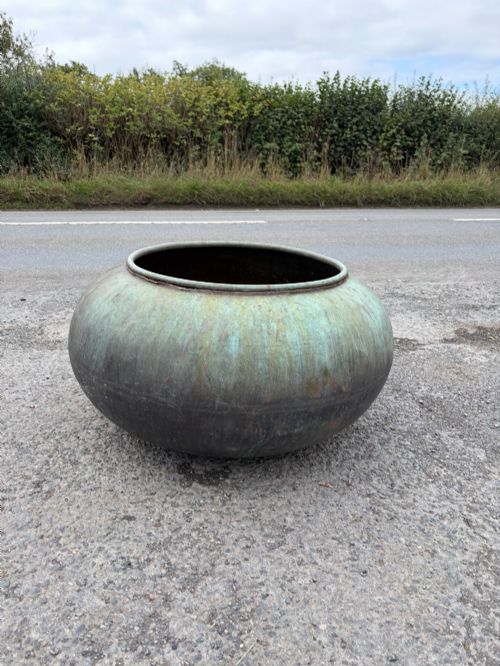
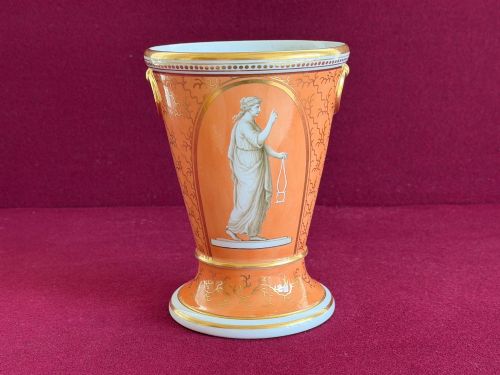
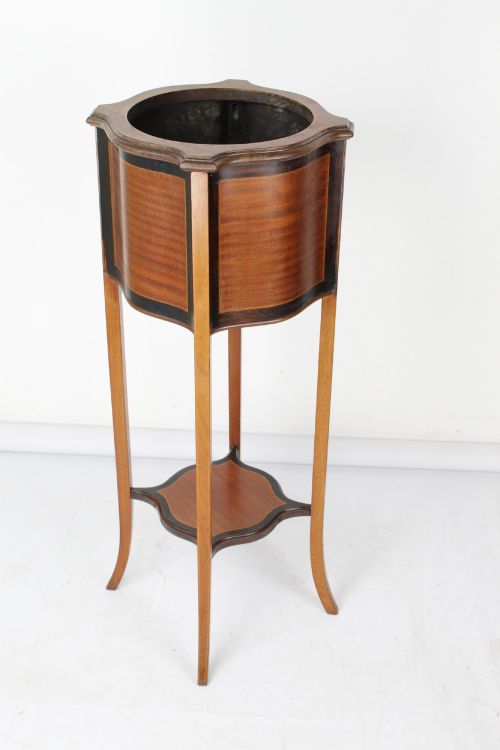
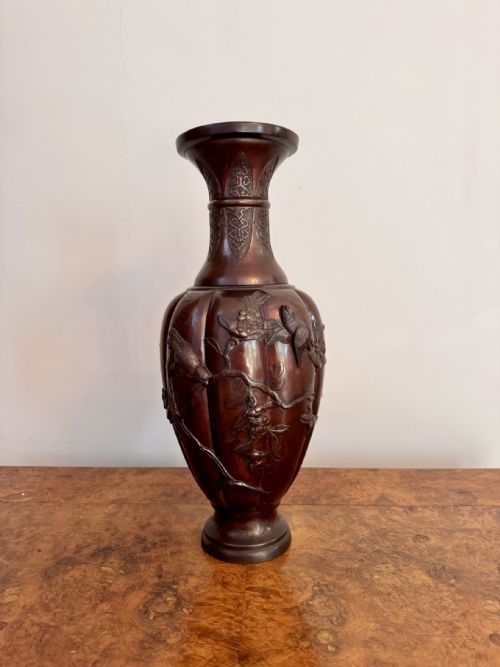
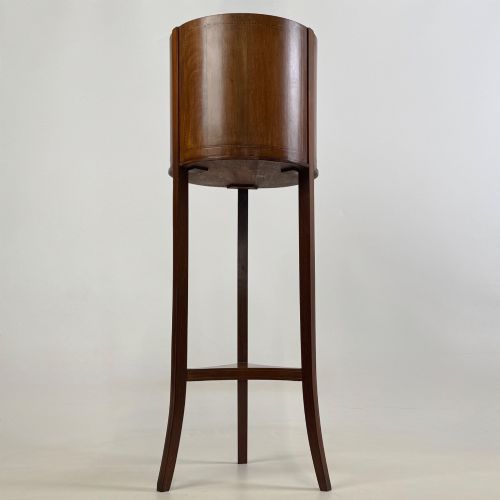
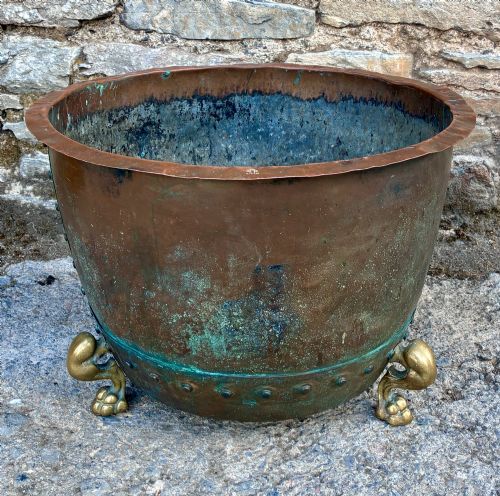
Indoor planters and jardinieres utilise refined materials such as porcelain, polished brass, copper, and mahogany, often incorporating mounts, inlaid woodwork, or hand-painted botanical motifs. Bronze vessels demonstrate advanced metal-casting and embossing traditions, particularly in pieces originating from Japanese Meiji workshops and Chinese foundries.
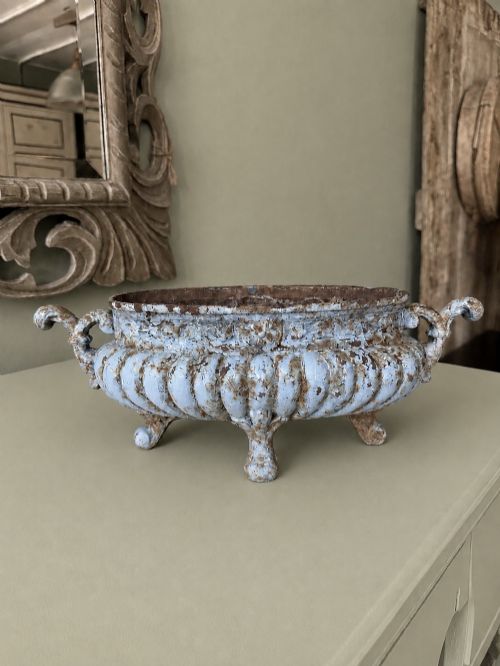
Some nineteenth-century French kitchens utilised heavy cast iron apothecary mortars that now double as robust tabletop planters.
Assessing Craftsmanship and Condition
The distinction between standard utility items and superior pieces lies in the crispness of the cast ornament, the depth of relief work, and the integrity of the original surface patina. Foundries noted for high standards produced iron and bronze vessels with sharply defined acanthus leaves, figural details, and balanced proportions.
Provenance and originality heavily influence the standing of an urn planter, particularly when matched with its original plinth, stand, or brass liner. Intact historical surfaces, whether weathered exterior cast stone or polished interior brass, reflect the authenticity of the object's age and use.
Falkirk Carron foundry·Coalbrookdale·Flight Barr Worcester·Andrew Handyside·Dunfermline Clay Company
The Antique Urn Planters Glossary
- Campana
- A bell-shaped garden urn featuring a flaring rim and a tapered body resting on a pedestal base. This classic silhouette appeared frequently in nineteenth-century British and French gardens.
- Jardiniere
- An ornamental pot or stand designed to hold flowering plants indoors. These vessels often feature decorative ceramic, porcelain, or metal construction.
- Regency
- A British design period spanning the early nineteenth century characterised by classical revival motifs and refined neoclassical proportions. Pieces from this era often display restrained elegance.
- Terracotta
- Fired clay used extensively for garden pots and urns due to its porous nature and warm earthy tones. Over time, terracotta develops a characteristic weathered patina.
- Meiji
- A Japanese historical period marked by exceptional metalworking and bronze casting traditions. Works from this era frequently depict intricate natural scenes involving birds and blossom.
Antique Urn Planters: Frequently Asked Questions
How do I care for cast iron garden urns?
Cast iron urns withstand outdoor conditions well when treated with protective coatings to prevent active rust formation. Regular cleaning helps preserve the weathered surface character.
During freezing winter months, elevating the planters prevents moisture trapped inside the base from expanding and cracking the metal.
Where should I place a mahogany plant stand?
Mahogany plant stands suit interior reception rooms and hallways where temperature and humidity remain relatively stable. Placing them away from direct sunlight protects the polished wood grain from fading.
Using protective saucers inside the jardiniere top prevents water damage to the underlying wooden structure.
Are terracotta urns frost-proof?
Terracotta absorbs moisture from damp soil and surrounding air, making traditional earthenware susceptible to cracking during sustained freezing temperatures. Moving porous terracotta pots indoors or into a greenhouse protects them through winter.
Selecting high-fired nineteenth-century terracotta or composite stone alternatives provides greater resilience against frost.
How can I identify the period of an urn?
Examining casting seams, tool marks, and material composition offers reliable clues regarding an urn's manufacturing era. Nineteenth-century iron vessels often display foundry stamps and distinct patination acquired through decades of exposure.
Stylistic indicators such as neoclassical acanthus relief work or Edwardian mahogany inlay help narrow down the date of creation.