

Victorian Sterling Silver Tableware
Victorian sterling silver tableware brings enduring dining room elegance through crafted silver, cut glass and cobalt blue glass.
What Victorian Sterling Silver Tableware Is
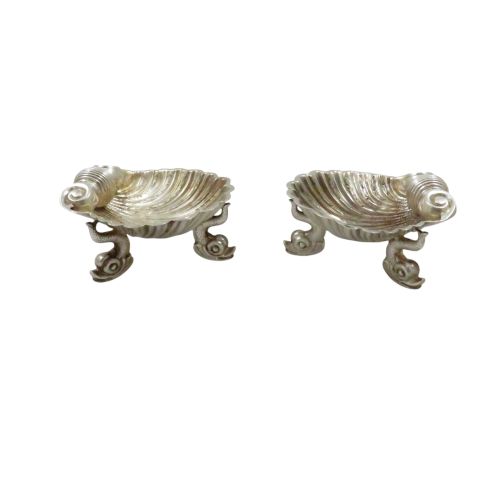
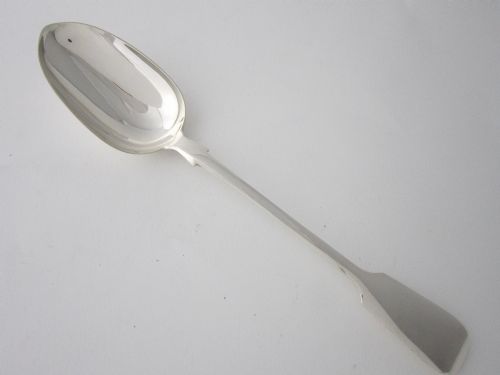
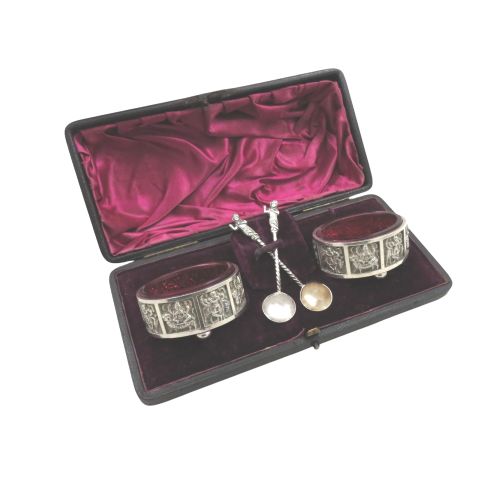
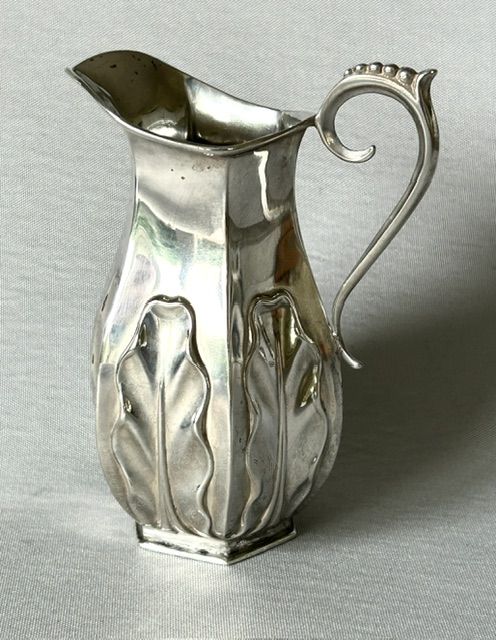
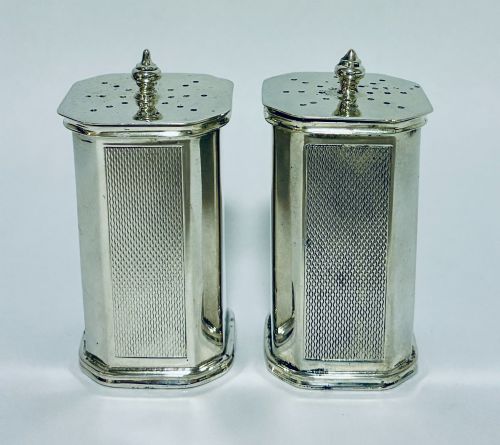
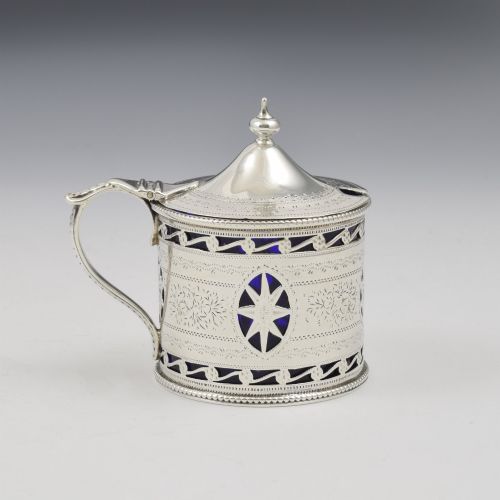
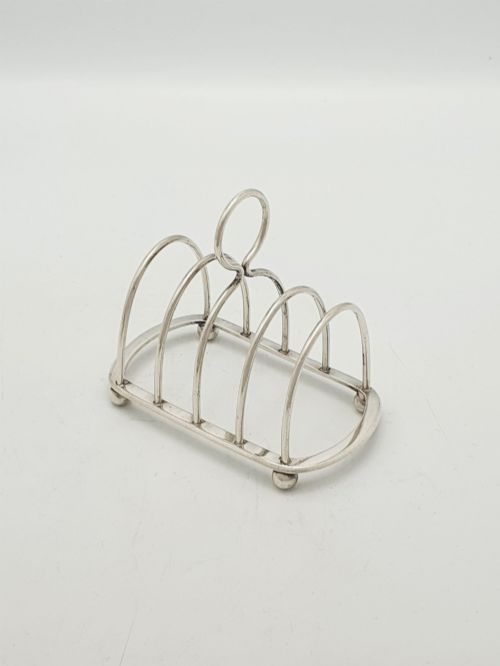
Victorian sterling silver tableware comprises functional dining accessories produced during the Victorian era, spanning specific forms like sugar baskets, cruet sets, sugar bowls, toast racks and mustard pots. These pieces reflect the formal dining habits of the nineteenth century, combining solid precious metal with contrasting materials.
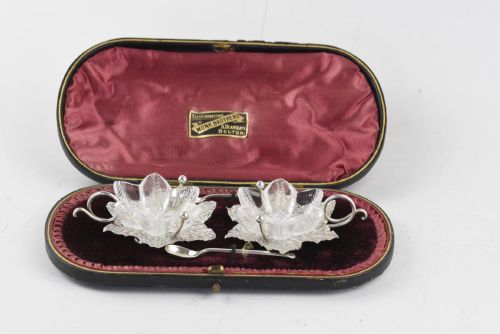
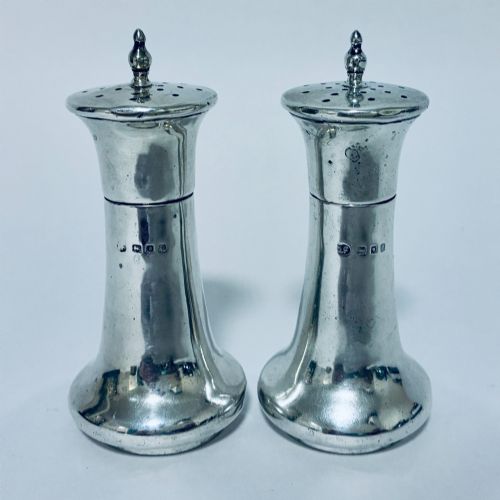
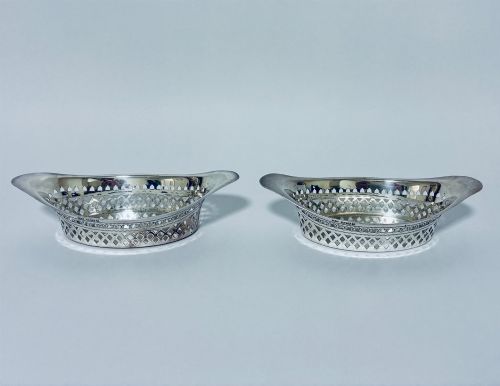
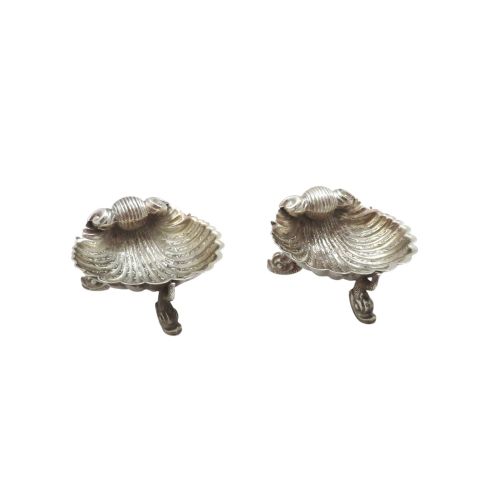
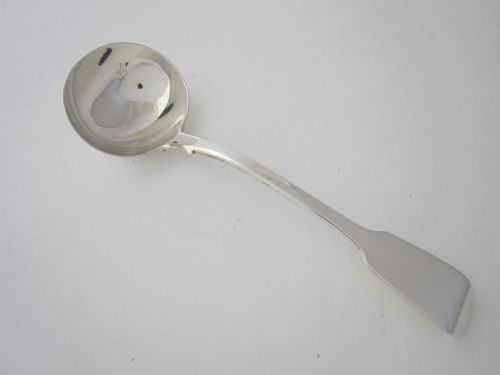
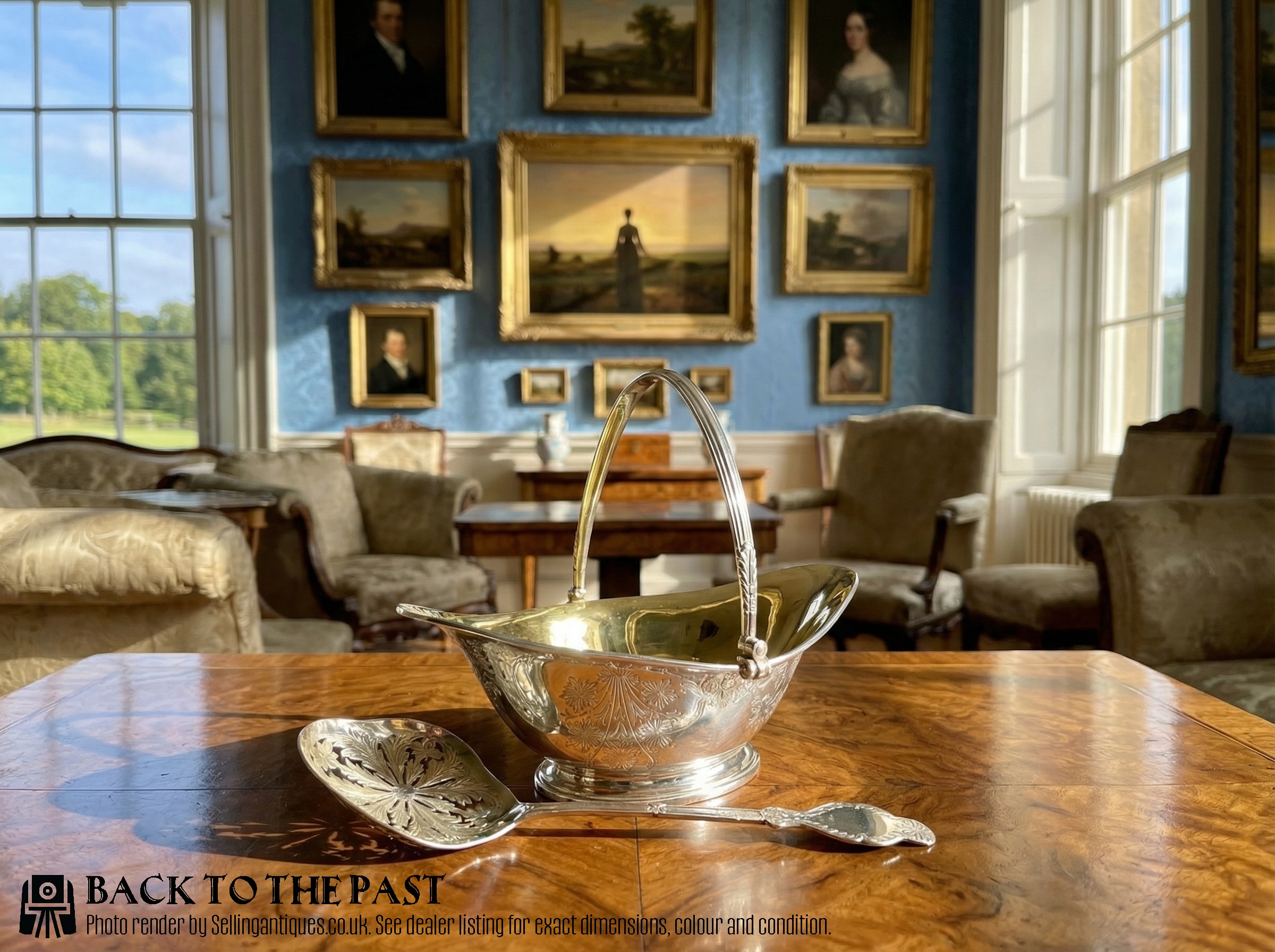
The objects seen here range from sugar bowls with matching sifter spoons to multi-bottle cruet sets and novelty equestrian toast racks. They showcase the diverse domestic requirements of the period, from breakfast service to formal evening dining.
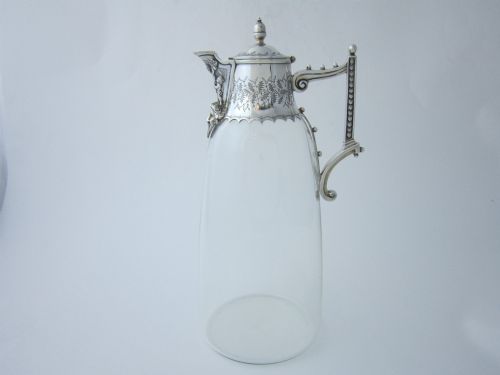
Pieces frequently incorporate coloured glass liners, particularly cobalt blue glass, alongside cut glass and silver gilt interiors. This variety ensures that buyers encounter both practical serving vessels and decorative table centrepieces.

How They Were Made
Makers utilised solid sterling silver alongside specialist techniques such as casting for decorative handles and framework. Artisans combined metalwork with moulded cut glass and blown cobalt blue glass inserts to create composite serving items.
Internal gilding, known as silver gilt, was applied to vessels like mustard pots to protect the silver from acidic contents. Details such as floral motifs were cast separately and integrated into the primary silver structure.
Retail Price Guide 2026
Typical UK retail prices for victorian sterling silver tableware, calculated from the Sellingantiques database of over a million retail prices indexed since 2003. This retail price guide relies exclusively on Sellingantiques data; no external sources or auction records are used, so the figures do not describe the wider market.
What Varies in Quality
Quality in Victorian sterling silver tableware rests upon the sophistication of the casting work and the crispness of decorative detailing, such as floral handles. Substantial gauge silver provides a heavier, more rigid structure compared to lighter alternatives.
The presence of matching original elements, like sifter spoons paired with sugar bowls or complete sets of glass bottles in cruet frames, elevates a piece. Maker attribution to notable silversmiths also distinguishes exceptional items from standard production.
Elkington & Co·Charles Stuart Harris
The Victorian Sterling Silver Tableware Glossary
- Sterling Silver
- A silver alloy containing 92.5 percent pure silver and 7.5 percent other metals, usually copper, ensuring durability for tableware items.
- Cruet Set
- A matched set of bottles or containers held in a frame, designed to hold condiments, oil, vinegar, salt, and pepper at the dining table.
- Toast Rack
- A small metal frame with vertical dividers used to hold slices of toast upright at the breakfast table.
- Silver Gilt
- Silver that has been coated with a thin layer of gold on its surface, frequently applied to the interior of mustard pots and sugar bowls.
- Cobalt Blue Glass
- A deep blue glass produced by adding cobalt oxide to the glass melt, frequently used for removable liners in silver baskets and condiment pots.
Frequently Asked Questions
What is a cruet set?
A cruet set is a frame holding multiple glass bottles for condiments.
These pieces sat on the dining table for self-service during meals.
How do I clean sterling silver?
Clean sterling silver gently using a soft cloth and specialist silver polish.
Avoid harsh abrasives to preserve the original metal surface and any cast details.
Why do some pieces have blue glass liners?
Cobalt blue glass liners provided a striking visual contrast against polished silver.
They also protected the metal from corrosive contents like mustard or vinegar.
What is an equestrian toast rack?
An equestrian toast rack is a breakfast table piece featuring horse-themed motifs.
These novelty designs reflect Victorian interests in rural sports and riding.