


Victorian Sporting Art Print
A victorian sporting art print captures the adrenaline and leisure of nineteenth-century field sports, offering a glimpse into historic equestrian and hunting traditions.
Victorian Sporting Art Print
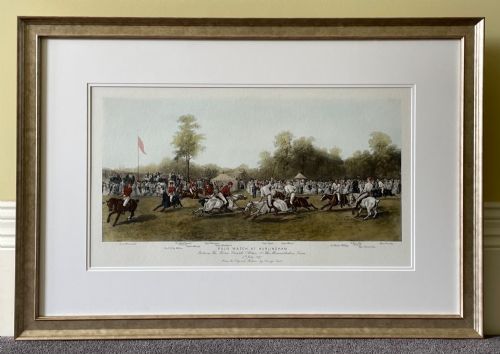
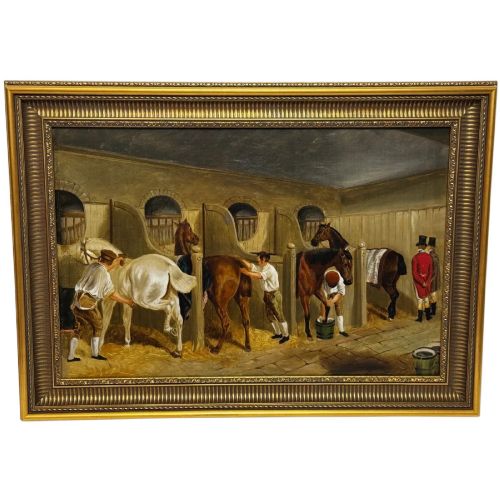
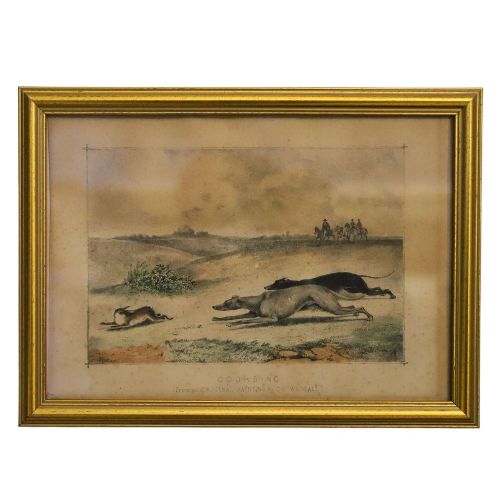
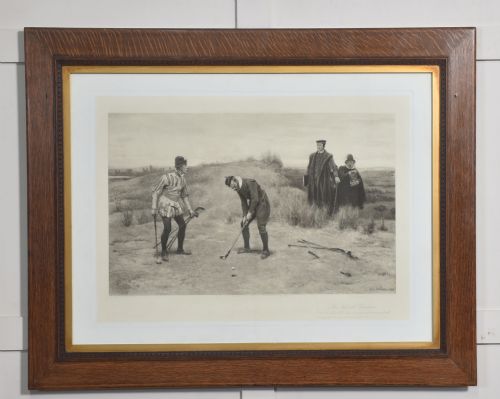
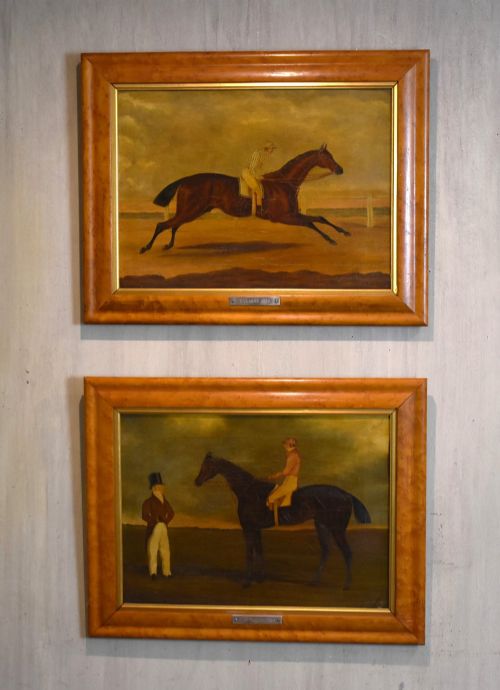
A victorian sporting art print encompasses framed prints, engravings, lithographs, and oil paintings depicting traditional pursuits like horse racing, hunting, polo, and coursing. These works record the leisure and field sports favoured during the nineteenth century, often reflecting the specific aesthetic tastes of the period.
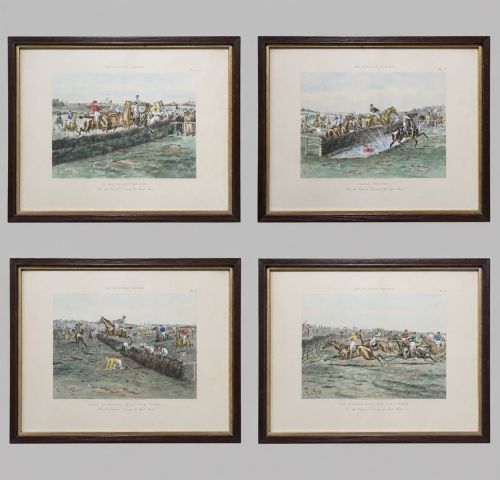
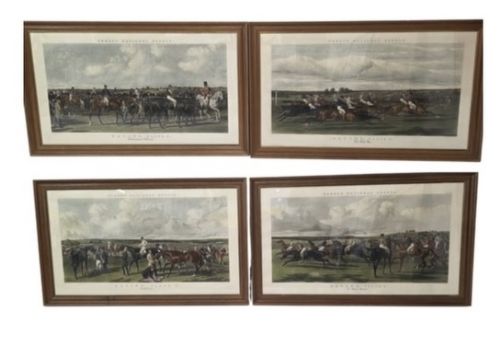
Buyers will encounter single framed works alongside complete sets of four, which frequently depict sequences of races, hunts, or animal studies. The subjects range from formal horse portraits and racing scenes to narrative hunting compositions set in rural landscapes.
Originating largely from nineteenth-century British production, these pieces appear framed in wood, giltwood, and glass. The visual record includes works produced by named artists and publishers, capturing the dynamic movement of hounds, horses, and sportsmen.
Materials and Technique
The works rely heavily on paper surfaces combined with ink, watercolour, and oil paint, utilising printing techniques such as lithography, chromolithography, engraving, etching, and aquatint. Artisans applied hand-colouring or printed pigments directly onto paper to build up the rich tones seen in these rural and sporting scenes.
Framing materials typically consist of wood and giltwood, often protected behind glass to preserve the delicate paper beneath. Gold leaf accents frequently enhance the frames, complementing the darker ink and oil palettes of the Victorian era.
Works span multiple forms including original photographs, watercolours, chromolithographs, and hand-coloured aquatints.
Assessing Quality
Quality rests on the crispness of the impression, the accuracy of the hand-colouring, and the fidelity of the print to the original composition. Stronger examples maintain sharp plate marks, vibrant ink saturation, and clear tonal gradients without fading or heavy foxing.
The integrity of the original framing, particularly the presence of period gilt wood and undisturbed backing, contributes significantly to the overall standing of the piece. Masterful draftsmanship in the depiction of horses, hounds, and human figures distinguishes finer works from routine commercial output.
George Finch Mason·C. H. Weigall·J. C. Dollman·John Frederick Herring Snr·Alfred Wheeler·Charles Faulkner·James Dobie·Frank Dadd·Charles Hunt·Francis Calcroft Turner
The Victorian Sporting Art Print Glossary
- Aquatint
- An intaglio printmaking technique that produces tonal areas resembling watercolour washes. It was frequently utilised in sporting prints to render atmospheric skies and rolling landscapes.
- Chromolithography
- A planographic colour printing method using multiple lithographic stones, one for each colour. This technique allowed Victorian publishers to produce vibrant, multi-coloured sporting plates.
- Engraving
- A printmaking process where an artist cuts lines directly into a metal plate with a burin. The resulting impressions yield fine, precise details suited to complex hunting and racing compositions.
- Lithography
- A printing method based on the chemical repulsion of oil and water on a flat stone or metal plate. It became the dominant medium for reproducing popular nineteenth-century narratives and portraits.
- Giltwood
- Wood that has been carved and coated with a thin layer of gold leaf or gold paint. Victorian frames utilised this finish to add decorative weight to framed art.
Victorian Sporting Art Print: Frequently Asked Questions
What subjects do these prints show?
The subjects focus primarily on nineteenth-century field sports, including horse racing, fox hunting, polo matches, shooting, and coursing greyhounds. Many depict specific historic animals, huntsmen, and sporting events.
Additional themes include genre scenes, canine portraits, and athletic competitions such as running races and cricket matches.
Are these works original period pieces?
The selection comprises original nineteenth-century and early twentieth-century productions, including period lithographs, engravings, watercolours, and oil paintings. They date from the Victorian and Edwardian eras.
Publishing dates and artist signatures inscribed on the paper often help anchor the timeframe of the specific print or painting.
How should I display framed prints?
Framed works on paper require placement away from direct sunlight to prevent the fading of inks and watercolours. Stable indoor humidity levels protect both the paper and the wooden or gilt frames.
Hanging them at eye level in well-lit hallways, studies, or living spaces highlights the fine details of the engraving or lithographic work.
Why are some prints sold as sets?
Many Victorian sporting publishers issued prints in matched sets of four to tell a sequential story of a hunt, race meeting, or seasonal activity. Keeping them together preserves their original narrative format.
Collectors often seek out complete sets because they represent the publisher's intended visual display.