


Victorian Spindle Back Chairs
Victorian spindle back chairs are sturdy 19th-century seating options crafted for everyday utility, offering traditional character to modern dining rooms.
Victorian spindle back chairs
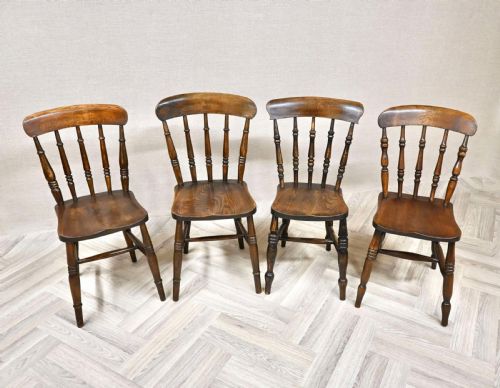
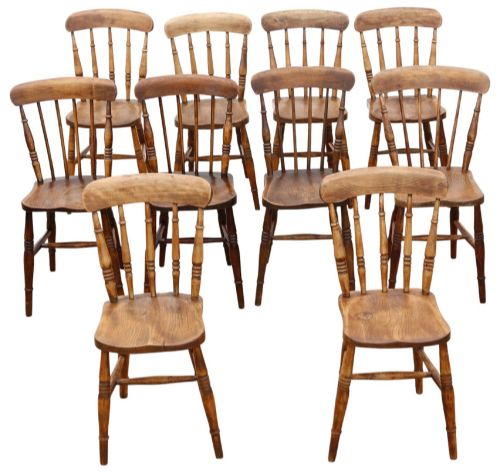
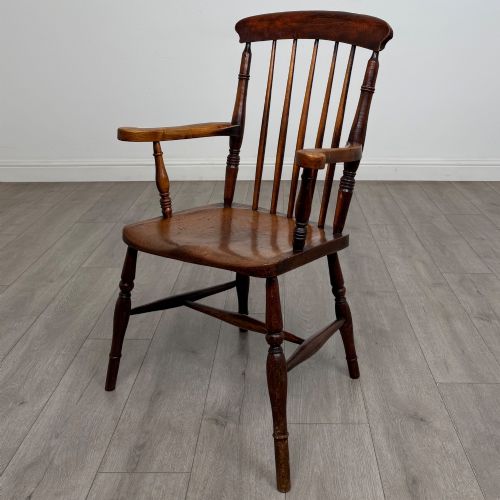
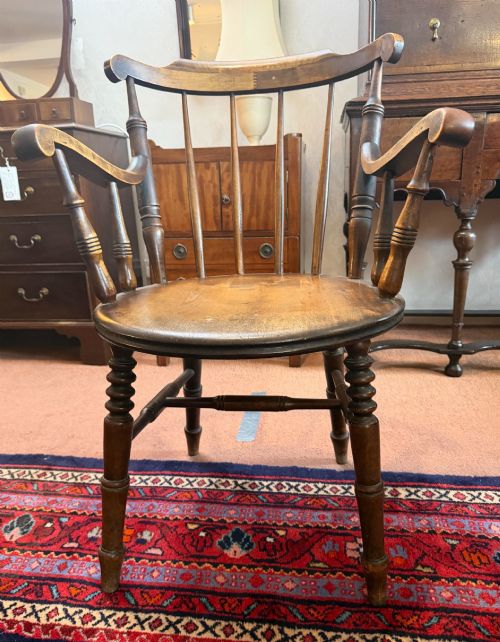
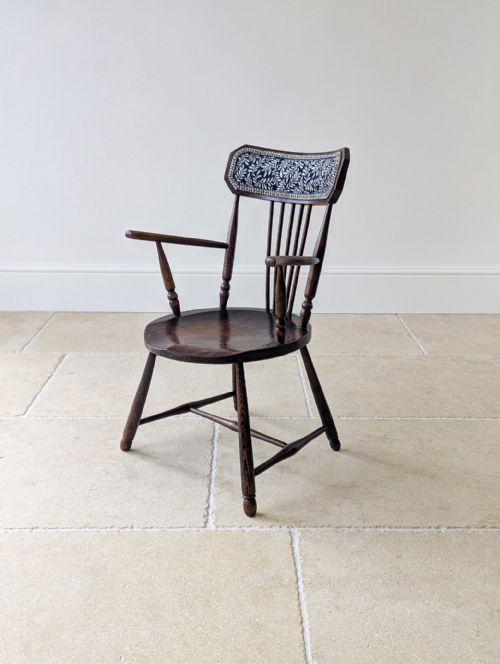
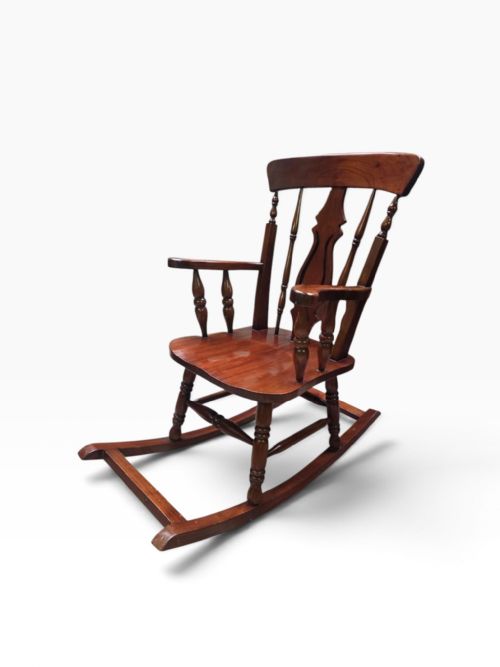
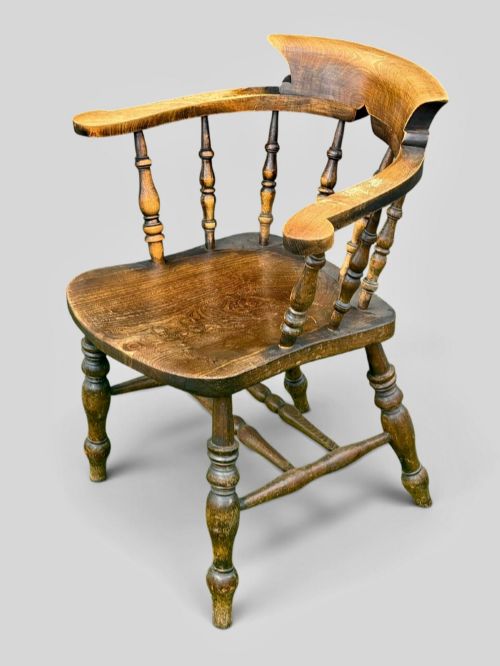
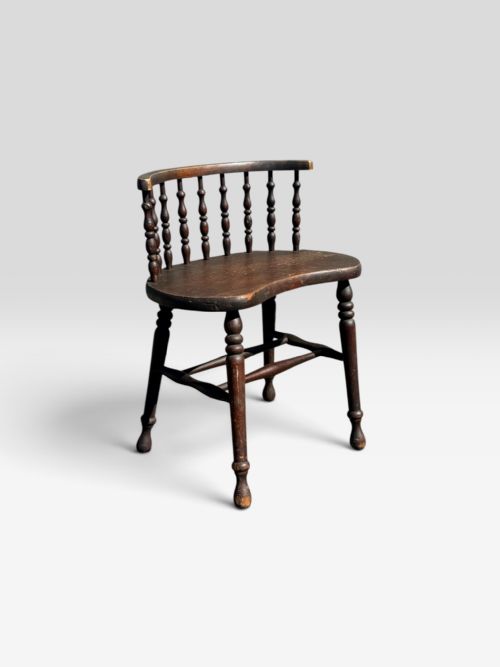
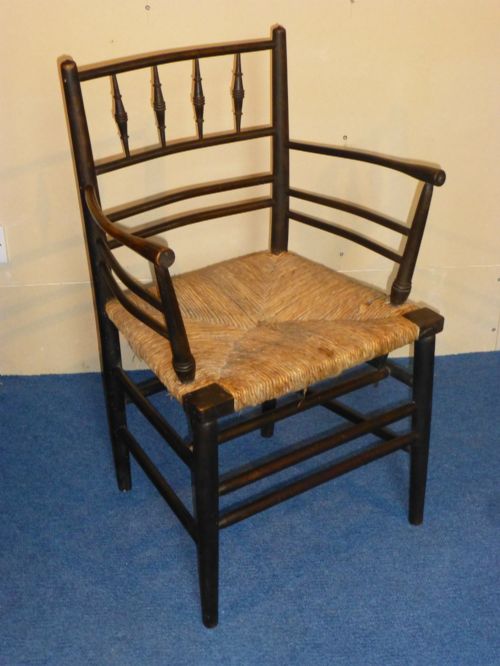
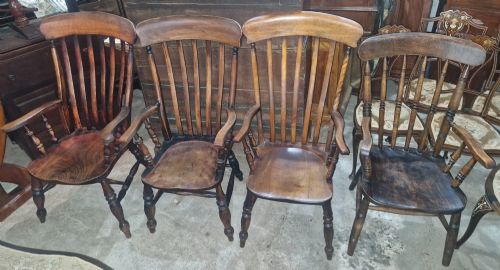
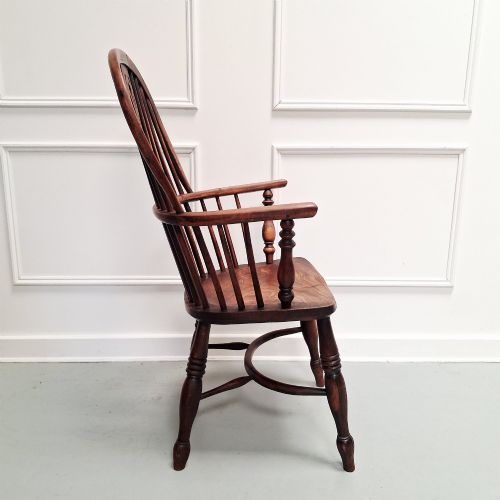
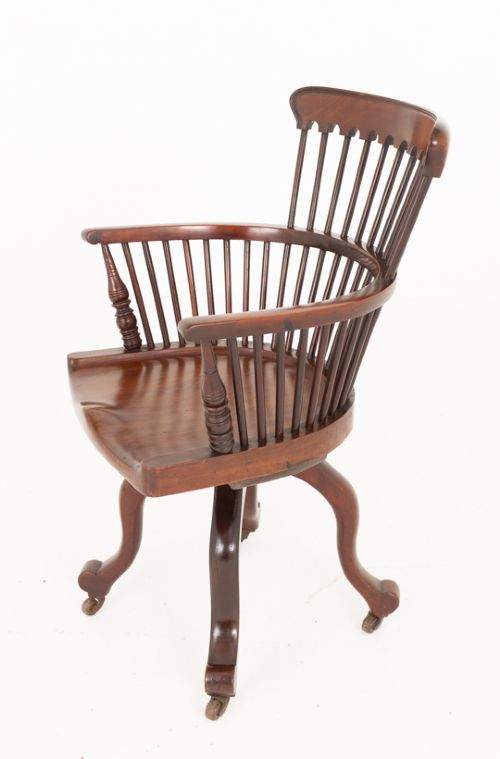
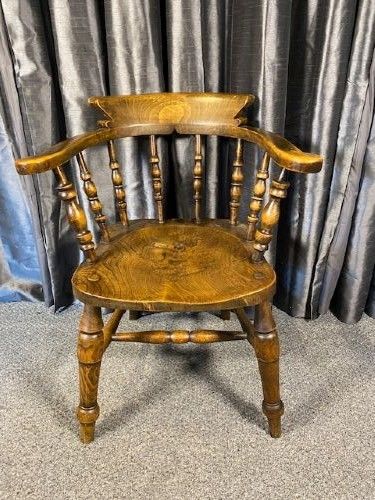
Victorian spindle back chairs encompass dining chairs, salon chairs, and kitchen Windsor seating from the nineteenth century. These pieces appear as matched sets of varying sizes, pairs, or harlequin groups collected over time.
Makers designed these items primarily for domestic spaces such as kitchens, halls, and parlours. The form draws upon English country traditions, combining turned uprights with supportive wooden backs.
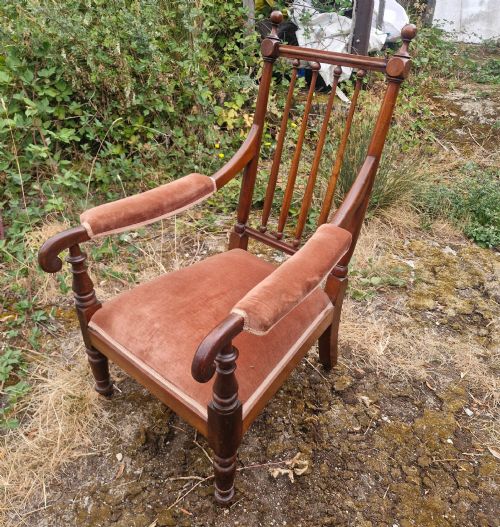
Examples on this page span the Victorian period, including pieces in Elm, Beech, Oak, and Ash. Buyers encounter rush seats, solid wooden pear seats, and occasional upholstered variations.
Materials and Construction
Cabinet makers utilised native hardwoods such as elm, beech, oak, and ash for frames and turned components. Elm frequently provided strong, figured seats while beech and ash formed the spindles and legs.
Construction involved traditional joinery techniques including turned wooden spindles fitted into shaped seats and framed backs. Certain variants incorporate rush seating or ebonised wood finishes.
Retail Price Guide 2026
Typical UK retail prices for victorian spindle back chairs, calculated from the Sellingantiques database of over a million retail prices indexed since 2003. This retail price guide relies exclusively on Sellingantiques data; no external sources or auction records are used, so the figures do not describe the wider market.
Listings feature 19th-century periods alongside materials including elm, beech, oak, ash, and rush.
Assessing Quality
Quality rests in the selection of timber and the crispness of the turned spindles. Denser grain patterns in elm seats and well-matched sets distinguish superior examples from ordinary utility seating.
Structural integrity depends on tight joints and original timber rather than replacement parts. Matching sets with uniform patination command greater interest than mismatched groupings assembled later.
The Victorian Spindle Back Chairs Glossary
- Spindle back
- A chair back constructed from a series of slender turned wooden uprights. These vertical members distribute weight and provide rigid support.
- Windsor
- A traditional wooden chair style featuring a solid sculpted seat into which the legs and back spindles are wedged directly. This construction method ensures notable durability.
- Harlequin set
- A collection of dining chairs that share similar stylistic traits or periods but were not originally manufactured as a single unified group. They offer a collected, historic aesthetic.
- Pear seat
- A wooden chair seat shaped with a rounded rear and tapering front contour. This design accommodates the sitter comfortably while maintaining a compact footprint.
- Rush seat
- A seating surface woven from dried marsh rushes or reeds. This traditional method yields a textured, resilient platform.
Frequently Asked Questions
What rooms suit Victorian spindle back chairs?
These chairs fit naturally around dining tables, in hallways, or as occasional seating in living spaces. Their traditional wooden forms complement both historic interiors and contemporary kitchens.
Mixing sets with different tables creates a layered, eclectic look while preserving practical seating capacity for daily use or hosting guests.
How do I care for antique wooden chairs?
Maintain the timber by keeping chairs away from direct heat sources and sudden temperature shifts. Regular dusting with a soft cloth preserves the natural polish of the wood.
Applying occasional suitable wax nourishes the grain without building up heavy residues that obscure the historic patination accumulated over generations.
Are these chairs comfortable for daily dining?
The sculpted wooden pear seats and supportive spindle backs provide firm ergonomic backing for meal times. Many nineteenth-century households relied on these exact designs for prolonged daily use.
Adding loose squab cushions offers extra padding if desired while keeping the original wooden framework completely visible.
How do I identify a Victorian period chair?
Look for construction markers such as hand-turned spindles, pegged joints, and native hardwood timbers like elm and beech. These manufacturing traits reflect nineteenth-century workshop practices.
Examine the wear patterns and patination on the seat and footrests, which indicate genuine age and historical usage rather than modern reproduction.