

Floral Upholstered Chairs
Floral upholstered chairs bring texture and colour to a room, offering practical seating shaped by centuries of changing tastes and craftsmanship.
What these pieces are
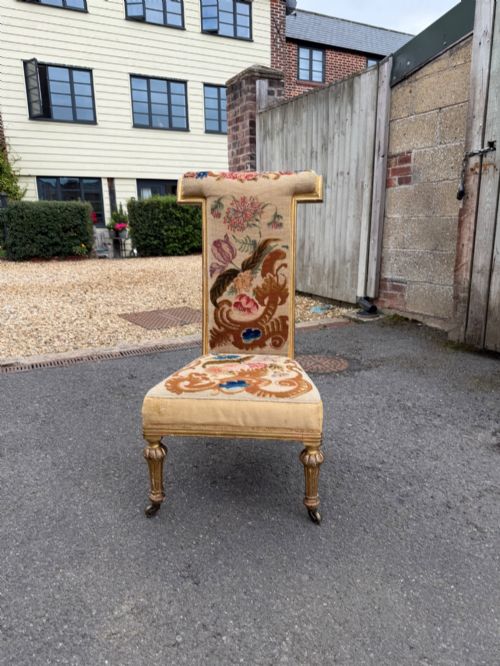
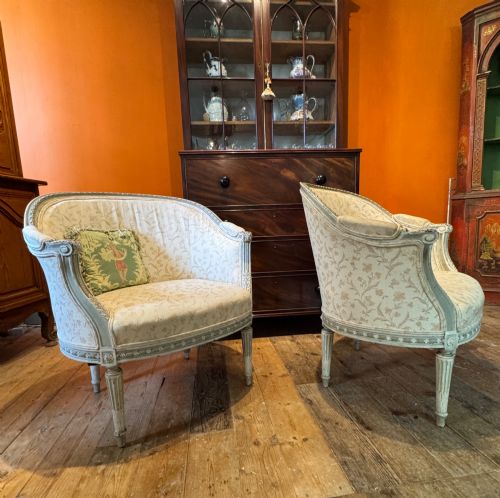
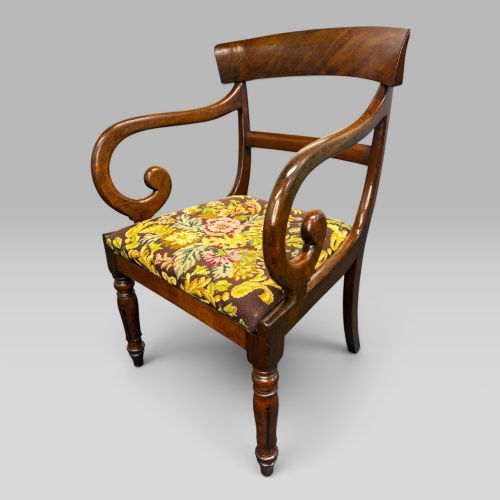
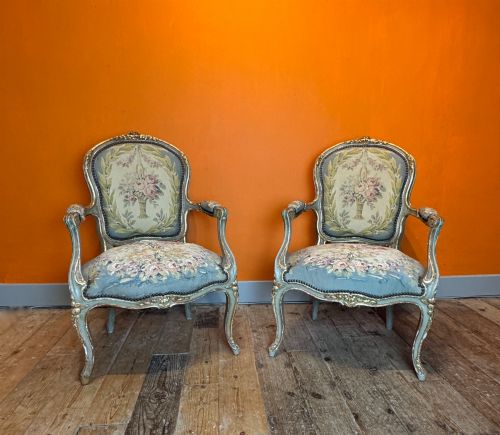
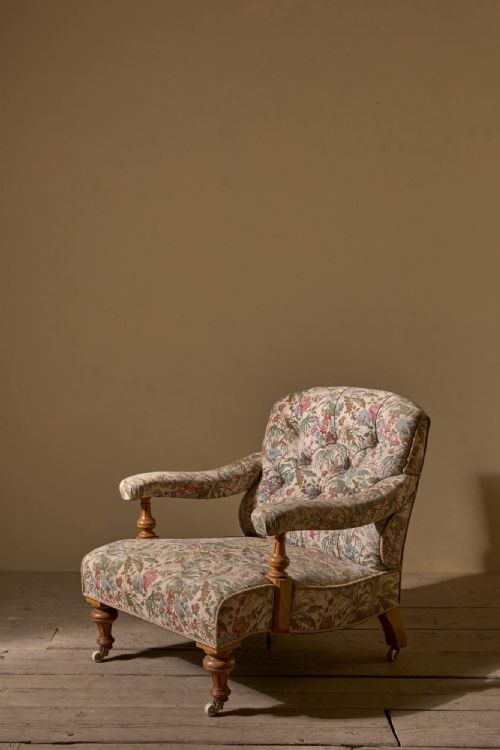
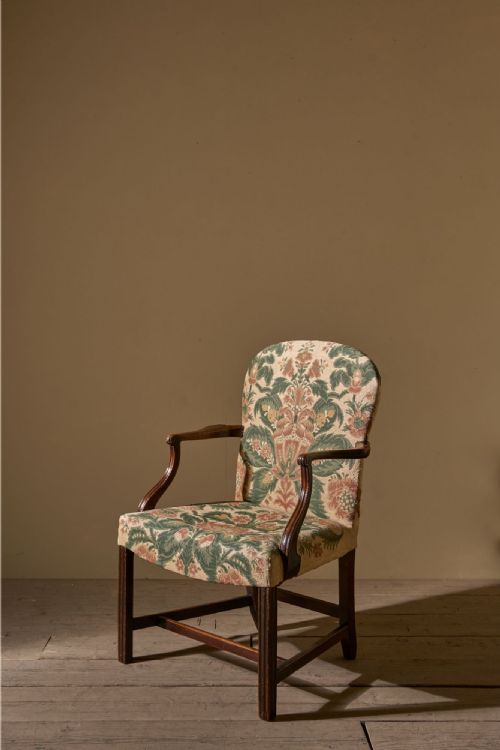
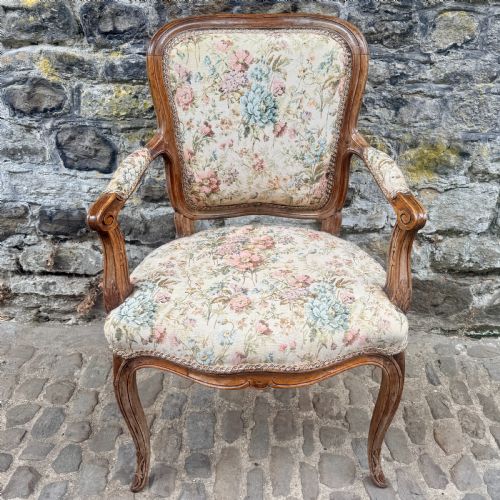
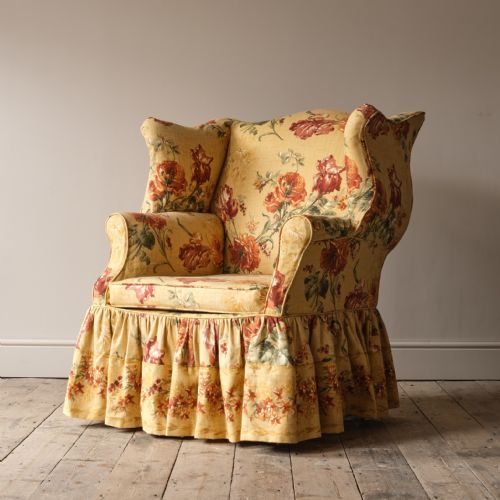
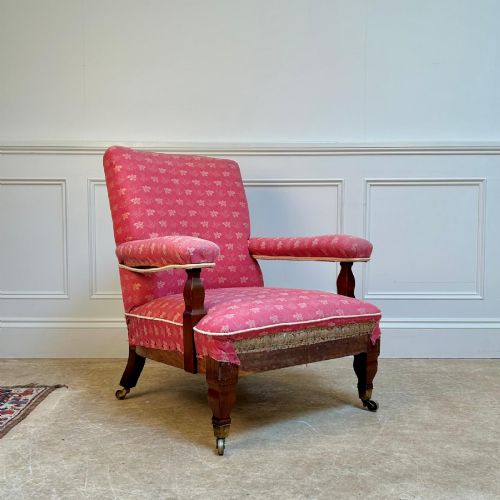
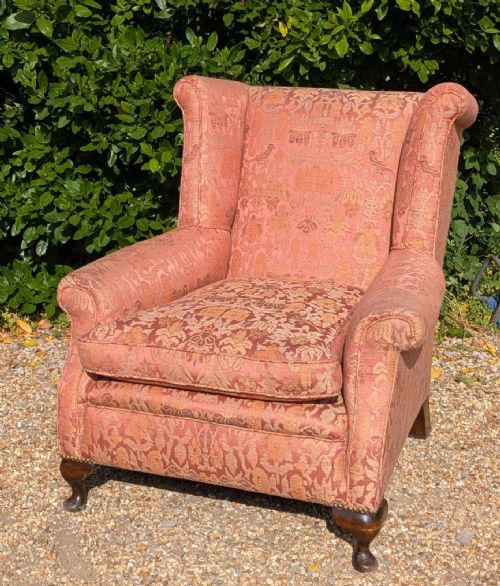
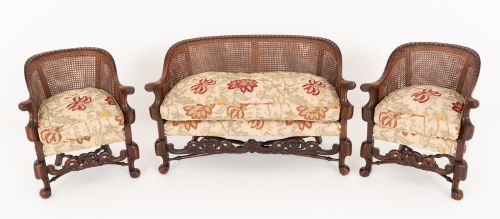
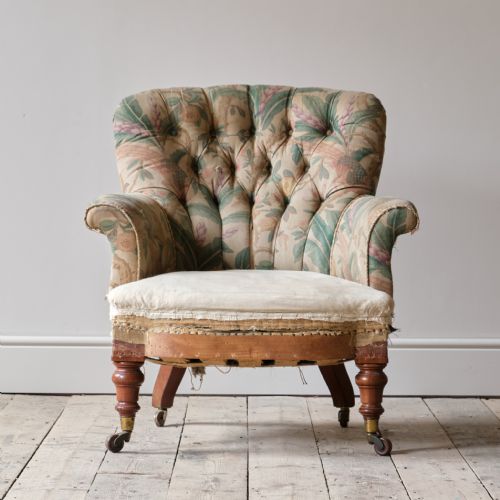
Floral upholstered chairs encompass a variety of seating forms, ranging from sets of dining chairs to individual armchairs and salon chairs. When you search for floral upholstered chairs, you encounter pieces designed for different rooms, from formal dining spaces to intimate parlours.
The selection on this page spans several distinct periods, including the Regency era, the Victorian period, and the 1850s, alongside specific revivals like the William & Mary style. These historical periods dictate the architectural lines of the frames, which range from carved mahogany to ebonised wood.
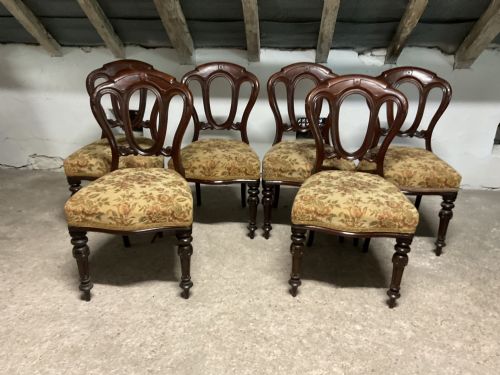
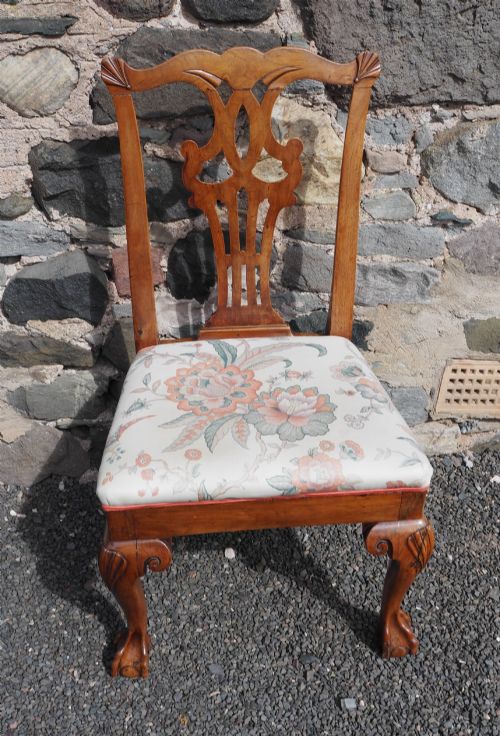
Makers and workshops across the nineteenth century produced these chairs in various configurations, including pairs, sets of four, six, or eight. Forms include side chairs, accent chairs, armchairs, and fauteuils, reflecting the social habits and interior fashions of their respective eras.
How they were made
Makers utilised dense timbers such as mahogany, walnut, rosewood, and oak to construct the supportive frames of these seats. Skilled artisans shaped these woods through turning, carving, and joining, creating sturdy structural skeletons designed to withstand daily domestic use.
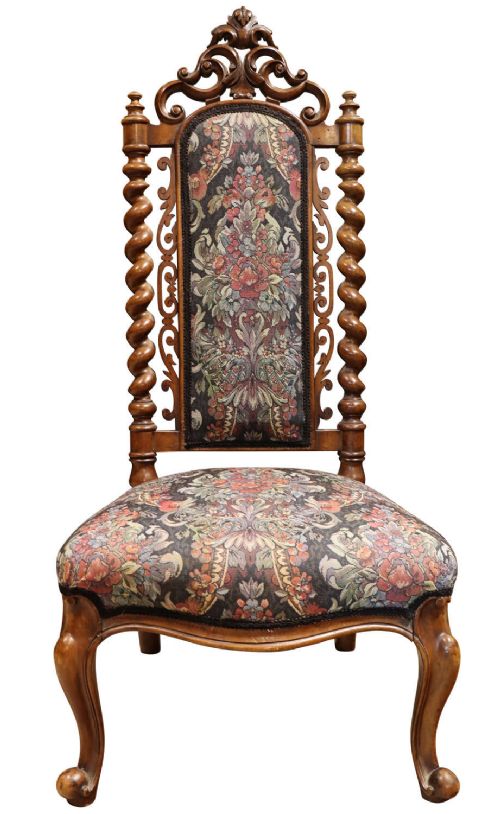
Upholstery techniques applied fabric, tapestry fabric, and tapestry upholstery directly to the sprung or padded frames. Decorative details frequently included carved elements on the wood, such as bar backs, barley twists, and floral leaf motifs that complemented the textile patterns.
Retail Price Guide 2026
Typical UK retail prices for floral upholstered chairs, calculated from the Sellingantiques database of over a million retail prices indexed since 2003. This retail price guide relies exclusively on Sellingantiques data; no external sources or auction records are used, so the figures do not describe the wider market.
Makers occasionally hid their joinery secrets beneath layers of heavy tapestry, letting the floral weave do the talking.
What varies in quality
The distinction between standard examples and the finest pieces lies in the crispness of the timber carving and the architectural proportion of the frame. Superior chairs display deliberate hand-carving on woods like rosewood or walnut, whereas simpler versions rely on plain turned members.
The integrity of the construction and the fidelity of the period style dictate the standing of an individual chair. Matching sets, particularly those retaining original woodwork harmony across six or eight dining chairs, represent higher degrees of workshop coordination.
Waring and Gillow
The Floral Upholstered Chairs Glossary
- Fauteuil
- An open-armed French armchair with upholstered back and seat, typically featuring exposed wooden framing. These chairs originated in French design traditions and emphasise decorative woodwork alongside comfort.
- Bar back
- A chair design featuring a horizontal top rail shaped like the crossbar of a piece of harness, popular during the Regency period. This curved wooden element supports the sitter's back and often incorporates central carved decoration.
- Salon chair
- A light ornamental chair intended for use in a drawing room or reception space rather than at a dining table. These pieces often feature ebonised finishes or delicate proportions suited to formal entertaining.
- Tapestry upholstery
- Heavy woven fabric featuring pictorial or floral designs used to cover the seats and backs of antique chairs. This material provides durable texture and historical authenticity to nineteenth-century seating.
- Barley twist
- A type of turning shaped like a spiralling rope, frequently found on the legs and structural supports of nineteenth-century chairs. This decorative woodworking technique adds visual movement to dense timbers like oak or walnut.
Frequently Asked Questions
How do I date a wooden dining chair?
Dating relies on identifying the primary timber, construction methods, and stylistic cues present in the frame. Details such as carved bar backs or turned legs align with specific manufacturing periods.
Comparing the wood grain and joinery against documented examples helps confirm the era of production. Examining the undercarriage often reveals tool marks indicative of particular woodworking traditions.
Where should I place an accent chair?
Accent chairs suit reading corners, bedrooms, or reception rooms where an individual seat adds functional seating and decorative interest. Their distinct frames and textile patterns draw the eye within a larger interior scheme.
Positioning them away from direct heat sources protects both the timber frame and the textile upholstery from premature drying or fading.
What is the difference between a side chair and an armchair?
Side chairs are built without arms, making them compact enough to tuck neatly around a dining table or line a hallway wall. Their minimal footprint allows multiple chairs to sit closely together.
Armchairs incorporate structural armrests that offer additional support and alter the visual weight of the piece, suiting them for placement as standalone seating.
How do I care for antique wood and fabric?
Maintaining these pieces involves regular dusting with a soft, dry cloth to prevent particulate accumulation on both the timber frame and the textile upholstery. Avoiding harsh chemical cleaners preserves the historic finish of the wood.
Keeping upholstered chairs out of direct sunlight prevents the textile colours from fading over time. Gentle vacuuming with a low-suction attachment helps maintain fabric pile.