


Victorian Specimen Cabinet
When you search for a victorian specimen cabinet, you are looking at purposeful nineteenth-century storage built to hold natural history items, insects, and small curiosities.
Victorian Specimen Cabinet
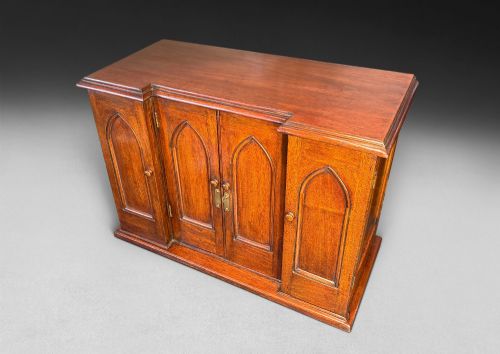
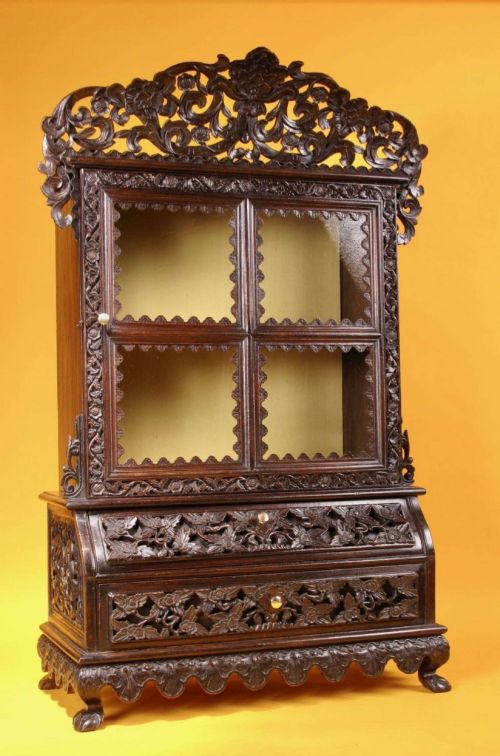
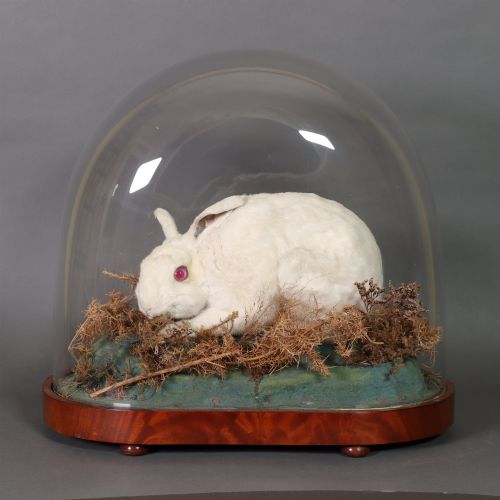
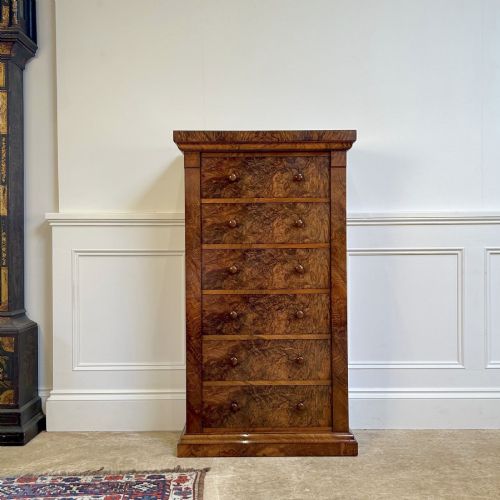
A victorian specimen cabinet typically takes the form of a multi-drawer chest, a tabletop box, or a glazed display case designed for serious naturalists and collectors. These pieces originate primarily from the nineteenth century, spanning decades from the eighteen-sixties through to nineteen-twenty.
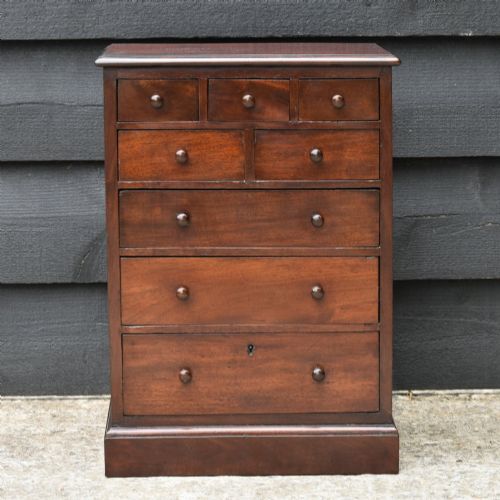
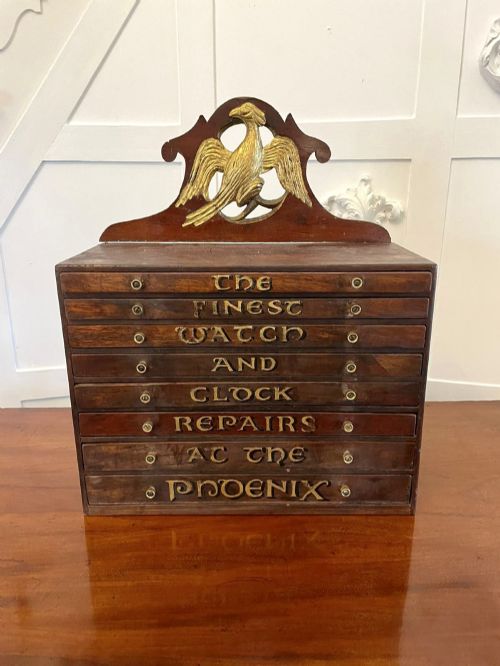
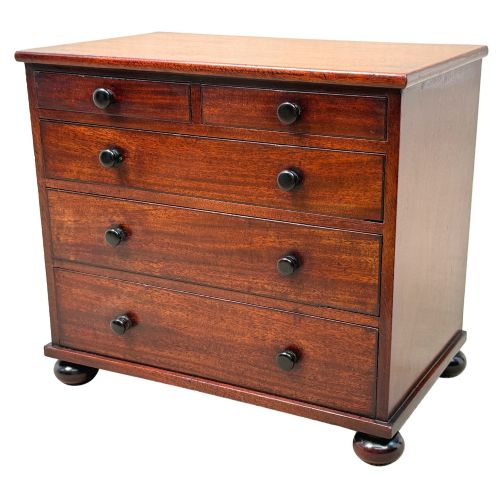
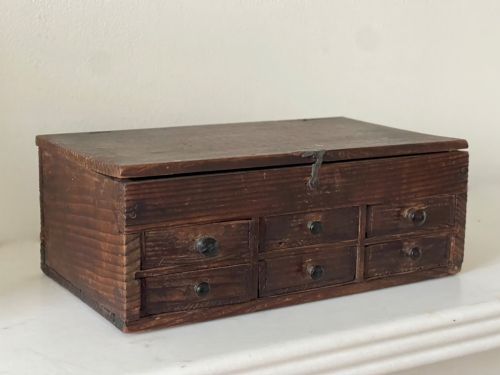
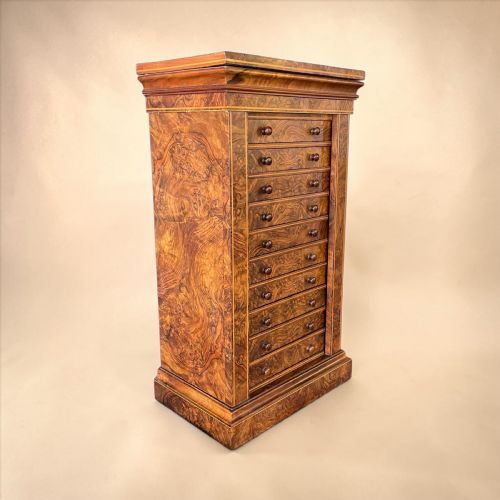
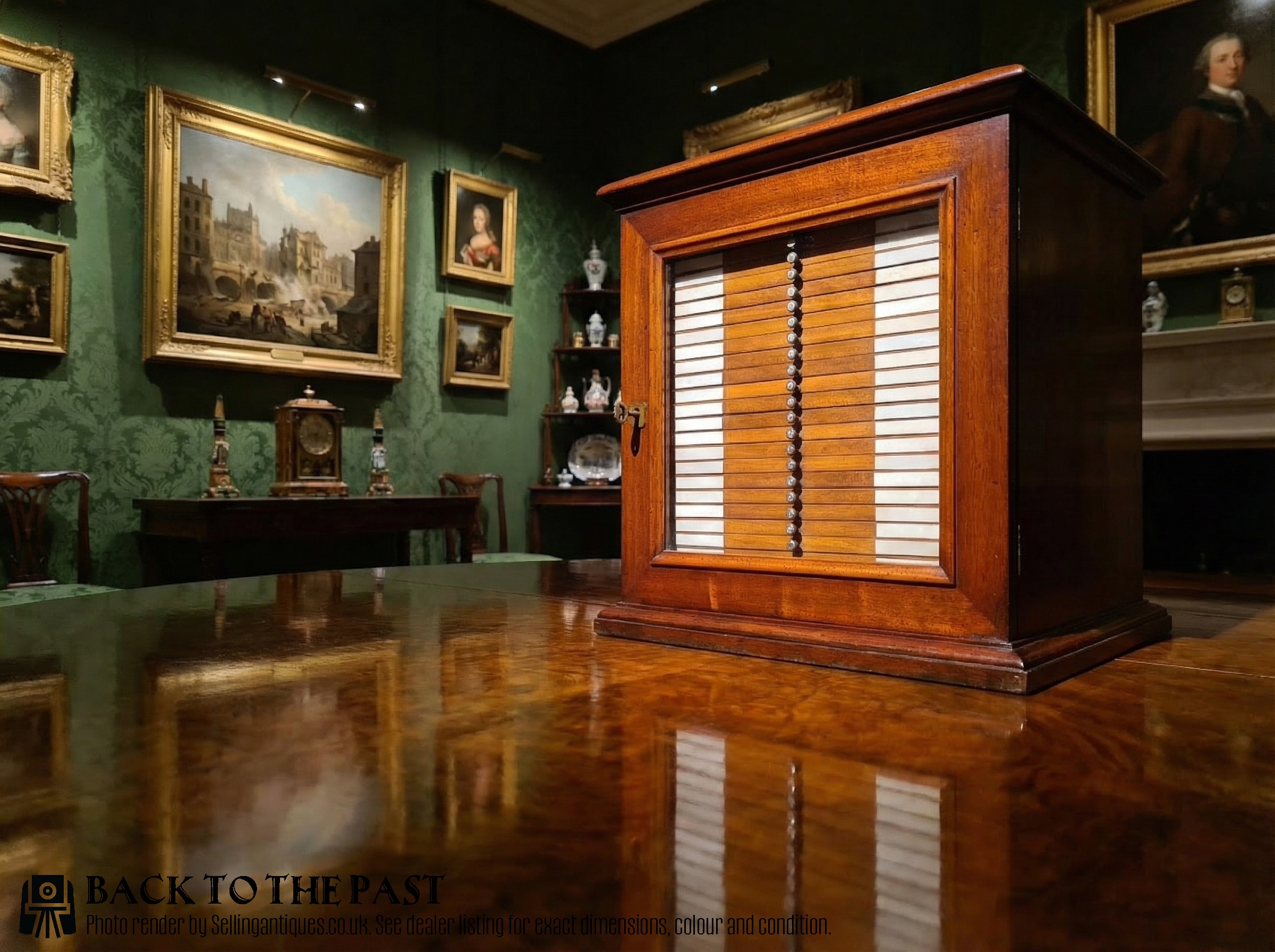
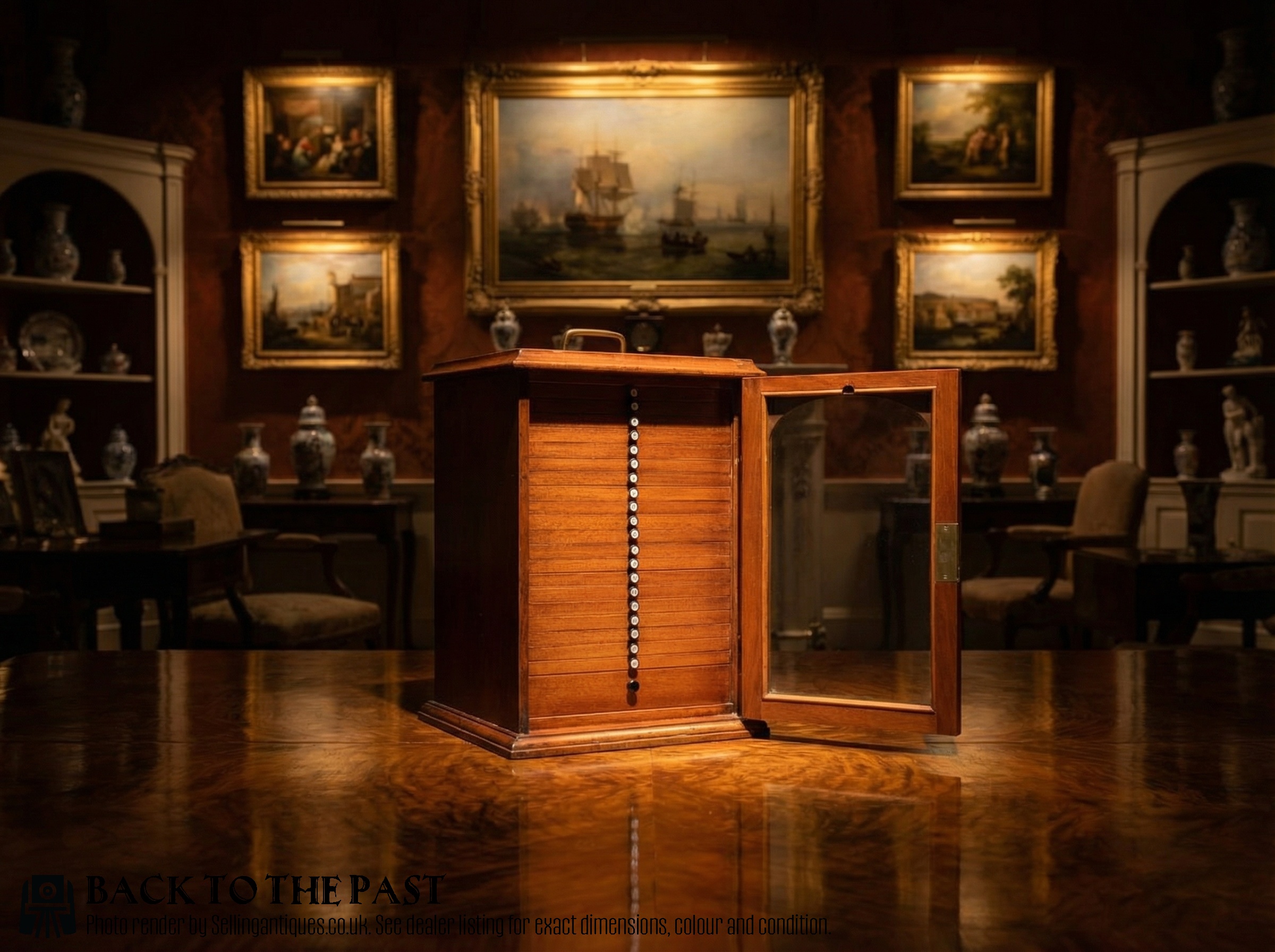
The version most commonly met on this page is the multi-drawer timber chest or tabletop cabinet, frequently constructed to house entomology specimens, minerals, or botanical collections. Makers produced these in varied scales, from small apprentice pieces to large museum-standard cabinets fitted with numerous shallow drawers.
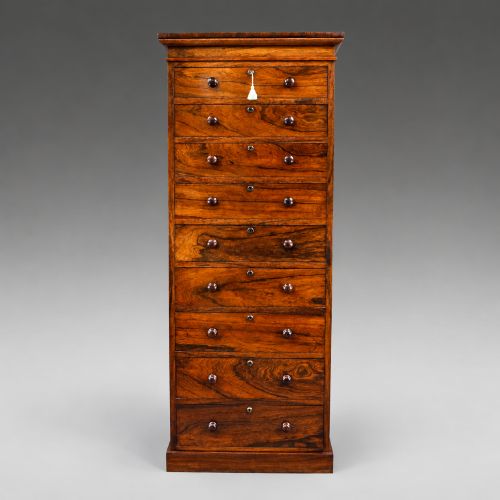
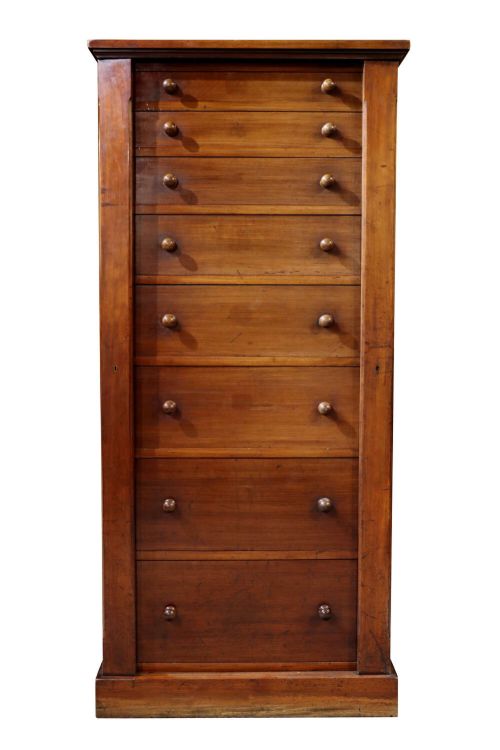
Beyond strict natural history use, related forms include apothecary banks, chemist drawers, and Wellington chests that served identical sorting purposes in studies and shops. Each configuration reflects the period's obsession with classification, order, and the careful preservation of delicate objects.
Materials and Construction
Cabinet makers relied heavily on dense hardwoods such as mahogany, walnut, and oak to construct the main carcases, ensuring stability for heavy banks of drawers. Secondary timbers like pine and deal appear in internal framing and drawer construction, finished with polished surfaces or brass hardware.
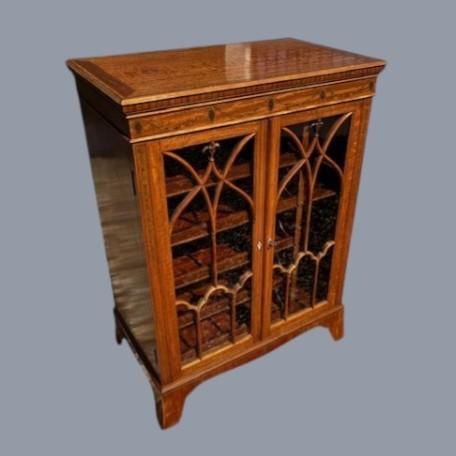
Glass panels are integrated into doors and display cases to allow viewing while protecting contents from dust and handling. Specialist interiors often incorporate baize lining, turned wooden knobs, and precise drawer runners designed to slide smoothly without jarring delicate contents.
Victorian Specimen Cabinet Retail Price Guide 2026
Typical asking prices for victorian specimen cabinet among the pieces listed under this phrase on Sellingantiques today, from the lower quarter to the upper quarter. They describe what is for sale here now, not the wider market.
Object types span taxidermy cases, apothecary banks, Wellington chests, and multi-drawer entomology cabinets.
Assessing Quality and Craftsmanship
Quality in a victorian specimen cabinet rests upon the precision of the drawer construction and the selection of figured timbers like burr walnut or mahogany. Tighter tolerances in drawer fitting and superior timber choice separate standard utility chests from exhibition-grade pieces.
The integrity of original brass handles, locks, and internal linings dictates the preservation state of the piece. Cabinets retaining their original glass, labels, and unblemished polish command greater regard than those altered or stripped down over subsequent decades.
James Gardner of London·Rowland Ward Ltd·Watkins and Doncaster·J T Crockett and Son·D Napier and Sons
The Victorian Specimen Cabinet Glossary
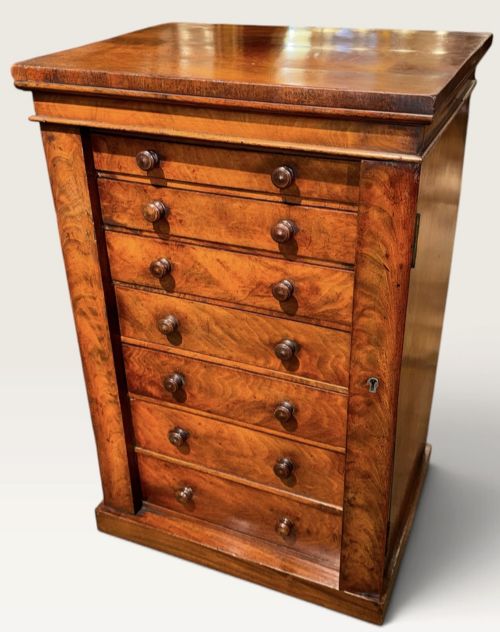
- Wellington chest
- A tall, slender chest of drawers featuring a hinged locking stile on one side that secures all drawers simultaneously. This form was widely adapted during the nineteenth century for sorting papers and small specimens.
- Entomology case
- A shallow box or drawer specifically designed to house preserved insects under glass. These often feature cork-lined bases to securely pin specimens in place.
- Materia medica
- A collection of therapeutic substances and medicinal specimens housed in small partitioned drawers for reference by pharmacists and physicians. These cabinets represent a specialised branch of nineteenth-century scientific storage.
- Bijouterie
- A glass-topped display case or table intended for viewing small valuables, gems, or decorative objects. They share similarities with specimen cabinets in their focus on visual presentation.
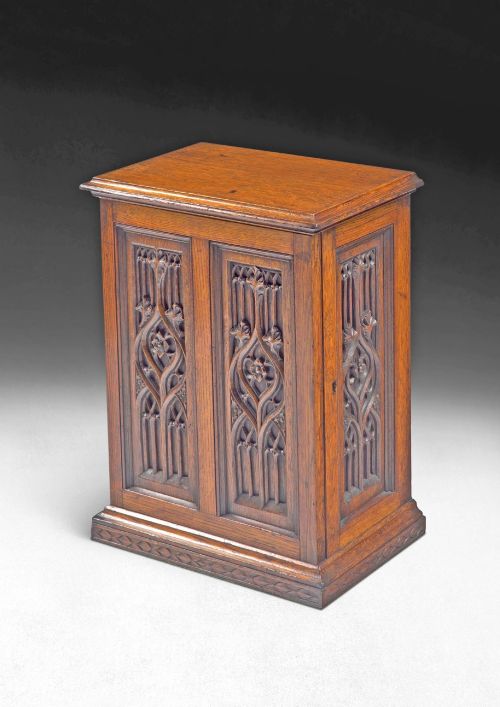
- Gothic Revival
- An architectural and decorative style drawing inspiration from medieval design, characterised by pointed arches and robust paneling. Cabinets from this movement display distinct religious and architectural motifs.
Victorian Specimen Cabinet: Frequently Asked Questions
What were specimen cabinets originally used for?
These cabinets served naturalists, doctors, and collectors as secure storage for butterflies, beetles, minerals, shells, and botanical samples.
The shallow drawers kept delicate items flat and organised while protecting them from light, dust, and physical damage during study.
How do I tell an original cabinet from a later copy?
Examine the timber shrinkage, drawer dovetails, and secondary woods like pine or oak used inside the carcase.
Nineteenth-century pieces display hand-cut joinery, period brass hardware, and timber patination that modern reproductions cannot replicate.
Can I use these cabinets for modern jewellery storage?
The shallow drawers and compartmentalized layouts make these pieces exceptionally well-suited for rings, watches, and small accessories.
Many collectors repurpose entomology and apothecary chests to organise modern items while enjoying the rich nineteenth-century aesthetics.
What timber was most commonly used?
Mahogany and walnut dominate the finest examples, offering structural stability and rich grain patterns across the exterior.
Pine and oak frequently appear in utilitarian or regional pieces, serving as sturdy carcases and secondary drawer woods.