
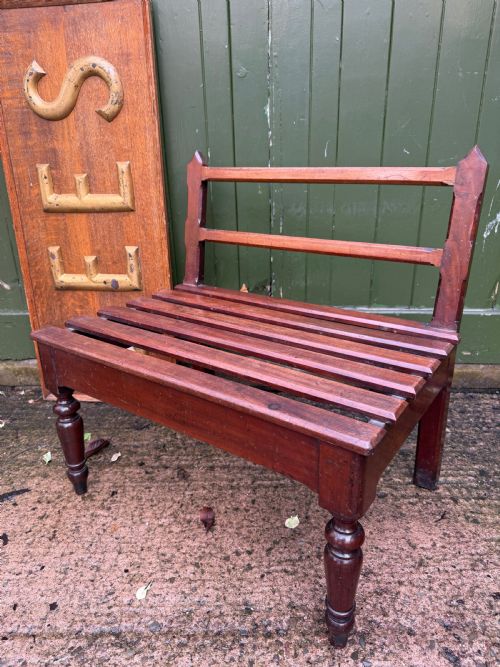


Victorian Slatted Wooden Rack
These Victorian slatted wooden rack designs offer practical storage with honest utility, built to serve daily domestic life.
Victorian Slatted Wooden Rack
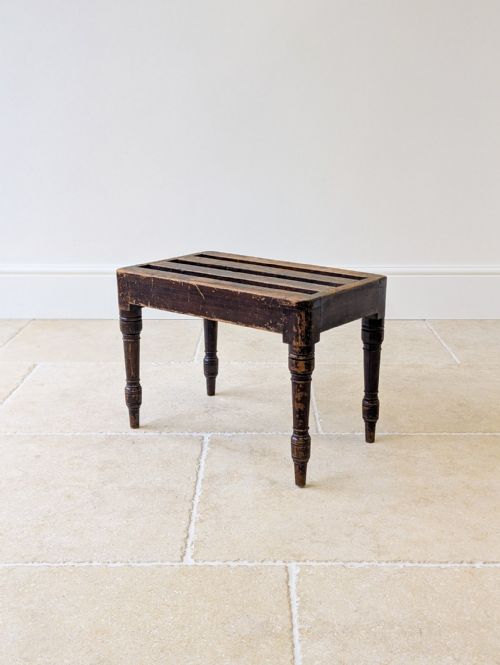
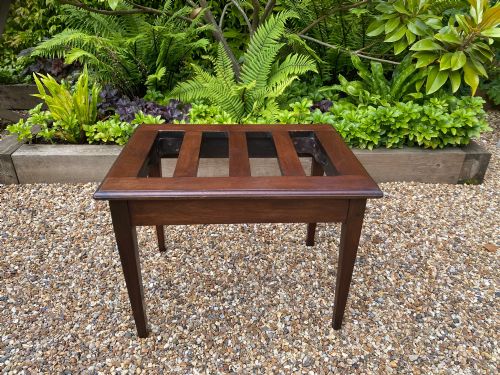
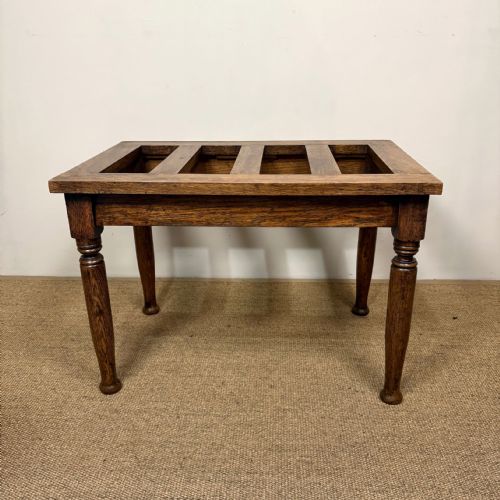
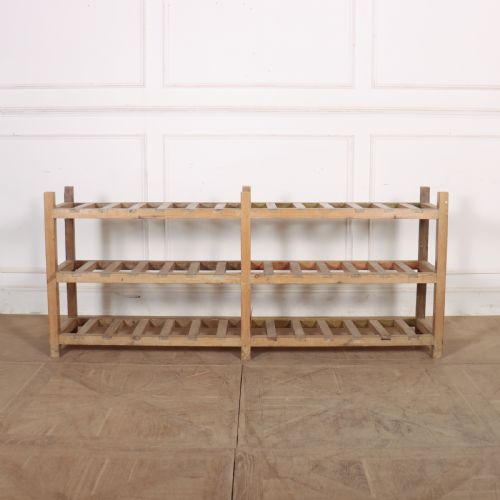
A Victorian slatted wooden rack provides sturdy surface space for luggage, shoes, apples, or periodicals within a domestic interior. These pieces range from luggage stands and luggage racks to shoe racks, storage racks, canterburys, and magazine racks.
The version most commonly encountered on this page is the luggage stand, fashioned with slatted tops and often incorporating supporting uprights or rails. Such pieces derive from nineteenth-century domestic and country-house settings, reflecting an era of organised hospitality and traditional room arrangement.
How they were made
Cabinet makers utilised a variety of native and imported timbers, shaping mahogany, oak, pine, ash, yew wood, and timber into functional frames and slatted surfaces. Individual pieces often combine robust structural framing with fitted wooden slats designed to bear weight or allow ventilation.
Metal elements such as brass appear as structural components or fastenings, while paint is used on specific pine examples to finish the surface. Construction relies on traditional joinery techniques appropriate for heavy daily use in nineteenth-century households.
Apple racks amongst the selection remind us that nineteenth-century timber slats were just as vital for fruit storage as for guest luggage.
What varies in quality
Quality rests upon the selection of timber and the proportion of the frame, where dense mahogany or figured oak elevates the piece above standard utility items. Refinement in turning, jointing, and the presence of architectural details like a raised and raked rear upstand mark out superior examples.
Design ambition separates basic vernacular items from sophisticated country-house furnishings, with unusual timbers such as yew wood or boat-shaped forms adding distinct character. The integrity of the slatted construction and the preservation of original surfaces dictate the standing of each piece.
The Victorian Slatted Wooden Rack Glossary
- Upstand
- A vertical barrier rising above the rear of a stand to prevent items from sliding off. This feature is frequently seen on nineteenth-century luggage stands.
- Canterbury
- A low stand fitted with partitions for holding sheet music, books, or magazines. These pieces often feature slatted or railed sides.
- Slatted
- Constructed from narrow strips of wood arranged with spaces between them. This method provides ventilation and reduces weight.
- Vernacular
- Everyday objects built by local tradesmen rather than high-style cabinet makers. These pieces utilise regional timbers and traditional methods.
Victorian Slatted Wooden Rack: Frequently Asked Questions
What were luggage racks used for?
Luggage stands provided a raised platform in guest bedrooms for visitors to place and unpack their trunks without bending to the floor. They kept heavy travel gear accessible and protected bedroom furniture from damage.
Today these slatted wooden pieces serve equally well in modern guest rooms or hallways as occasional luggage holders, benches, or low display tables.
How do I identify a Victorian rack?
Identification relies on observing traditional timber selections, honest joinery methods, and utilitarian forms typical of the nineteenth century. Details like turned legs, brass fittings, and structural wear indicate period manufacture.
Comparing the specific wood type, such as oak, mahogany, or ash, alongside the object form helps confirm the era of production.
Can I use an old shoe rack daily?
Nineteenth-century wooden racks were built robustly from solid timber to withstand active daily service in busy households. Their sturdy construction makes them entirely practical for contemporary utility rooms or boot rooms.
Routine care and sensible placement keep the wood stable while maintaining the functional character of the piece.