
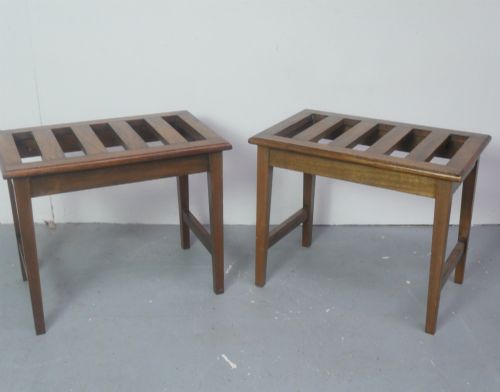
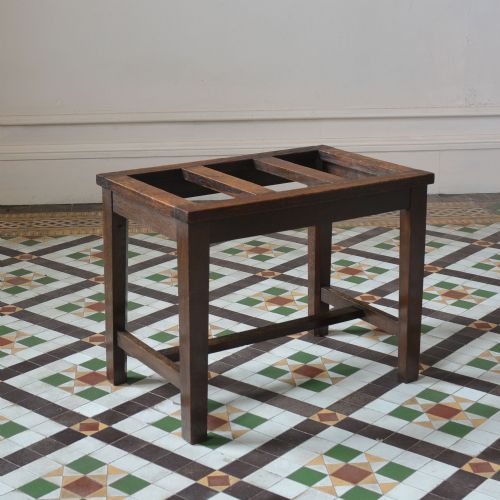
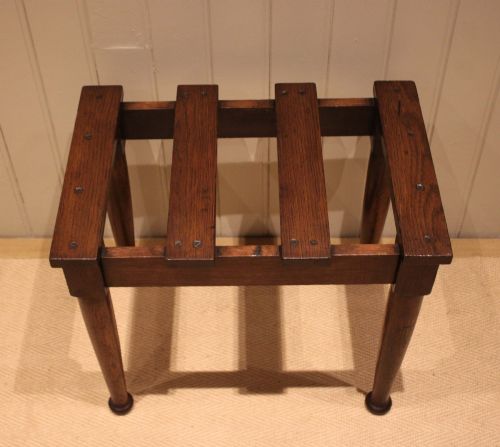
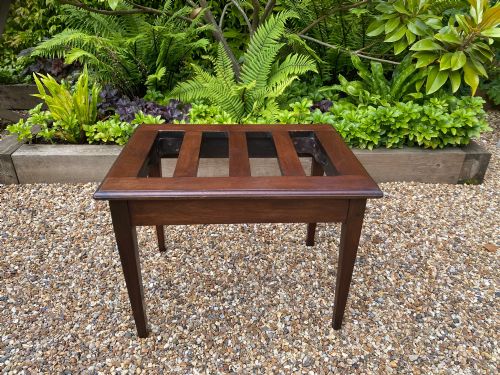


Bedroom Luggage Stand
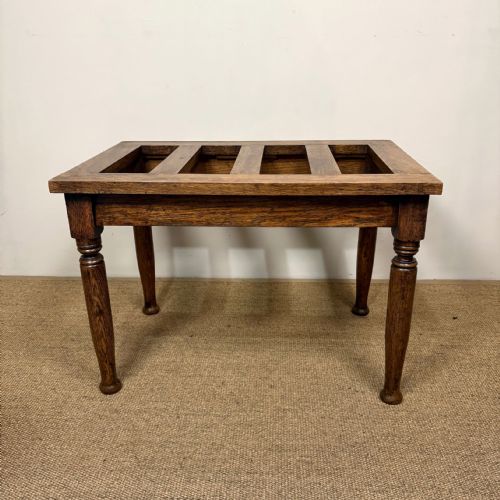
A bedroom luggage stand offers a practical surface for cases, appearing across Victorian, Edwardian, and mid-century periods in oak, mahogany, walnut, and ebonised wood.
Bedroom Luggage Stand
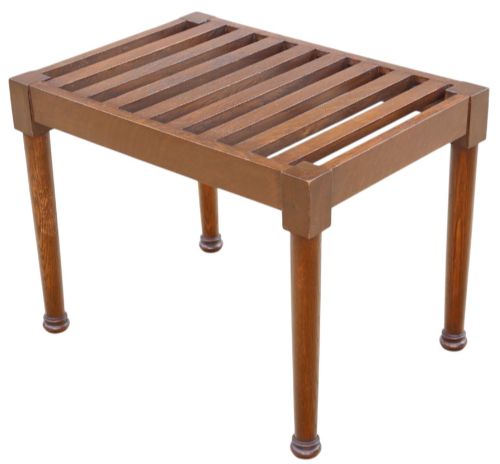
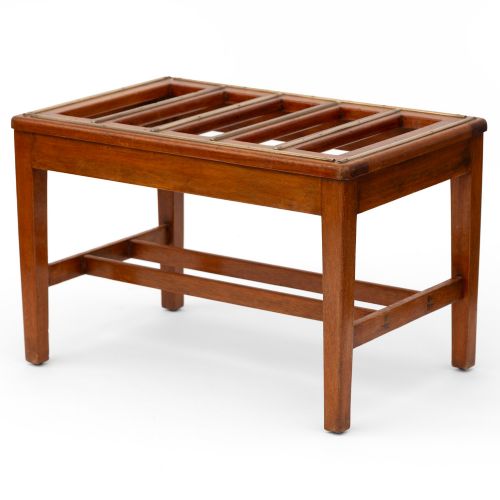
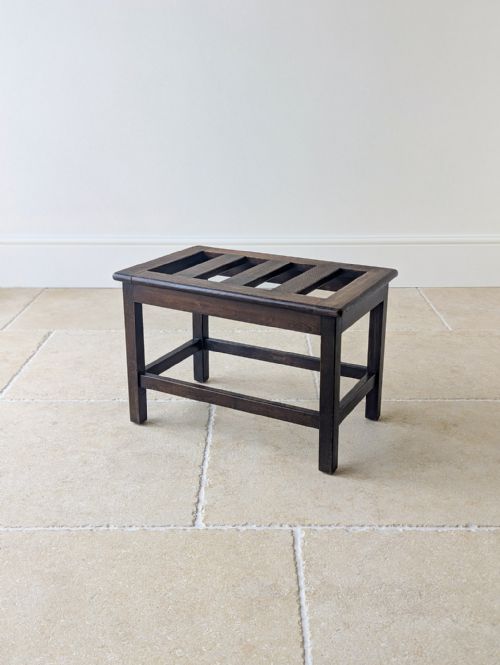
A bedroom luggage stand provides a stable, elevated platform designed to hold heavy travel bags at a convenient height. These pieces appear frequently in oak and mahogany, taking the form of folding stands and luggage racks dating from the nineteenth and twentieth centuries.
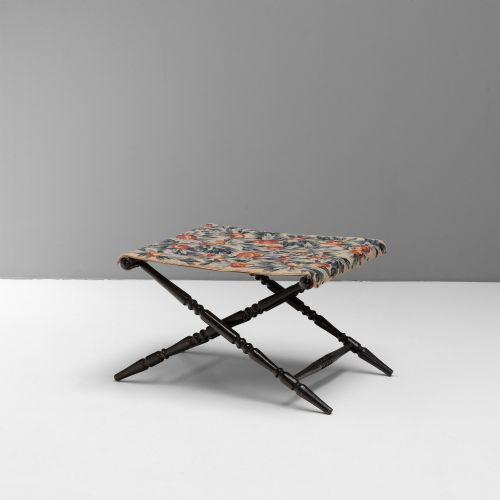
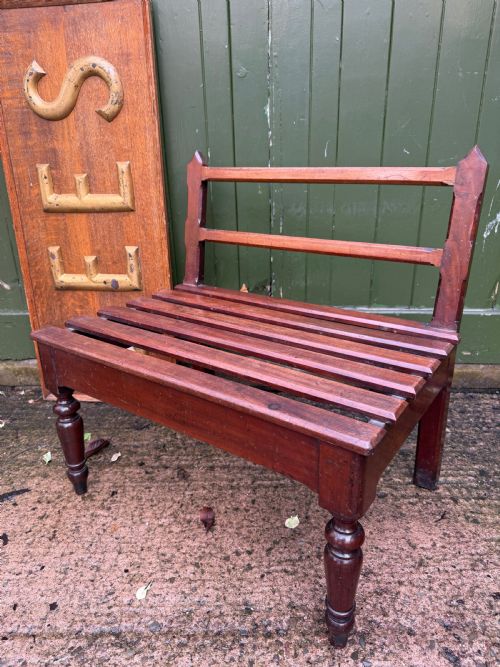
The selection includes examples originating from the Edwardian era and the Victorian period, alongside mid-century modern pieces. Many specimens reflect English country house aesthetics, with occasional iterations featuring raised and raked rear upstand supports or tapestry and textile webbing.
Buyers commonly encounter sturdy folding oak or mahogany designs that double as bedroom night stands or hallway furniture. These functional items combine structural timber frames with durable woven straps to support heavy luggage safely.
How they were made
Timbers such as oak, mahogany, walnut, and ebonised wood form the structural framework of these stands, shaped through traditional cabinetmaking techniques. Brass fittings frequently reinforce joints, hinges, and folding mechanisms on nineteenth and twentieth-century examples.
Tapestry and textile materials are utilised for the supportive webbing stretched across the top frames to cushion suitcases. Polished finishes highlight the natural grain of the wood, whether executed in solid oak or limed oak variants.
One exceptional piece carries the distinct provenance of a former West End hotel.
What varies in quality
Construction robustness separates utilitarian items from finer pieces, particularly visible in the thickness of the timber and the tightness of folding joints. Superior examples exhibit deep proportions, solid hardwood frames, and well-tensioned textile or tapestry webbing.
The choice of materials dictates the character of the piece, with polished mahogany and figured walnut sitting alongside standard oak frameworks. Refined details like raised and raked rear upstands or polished brass hardware distinguish more elaborate country-house models from basic hotel or domestic racks.
The Bedroom Luggage Stand Glossary
- Upstand
- A vertical barrier rising above the rear of the stand to prevent luggage from slipping against the wall. This feature appears on deeper nineteenth-century models.
- Ebonised wood
- Timber treated with a chemical stain or finish to imitate ebony. This dark surface treatment creates a formal appearance.
- Webbing
- Strong woven textile or tapestry strips stretched tightly across the frame to support bags. It absorbs the weight of heavy travel trunks.
- Limed oak
- Timber treated with a special pickling finish that fills the grain with a whitish paste. This technique lightens the wood tone while accentuating its natural texture.
- Folding mechanism
- The hinged or X-frame construction allowing the stand to collapse flat for storage. Quality hardware ensures smooth operation without loosening over time.
Bedroom Luggage Stand: Frequently Asked Questions
What is a bedroom luggage stand used for?
These pieces serve as raised platforms for holding suitcases and travel bags off the floor in guest rooms and bedrooms. They allow guests to pack and unpack luggage without bending down.
Beyond bedrooms, homeowners utilise them as occasional hallway furniture or bedroom night stands. Their sturdy timber frames and folding designs make them adaptable for holding trays or extra blankets.
How do I identify an Edwardian luggage stand?
Edwardian examples typically date from around 1900 to 1910 and frequently utilise solid oak or limed oak. They often feature clean lines and simple folding X-frames suitable for domestic guest rooms.
Archive records show these pieces were also marketed as bedroom night stands during the period. Their construction reflects the lighter domestic furniture styles popular after the Victorian era.
Are these stands sturdy enough for heavy bags?
Solid hardwood frames built from oak, mahogany, or walnut provide substantial weight-bearing capacity. Many surviving pieces were originally utilised in hotels or English country houses where durability was essential.
The inclusion of strong brass fittings and tight textile or tapestry webbing ensures the frame remains stable under pressure. Folding mechanisms on quality pieces lock securely into position.
Can I fold these stands away when not needed?
Most variants incorporate folding frames designed to collapse flat for convenient storage behind doors or inside wardrobes. This practical feature made them popular for guest accommodation.
When open, the cross-braced legs lock firmly to provide a rigid platform. The textile or tapestry webbing flexes slightly while remaining securely attached to the folding wooden rails.