

Victorian Silver Vesta
These Victorian silver vesta cases are pocket-sized match safes that bring tactile craft and period design to daily carry.
Victorian Silver Vesta
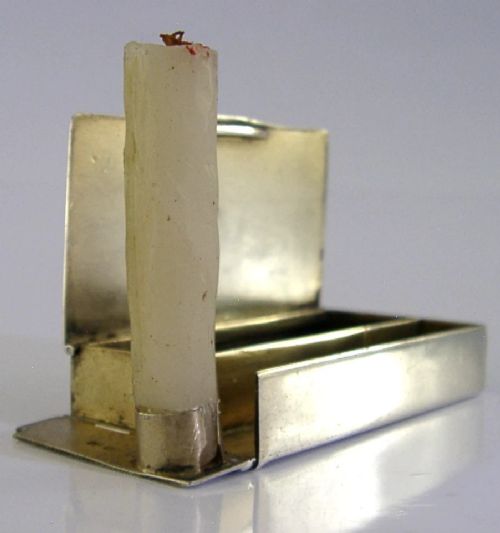
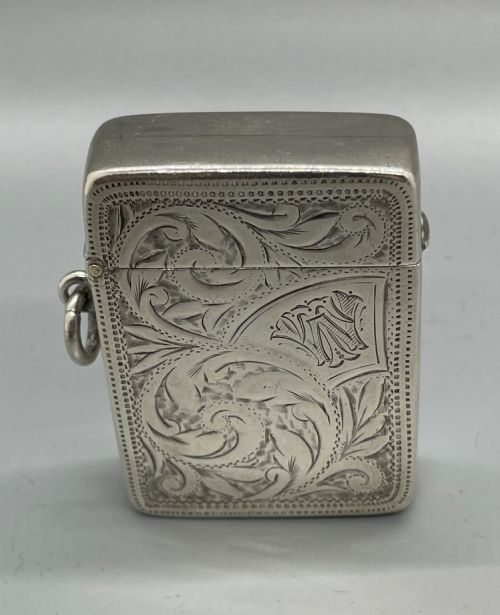
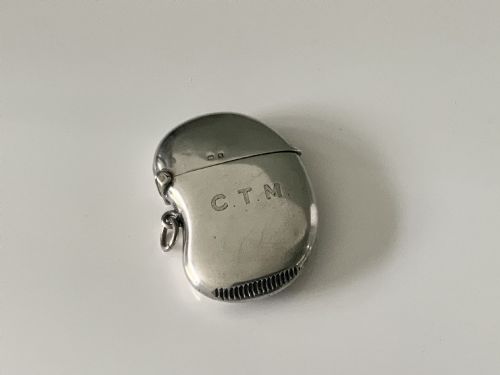
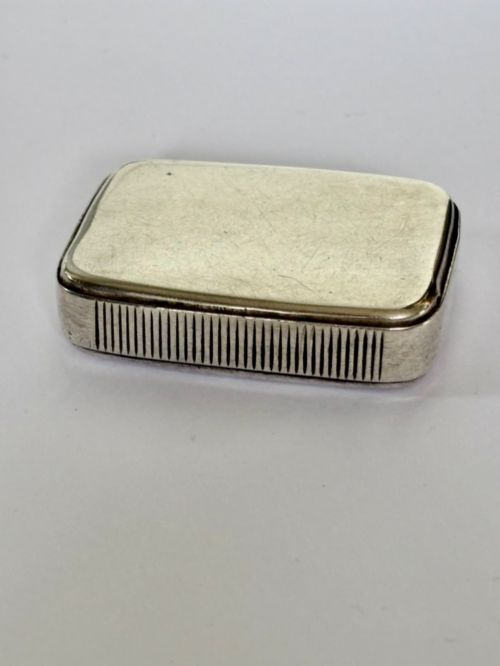
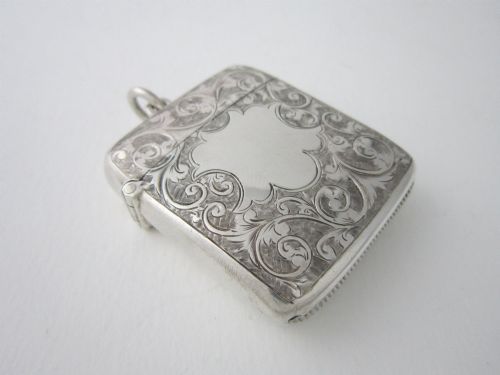
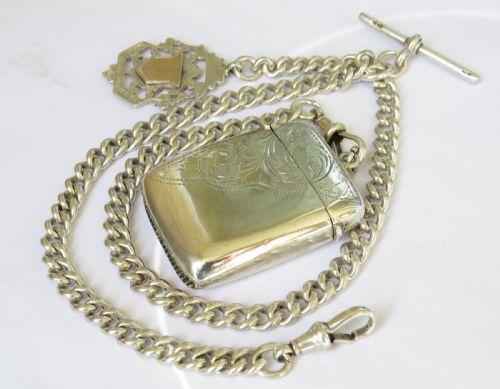
A Victorian silver vesta is a small metal container designed to hold safety matches securely in a pocket or attach to a watch chain. These pieces date principally from the nineteenth and early twentieth centuries, reflecting a time when carrying matches safely was a daily necessity.
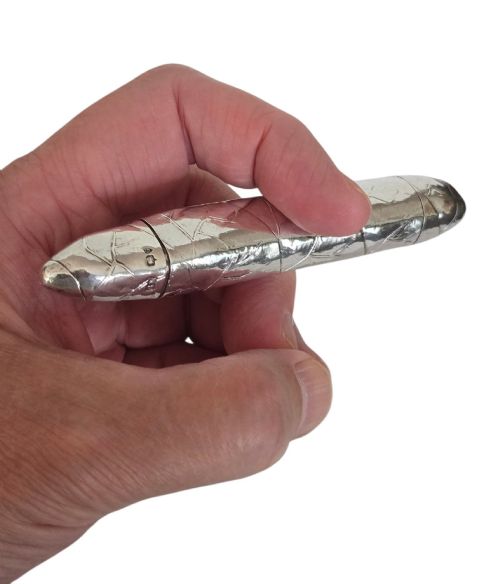
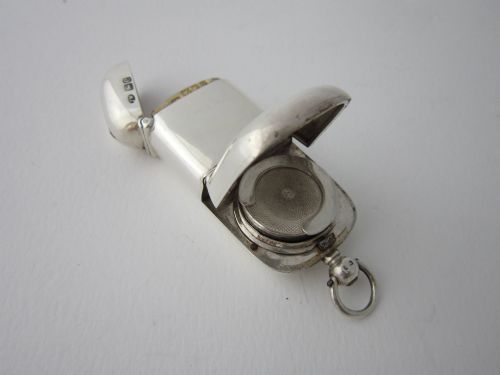
Makers produced these containers in numerous forms, ranging from plain rectangular cases to elaborate novelty shapes like animals and boots. Collectors encounter standard flip-top boxes alongside combination pieces that incorporate sovereign holders, whistles, or tiny compartments for snuff.
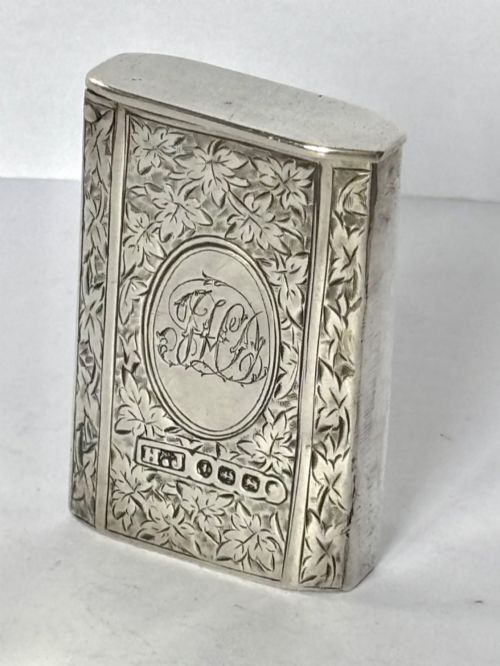
Most examples originate from British assay offices in Birmingham, Chester, and London, bearing hallmarks that record the year of manufacture and the maker's mark. These pocket pieces survive in varying states of preservation, from crisp engraved surfaces to softer, well-handled contours.
How they were made
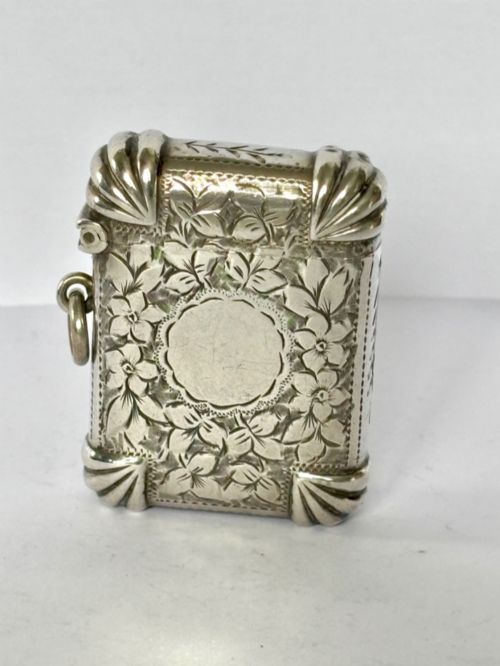
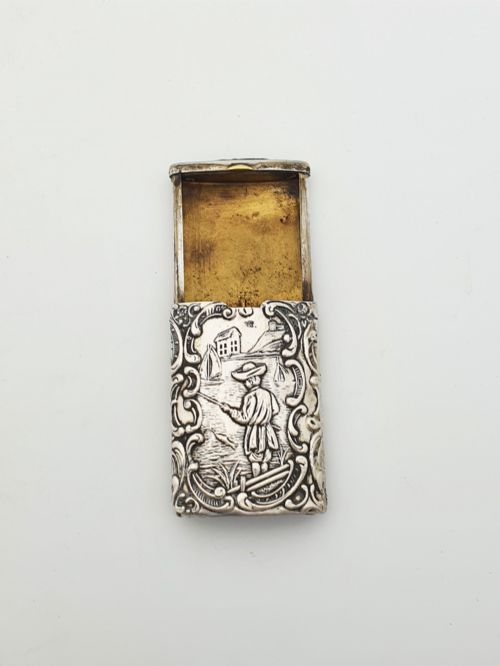
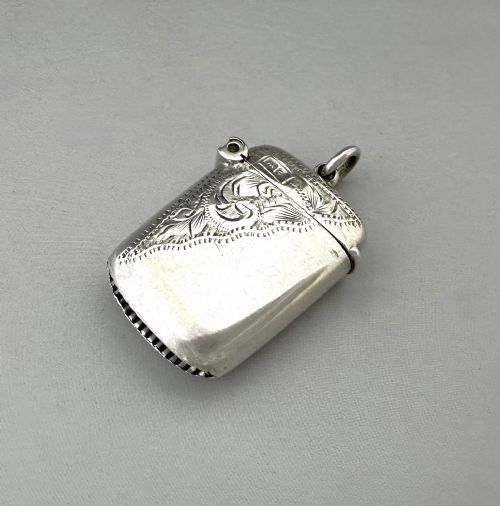
Silversmiths shaped sterling silver sheet using methods like stamping, pressing, and hand engraving to create the body and hinged lid of each container. Many standard cases feature intricate foliate scrollwork, monogram cartouches, or geometric chasing applied directly to the metal.
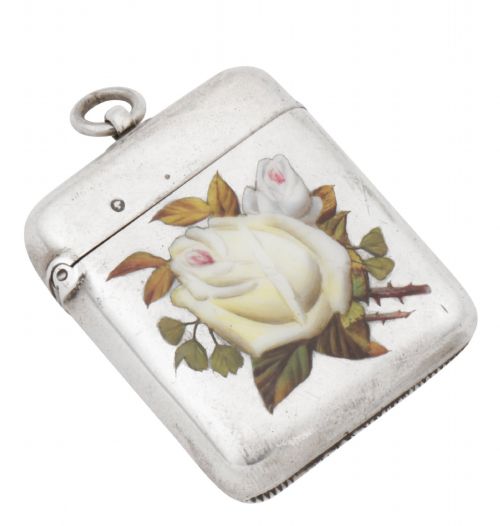
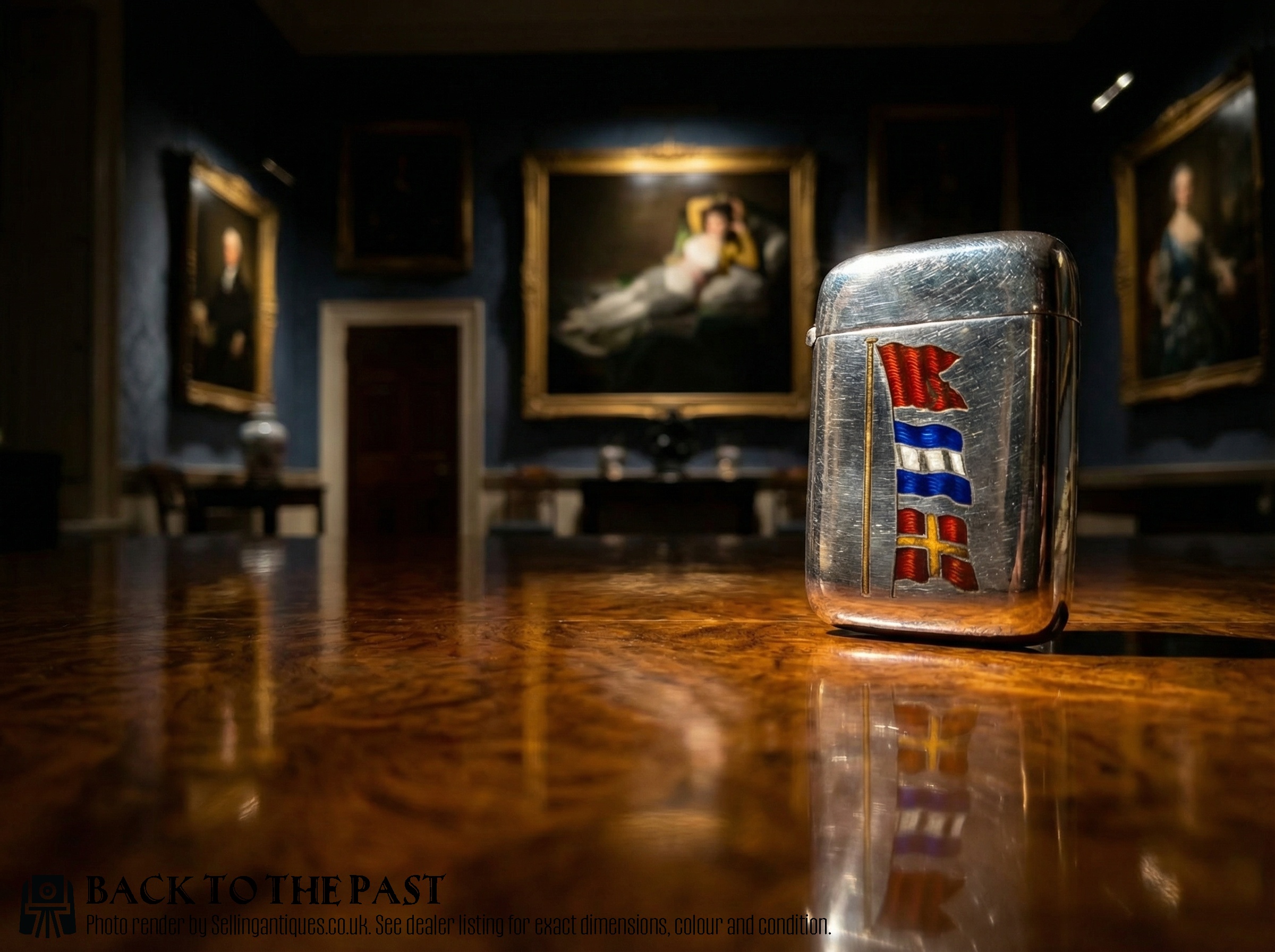
Specialist workshops added decorative elements such as painted enamel panels, applied rose gold accents, or textured finishes like crocodile skin and repoussé relief. Interior gilt surfaces, known as vermeil, protected the silver from corrosion caused by sulfur matches.
Victorian Silver Vesta Retail Price Guide 2026
Typical asking prices for victorian silver vesta among the pieces listed under this phrase on Sellingantiques today, from the lower quarter to the upper quarter. They describe what is for sale here now, not the wider market.
Listings feature sterling silver, enamel, rose gold, and 800 silver across Victorian and Edwardian forms.
What varies in quality
Quality in these pocket containers rests upon the crispness of the original hallmarks, the depth of the hand engraving, and the precision of the hinge mechanism. Finer examples retain sharp definition in their repoussé work and tight closure in their spring lids.
Makers distinguished their output through unusual forms, such as mechanical trick openers or detailed animal figures, which required advanced metallurgical skill. Pieces by renowned makers like Sampson Mordan display superior weight and finish compared to standard commercial output.
Sampson Mordan & Co·A & J Zimmerman·William Neale·Minshull & Latimer·William Hair Haseler·Nathaniel Mills
The Victorian Silver Vesta Glossary
- Vesta case
- A small pocket container designed to hold wax matches and keep them dry. These items typically feature a striated base for striking the match.
- Hallmark
- An official stamp impressed into precious metals that indicates the assay office, metal purity, and year of manufacture. British pieces usually display a lion passant and a date letter.
- Vermeil
- Sterling silver coated with a thin layer of gold on the interior or exterior surface. This technique added a rich colour and prevented tarnish from chemical contact.
- Sovereign case
- A small circular pocket holder made to fit gold sovereign coins securely. Makers often combined these with vesta compartments for travellers.
- Match safe
- An alternative term for a vesta case used widely in North America. These containers served the same portable function for lighting pipes and cigars.
Victorian Silver Vesta: Frequently Asked Questions
How do I use a vesta case?
Open the spring-loaded lid to retrieve a match, then strike it against the serrated file on the bottom of the case.
Keep the interior dry and clean to ensure matches ignite properly without sticking to the metal walls.
What is a novelty vesta?
Novelty vestas are match safes formed into sculptural shapes such as animals, boots, or miniature books. Makers designed these whimsical pieces to amuse Victorian gentlemen.
They represent some of the most sought-after examples in contemporary collections due to their detailed modelling.
How do I read the hallmarks?
Examine the inside rim or lid for tiny stamped symbols indicating the maker, assay town, and metal standard. A specific letter shape will point you to the exact year of production.
Consult a standard silver date guide to match the letter punch with its corresponding Victorian decade.
Can I attach a vesta to a watch chain?
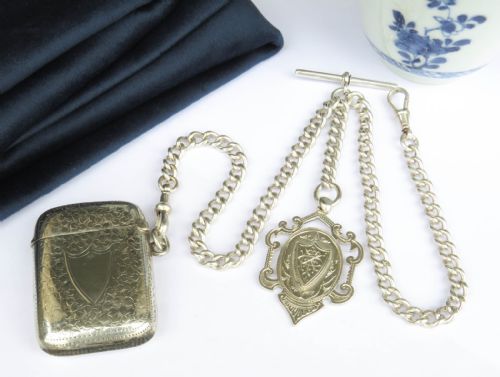
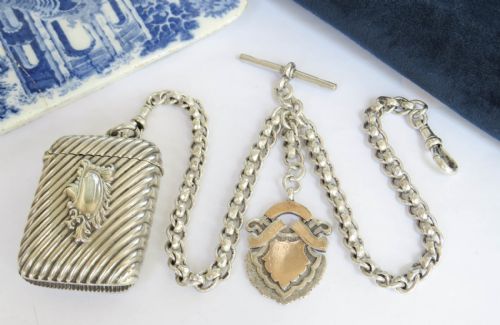
Many vestas feature a small suspension loop designed to hang from a pocket watch albert chain. You can secure the piece directly to your waistcoat using a standard swivel clip.
This method mirrors how Victorian users carried their matches alongside timepieces and fob medals.