

Victorian Silver Vesta Case
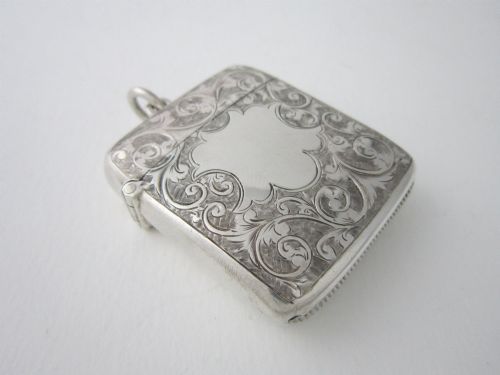
A victorian silver vesta case is a pocket-sized matchsafe that carries both utility and intricate nineteenth-century craftsmanship.
Victorian Silver Vesta Case
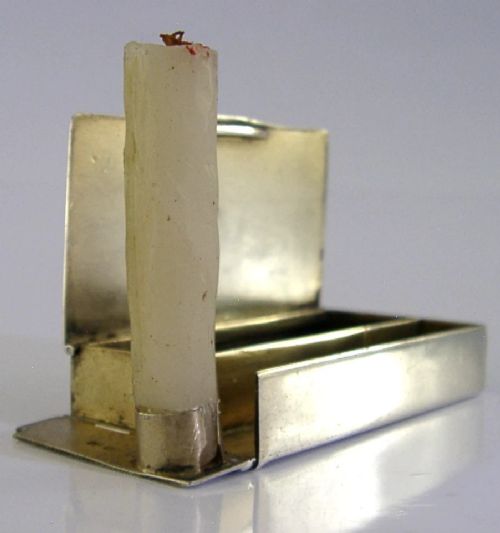
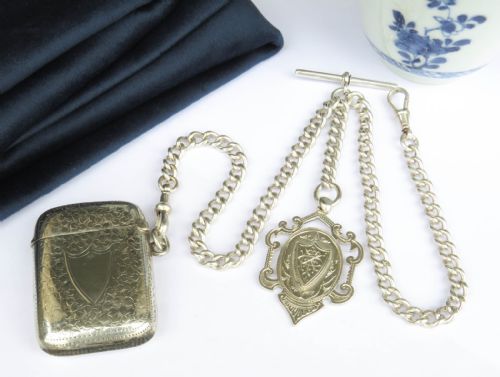
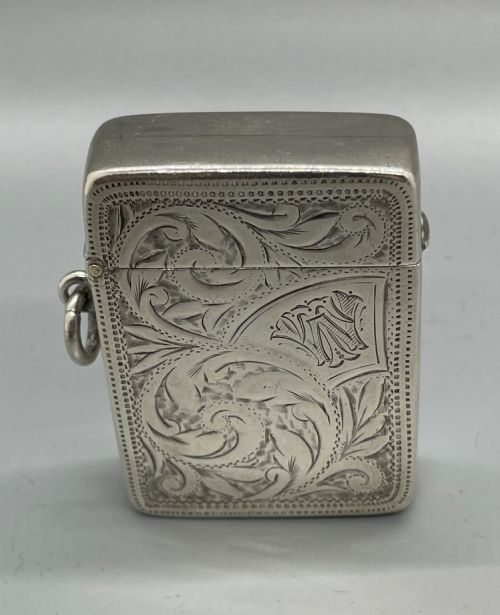
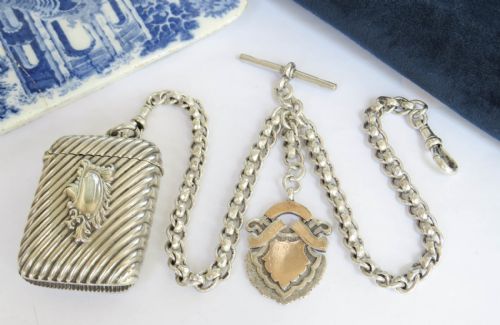
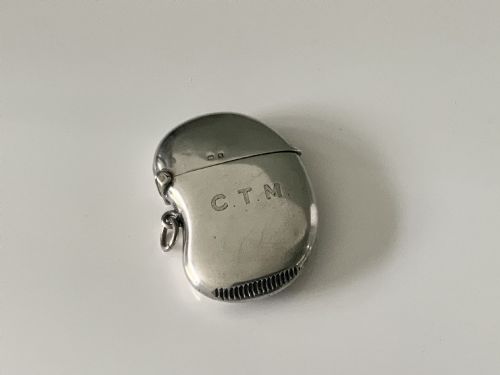
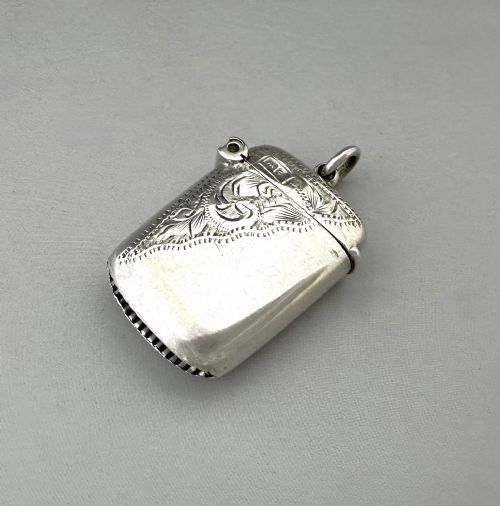
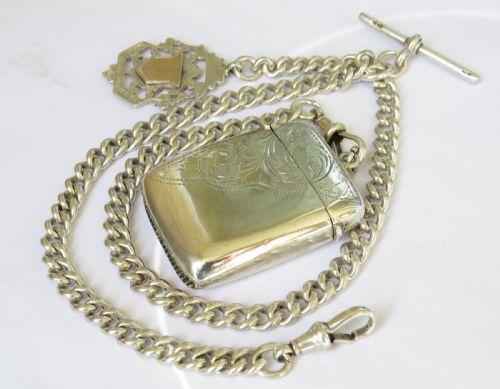
A victorian silver vesta case serves as a portable container designed to hold matches safely in the pocket or attached to a watch chain. These pieces reflect the daily habits of the nineteenth century when safety matches required dry carriage.
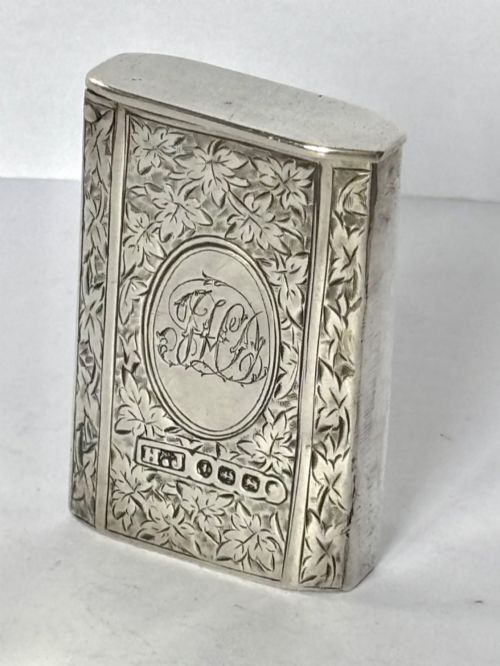
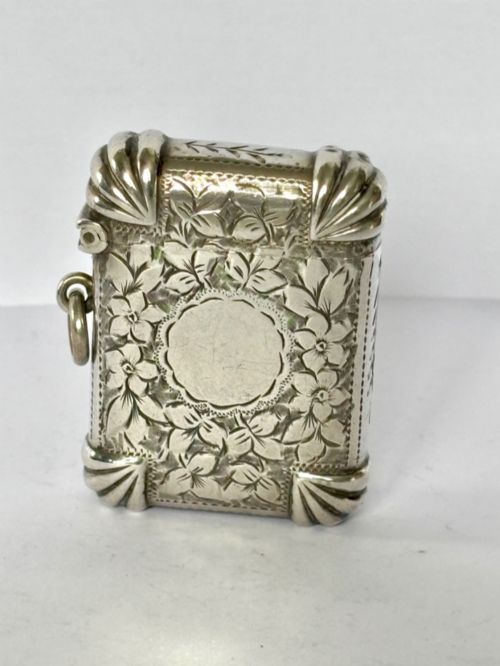
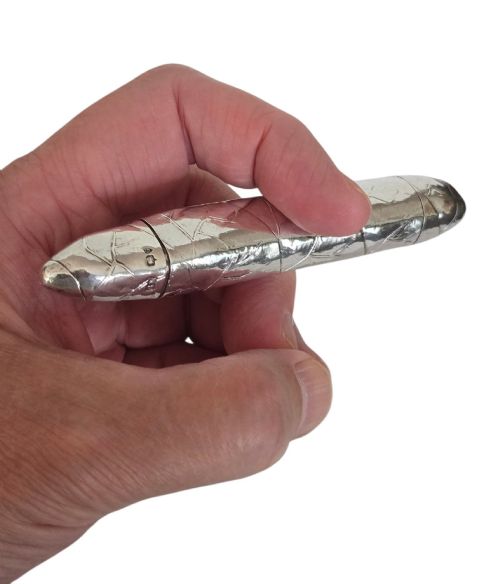
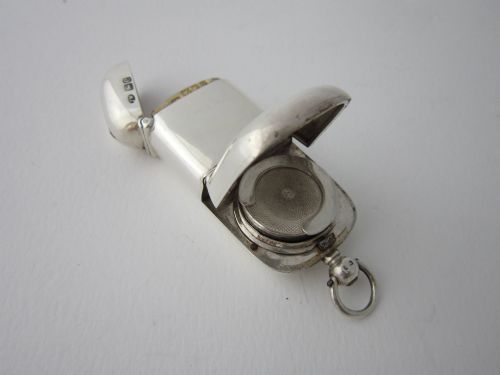
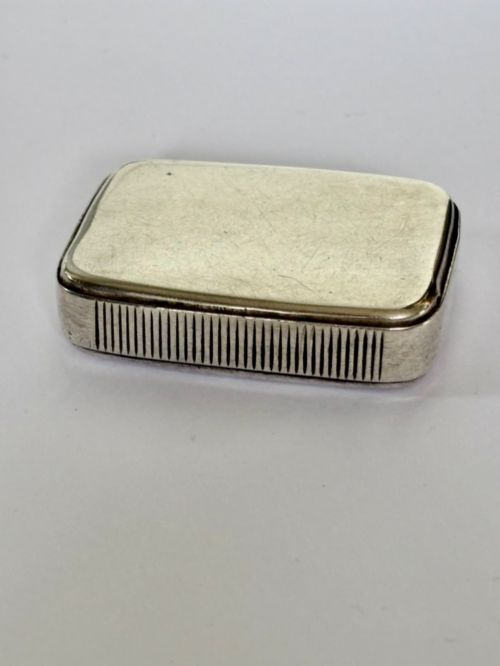
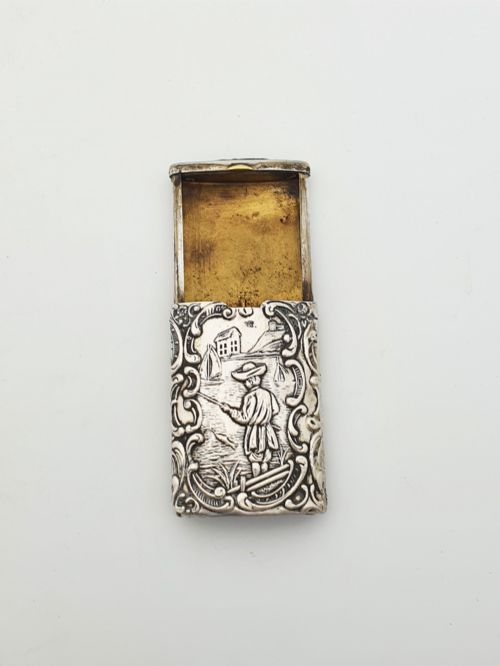
The standard forms on this page range from simple rectangular engraved boxes to elaborate novelty shapes and multi-use combination pieces. Collectors encounter both everyday hallmarked sterling silver examples and scarce animal or trick designs.
How They Were Made
Silversmiths utilised sterling silver sheets, forming them through pressing, casting, and hand-engraving to achieve distinct structural shapes. Many pieces incorporate specialised internal compartments, spring-loaded flip tops, and integrated strikers.
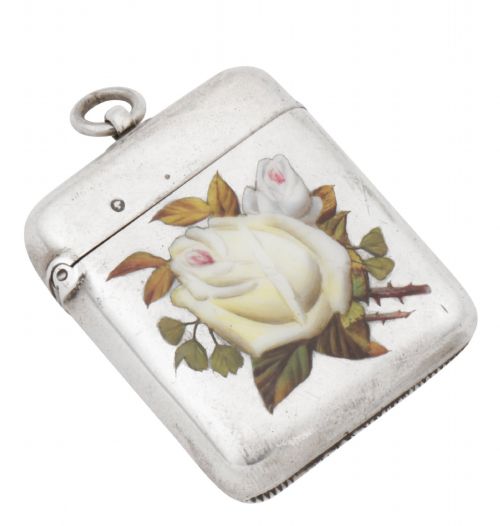
Enamelling, vermeil, and silver gilt applications added colour and surface contrast to select items. Continental 800 silver and nickel-plated brass also appear alongside traditional British hallmarked silver.
Victorian Silver Vesta Case Retail Price Guide 2026
Typical asking prices for victorian silver vesta case among the pieces listed under this phrase on Sellingantiques today, from the lower quarter to the upper quarter. They describe what is for sale here now, not the wider market.
Several vestas take the shape of bulldogs, pigs, and boots, proving that Victorian gentlemen enjoyed lighting their cigars with a touch of humour.
What Varies in Quality
The standard of execution separates standard pocket matchsafes from exceptional pieces. Finely cast novelty forms and detailed hand-painted enamel portraits demand superior skill compared to machine-engraved geometric surfaces.
Makers' marks and crisp hallmarks contribute significantly to desirability. Well-preserved spring mechanisms and heavy gauge silver plating elevate the integrity of surviving specimens.
Sampson Mordan·A & J Zimmerman·William Neale·Minshull & Latimer·William Hair Haseler·Horton & Allday
The Victorian Silver Vesta Case Glossary
- Vesta case
- A small pocket container specifically made to hold matches, featuring a roughened strip on the base for striking. These accessories became essential personal items during the Victorian era.
- Hallmark
- An official stamp applied by an assay office indicating the purity of the metal, the maker, and the year of production. British silver pieces typically display distinct leopard heads, crowns, and date letters.
- Sterling silver
- An alloy consisting of 92.5 percent silver and 7.5 percent other metals, usually copper, chosen for durability. This standard grade dominates nineteenth-century tableware and portable silver.
- Vermeil
- Sterling silver plated with a thin layer of gold. This technique provides the rich appearance of solid gold while maintaining a silver core.
- Novelty vesta
- A matchsafe shaped to resemble an animal, object, or humorous figure rather than a standard box. These whimsical designs were popular production choices for specific silversmiths.
Victorian Silver Vesta Case: Frequently Asked Questions
What is a vesta case used for?
A vesta case was designed to store dry matches safely in a pocket or handbag without accidental ignition. The textured base allowed the user to strike matches on the go.
These portable containers protected fragile early matches from moisture and friction during daily travel.
How do I date a silver vesta case?
Dating relies on the assay office hallmarks stamped directly onto the silver body. These marks include specific date letters that correspond to the year the piece was tested.
Stylistic cues such as aesthetic movement engraving or art nouveau curves also help narrow down the production period.
What is a combination vesta case?
A combination vesta pairs match storage with additional functions like sovereign holders, toothpicks, or stamps. These multi-purpose items consolidated several pocket necessities into one accessory.
They represent clever engineering from silversmiths catering to Victorian convenience.
How should I clean antique silver?
Cleaning requires a soft microfiber cloth and gentle silver polish formulated for antiques. Avoid harsh scrubbing that can wear away delicate hand engraving or thin gilding.
Preserving the natural patina maintains the historical appearance valued by collectors.