
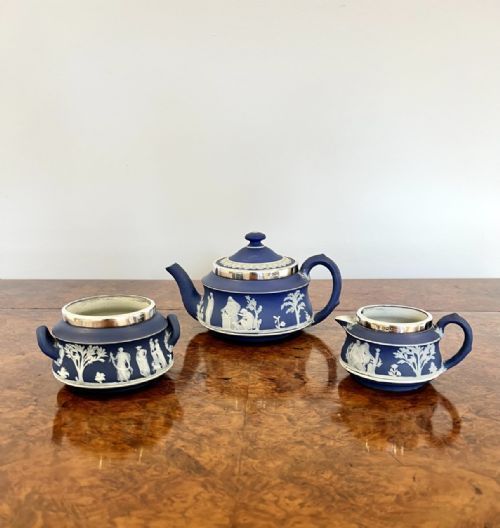


Victorian Silver Tea Set
When you search for a victorian silver tea set, you step into an era of domestic ceremony where solid sterling and heavy plate defined the table.
Victorian Silver Tea Set
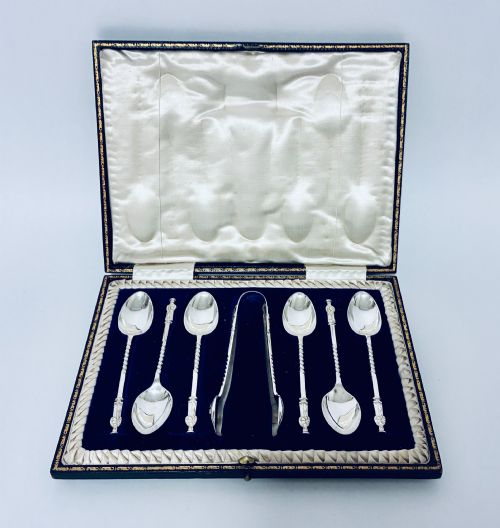
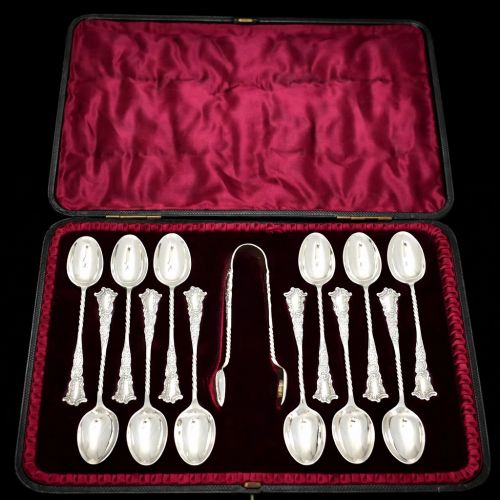
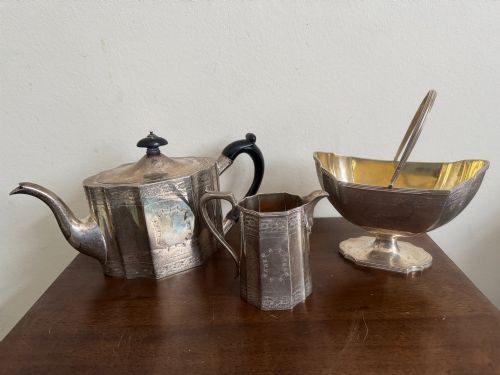
A victorian silver tea set encompasses complete three, four or five-piece tea and coffee services, alongside smaller bachelor sets designed for intimate rooms and cream and sugar pairings meant for afternoon gatherings. The pieces span solid sterling silver and silver plate, frequently appearing with matching spoons and sugar tongs housed in fitted velvet or silk-lined cases.
The aesthetic vocabulary stretches from restrained classical revivals like Adam and Gothic designs to exuberant Victorian Rococo, Louis style chasing, and exotic Anglo-Indian or Kutch motifs. Most examples encountered hail from the nineteenth century into the early twentieth century, reflecting the peak of British domestic metalwork.
Materials and construction
Silversmiths utilised sterling silver and silver plate over base metals, often applying silver-gilt finishes to spoons and interiors to prevent corrosion from tannin and sugar. Handles and decorative elements incorporate chased, embossed, and engraved detailing, with certain specialised services featuring ceramic components like Wedgwood Jasperware.
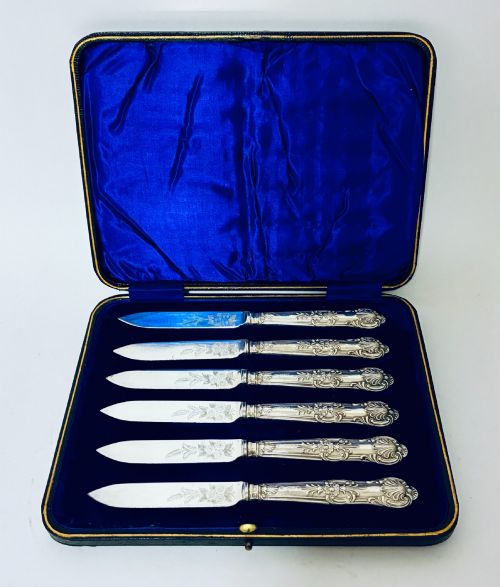
Production methods combined traditional hand-raising and hammering with newly mechanised Victorian industrial techniques. Fitted presentation cases lined in satin, leatherette, and velvet housed matched collections of teaspoons, butter knives, fruit knives, and sifter spoons.
Design influences range from Victorian Rococo revival and Gothic patterns to Russian cloisonné enamel and Anglo-Indian Kutch work.
Separating the grades of manufacture
Quality rests heavily on the depth and crispness of the chased or engraved ornamentation, distinguishing heavy hand-wrought repoussé work from shallow, mass-produced stamping. Substantial gauge silver provides a reassuring weight in the hand, whereas lesser services feel thin and prone to flex under pressure.
Maker attribution and provincial or major assay office marks elevate certain services, while complete, untouched matched sets in their original fitted cases command greater interest than assembled groups of disparate dates and makers.
Robert Stebbings·Robert Hennel·John Walton·William Hunter·Elkington·Edward Barnard And Sons·Roberts And Slater·George Fox
The Victorian Silver Tea Set Glossary
- Assay Office
- The official body that tested precious metals and stamped items with hallmarks to guarantee purity. British offices include London, Birmingham, Sheffield, Chester, and Exeter.
- Bachelor Set
- A smaller scaled tea or coffee service typically comprising three pieces, designed for intimate gatherings or smaller drawing rooms of the period.
- Silver-Gilt
- Sterling silver that has been coated with a thin layer of gold, often found on the interior bowls of sugar basins and teaspoons.
- Repoussé
- A metalworking technique where the artisan hammers the design from the reverse side to form a raised relief on the front.
- Fiddle, Thread & Shell
- A traditional nineteenth-century cutlery pattern featuring a fiddle-shaped handle stem bordered by a fine thread and topped with a shell motif.
- Cloisonné
- An enamelling technique where metal wire creates tiny compartments on a silver surface that are subsequently filled with coloured glass paste and fired.
Victorian Silver Tea Set: Frequently Asked Questions
What pieces comprise a standard service?
A standard Victorian tea service typically includes a teapot, a cream jug, and a sugar bowl, while larger variations extend to four or five pieces by adding a coffee pot and matching slop basin. Many services also incorporate fitted cased sets of teaspoons and sugar tongs.
Smaller bachelor sets reduce the scale for fewer guests, while related strawberry sets or afternoon tea groupings focus strictly on fruit and lighter refreshments.
How do I identify the date of a set?
Dating relies heavily upon the set of hallmarks stamped into the metal by official assay offices, which include symbols for the city, the standard of purity, and an annual date letter. Maker's marks further narrow down the exact period of production.
Stylistic cues such as Rococo chasing, Adam revival symmetry, or later Edwardian restraint also provide a reliable guide to the decade of manufacture.
How should I care for antique silver?
Care requires gentle cleaning with specialised silver polishes and soft cloths to preserve the delicate chased details and avoid wearing down thinner plated surfaces. Regular handling helps prevent tarnish accumulation in the recessed areas of the ornamentation.
When stored or displayed, keeping pieces away from direct moisture and using fitted velvet or leatherette cases protects the metal from unnecessary environmental wear.