




Victorian Silver Sugar Bowl
When you handle a Victorian silver sugar bowl, you hold the weight of nineteenth-century dining ritual and meticulous metalwork.
Victorian Silver Sugar Bowl
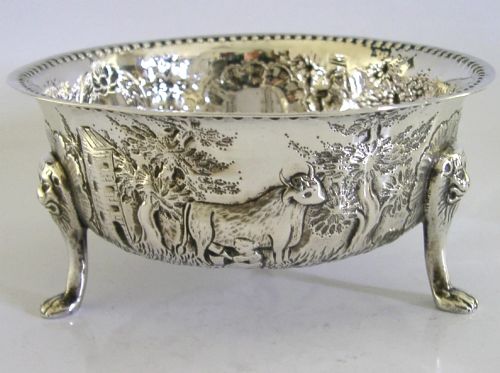
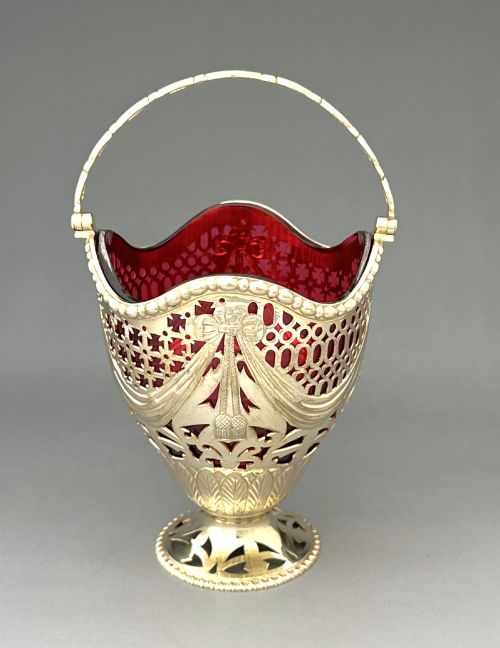
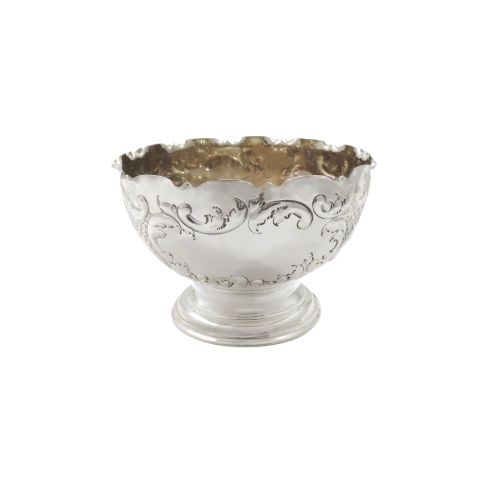
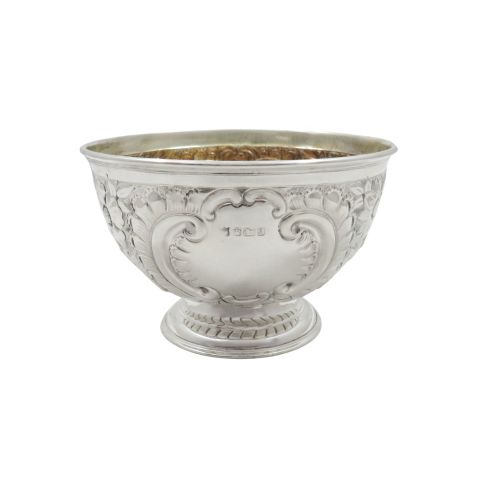
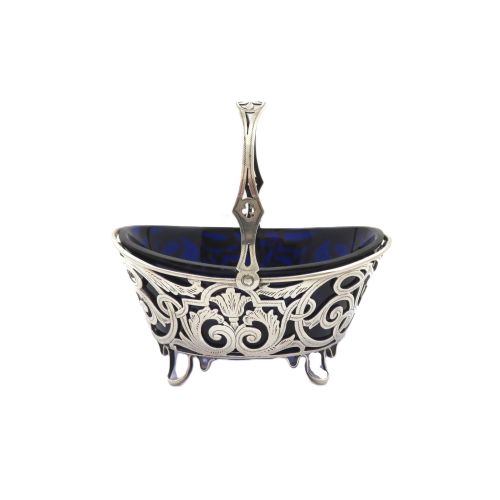
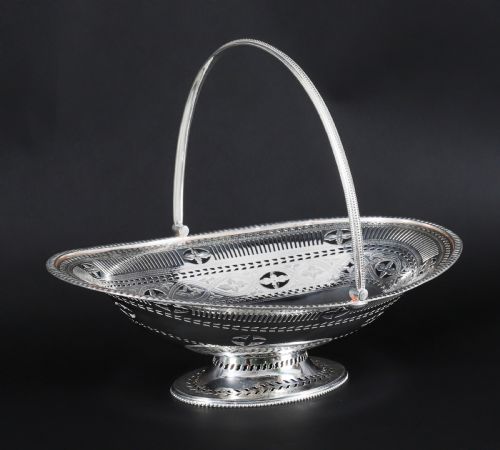
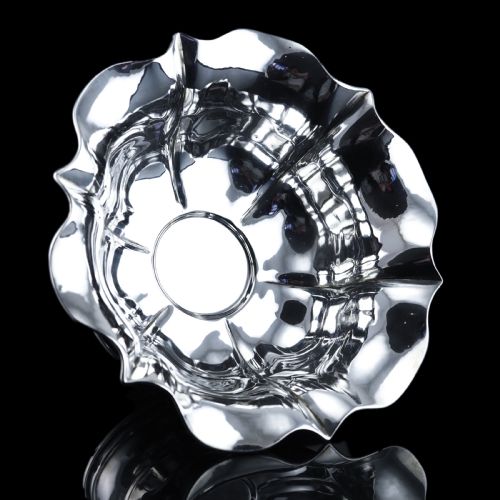
A victorian silver sugar bowl encompasses open bowls, footed pedestals, swing-handled baskets, and lidded boxes designed for table service. The most common examples met on this page span solid sterling silver and silver plate, often paired with contrasting glass liners.
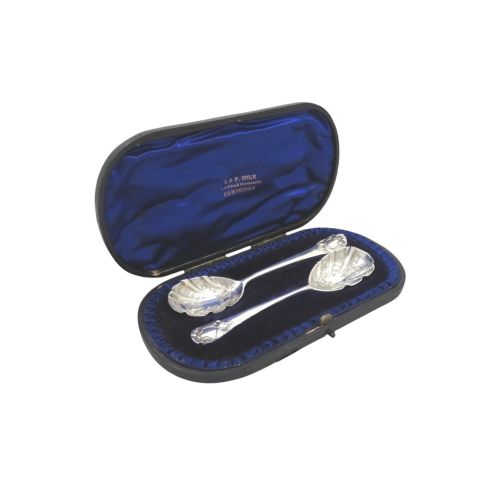
Makers produced these items alongside cream jugs and sifter spoons as part of larger tea and strawberry sets. Form follows function through the decades, shifting from heavy neo-classical influence to playful rococo revival and delicate art nouveau curves.
How they were made
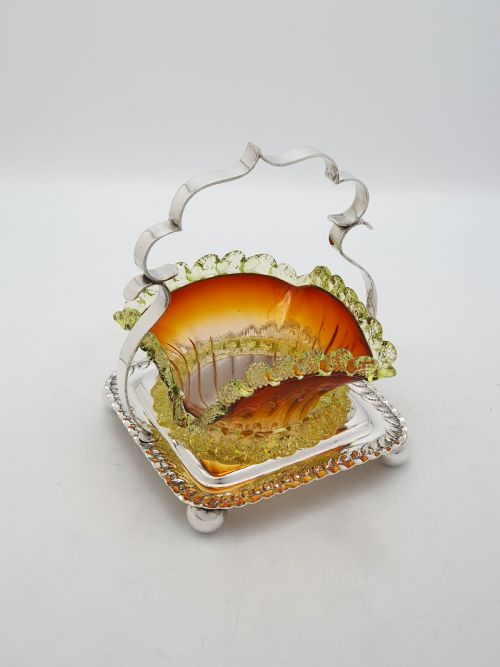
Silversmiths utilised sterling silver and silver plate, shaping metal through hammering, casting, and piercing. Many pieces incorporate decorative glass inserts, utilising cranberry glass, amber glass, and vaseline glass held securely within metal frames.
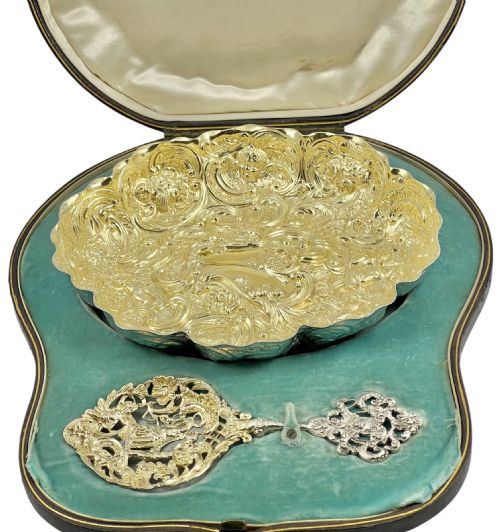
Surfaces often feature intricate chased floral patterns, fluted walls, or wickerwork texture achieved by hand. Silver gilt interiors add a layer of protective warmth against acidic contents.
Listings feature items spanning the Victorian era through the Edwardian period, incorporating materials like velvet, silk, and leather alongside sterling silver.
What varies in quality
The distinction between ordinary and exceptional work rests on the weight of the metal and the crispness of the chased or cast ornament. Pieces featuring hand-cast floral handles and substantial gauge silver sit firmly at the upper end of the scale.
Complete sets featuring matching sifter spoons, fitted leather presentation cases, or undamaged coloured glass liners command greater appreciation than solitary bowls missing their original accompaniments.
Elkington and Co·Edward H Stockwell·George Fox·William Neal·Atkin Brothers·Mappin and Webb·Hukin and Heath
The Victorian Silver Sugar Bowl Glossary
- Sterling silver
- A silver alloy containing ninety-two point five percent pure silver by mass, ensuring durability for functional tableware. This standard marks the majority of quality British pieces from the period.
- Silver gilt
- Silver covered with a thin layer of gold on its interior or exterior surfaces. This technique protects the silver from tarnishing when exposed to food.
- Cranberry glass
- A rich pinkish-red glass produced by adding gold chloride to the molten batch. It frequently appears as a vibrant liner inside open silver baskets.
- Sifter spoon
- A perforated spoon designed to sprinkle powdered sugar over fruit or desserts. These accompany many surviving sugar bowls from the era.
Victorian Silver Sugar Bowl: Frequently Asked Questions
How were these bowls used?
Victorian households utilised these vessels to serve lump or loose sugar during formal afternoon tea and dessert courses. They sat centrally on the table, frequently accompanied by matching cream jugs and dedicated sifter spoons.
Guests would use the spoons to transfer sugar onto their plates or cups. Many bowls also doubled as fruit or preserve holders, especially those fitted with coloured glass liners.
Are liners original?
Glass liners were blown specifically to fit the dimensions of individual metal baskets and frames during manufacture. Coloured glass elements like cranberry or vaseline glass were standard pairings for openwork silver frames.
Matching the exact tint and snug fit helps determine if a liner remains with its original companion piece. Replacements do occur due to the fragile nature of nineteenth-century glassware.
How do I date a bowl?
British hallmarked silver bears stamped duty marks, date letters, and maker marks that pinpoint the exact year of assay. Examining these tiny stamps reveals the office of origin and manufacturing year.
Stylistic shifts also provide clues when hallmarks are rubbed or absent. Early Victorian pieces favour classical proportions, whereas later examples lean into asymmetrical floral and art nouveau motifs.
How should I clean silver?
Gentle washing with warm soapy water and a soft cloth removes everyday dust and oils without harming the metal. Avoid harsh abrasive dips that strip away the aged patina accumulated over a century.
Glass liners should be washed separately to prevent moisture from trapping underneath the metal mounts. Regular handling and gentle wiping keep silver naturally bright.