
Victorian Silver Set
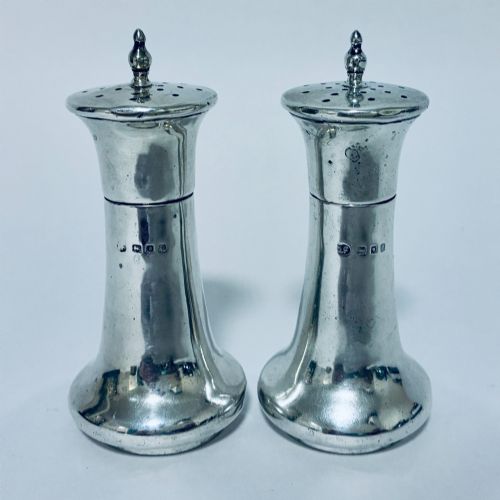
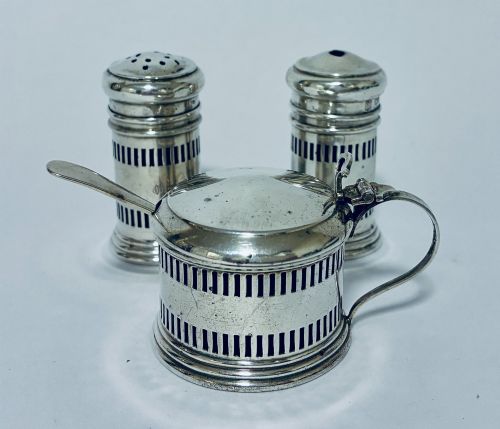
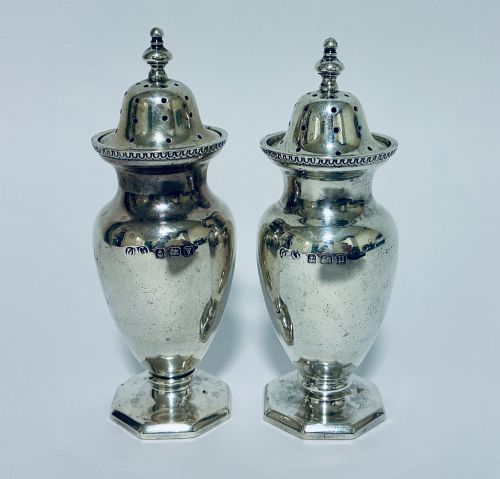
A victorian silver set brings together matched groupings of sterling or plated utensils, cruets, or travel wares shaped by nineteenth-century silversmiths.
Victorian Silver Set
When searching for a victorian silver set, buyers encounter a diverse selection of matched groupings spanning cutlery, cruet assemblies, christening gifts, and desk accessories. These collections date primarily from the nineteenth century, including specific decades such as the eighteen-eighties and eighteen-nineties alongside related Edwardian examples.
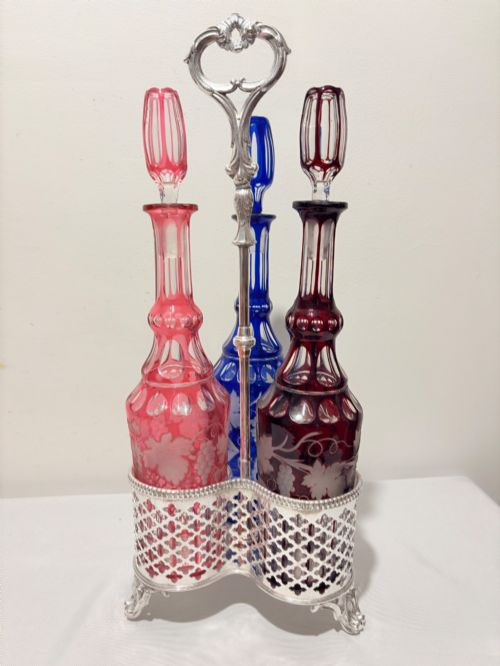
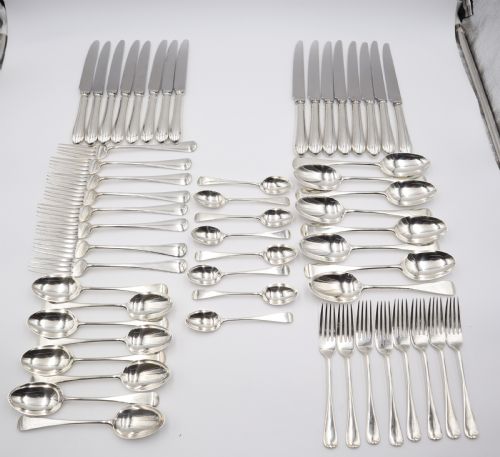
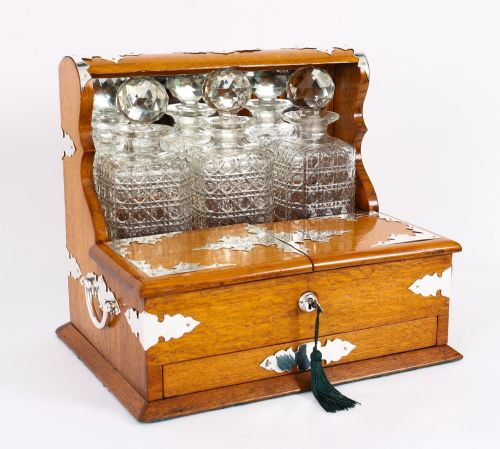
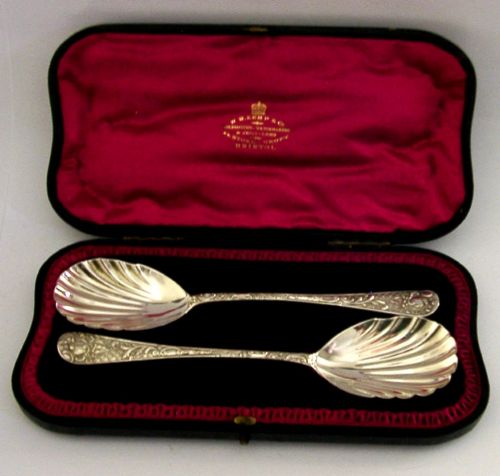
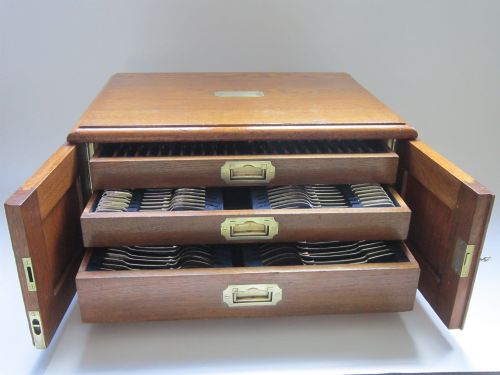
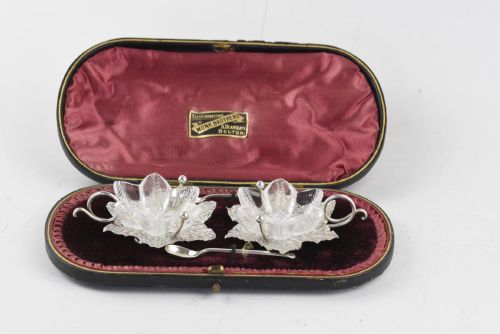
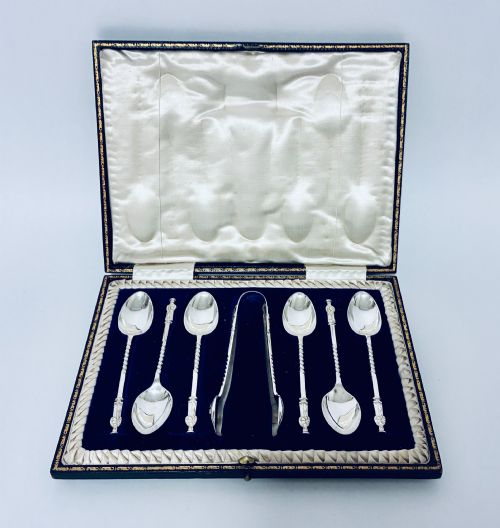
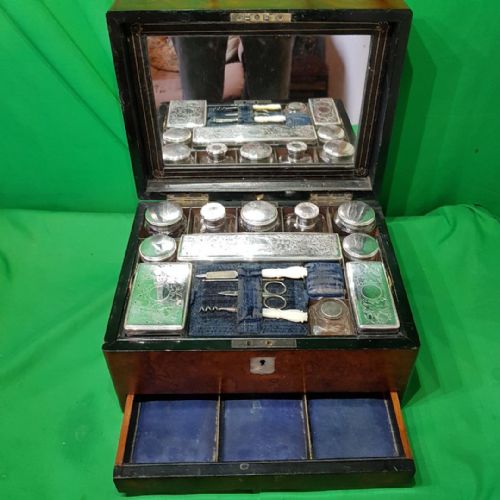
The most common configurations on this page include cased napkin rings, tea spoons with tongs, salt cellars with matching spoons, and multi-piece cruet stands. Larger formations like tea and coffee services, spirit cabinets, and carving sets also appear frequently, often housed in fitted wooden presentation boxes.
Many groupings combine solid sterling silver with utilitarian materials like glass liners, horn, agate, or velvet linings inside fitted cases. These matched sets served practical dining, writing, and travelling functions for households during the Victorian era.
How they were made
Makers utilised sterling silver and silver plate over base metals, shaping components through hammering, casting, and intricate engraving. Glass liners in salt cellars and condiment pots were blown or moulded to fit shaped metal frames.
Cased sets relied on fitted wooden boxes lined in velvet, silk, or leather to secure individual components safely. Handles on cutlery and serving pieces incorporated natural materials like mother-of-pearl, bone, antler horn, and agate, fixed securely to metal shafts.
Some condiment sets feature tiny silver dogs and belt-buckle napkin rings ready to guard the dinner table.
What varies in quality
The distinction between standard utility items and finer workshop production rests on the crispness of the chasing, the depth of hand-engraving, and the structural integrity of fitted presentation cases. Master silversmiths applied detailed figural motifs, such as Apostle figures or distinct regional patterns, with greater precision.
Completeness and original presentation heavily influence the standing of a set. Surviving matches with intact glass inserts, matching hallmarks across every single component, and original velvet-lined leather cases retain a higher degree of historical integrity than assembled or partial groupings.
James Dixon And Sons·Elkington·Walker And Hall·Wilkinson And Co·Charles And George Fox·William Comyns·Walter And John Barnard·Lee And Wigfull·John Walton·William Hunter
The Victorian Silver Set Glossary
- Sterling silver
- A silver alloy containing 92.5 percent pure silver by weight, standard for quality British tableware.
- Cruet set
- A matched assembly of small bottles, jars, or shakers designed to hold condiments at the dining table.
- Fiddle pattern
- A popular nineteenth-century cutlery handle design featuring a distinctive narrow stem expanding towards a broad, shoulders-shaped base.
- Apostle spoon
- A decorative spoon with the figure of an apostle cast or engraved on the terminal end of the handle.
- Tantalus
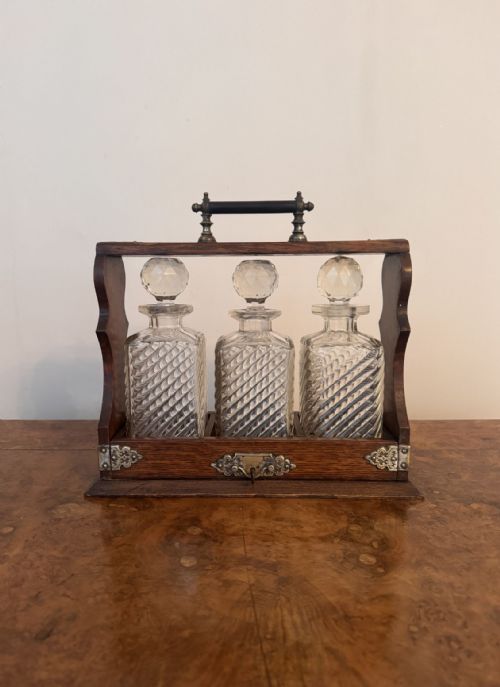
- A locking wooden frame holding decanters securely visible while preventing unpermitted access to the contents.
- Standish
- An inkstand or portable desk accessory fitted with inkwells, pen trays, and sanders.
Victorian Silver Set: Frequently Asked Questions
What is included in a christening set?
A christening set typically comprises a matching silver spoon and fork, sometimes accompanied by a matching knife or napkin ring. These items were traditionally presented to infants as enduring gifts for future use.
Such groupings usually bear matching hallmarks and arrive within fitted velvet-lined presentation boxes tailored specifically to hold the small pieces securely.
How do I identify a cruet set?
A cruet set consists of multiple matching containers for condiments, such as salt cellars, pepper pots, and mustard pots, often held within a dedicated silver or plated frame. They sit together on the dining table for easy seasoning.
Many examples include cut glass bottles with pierced silver caps or paired spoons designed specifically for transferring the contents.
What makes an aesthetic period set different?
Aesthetic period sets reflect the late nineteenth-century art movement that emphasised visual beauty and Japanese-inspired motifs over rigid historical revival styles. They often feature asymmetrical engraving, stylised flora, and mixed materials like banded agate.
These pieces break away from standard Victorian formality by incorporating bolder design choices while maintaining traditional functional purposes.
Were these sets originally cased?
Many silver groupings, particularly cutlery, christening gifts, and napkin rings, were sold in fitted wooden cases lined with velvet, silk, or leather. The interior contours match each specific utensil.
Original cases protect the contents from tarnishing and physical damage, preserving the items together as a unified set over generations.