

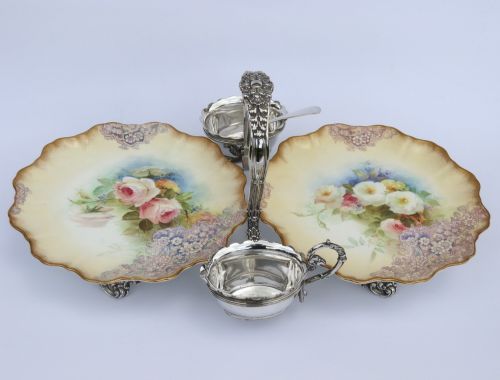


Victorian Silver Server
A victorian silver server handles the formal courses of a nineteenth-century table with the weight and gravity of solid metal.
Victorian Silver Server
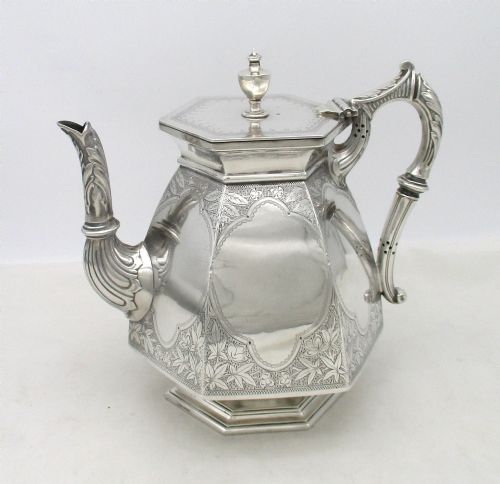
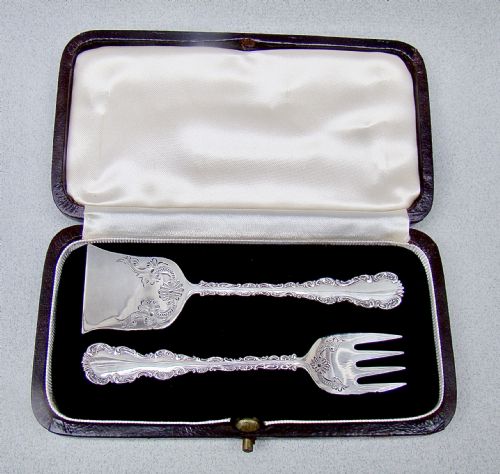
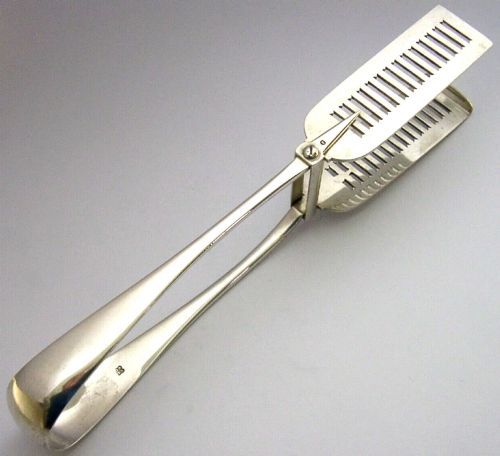
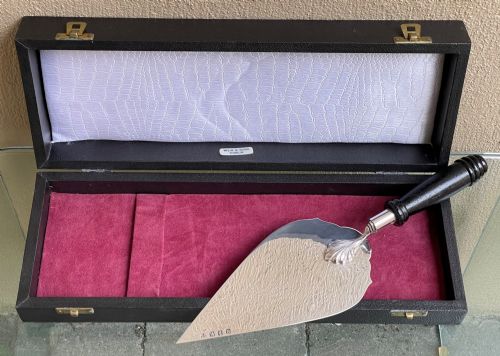
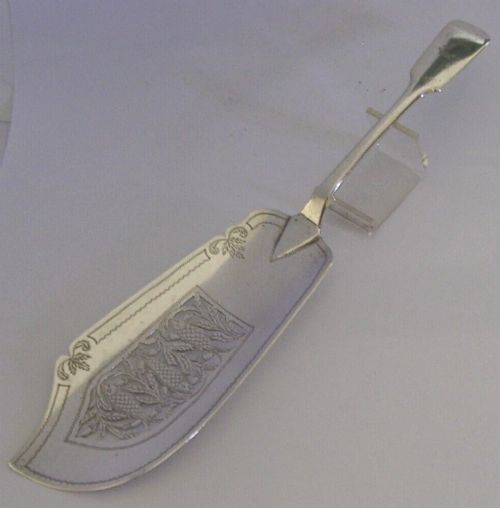
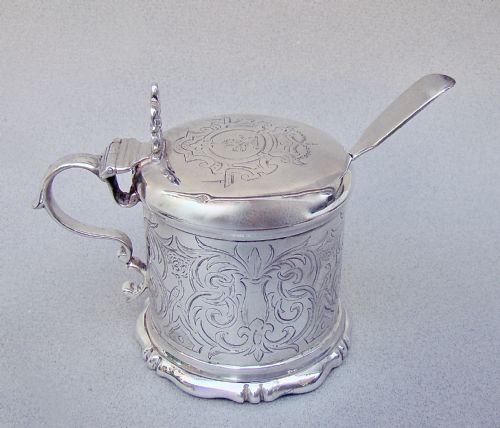
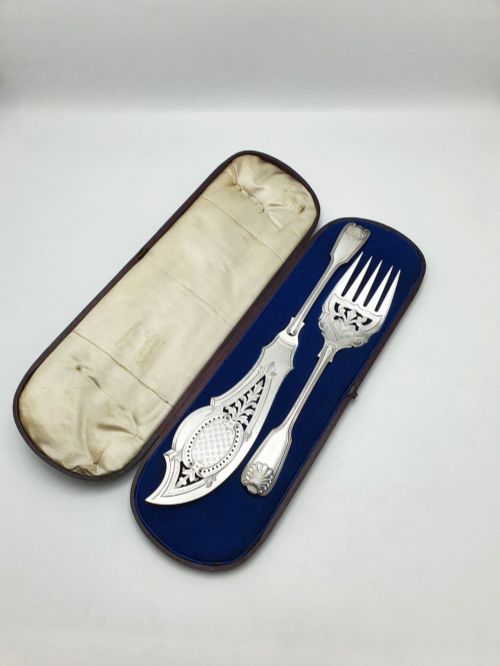
A victorian silver server encompasses specialist tableware designed for fish, pastry, asparagus, and fruit during the nineteenth century. These objects include solid sterling silver fish slices, cased sets with engraved blades, and heavy tongs for serving delicate foods.
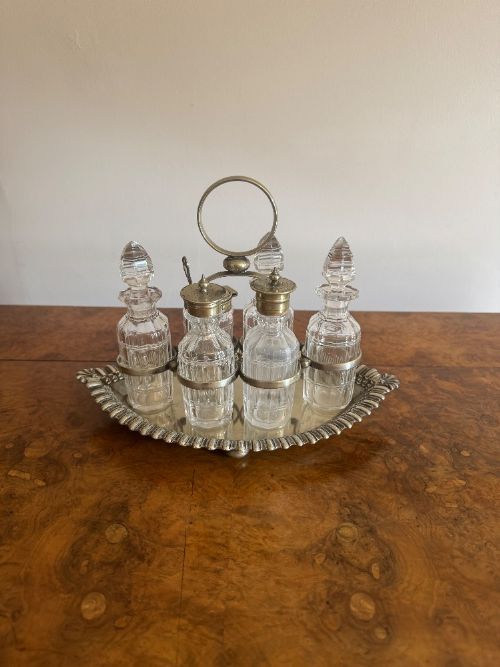
The pieces appearing in these collections span the Victorian period alongside related nineteenth-century styles such as the Aesthetic Movement and Rococo Revival. Makers fashioned these implements for specific dining rituals, resulting in perforated blades for fish and long, shaped tongs for asparagus or sardines.
Buyers encounter everything from single sterling basting spoons to cased pairs of fish servers featuring intricate scrollwork and fitted wooden boxes. The common thread is domestic dining utility executed in silver or heavy silver plate.
How They Were Made
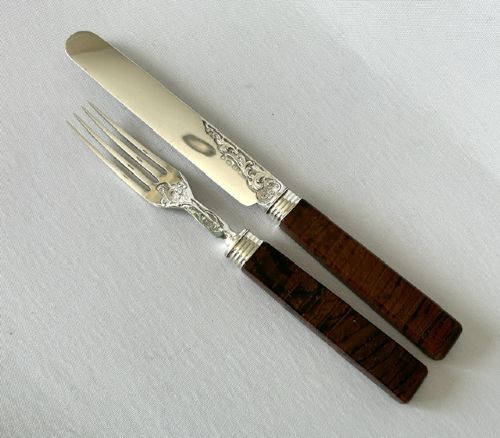
Silversmiths employed sterling silver or electroplated nickel silver over a base metal, applying techniques like hand-piercing, chasing, and engraving to decorate the blades and handles. Handles frequently incorporate organic materials such as mother-of-pearl, carved oak, agate, or velvet linings within presentation cases.
Blades and tines were often cast or beaten from sheet metal before receiving detailed hand-engraved motifs depicting fish, birds, scrolls, or family crests. Multi-piece sets combine silver working with fitted glass liners, ceramic bowls, or turned handles to create functional serving assemblies.
Dining etiquette once demanded a specific silver implement for every conceivable course, resulting in dedicated tools for asparagus, sardines, and pastry tarts.
What Varies in Quality
Quality rests in the thickness of the silver gauge, the crispness of the hand-pierced or engraved decoration, and whether the set retains its original fitted case. Substantial weight in the hand indicates superior sterling construction rather than thin plating.
The distinction between standard commercial production and finer work lies in bespoke detailing like crest engravings, cast figural handles, and maker marks from noted silversmith workshops. Preservation of original fitted boxes and matching component sets elevates the standing of an individual piece.
Henry Wilkinson·Elkington·Charles and George Fox·Walker and Hall·William Comyns·Thomas Bradbury·Martin Hall and Co·Frank Butler·Padley Parkin·Elizabeth Eaton·Lias·Tostrup·William Hutton and Sons·Thomas Prime and Son·Mappin and Webb
The Victorian Silver Server Glossary
- Sterling silver
- A silver alloy containing 92.5 percent pure silver by mass, with the remainder being copper or other metals. This standard grade governs the majority of fine British dining implements.
- Silver plate
- A layer of silver applied to a base metal core, such as copper or nickel silver. Manufacturers utilised this method to offer decorative tableware at a lower cost.
- Fish slice
- A broad, flat serving implement with a pierced or engraved blade designed for lifting fish portions at the table. Victorian examples often feature aquatic motifs or engraved dolphin decoration.
- Electroplated nickel silver
- A base metal alloy of copper, nickel, and zinc coated with a thin layer of silver through an electrolytic process. This technique became widespread during the nineteenth century.
- Basting spoon
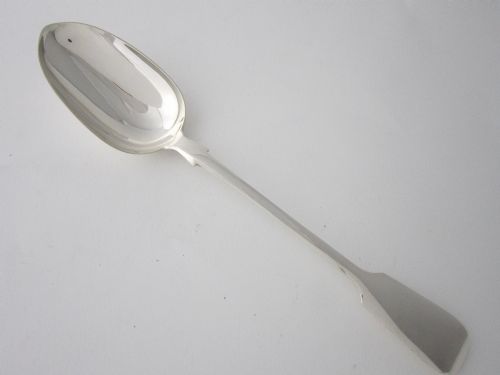
- A large spoon utilised for moistening roasting meat or serving portions from large bowls. These pieces often display fiddle pattern handles or family crests.
Victorian Silver Server: Frequently Asked Questions
Were these servers used every day?
Victorian households reserved silver servers for formal dinners, Sunday meals, and entertaining guests rather than casual daily dining. These objects belonged to extensive canteens or specialised cased sets.
The presence of velvet-lined presentation cases indicates that owners stored these implements carefully between formal occasions. Many surviving examples retain this pristine condition due to infrequent use.
How do I care for antique silver servers?
Cleaning requires a soft cloth and specialised silver polish designed to remove tarnish without abrading the metal surface or wearing down engraved details. Owners should avoid harsh chemical dips that strip away the historical patina.
Storing pieces in dry, tarnish-resistant wraps or original lined cases prevents oxidation. Hand washing in warm, soapy water immediately after use keeps acidic foods from pitting the silver.
Why do some servers have mother-of-pearl handles?
Mother-of-pearl provided a smooth, durable, and visually striking grip that contrasted with polished sterling silver or plated blades. It was particularly common on dessert servers, fruit knives, and fish forks.
The iridescent material resisted staining from fruit acids better than traditional bone or ivory handles. Makers carved and pinned these natural plates securely to the metal tangs.