



Victorian Silver Salt Dishes
These victorian silver salt dishes are small, exquisite vessels for the dining table, combining fine metalwork with coloured glass.
Victorian Silver Salt Dishes
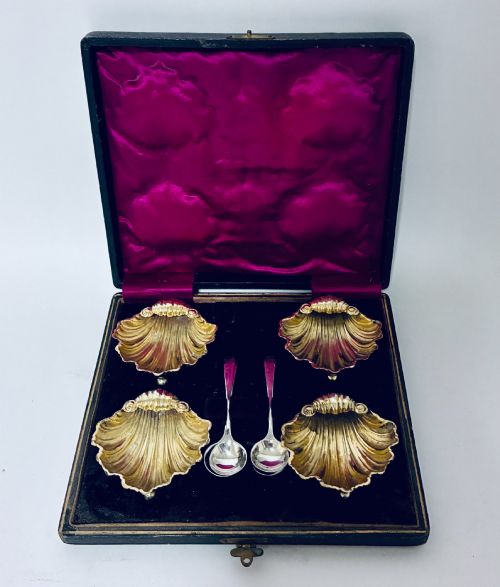
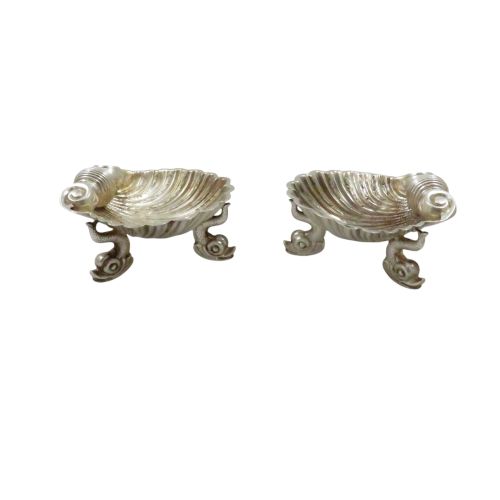
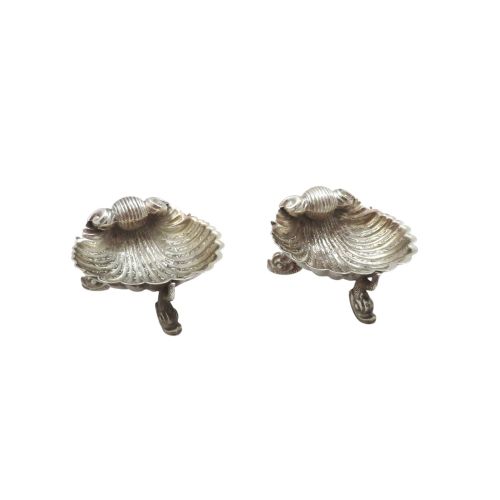
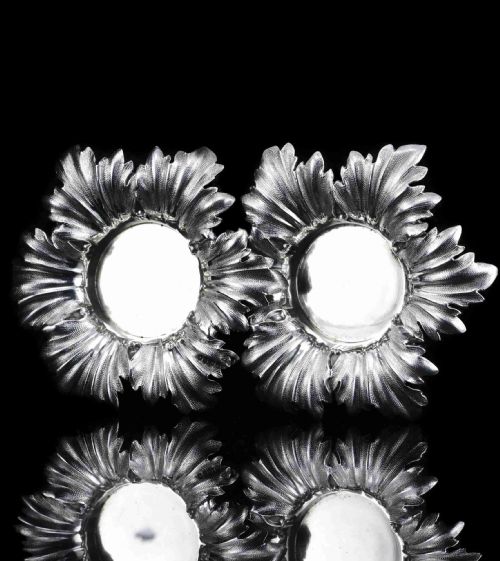
When you search for victorian silver salt dishes, you encounter a range of table salt cellars and small decorative bowls spanning the nineteenth century. The most common form on this page is the paired set, frequently designed in shell shapes or supported by dolphin and swan figures.
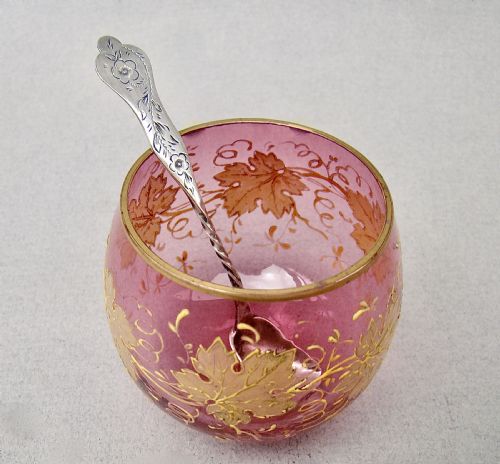
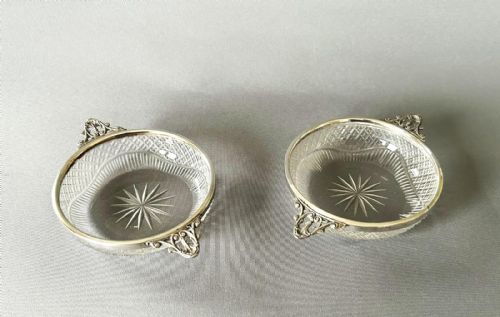
Makers utilised various periods and regional styles, from Georgian influences to Rococo revival motifs and Russian silverwork. Alongside standard sterling silver bowls, you will find pieces accompanied by contrasting cobalt or cranberry glass liners.
The selection extends to include horn bowls mounted in silver, boat-shaped vessels, and six-lobed cellars complete with matching spoons. These table accessories served a functional dining purpose before becoming collectible cabinet pieces.
Determinants of Quality
Quality rests heavily upon the crispness of the chased decoration and the complexity of the cast forms, such as figural bases shaped like swans or dolphins. Superior pieces maintain their original glass liners intact without chips or replacements.
The presence of matching original spoons and legible maker marks elevates a set beyond standard production. Cohesion within pairs or larger sets further distinguishes finer workshops from more common utility wares.
Victorian Silver Salt Dishes Retail Price Guide 2026
Typical asking prices for victorian silver salt dishes among the pieces listed under this phrase on Sellingantiques today, from the lower quarter to the upper quarter. They describe what is for sale here now, not the wider market.
Victorian dining habits occasionally demanded table salt housed inside swimming silver swans and leaping dolphins.
Barnards·Thomas Smily·Vale Brothers and Sermon
The Victorian Silver Salt Dishes Glossary
- Sterling silver
- A silver alloy containing ninety-two point five percent pure silver by mass, standard for quality British tableware.
- Cobalt glass
- A deep blue glass produced by adding cobalt oxide, frequently utilised for removable liners inside open salt cellars.
- Foliate chasing
- A metalworking technique where the silversmith hammers plant and leaf motifs directly into the surface from the front.
- Salt cellar
- A small open bowl placed upon the dining table to hold granular salt before individual shakers became widespread.
Victorian Silver Salt Dishes: Frequently Asked Questions
What were salt dishes used for?
Dining guests used these small open vessels to take pinches of salt during meals before modern shakers existed.
They sat directly upon the table, often accompanied by miniature spoons for serving.
How do I spot original glass liners?
Original glass liners fit the internal contours of the silver mount precisely without excess movement.
They typically display period characteristics such as hand-blown pontil marks or specific cobalt and cranberry colourations.
Are these salts sold in pairs?
Many listings feature matched pairs designed to sit symmetrically at opposite ends of a dining setting.
Larger gatherings occasionally required sets of four or more, sometimes found complete with fitted presentation cases.
How do I care for silver salt dishes?
Silver components require gentle cleaning with appropriate non-abrasive polishes to preserve fine chasing and hallmarks.
Removable glass liners should be washed separately in warm water to prevent chemical damage to the metal.