



Silver Salt Bowls Set
A silver salt bowls set brings dining history to the table, offering master craftsmanship from Victorian, Edwardian, and mid-century periods.
Silver Salt Bowls Set
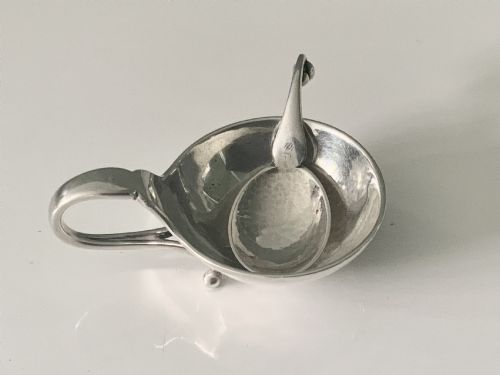
A silver salt bowls set comprises matched open vessels designed to hold salt at the dining table, frequently accompanied by matching spoons or presented within fitted cases.
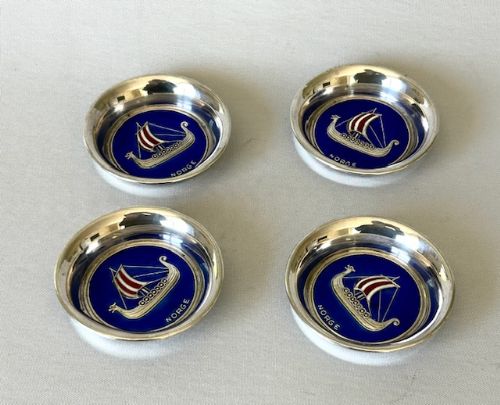
The selections available here range from Victorian sterling silver cauldron salts and lobed cellars to Art Nouveau, Art Deco, and Scandinavian Modern designs.
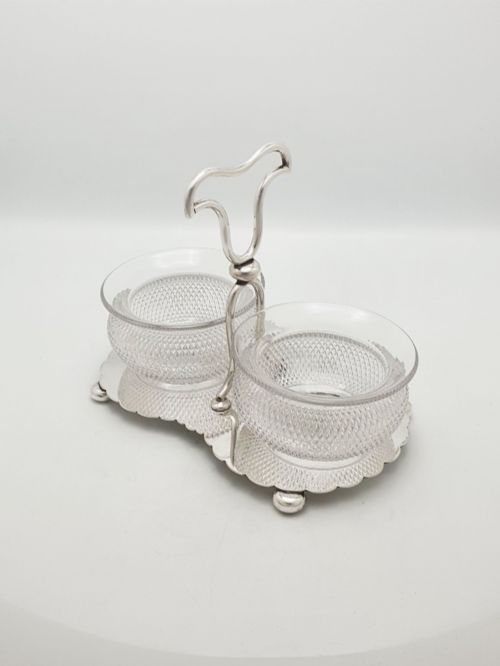
Beyond traditional table service, the evidence shows related forms including condiment stands, trinket dishes, and carved horn bowls with silver mounts.
Materials and construction
Makers utilised sterling silver and silver plate for the primary bodies, often pairing the metal with cobalt glass liners, enamel, velvet, or natural horn.
Techniques range from traditional silversmithing methods seen in London and Birmingham workshops to detailed carving and enamel work.
Silver Salt Bowls Set Retail Price Guide 2026
Typical asking prices for silver salt bowls set among the pieces listed under this phrase on Sellingantiques today, from the lower quarter to the upper quarter. They describe what is for sale here now, not the wider market.
Listings feature items spanning from the 1850s through the 1950s, incorporating materials such as cobalt glass, enamel, horn, and velvet alongside sterling silver.
Judging quality
Quality rests upon the crispness of the metalwork, the presence of original matching spoons, and whether fitted presentation boxes or cobalt glass liners survive intact.
Works bearing clear hallmarks from recognised silversmiths demonstrate greater documentary interest than unmarked pieces.
Thomas Smily·Vale Brothers and Sermon·Henry Hudson Plante·Georg Jensen
The Silver Salt Bowls Set Glossary
- Sterling silver
- A silver alloy containing 92.5 percent pure silver and 7.5 percent other metals, usually copper. This standard guarantees the metal quality of British pieces.
- Open salt
- A small bowl used before the invention of free-flowing table salt. Diners used a tiny spoon or fingers to take salt from the open vessel.
- Hallmark
- An official mark stamped on precious metals in Britain. It indicates the maker, the assay office, and the year of manufacture.
- Condiment stand
- A frame holding multiple vessels for seasonings like salt, pepper, and mustard. These often feature a central carrying handle.
Silver Salt Bowls Set: Frequently Asked Questions
How were silver salt bowls used?
Diners placed small open bowls at each place setting or shared them between guests. A tiny spoon or the tips of clean fingers served to transfer salt to the plate.
Before the invention of anti-caking agents, salt arrived at the table in solid lumps and required crushing. These decorative vessels kept the condiment tidy and accessible during formal meals.
Are original spoons usually included?
Many surviving sets retain their original matching spoons, though collectors frequently encounter bowls without them. Finding a complete matched group enhances the historical integrity.
When spoons are present, check the hallmarks to confirm they match the period and maker of the bowls.
How do I clean silver salt bowls?
Use a soft cloth and a reputable silver polish formulated to remove tarnish gently. Avoid harsh abrasive cleaners that scratch the delicate metal surface.
If the bowls feature glass liners, enamel, or horn mounts, take care to keep moisture away from those vulnerable materials during cleaning.
Can I use these for modern dining?
These pieces function well on modern tables for serving salts, spices, or small appetisers. Their historical design adds character to contemporary dining settings.
Take care to empty salt out after use, as prolonged contact with residual salt can corrode silver over time.