


Victorian Silver Pot
A victorian silver pot brings domestic utility and exquisite metalwork together, offering a tangible link to nineteenth-century dining and dressing habits.
Victorian Silver Pot
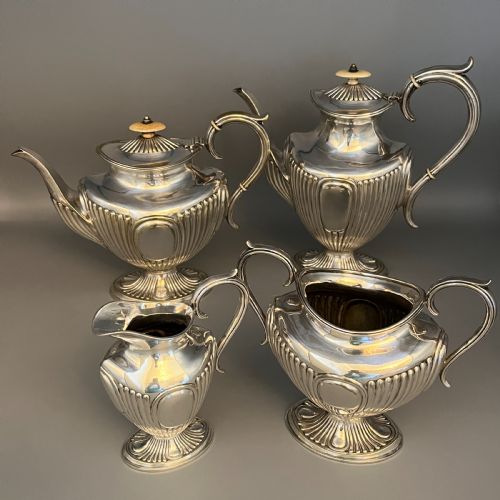
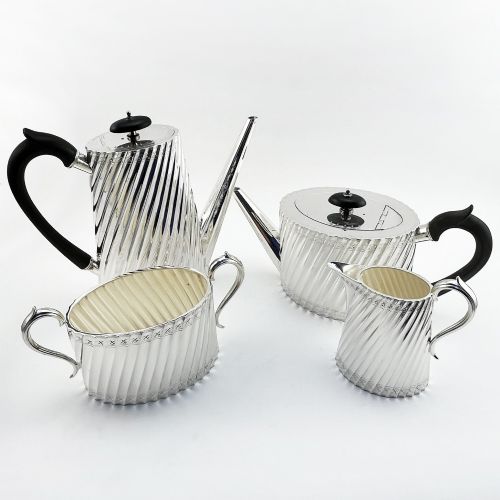
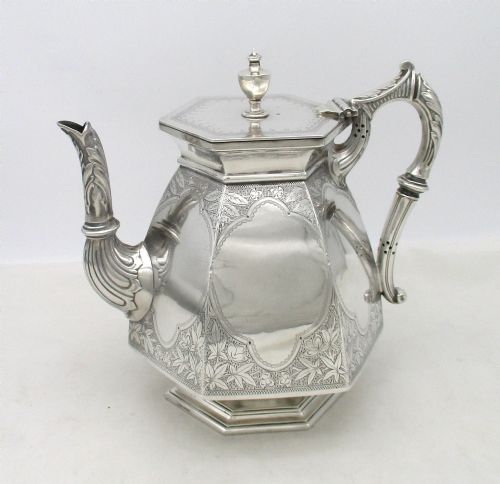
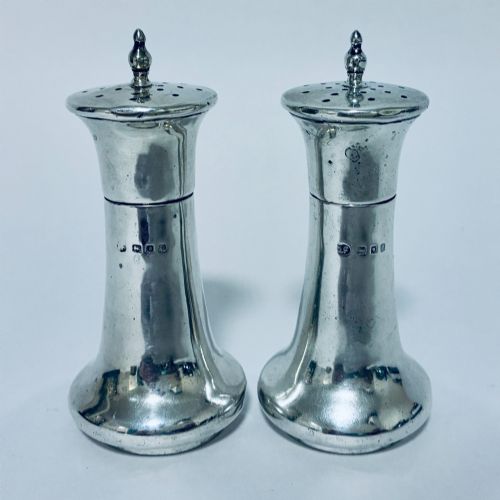
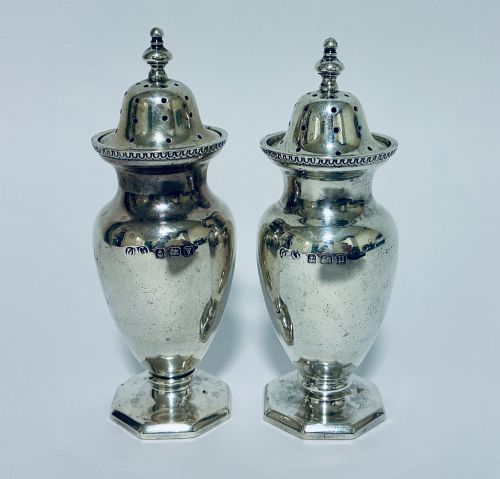
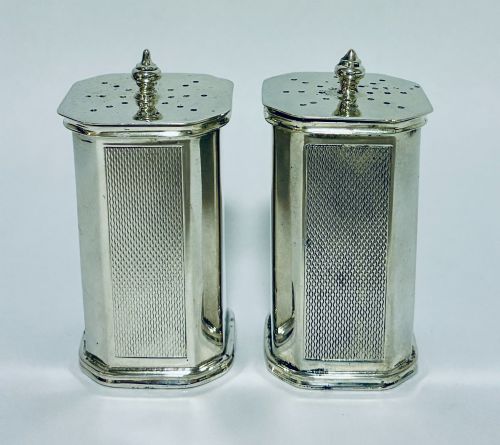
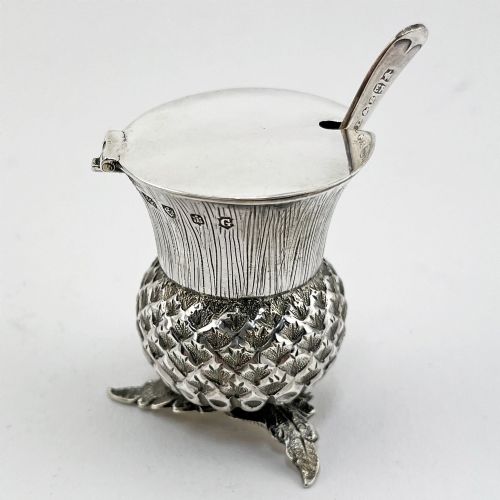
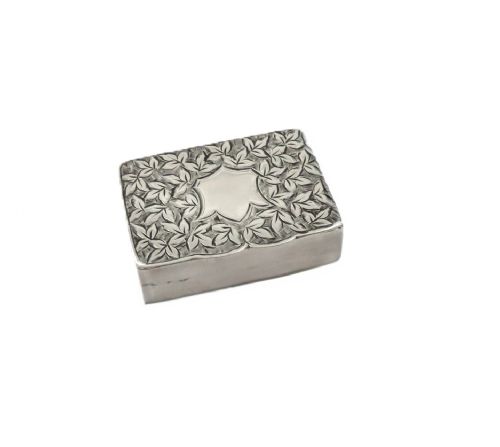
When searching for a victorian silver pot, a buyer encounters a diverse group of domestic vessels spanning mustard pots, pepper pots, tea pots, vanity pots, and pot pourri boxes. These items serve functional dining and dressing table roles, originating primarily from the Victorian and Edwardian periods.
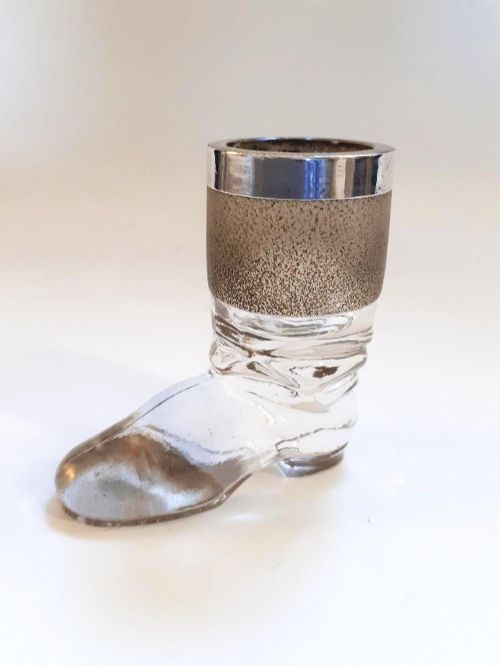
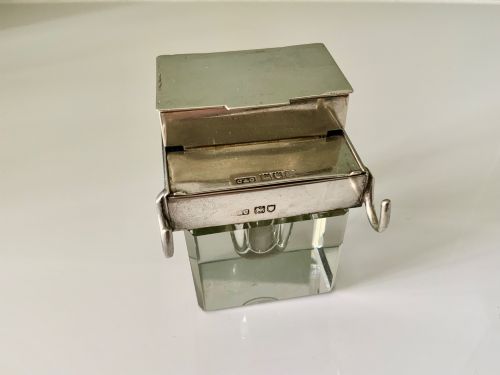
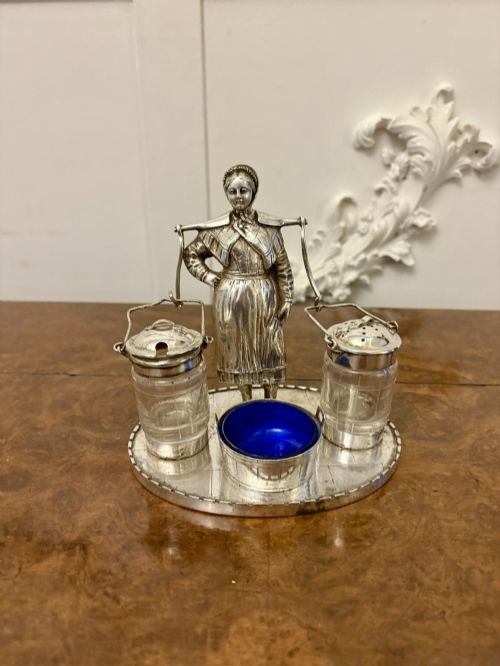
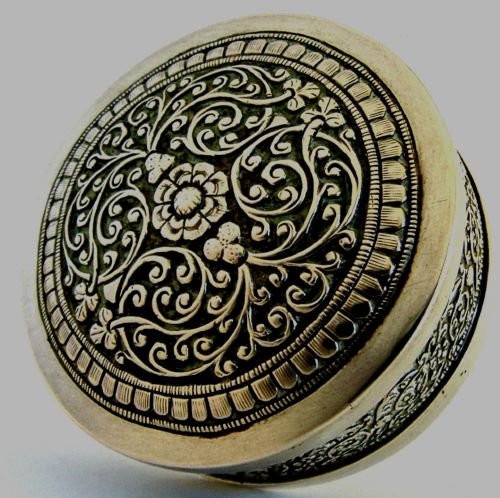
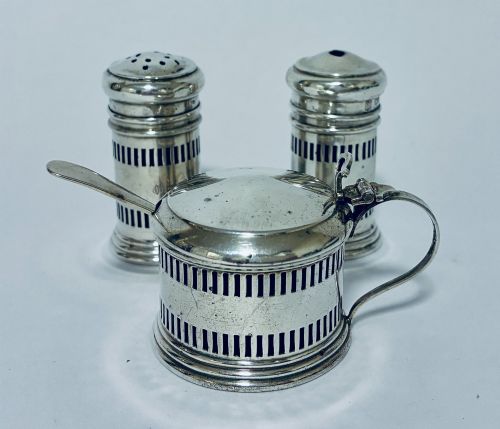
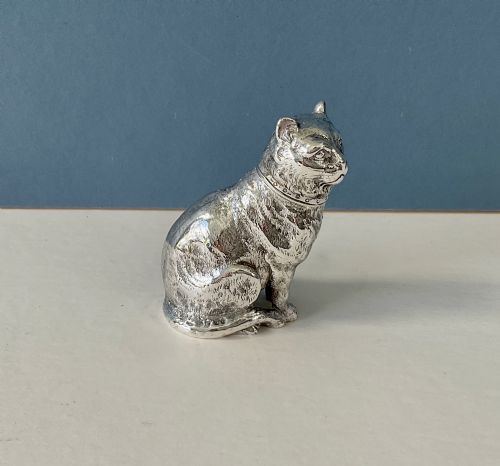
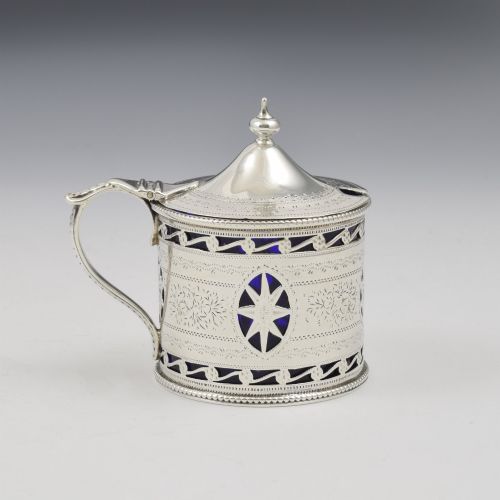
The versions most frequently met on this page include pierced silver drum mustard pots, novelty animal peppers, and sterling silver vanity boxes. Alongside standard table condiments, collectors find specialised vessels incorporating glass liners and hinged lids.
The selection encompasses diverse styles ranging from strict Georgian revival forms to Aesthetic Movement designs and whimsical Victorian novelties. Pieces often arrive as individual vessels or as components of larger cruet and condiment sets.
Materials and construction
Makers utilise sterling silver, solid silver, and silver plate as the primary metallic foundations for these vessels, frequently combining them with cobalt glass, cranberry glass, or cut glass liners. The integration of glass with metal creates contrast in mustard pots, glue pots, and preserve bowls.
Craftsmen employ piercing, repoussé, and casting techniques to decorate the silver bodies, particularly evident in drum mustard pots and novelty figural peppers. Hinged lids, delicate handles, and fitted spoons demonstrate specialised silversmithing methods of the nineteenth century.
Victorian Silver Pot Retail Price Guide 2026
Typical asking prices for victorian silver pot among the pieces listed under this phrase on Sellingantiques today, from the lower quarter to the upper quarter. They describe what is for sale here now, not the wider market.
Listings feature sterling silver, silver plate, and glass across Victorian and Edwardian forms.
Factors of distinction
The standard of a piece rests heavily on the crispness of its chasing, the weight of the metal, and the reputation of the silversmithing workshop. Heavier gauge silver and deeply defined pierced work elevate an object above simpler commercial productions.
Integrity of components also dictates value, particularly the presence of matching original glass liners in mustard pots or cruet bottles. The survival of clear hallmarks and maker marks ensures secure attribution and confirms period authenticity.
Nathan and Hayes·Frederick Brasted·Charles and George Fox·William Comyns·Padley Parkin and Staniforth·Mappin Brothers·James Deakin and Sons·The Barnards·Samuel Jacobs·Edward and John Barnard·Haseler Brothers·William Eaton·George Unite
The Victorian Silver Pot Glossary
- Hallmark
- Official stamps applied to precious metals indicating the assay office, standard of purity, and year of manufacture.
- Cruet set
- A matched collection of bottles or pots designed to hold condiments like mustard, pepper, oil, and vinegar upon the dining table.
- Pierced work
- A decorative technique where metal is cut through to create openwork patterns, commonly seen on mustard pot walls.
- Novelty silver
- Objects fashioned into humorous or unusual shapes, such as animals, birds, or everyday items, rather than traditional geometric forms.
- Pounce pot
- A small perforated container used to sprinkle sand over wet ink to absorb excess moisture during writing.
Victorian Silver Pot: Frequently Asked Questions
What were mustard pots used for?
These vessels held prepared mustard on the dining table, often paired with a tiny spoon for serving.
Their presence in silver and glass highlights the formal nature of nineteenth-century dining.
What is a cruet set?
A cruet set combines multiple condiment pots and bottles within a single metal frame or stand.
These sets typically organised items like mustard, pepper, oil, and vinegar for communal table use.
How do I care for silver pots?
Silver vessels require gentle cleaning with specialised silver cloths to maintain their polish without removing fine detail.
Keeping them away from damp environments protects any internal glass liners and hinged mechanisms.