




Engraved Silver Plated Pot
These engraved silver plated pot examples span centuries of tableware, offering both practical charm and decorative elegance to your home.
Engraved Silver Plated Pot
When you search for an engraved silver plated pot, you enter a diverse group of hollowware spanning tea and coffee vessels, gravy warmers, and salt cellars. The evidence shows these items reaching back to the eighteenth century and stretching through the Regency, Victorian, and Edwardian eras.
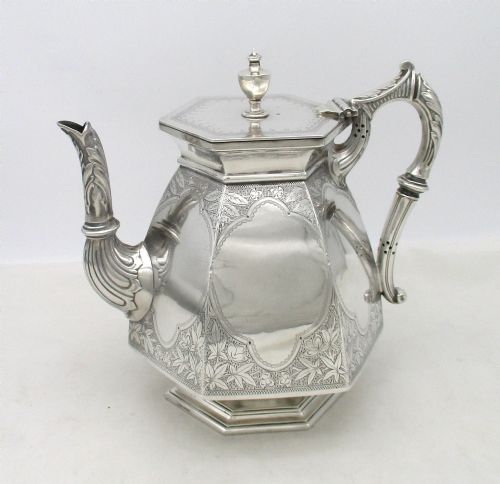
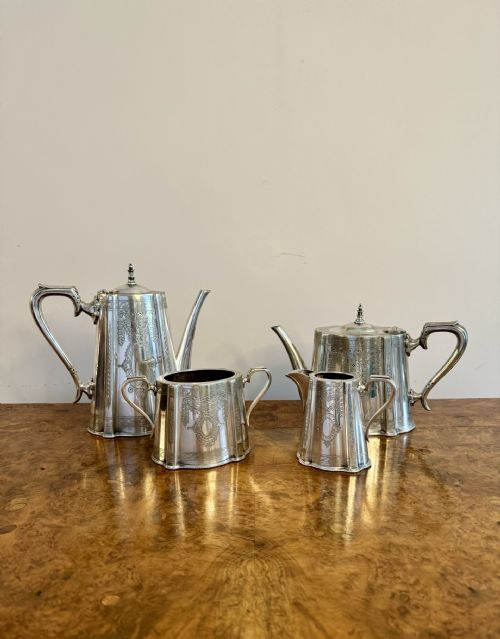
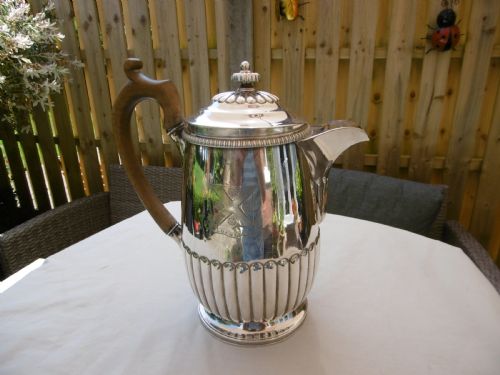
The version you are most likely to meet on this page is a nineteenth-century silver plated coffee pot or tea service, often enriched with detailed surface engraving and sometimes paired with materials like wood, bone, or cranberry glass.
The selection ranges from single serving pieces to complete four-piece tea and coffee sets, reflecting the shifting domestic habits of British households over successive generations.
How they were made
Makers shaped these vessels from base metals or copper fused with a thin layer of silver in Old Sheffield plate, or later utilised electroplated nickel silver as technology advanced. Artisans then applied manual engraving techniques to decorate the body with crests, foliate scrolls, and geometric motifs.
Handles and insulators frequently incorporated organic elements such as wood or bone to prevent heat transfer during use, while liners in smaller vessels utilised coloured glass like cranberry glass.
Engraved Silver Plated Pot Retail Price Guide 2026
Typical asking prices for engraved silver plated pot among the pieces listed under this phrase on Sellingantiques today, from the lower quarter to the upper quarter. They describe what is for sale here now, not the wider market.
The material record on this page spans traditional silver plate, electroplated nickel silver, Old Sheffield plate, wood, bone, and cranberry glass across the eighteenth and nineteenth centuries.
What varies in quality
The distinction between standard domestic wares and top-tier pieces rests on the crispness of the hand-engraving and the structural integrity of the metal beneath the plating. Early Old Sheffield plate displays a different edge profile compared to later electroplated items, influencing how the silver layer wears over generations.
Heavier gauge metal and balanced handles denote a higher grade of manufacture, alongside documented maker marks from renowned workshops that signify superior artisan skill.
Walker and Hall·Padley Parkin and Staniforth·Matthew Boulton·Boardman Glossop and Co
The Engraved Silver Plated Pot Glossary
- Old Sheffield plate
- A fused composite material made by melting a sheet of silver onto a heavier copper core before fabrication. This technique precedes nineteenth-century electroplating methods.
- Electroplated nickel silver
- A base alloy of copper, nickel, and zinc coated with a layer of pure silver through an electrical bath process. This became the dominant manufacturing method in the Victorian period.
- Aesthetic Movement
- A late nineteenth-century design style that favoured asymmetry, nature-inspired motifs, and Japanese influences over heavy Victorian ornamentation. Pieces from this movement display restrained, artistic decoration.
- Argyll
- A specialised warming vessel designed to keep gravy or sauces hot at the table via an internal hot water chamber. These pieces feature double-walled construction for thermal retention.
- Cranberry glass
- A rich red transparent glass blown into decorative liners for open salt cellars and tableware. The distinct colour comes from the addition of gold chloride to the molten glass batch.
Engraved Silver Plated Pot: Frequently Asked Questions
Can I still use these pots for serving tea or coffee?
Many of these vessels remain structurally sound for serving hot beverages, provided you inspect the interior for cleanliness and historical repairs first. Older vessels may require a thorough rinse and check before actual table use.
For daily service, ensure you handle wooden or bone insulators with care to avoid thermal shock or weakening the joints.
How can I tell Old Sheffield plate from later electroplate?
Old Sheffield plate often reveals a thin line of copper showing along the cut edges or wear points where the silver sheet has thinned over time. Electroplated nickel silver shows a uniform grey base metal underneath where the silver has worn away.
Examining the weight and construction seams also helps distinguish the older fusion technique from later mass-produced plating.
What does a family crest on a pot signify?
Engraved crests and armorial bearings indicate that the original owner commissioned the piece to display their lineage or family identity. These bespoke additions often match records of the period and add historical context to the object.
Matching crests across different items in a service suggest they were ordered as a unified suite for a household.