






19th Century Coffee Pot
A 19th century coffee pot brings tangible history to the table, offering a functional vessel that reflects the craft of silver, copper, and porcelain from earlier eras.
19th Century Coffee Pot
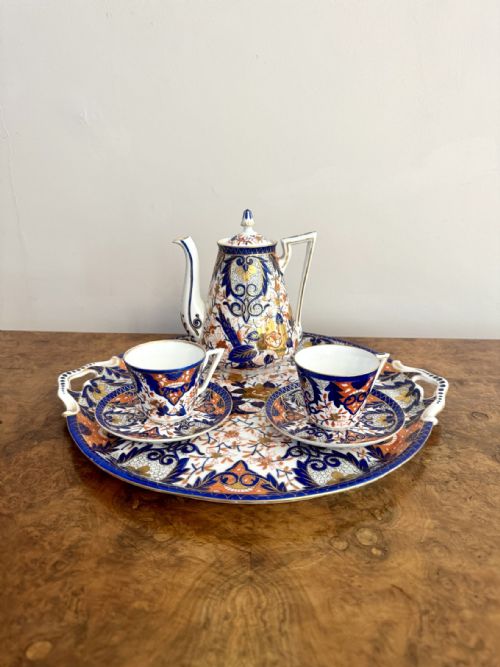
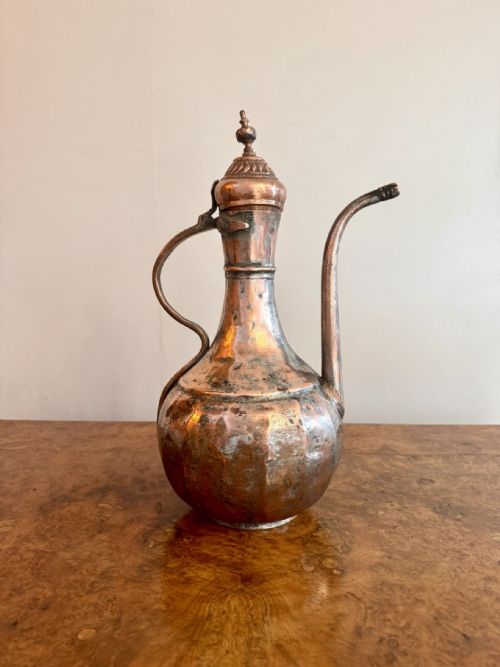
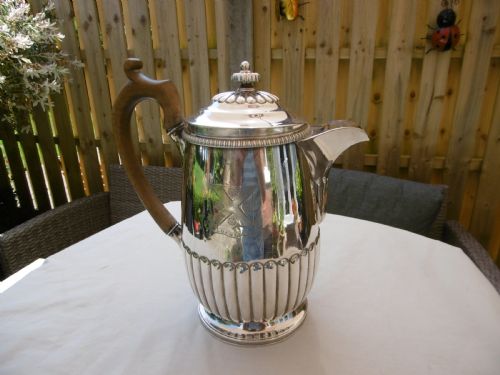
When searching for a 19th century coffee pot, collectors encounter a diverse array of forms spanning Georgian elegance through Victorian production. These vessels range from towering silver biggins to utilitarian copper ewers and delicate porcelain sets.
The materials reflect the eclectic tastes of the period, moving from heavy sterling silver and Old Sheffield plate to Middle Eastern copper and French porcelain. Forms include classic baluster coffee pots, large urns, and comprehensive tea and coffee services designed for formal entertaining.
Origins vary widely across the selection, encompassing English workshops, Dutch toleware, French porcelain houses, and Middle Eastern metalwork. Each piece captures the distinct regional design vocabulary of its decade, whether that is Regency restraint or ornate Victorian Imari.
Materials and Making
Silversmiths utilised sterling silver and Old Sheffield plate, shaping metal through hand-raising, spinning, and soldering techniques before applying intricate engraved details and crests. Sheffield plating fused a thin layer of silver onto a copper base, creating durable vessels for daily use.
Potters and ceramic artists worked with fine porcelain and earthenware, shaping bodies on the wheel or in moulds, then applying hand-painted glazes and gold leaf accents. Copper vessels relied on heavy hammering and seaming, often paired with wooden handles to insulate against heat.
19th Century Coffee Pot Retail Price Guide 2026
Typical asking prices for 19th century coffee pot among the pieces listed under this phrase on Sellingantiques today, from the lower quarter to the upper quarter. They describe what is for sale here now, not the wider market.
A rustic pine garden room tray table sneaks into the collection, proving that even coffee wares need somewhere to sit.
What Separates the Best from the Rest
Quality rests upon the crispness of the chasing, the weight and gauge of the metal, and the precision of the handle insulators and hinges. Superior pieces display harmonious proportions and careful balance between decorative engraving and functional form.
In ceramic and porcelain examples, the fineness of the paste, the vibrancy of the hand-painted enamels, and the intact survival of delicate gold leaf define the superior specimens. Maker attribution and documented provenance elevate certain silver and plated pieces above standard workshop output.
Matthew Boulton·Joseph Craddock·Ahrenfeldt and Asalvary·Paul Storr·Boardman Glossop and Co·Royal Worcester
The 19th Century Coffee Pot Glossary
- Old Sheffield Plated
- A fused composite material made by melting a sheet of silver onto a thicker copper ingot. This method produced durable wares before electroplating became common.
- Biggin
- A tall coffee pot fitted with an internal linen bag or metal strainer for brewing. These tall pots often rested on dedicated metal stands.
- Toleware
- Metalware, typically iron or tin, coated with lacquer or paint and cured. Dutch examples from the period often feature dark painted surfaces.
- Imari
- A style of ceramic decoration featuring deep underglaze blue and iron red, supplemented by gilt. Victorian interpretations of this Japanese aesthetic appear on coffee wares.
- Crest
- An heraldic device engraved or stamped onto metal vessels to denote the owning family. These symbols often provide clues to early provenance.
19th Century Coffee Pot: Frequently Asked Questions
How do I clean a silver plated coffee pot?
Use a gentle silver cream and a soft cloth to remove tarnish without scrubbing away the remaining silver layer. Avoid harsh dips that can strip the plate.
Wash the interior with warm soapy water and dry thoroughly to protect the seams and any wooden elements.
Can I still use these coffee pots today?
Many metal pots remain structurally sound and capable of holding hot liquids, though older plated items require careful handling. Silver and copper conduct heat quickly, so wooden or insulated handles are essential.
Porcelain sets should be treated with extra care, utilising them for display or gentle service rather than daily brewing.
How do I date an antique coffee pot?
Makers' marks, duty marks, and town hallmarks stamped onto silver provide precise chronological reference points. Stylistic indicators like Regency handles or Victorian floral chasing also narrow down the decade of production.