



Victorian Silver Plated Kettle
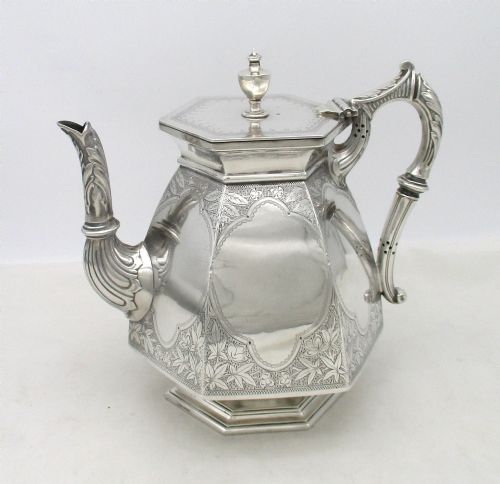
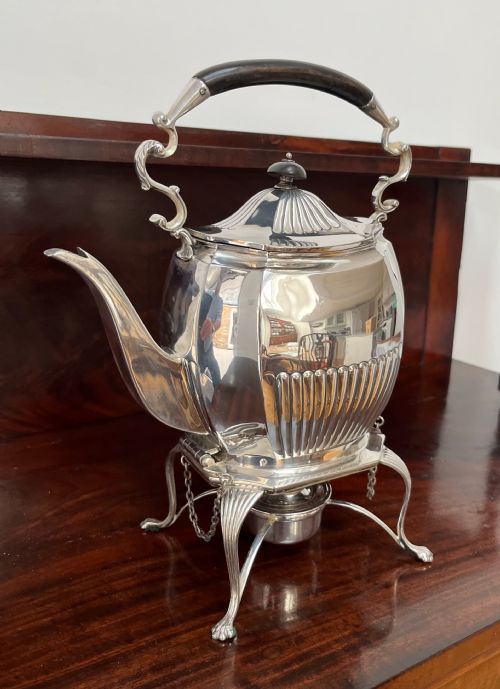
These victorian silver plated kettle pieces bring substantial nineteenth and early twentieth century presence to the tea table, combining warm metalwork with practical stands and burners.
Victorian Silver Plated Kettle
When searching for a victorian silver plated kettle, a buyer encounters substantial tea service vessels designed to heat water at the table. Most examples appearing here take the form of spirit kettles mounted on dedicated stands equipped with burners.
The selections span the nineteenth century through the Edwardian period and into the early twentieth century. Alongside standard kettles, related teaware forms such as tea urns and samovars with taps appear regularly in the material.
Stylistic influences range from classic Victorian designs to Aesthetic Movement pieces and Edwardian productions. These variations provide different decorative motifs while maintaining the core function of serving hot water for tea.
How They Were Made
The primary construction relies upon metal bases treated with silver plate, nickel silver, and electroplated nickel silver. This application of silver over a base metal provides the appearance and lustre of solid silver at a different scale of production.
Insulating elements on handles and lifting points utilise materials such as ebony, bone, and wood to prevent heat transfer during use. Burners and stands integrate matched metal components to support the vessel safely.
Some burners still retain the tiny metal snuffer caps used to put out the flame once the tea has brewed.
What Varies in Quality
Differentiation across the range rests upon the crispness of decorative chasing, the integrity of the silver plating over the underlying metal, and the sturdiness of the stand and burner assembly. Pieces showing firm lines in their Aesthetic Movement or Victorian ornamentation hold visual distinction.
The retention of original matching burners, stands, and insulated handle components elevates an example above those missing these integral parts. Maker marks from established firms also indicate specific standards of nineteenth and twentieth century production.
Walker & Hall Sheffield·Fenton Brothers·Frederik Ellis Tim And Co·Elkington
The Victorian Silver Plated Kettle Glossary
- Spirit Kettle
- A tea kettle mounted on a metal stand with an integrated spirit burner underneath to keep the water hot. This setup was a fixture of formal nineteenth century tea service.
- Electroplated Nickel Silver
- A base metal alloy of copper, nickel, and zinc coated with a layer of silver via an electrolytic process. This method became widespread during the Victorian era for producing durable tableware.
- Samovar
- A heated metal container traditionally used to boil and heat water for tea in large quantities. These tall vessels often feature a spigot or tap at the base.
- Aesthetic Movement
- A late nineteenth century design style emphasising visual beauty over narrative subject matter. Objects from this movement often incorporate distinct decorative motifs inspired by nature and diverse cultures.
- EPNS
- An abbreviation for electroplated nickel silver, commonly stamped as a mark on silver plated metalware. It indicates the underlying metallic composition beneath the silver coating.
Victorian Silver Plated Kettle: Frequently Asked Questions
How do I use a spirit kettle?
Fill the kettle vessel with water and place it securely upon the matching metal stand above the burner. Fill the burner with methylated spirit or a similar safe fuel, light it, and allow the flame to maintain the water temperature at the table.
Extinguish the burner using its snuffer cap once tea service concludes. Ensure the stand remains on a stable, heat resistant surface throughout the process.
What is the difference between a kettle and a samovar?
A kettle is typically a smaller vessel designed to sit on a removable stand with an independent burner. It is tilted or lifted to pour water directly into individual teapots during service.
A samovar or tea urn is a larger, stationary vessel featuring a built-in tap near the base for drawing hot water. These pieces are suited for larger gatherings and sustained tea preparation.
How do I clean silver plated metal?
Clean silver plate using a soft cloth and a specialised silver polish formulated to preserve thin metal coatings. Avoid abrasive pads or harsh chemical dips that can strip the plating away from the base metal.
Wash the interior with warm soapy water and dry thoroughly after cleaning to prevent moisture spots. Regular, gentle maintenance keeps the reflective surface bright without wearing down the edges.
How can I tell Victorian pieces from Edwardian ones?
Victorian examples often display heavier ornamentation, naturalistic chasing, and robust proportions typical of nineteenth century decorative arts. Aesthetic Movement pieces from this era lean towards stylised natural motifs.
Edwardian pieces generally present lighter forms, cleaner lines, and refined detailing reflecting the shift in taste after nineteen hundred. Examining any maker marks or registration numbers can also narrow down the production period.