
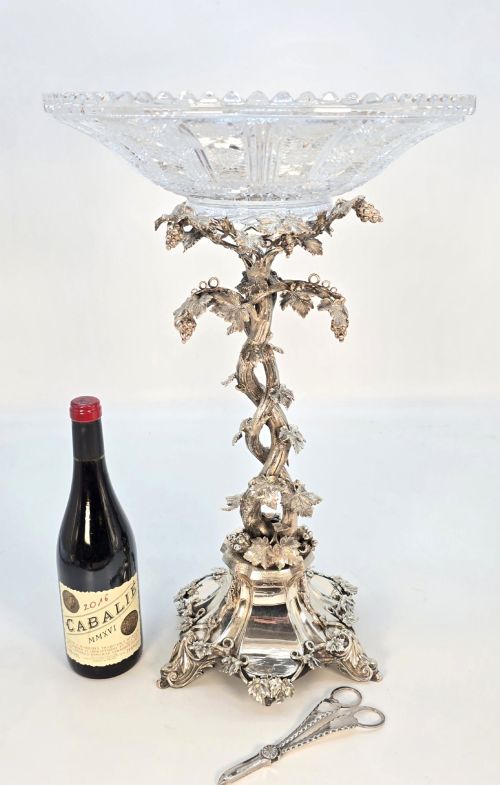
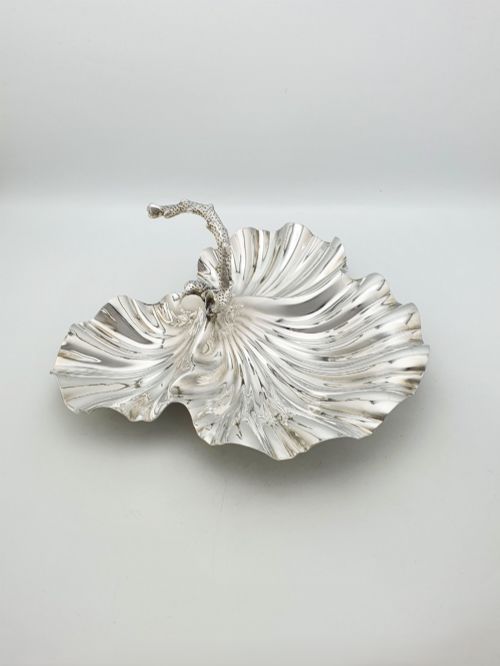
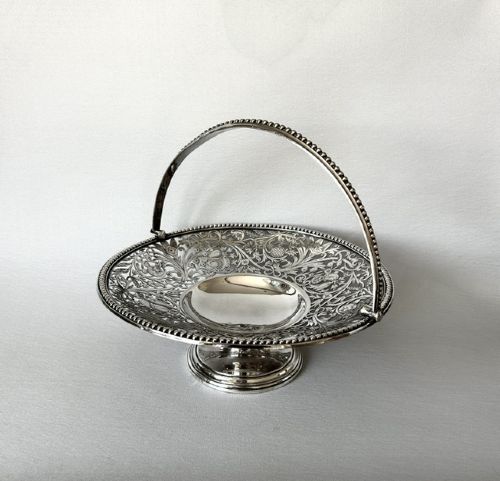
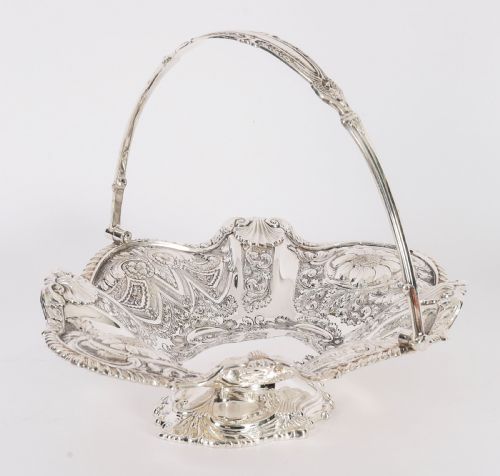



Victorian Silver Plate Bowl
A victorian silver plate bowl brings a distinct Victorian weight and shine to the table, combining functional serveware with decorative metalwork.
Victorian Silver Plate Bowl
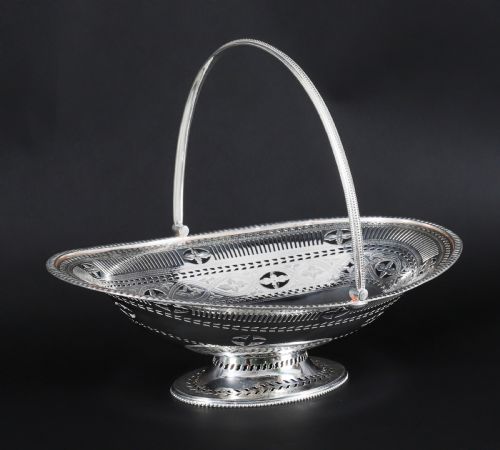
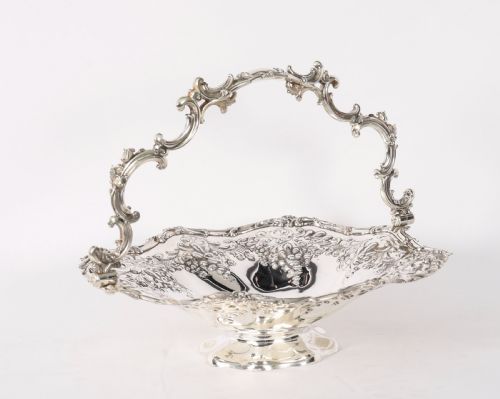
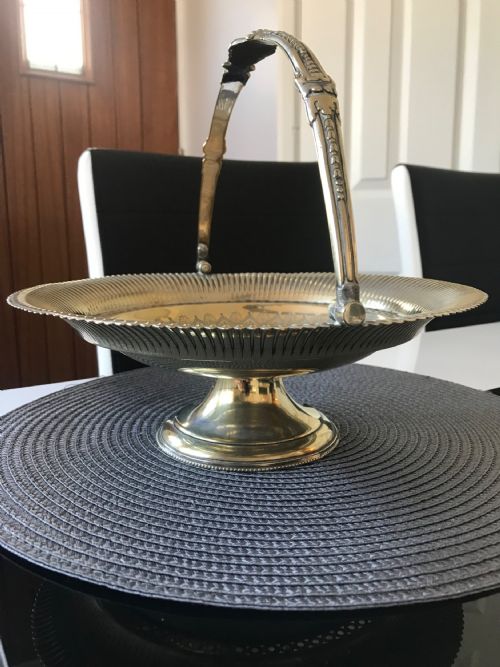
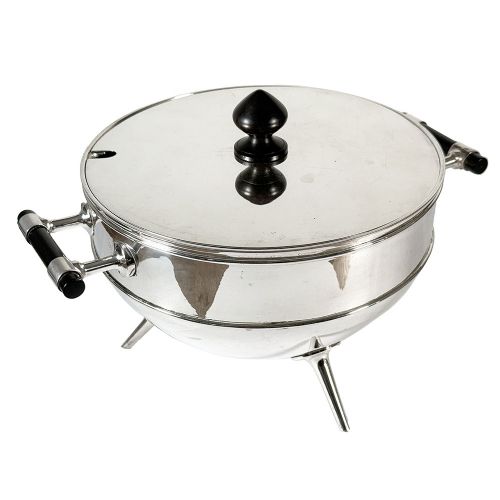
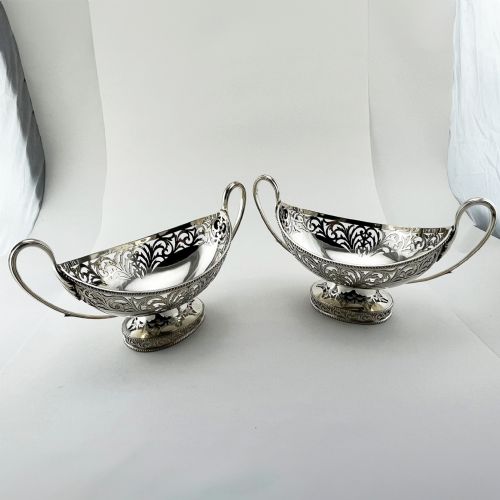
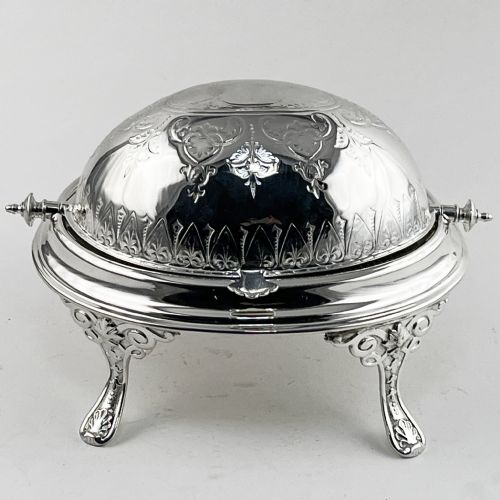
A victorian silver plate bowl encompasses a wide range of domestic serveware, from fruit baskets and rose bowls to punch bowls and preserve dishes. These pieces originate primarily from the nineteenth century, including the Victorian and Edwardian eras, reflecting the domestic dining habits of the period.
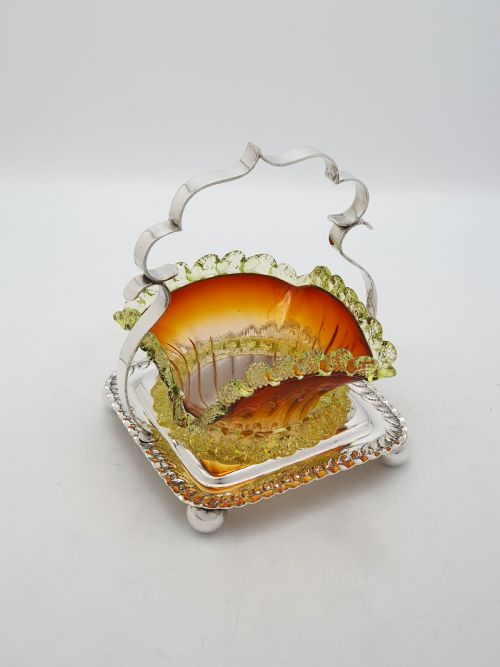
The form often incorporates glass inserts, such as cranberry, ruby, and vaseline glass, or carved materials like oak and majolica. Centrepieces, tureen sets, and bonbon dishes appear frequently alongside handled fruit baskets and salad bowls.
Makers utilised various revival styles and movements, spanning Neo-Classical, Rococo Revival, Aesthetic Movement, and Art Nouveau. This variety ensures that buyers encounter both heavily ornamented floral designs and streamlined modernist shapes.
What Varies in Quality
Quality in these items depends upon the crispness of the chasing and the depth of the metalwork, distinguishing heavily cast decorative elements from lighter, mass-produced stampings. The retention of the original silver plate across high-wear areas also marks superior examples.
The integration of materials dictates the standard of the piece, with heavier glass liners, well-carved oak mounts, and signed maker marks indicating finer production values. Maker attribution to known firms adds distinct weight to a piece.
Listings feature items from the nineteenth and early twentieth centuries, spanning the Victorian and Edwardian periods in silver plate, glass, and oak.
George W Scott And Sons Ltd·Christopher Dresser·Hukin And Heath·Walker And Hall·Thomas Bradbury·Hamilton And Inches·Roberts And Belk·Daniel And Arter·W Briggs Sheffield
The Victorian Silver Plate Bowl Glossary
- Electroplated Nickel Silver
- A base metal alloy of copper, nickel, and zinc coated with a thin layer of silver through an electrolytic process. This method became standard for silver plate production in the nineteenth century.
- Cranberry Glass
- A transparent pinkish-red glass coloured by the addition of gold chloride while molten. It was frequently utilised for liners in fruit bowls and preserve dishes.
- Épergne
- A large table centrepiece featuring a central dish with multiple branching arms holding smaller baskets or bowls. They were traditionally used for fruit, flowers, or sweetmeats.
- Vaseline Glass
- A yellowish-green glass containing small amounts of uranium dioxide, which causes the glass to fluoresce brightly under ultraviolet light. It appeared often in Edwardian centrepieces and bonbon dishes.
- Tureen
- A deep, covered bowl designed for serving soups, vegetables, or punch. Many Victorian examples feature matching ladles and heavy handles.
Victorian Silver Plate Bowl: Frequently Asked Questions
What were silver plate bowls used for?
These vessels served functional roles in formal dining, holding fruit, punch, salads, or preserves. They occupied central positions on dining tables during the Victorian and Edwardian periods.
Beyond basic utility, larger centrepieces and épergnes functioned as decorative status symbols during large meals and social gatherings.
How do you clean silver plate bowls?
Cleaning requires a soft cloth and mild, non-abrasive silver polish formulated for plated items. Vigorous scrubbing removes the thin silver layer, so gentle maintenance preserves the finish.
Glass liners and wooden bases should be separated from the metal components before cleaning to protect each material properly.
How can you tell a Victorian bowl from a later one?
Examination of the metal base, construction marks, and stylistic motifs helps establish the period. Victorian pieces often display heavier casting, Neo-Classical or Rococo revival details, and specific maker stamps associated with nineteenth-century firms.
Later Edwardian or twentieth-century items frequently shift towards Art Nouveau lines or simpler geometric profiles, accompanied by different registry or maker marks.
Are glass liners original to the bowls?
Original glass liners fit snugly into the metal mounts and match the specific contours and vintage of the base. Cranberry, ruby, and vaseline glass inserts were manufactured specifically to fit these frames.
Replacements are common due to breakages over time, so uniformity in wear between the glass and the silver plate indicates original pairing.