
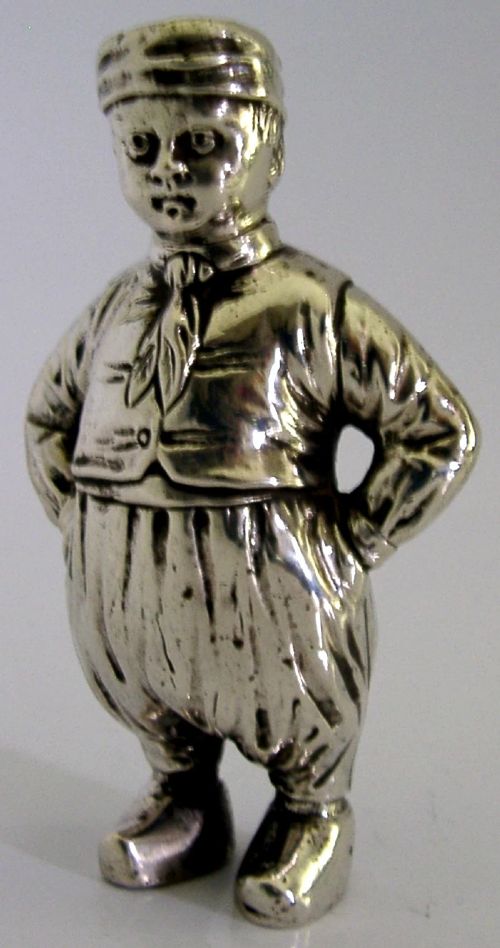


Victorian Silver Pepper Caster
A victorian silver pepper caster brings distinct character to the dining table through detailed forms ranging from playful animals to classical silhouettes.

Victorian Silver Pepper Caster
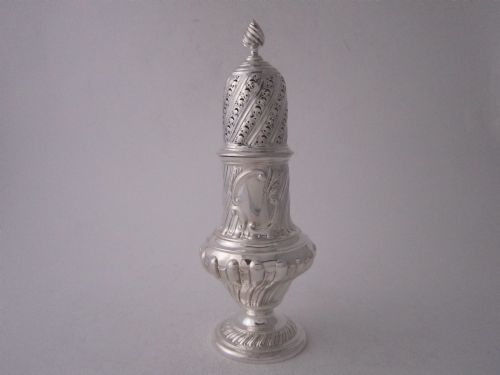
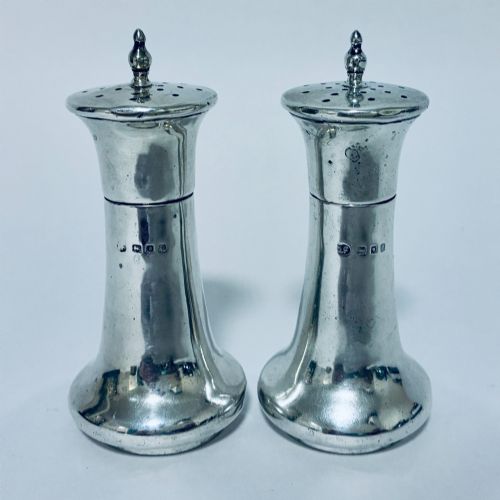
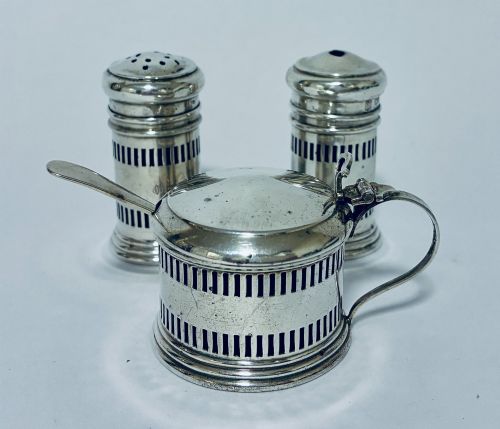
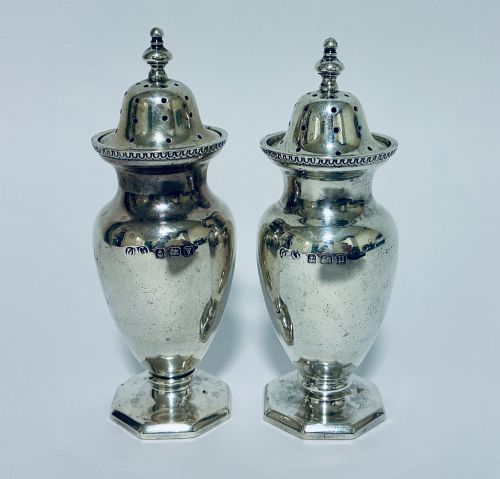
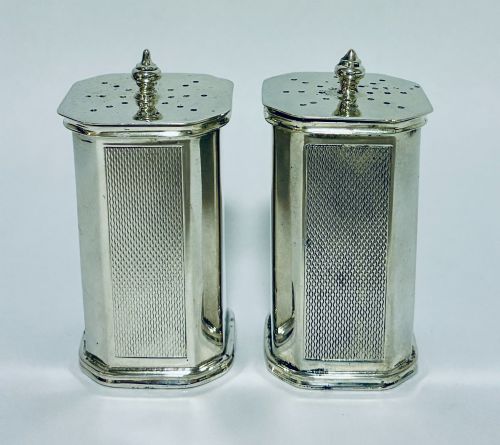
A victorian silver pepper caster serves as a functional tabletop condiment vessel designed to dispense ground pepper over meals. Buyers encounter these pieces primarily as individual pots, matched pairs, or components within larger cruet sets.
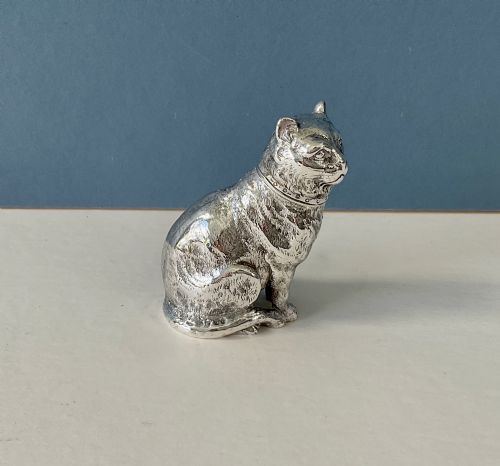
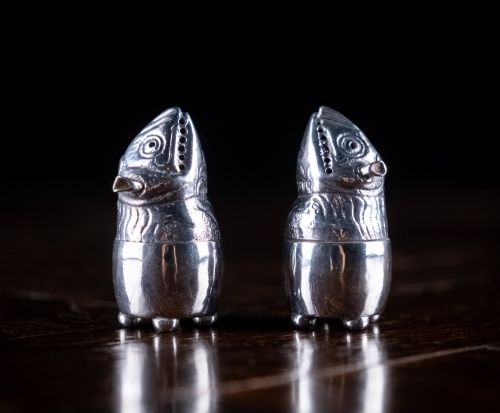
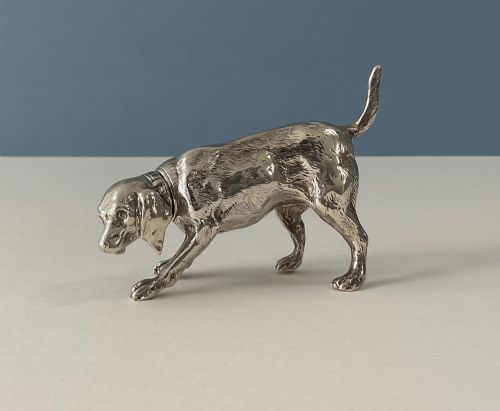
The selection encompasses standard domestic forms alongside sculptural novelty pieces shaped as cats, dogs, owls, and human figures. Materials extend beyond solid sterling silver to include silver plate, cut glass inserts, and contrasting gilt or velvet interior details.
Origins trace across the Victorian and Edwardian eras, with occasional Georgian and later revivals appearing in the inventory. These dining accessories reflect both utilitarian dining room needs and the Victorian appetite for imaginative silver work.
How They Were Made
Silversmiths utilised sterling silver and silver plate over base metals, shaping vessels through hammering, casting, and piercing techniques. Pierced lids required precise hand-sawing to create functional shaker holes without compromising the decorative pattern.
Victorian diners enjoyed shaking pepper from the belly of a silver toad or the head of a cockatoo.
What Varies in Quality
Substantial metal weight and balanced construction separate high-grade items from lighter productions. Maker attribution and legible hallmarks provide further distinction between standard utilitarian wares and exceptional workshop commissions.
Frederick Brasted·Mappin Brothers·Walker and Hall·Thomas Johnson·Mappin and Webb
The Victorian Silver Pepper Caster Glossary
- Cruet set
- A matched collection of bottles or pots for holding condiments like oil, vinegar, salt, and pepper, usually held in a frame. These sets often sit on the dining table or a small butler tray.
- Pepperette
- An alternative term for a small pepper pot or shaker used during meals. The word frequently appears in older records and dealer descriptions.
- Novelty pepper
- A condiment pot shaped to resemble an animal, person, or object rather than a standard geometric vessel. Victorian makers produced many birds, dogs, and grotesque figures.
- Sterling silver
- An alloy consisting of pure silver and other metals, typically copper, meeting a defined standard of purity. Items made from this material often carry official hallmarks indicating the silver standard.
- Pounce pot
- A small shaker used to sprinkle powdered resin or cuttlefish bone onto rough paper to prepare it for writing. Though distinct in purpose, they share similar pierced lids with pepper casters.
Victorian Silver Pepper Caster: Frequently Asked Questions
What is a silver pepper caster?
A silver pepper caster is a small container with a pierced lid designed for sprinkling ground pepper onto food at the dining table. Makers produced them in standard urn shapes and whimsical novelty forms.
These pieces formed part of formal dining services, often accompanied by matching mustard pots and salt cellars within a cruet frame.
How do I identify a Victorian piece?
Victorian items frequently bear British hallmarked stamps indicating the assay office, standard of silver, and year of manufacture. Stylistic cues such as naturalistic animal forms and heavy ornamentation also point to this period.
Reference guides to hallmarks help connect specific date letters to the decades of the nineteenth century.
How were cruet sets used?
Cruet sets held multiple condiment bottles and shakers together in a portable stand or frame for the dining table. Diners used them to season food individually during meals.
Servants typically placed the stand centrally so guests could reach various sauces and spices easily.
Are novelty peppers functional?
Novelty peppers function just like standard pots, with removable heads or screw-bottom bases for refilling the spice. Many retain their original interior compartments despite their decorative exterior.
Owners often choose to use them on the dining table today or display them in cabinet collections.