
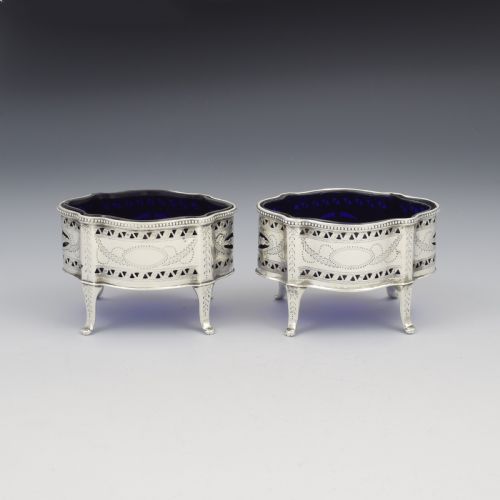


Victorian Silver Open Salts
These Victorian silver open salts bring character to a dining table, holding condiments in small glass-lined vessels that catch the light.
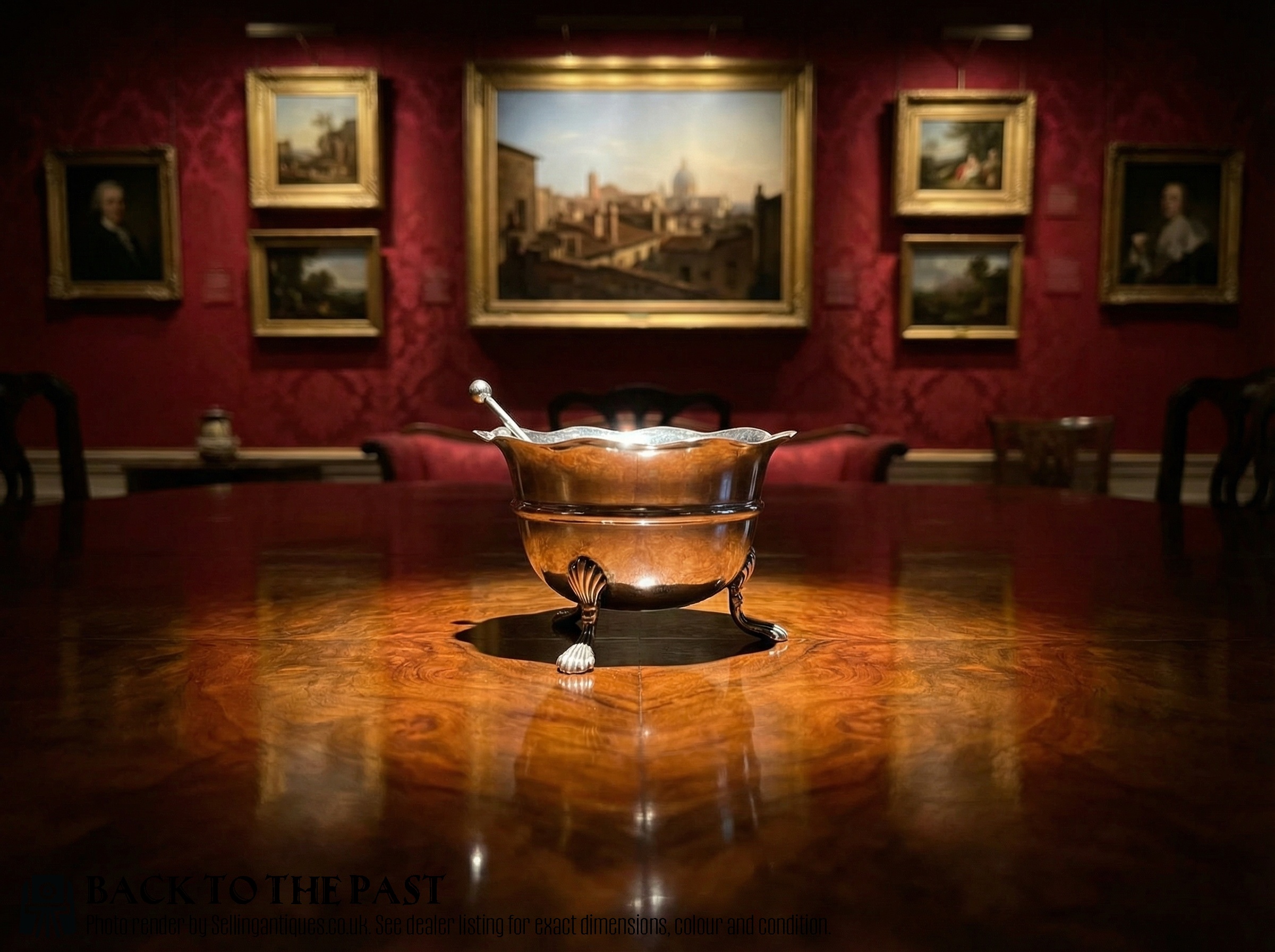
Victorian Silver Open Salts
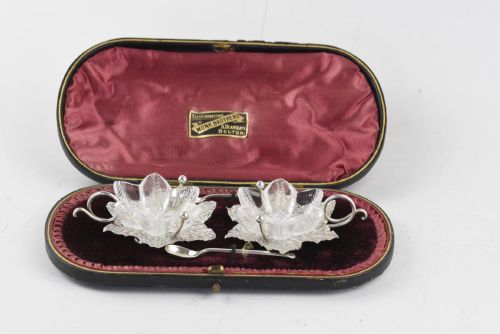
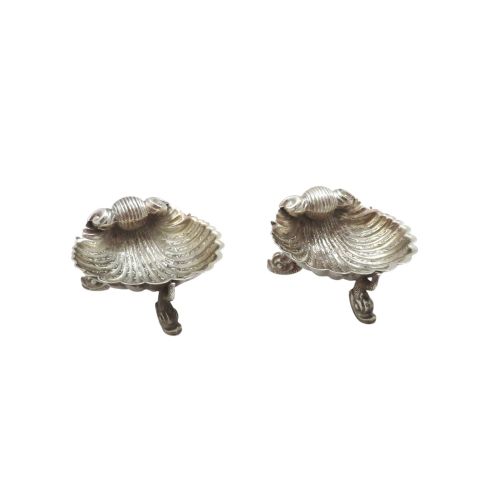
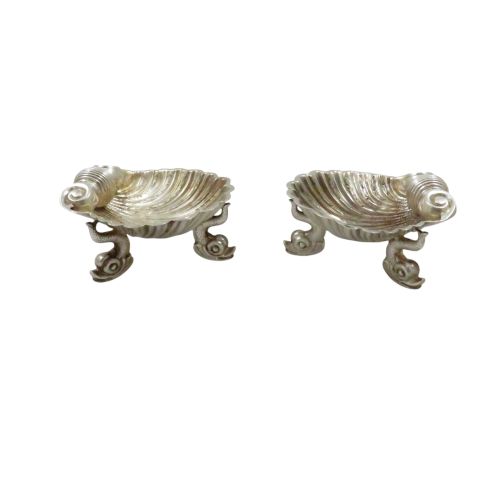
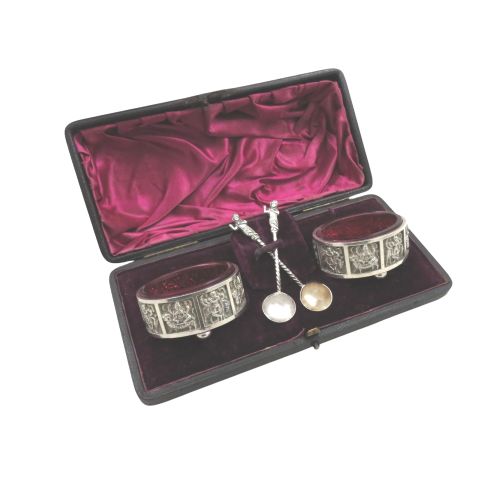
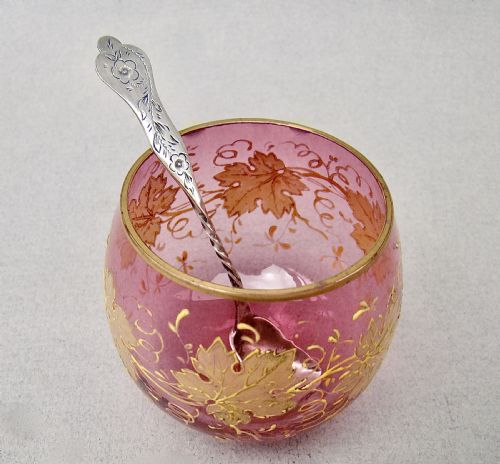
Victorian silver open salts are small table vessels designed to hold loose salt alongside dining settings, frequently appearing in matched pairs or larger sets. Collectors seeking victorian silver open salts encounter diverse forms ranging from simple boat shapes and cauldrons to elaborate shells supported by dolphin feet or birds. These table accessories often arrive with fitted cases and matching spoons, alongside glass liners in cobalt blue or cranberry hues.
Materials and construction
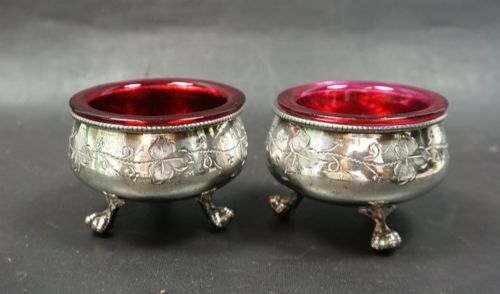
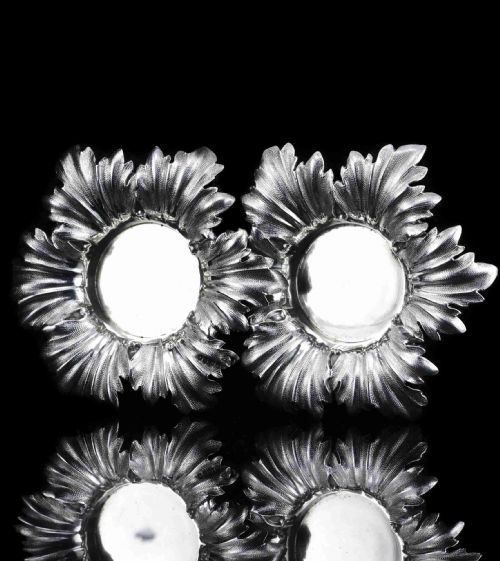
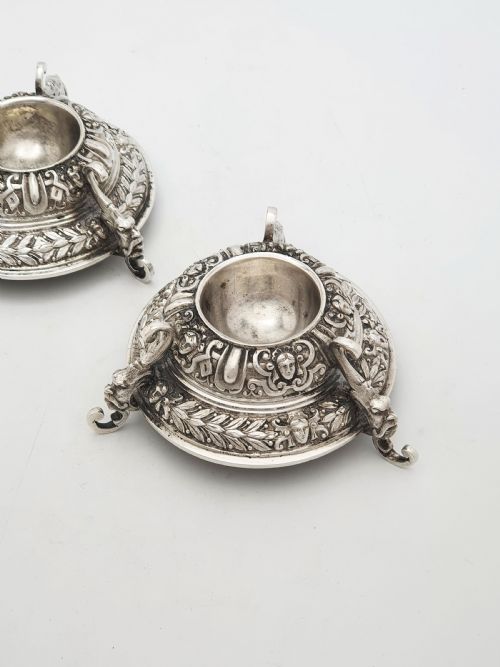
Makers shaped these pieces from sterling silver and silver plate, employing techniques such as piercing, foliate chasing, and casting to create detailed forms like swans, shells, and six-lobed bowls. Inside the metal frameworks sit fitted glass liners, typically in vibrant cobalt or cranberry colours, designed to protect the silver from the corrosive nature of salt.
Victorian Silver Open Salts Retail Price Guide 2026
Typical asking prices for victorian silver open salts among the pieces listed under this phrase on Sellingantiques today, from the lower quarter to the upper quarter. They describe what is for sale here now, not the wider market.
Some tiny salt cellars stand upon spirited dolphin feet or take the whimsical shape of double-headed swans.
Distinctions in quality
Quality rests in the crispness of the metalwork, where deep foliate chasing and sharply defined cast elements like dolphin feet or bird figures demonstrate superior craftsmanship. The presence of original matching spoons and undamaged coloured glass liners elevates a set, as does clear hallmarks confirming maker marks and assay office origins.
Barnards·Thomas Smily·Vale Brothers and Sermon
The Victorian Silver Open Salts Glossary
- Open salt
- A small table vessel for holding salt without a shaker top, allowing diners to dip pinches of salt using a tiny spoon or fingers.
- Liner
- A removable insert made of cobalt, cranberry, or clear glass that fits inside the silver salt cellar to prevent direct contact between the salt and the metal.
- Chasing
- A metalworking technique where the artisan pushes and shapes the silver from the front using hammers and punches to create raised decorative patterns.
- Pierced work
- Metal pierced and cut through to form openwork patterns, often creating delicate lattice or scroll designs around the body of the salt.
Victorian Silver Open Salts: Frequently Asked Questions
How were open salts used at the table?
Diners used small spoons or their fingers to take pinches of salt from the open vessels placed beside their plates.
The glass liners protected the silver metal from corrosion caused by the salt contents during meals.
Do these salts come with spoons?
Many sets include matching spoons designed specifically for transferring the salt to individual plates.
Fitted boxes frequently house both the salt cellars and their original spoons together.
What glass colours appear in these pieces?
Liners commonly feature vibrant cobalt blue or cranberry glass nestled inside the silver framework.
These contrasting colours show brightly through pierced silver or open boat shapes.
How can I identify the period?
Assay office hallmarks and date letters stamped on the sterling silver provide exact manufacturing years.
Stylistic cues such as Aesthetic Movement motifs or Rococo Revival curves also point to specific decades.