
Victorian Silver Glass
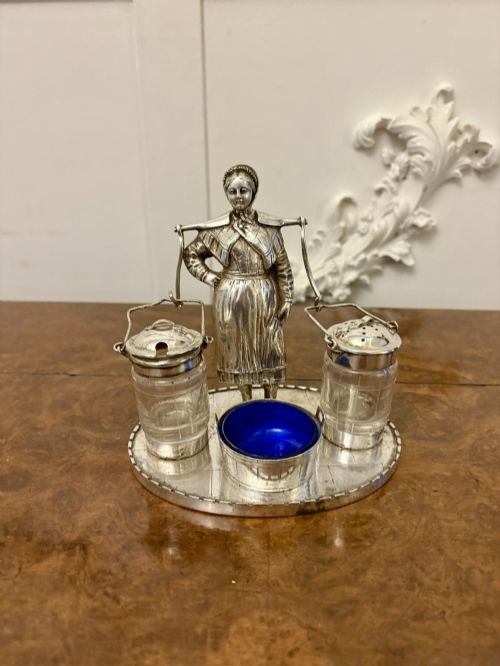
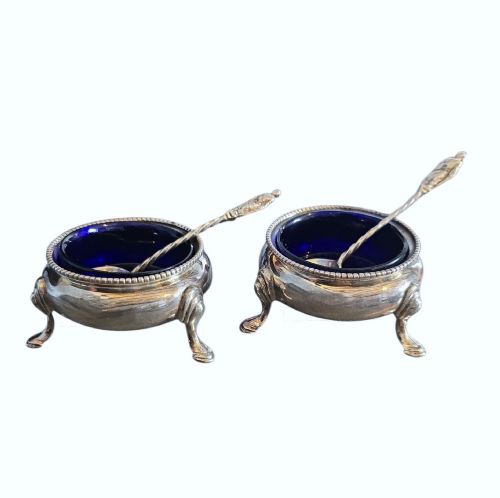
These Victorian silver glass pieces combine precious metal mounts with jewel-toned vessels to serve as functional tablewares and personal accessories.
Victorian Silver Glass
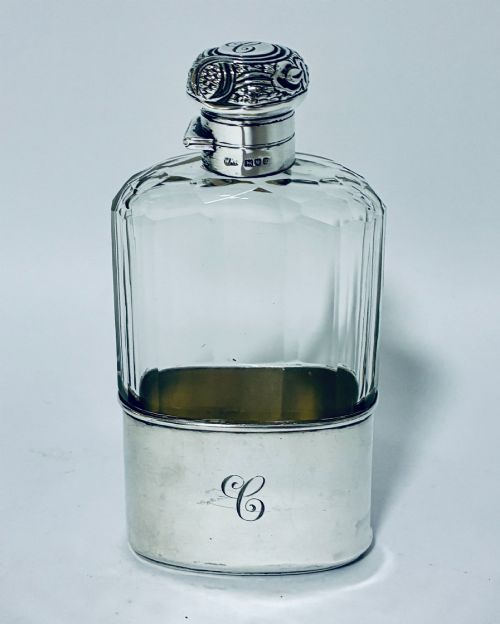
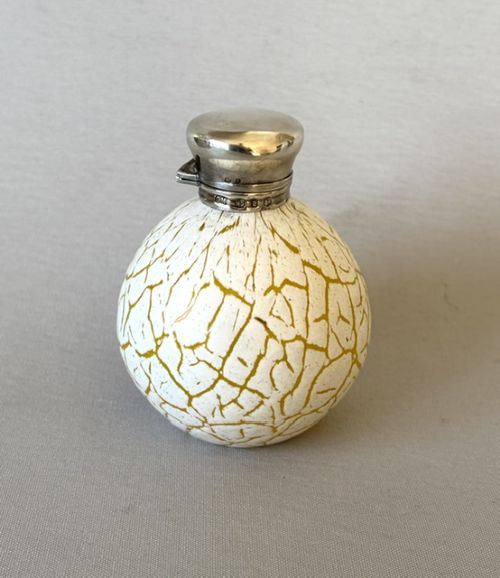
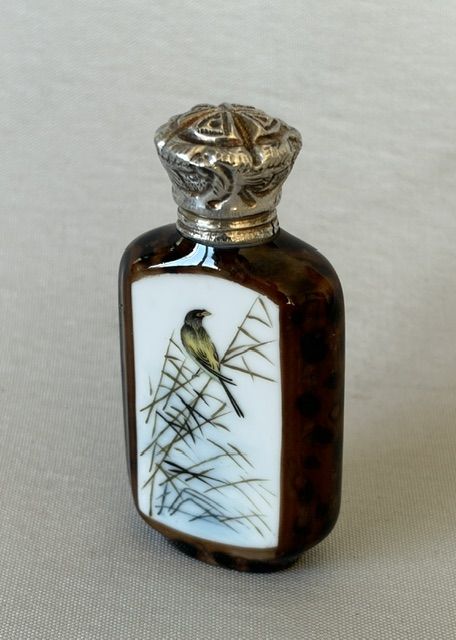
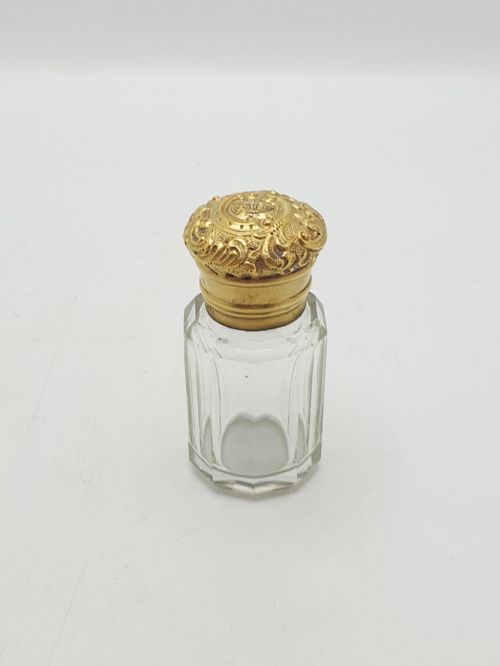
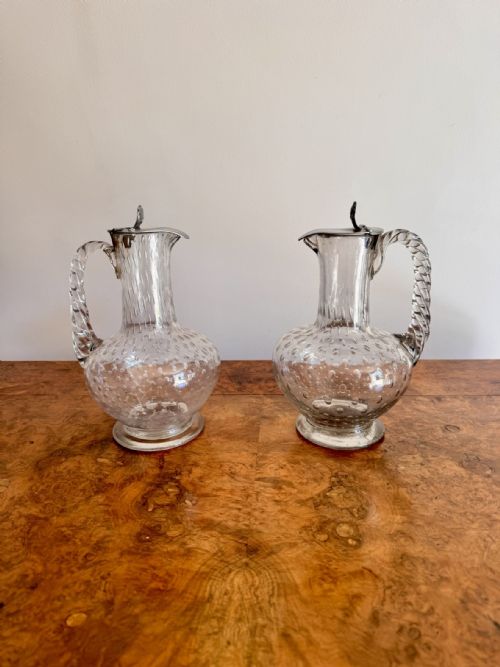
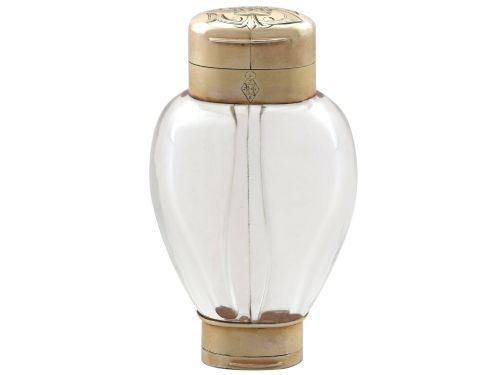
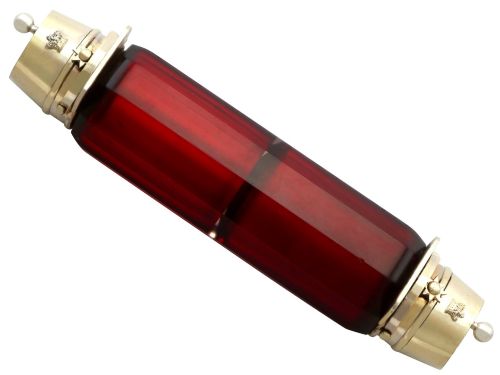
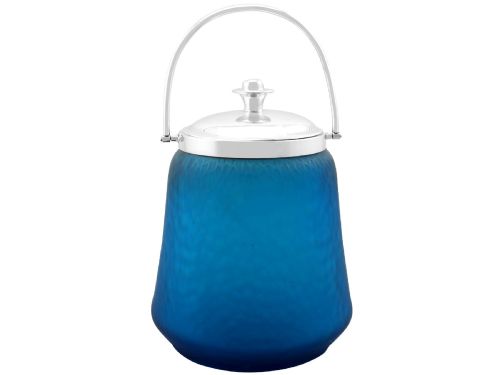
Victorian silver glass brings together cast or stamped sterling and plated mounts with blown, moulded, or cut vessels. Collectors searching this phrase encounter small personal items such as scent bottles and vinaigrettes alongside larger dining table accessories including claret jugs, salt cellars, and biscuit barrels.
The objects span the nineteenth century, with many examples originating from the decades between 1860 and 1900. Cranberry, turquoise, amethyst, and opaline vessels appear frequently alongside clear cut crystal mounted in silver or silver plate.
Materials and Craftsmanship
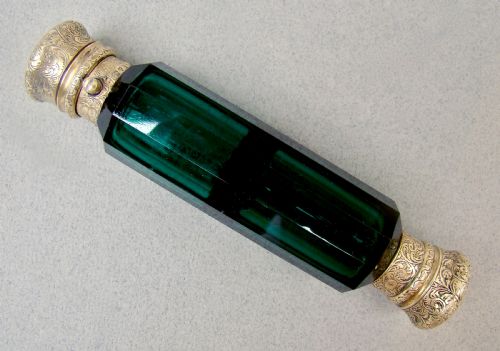
Glass production relied on traditional blowing and moulding techniques, incorporating coloured minerals like uranium, cobalt, or gold to achieve deep hues of blue, green, and cranberry. Artisans then applied wheel-cutting, hobnail faceting, or enamel decoration to the cooled vessel surfaces.
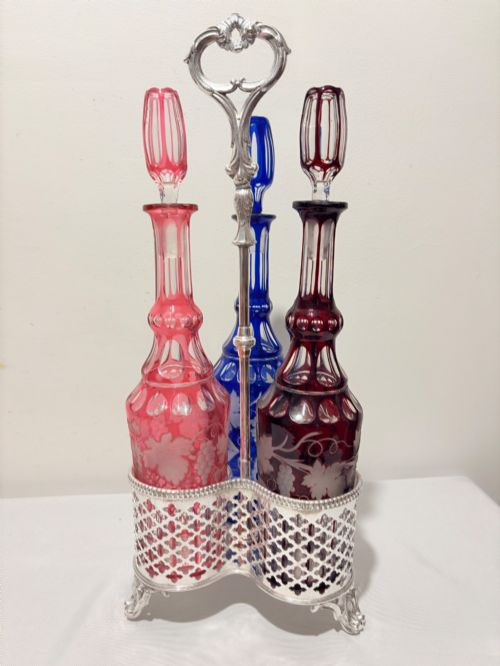
Silversmiths secured these glass bodies using fitted collars, hinged caps, pierced baskets, and cast handles. Sterling silver components carry hallmarks indicating assay offices in cities such as Birmingham, London, and Sheffield, while other items utilise durable silver plate.
Listings demonstrate that Victorian silversmiths frequently paired cut crystal with coloured glass variants including cranberry, turquoise, and uranium yellow.
Assessing Quality
Quality rests on the crispness of the metalwork and the clarity of the glass vessel. Heavy gauge sterling mounts with deep, legible hallmarks and detailed hand-chased ornamentation separate superior pieces from lighter, mass-produced alternatives.
James Dixon and Sons·Elkington·Henry Matthews·Nathan and Hayes·Walker and Hall·James Fenton·Henry Bourne·Charles Boyton·Mappin and Hall·Thomas Hart Stone
The Victorian Silver Glass Glossary
- Hallmark
- A system of official marks stamped on precious metals indicating the maker, assay office, and year of testing. These stamps help verify the exact origin of the silver mount.
- Claret jug
- A large pouring vessel designed for serving red wine at the dining table. They typically combine cut glass bodies with elaborate silver handles, spouts, and hinged lids.
- Vinaigrette
- A small ornamental box featuring a perforated internal grille. It held a sponge soaked in aromatic vinegar for freshening the air during the nineteenth century.
- Opaline glass
- An opaque, pastel-toned glass with a milky appearance. It was frequently used for Victorian decorative objects and perfume bottles.
Victorian Silver Glass: Frequently Asked Questions
Were these items used daily?
Many of these objects served practical functions in nineteenth-century homes, from scent bottles carried in reticules to claret jugs placed on dining tables. Wealthy households utilised fitted travelling sets and salt cellars during formal meals.
Other pieces, such as delicate opaline scent bottles and decorative epergnes, functioned primarily as boudoir displays or drawing-room ornaments.
How can I tell if a piece is Victorian?
Examine the metal components for British hallmarks, which include symbols for the sovereign's head, the maker's mark, and date letters corresponding to specific years. The weight and construction of the glass, often showing pontil marks or hand-cut facets, also point to nineteenth-century manufacturing methods.
Stylistic cues such as Aesthetic Movement motifs or Gothic Revival engraving help narrow down the decade of production.
Can missing stoppers be replaced?
Finding an exact period-correct replacement stopper for a antique scent bottle or decanter presents a significant challenge. Because glassmakers ground each stopper individually to fit its specific neck, universal replacements rarely seat correctly.
Collectors generally prefer to acquire pieces that retain their original matched stoppers and internal glass components.