
Victorian Sterling Glass
Victorian sterling glass unites solid silver mounts with heavy hand-cut vessels, offering functional elegance for the dining table or dressing case.
Victorian Sterling Glass
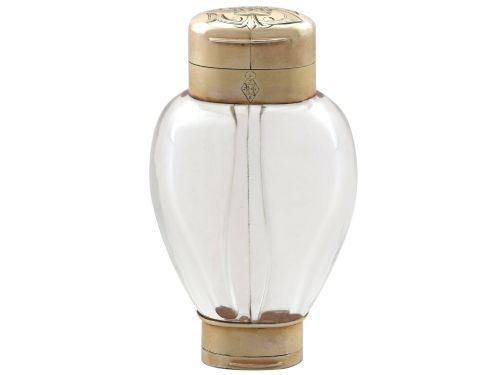
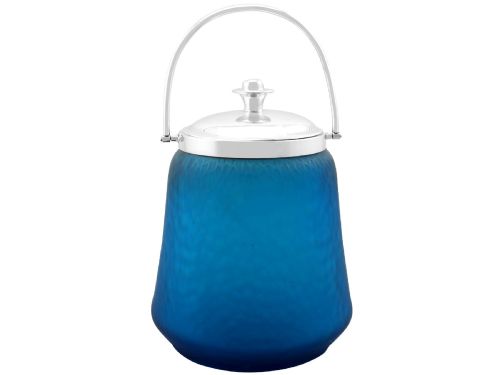
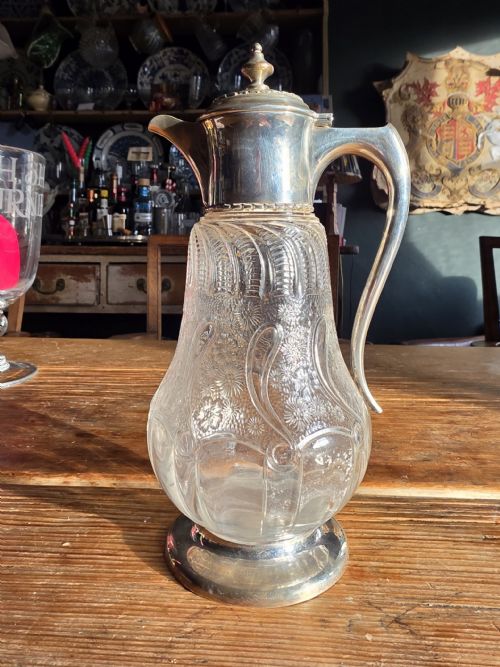
Victorian sterling glass encompasses a wide array of functional objects where sterling silver mounts, collars, and hinged lids complement vessels formed from clear, cut, or coloured glass.
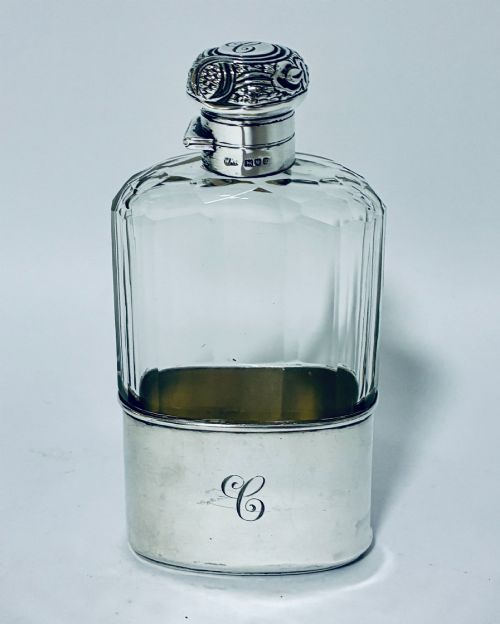
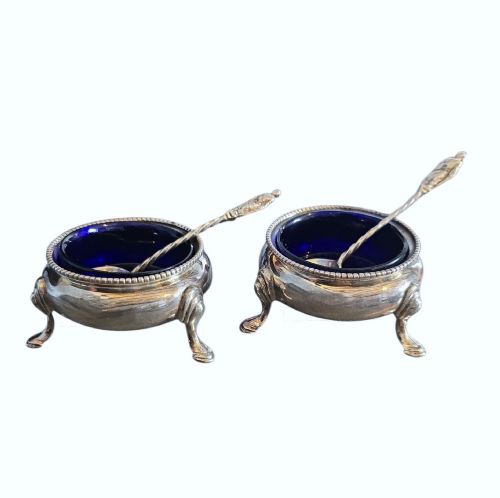
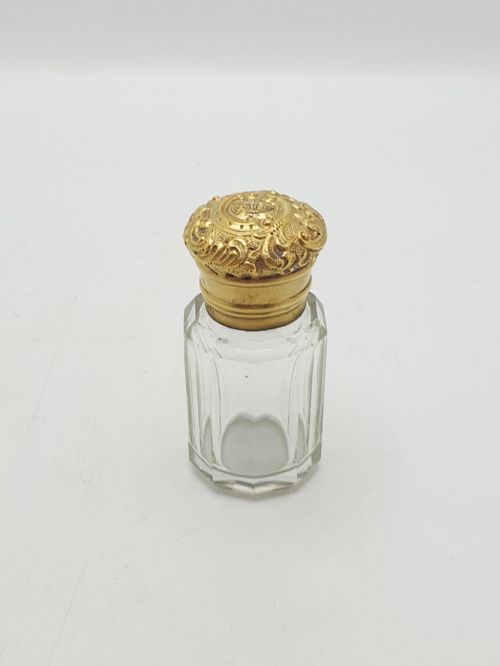
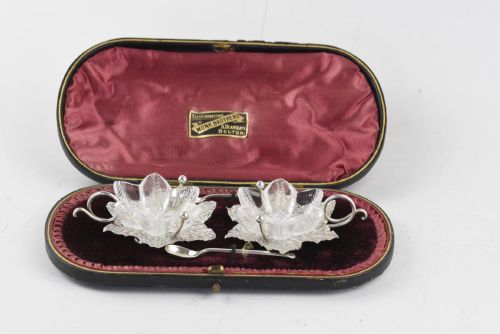
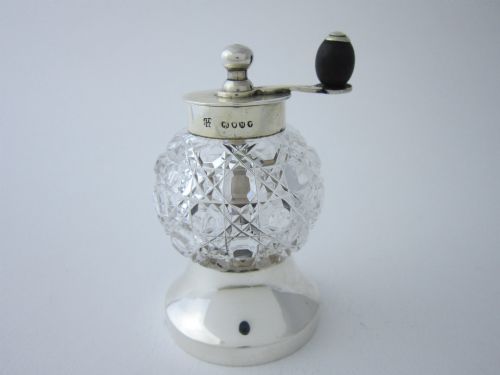
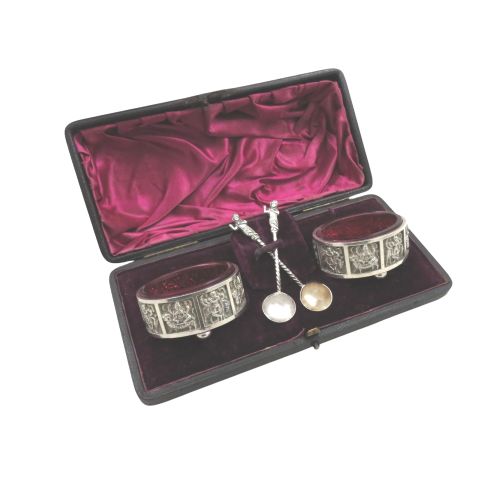
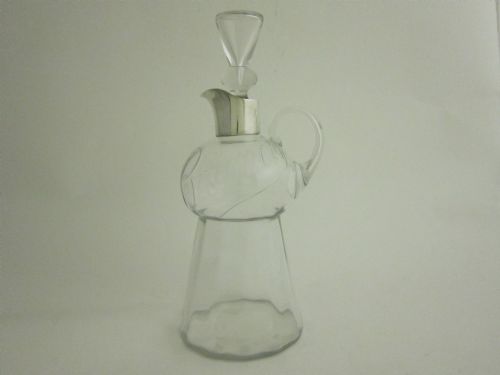
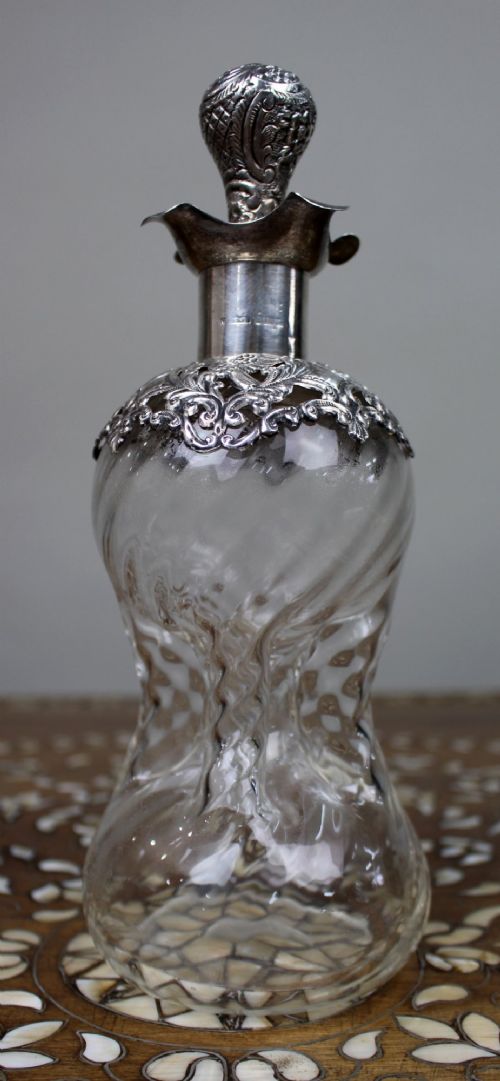
Buyers seeking these pieces will frequently encounter scent bottles, claret jugs, mustard pots, salt cellars with glass liners, and pocket hip flasks dating from the middle to the late nineteenth century.
Tableware forms such as decanters, cruet sets, and inkstands demonstrate the pairing of silversmithing with glassblowing traditions across the Victorian period.
What varies in quality
The standard of execution depends on the depth and crispness of the silver chasing alongside the clarity and weight of the glass body.
Superior items display precise matching between silver collars and glass mounts, combined with substantial gauge silver and intricate hand-cut facets on the crystal.
Materials span sterling silver, cut crystal, velvet, and steel alongside coloured glass in cobalt, cranberry, green, and amethyst.
Nathan and Hayes·William Comyns·Asprey London
The Victorian Sterling Glass Glossary
- Sterling silver
- An alloy containing 92.5 percent silver by mass, standard for British plate mounts.
- Claret jug
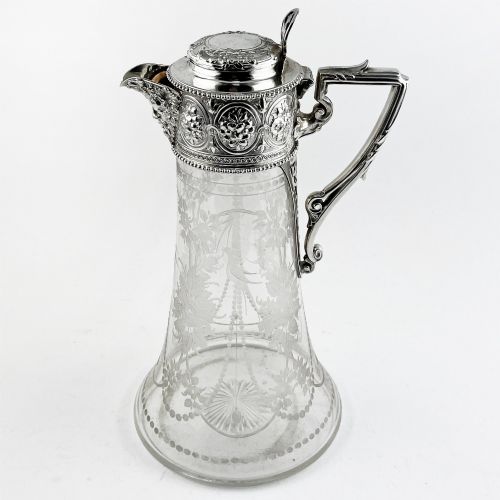
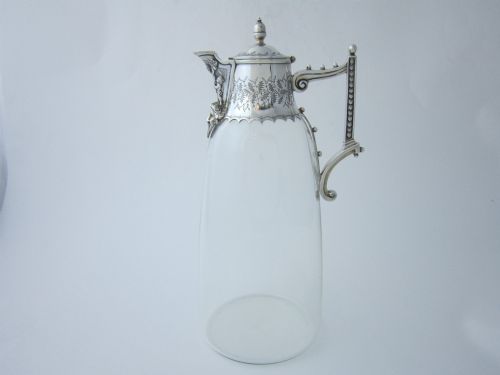
- A pouring vessel featuring a glass body with a hinged silver lid and handle, used for serving wine.
- Cranberry glass
- A rich pinkish-red glass created by adding gold chloride to the molten batch during manufacture.
- Salt cellar
- An open tabletop container holding salt, frequently fitted with removable cobalt or clear glass liners.
- Cruet set
- A matched assembly of glass bottles with silver mounts held within a frame for condiments.
Victorian Sterling Glass: Frequently Asked Questions
How are glass liners cleaned safely?
Removable liners should be washed in warm, soapy water using a soft cloth to protect the aged material.
Harsh abrasives or immersion of the attached silver mounts must be avoided to preserve the metal finish.
What were claret jugs used for?
These vessels held red wine at formal dining tables, allowing hosts to pour directly from a decorative container.
The hinged lids kept contents protected while the silver handles provided a secure grip.
How do I identify a Victorian piece?
Examining the stamped hallmarks on the silver mounts reveals specific assay office marks and date letters corresponding to the reign.
Stylistic cues like floral engraving or Aesthetic Movement patterns also point to the nineteenth-century period.
Can hip flasks still hold liquid?
Many surviving flasks retain functional screw caps and removable cups suitable for holding spirits.
Checking the cork or washer seal inside the cap ensures proper containment before use.