


Victorian Silver Cellar
When you search for a victorian silver cellar, you are looking at small open vessels designed to hold salt at the dining table.
Victorian Silver Cellar
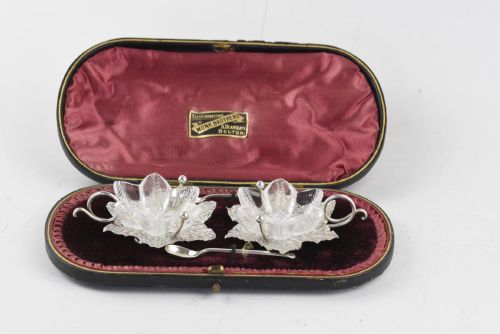
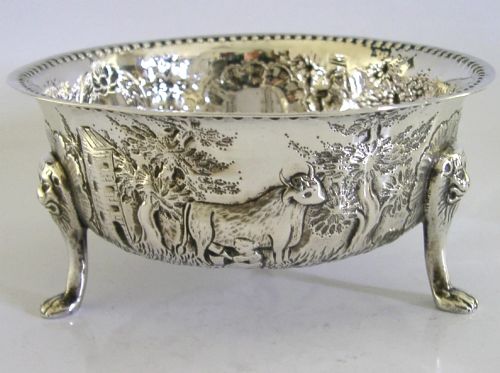
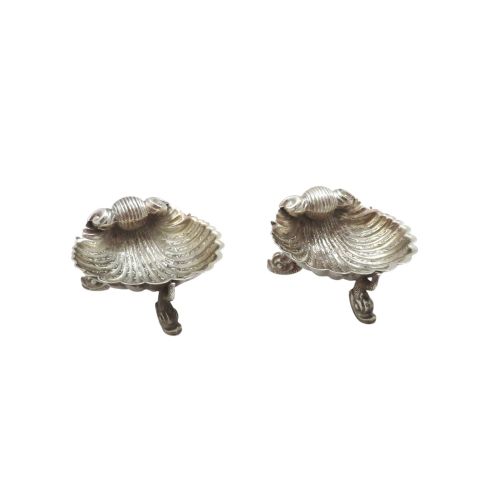
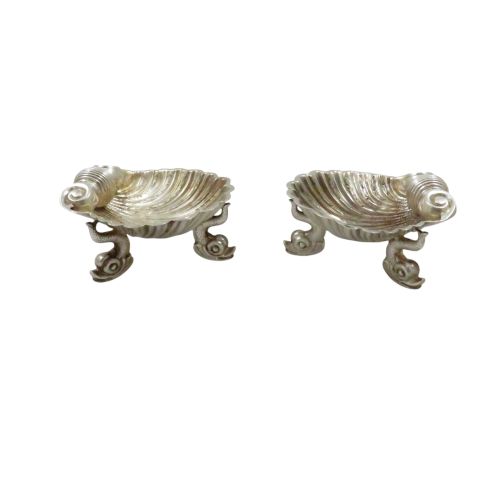
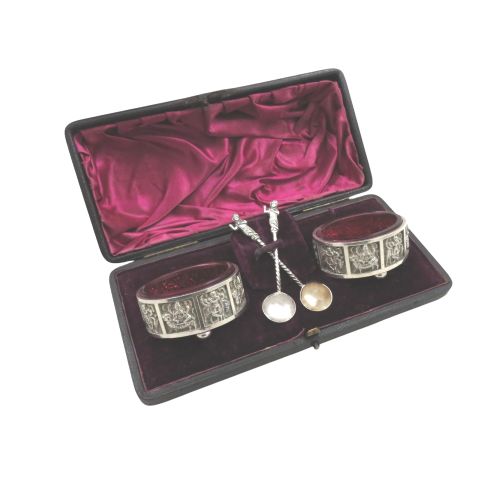
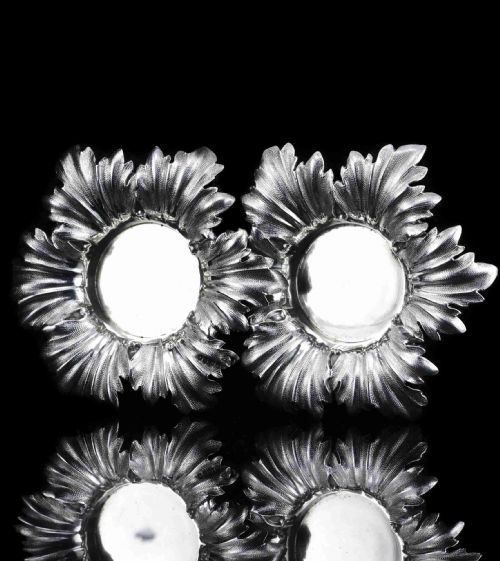
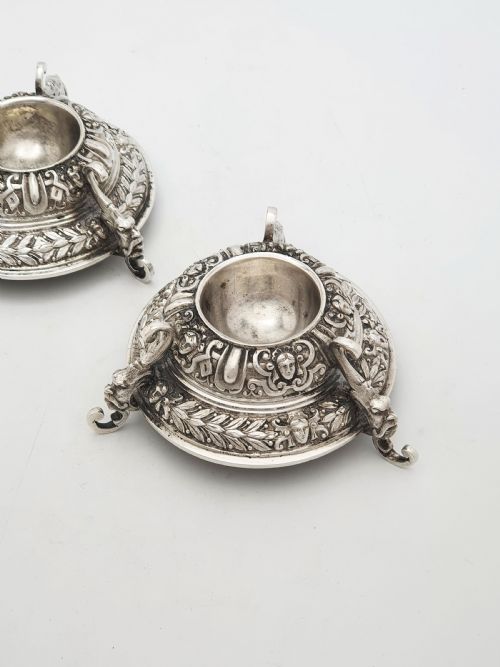
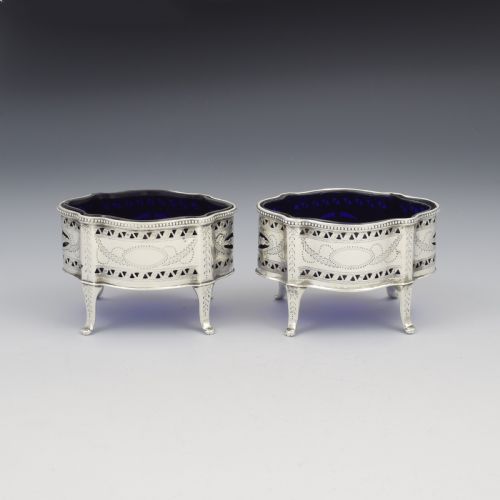
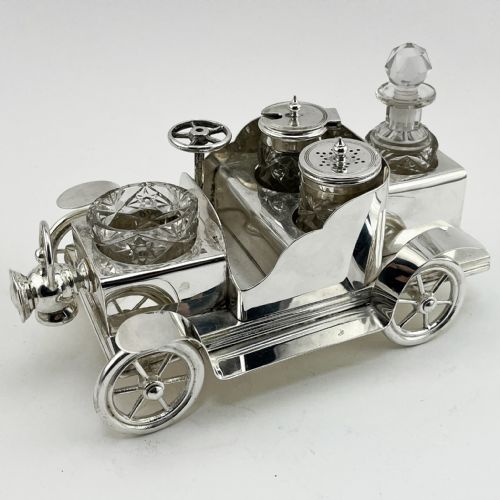
A victorian silver cellar encompasses open salt dishes, cauldron forms, shell designs, and novelty pieces shaped as birds or marine life. These domestic items formed part of larger cruet sets or stood as matched pairs on the dining table.
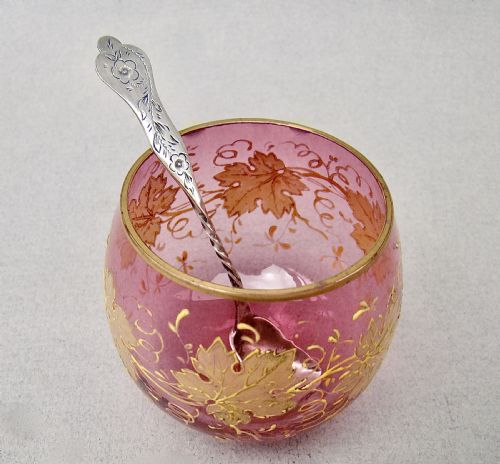
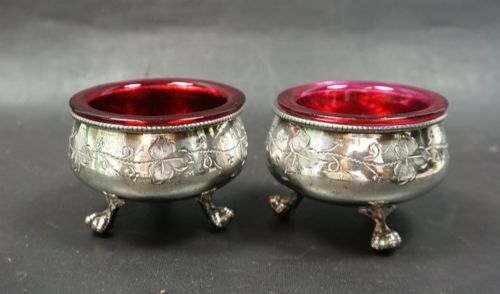
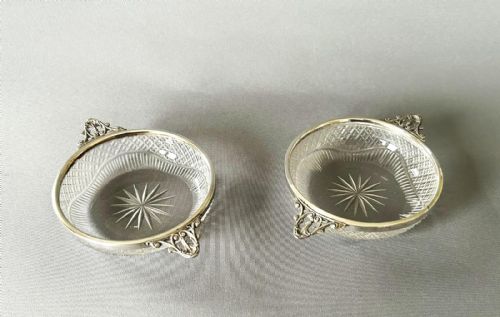
The pieces on this page span the Victorian and Edwardian eras, with sterling silver, silver plate, and contrasting glass liners defining the selection. Makers utilised cobalt, cranberry, and ruby glass to line pierced or chased silver bodies.
Cauldron salts on three small feet and boat-shaped vessels appear frequently alongside fitted cased sets complete with salt spoons. Novelty animal designs, including chicks and swans, demonstrate the imaginative scope of nineteenth-century silversmiths.
Evaluating Quality
Quality rests upon the crispness of the chasing and the weight of the silver. Crisp, deep foliate work and solid casting separate superior pieces from lighter, mass-produced alternatives.
Silversmiths occasionally modelled salt cellars as grumpy owls and farmyard chicks, proving Victorians loved humour with their seasoning.
Barnards·Thomas Smily·Sampson Mordan·Thomas Johnson·Wilson and Davis·George Unite·James Dixon and Sons·Daniel and Charles Houle·F B Thomas and Co
The Victorian Silver Cellar Glossary
- Open salt
- A small table vessel designed to hold loose salt before the invention of the free-flowing shaker. Diners used tiny spoons or pinched the salt out by hand.
- Cruet set
- A collection of matching condiment containers held together on a stand or frame. These typically housed salt, pepper, mustard, and oil bottles.
- Chasing
- A metalworking technique where the silversmith punches and hammers designs into the front surface from the outside to create raised patterns. This differs from engraving, which removes metal.
- Cauldron salt
- A small round salt cellar raised on three feet, resembling a miniature cooking pot. This form became popular during the Victorian period.
- Glass liner
- A removable insert placed inside an open silver salt cellar to prevent salt corrosion. They appear in deep blue, red, and clear cut glass.
Victorian Silver Cellar: Frequently Asked Questions
How were salt cellars used?
Diners took salt from these small open vessels using tiny salt spoons or their fingers, sprinkling it over their food before individual shakers became common.
They sat paired across the dining table or formed part of a central cruet stand alongside mustard and pepper pots.
Are liners usually original?
Many pieces retain their original cobalt or cranberry glass liners, which protected the silver from corrosion caused by salt.
Replacements do occur, so a snug fit and matching colour tone help confirm originality.
How do I date these pieces?
Hallmarks stamped on the silver body provide precise year letters, assay office symbols, and maker marks.
Stylistic shifts, such as Aesthetic Movement engraving or Edwardian simplicity, also point to specific decades.
How should I clean silver cellars?
Gentle washing in warm soapy water removes residue without harming the delicate glass liners or thin silver plating.
Avoid harsh dips that strip away the dark patina accumulated over the centuries.