


Victorian Salt Dish
A victorian salt dish sits low on the dining table, holding the seasoning before individual place settings.
Victorian Salt Dish
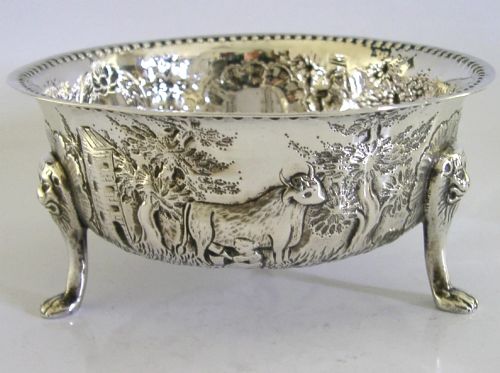
When you search for a victorian salt dish, you encounter small open vessels designed to hold salt on nineteenth-century dining tables. The pieces on this page span the Victorian period alongside Edwardian and Georgian examples, with silver and glass appearing most frequently.
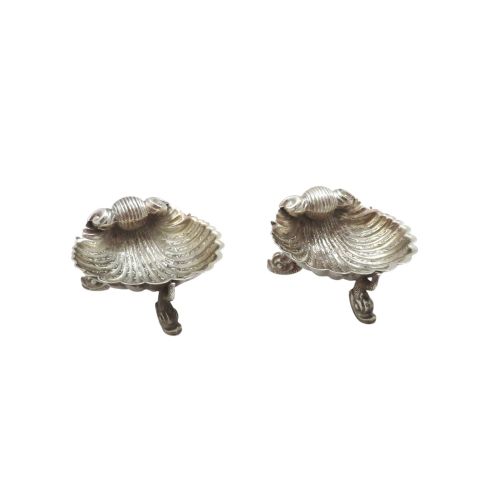
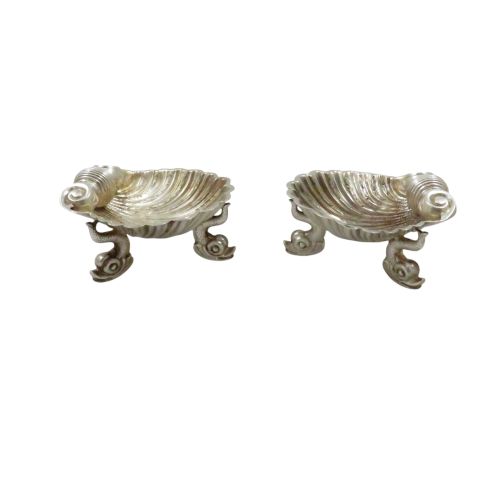
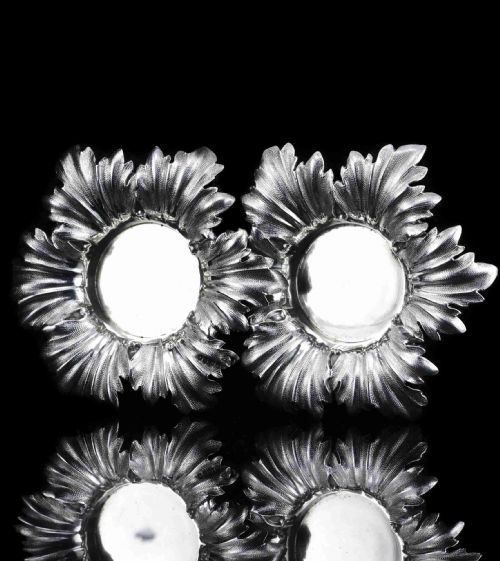
Makers shaped these table accessories into natural forms including scallop shells, giant clams and swans, often supported by small feet or cast mounts. Sets of pairs or larger groupings dominate the selection, reflecting formal dining arrangements of the period.
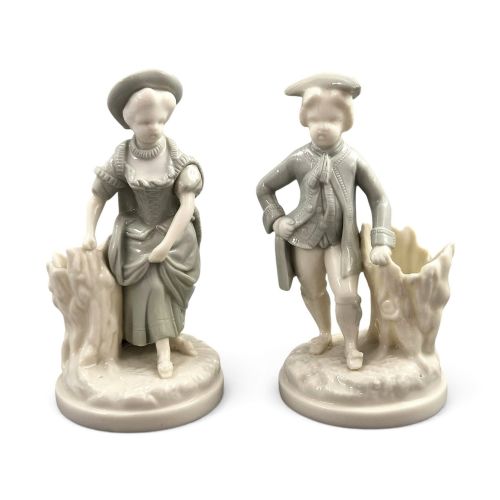
Alongside sterling silver containers, the listings include cranberry glass, cobalt glass liners, porcelain and carved organic materials such as horn and fruitwood. These diverse forms served both practical dining functions and decorative display roles in domestic interiors.
Materials and construction methods
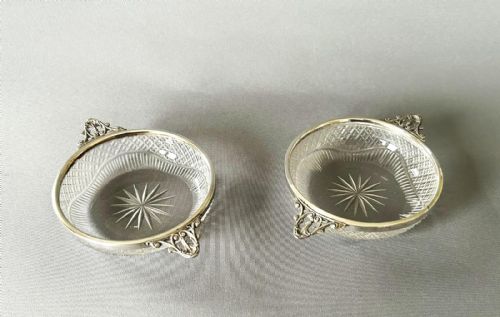
Silversmiths utilised sterling silver and silver plate, employing techniques such as foliate chasing, casting and piercing to create decorative bodies. Many silver examples incorporate removable glass liners in cobalt blue or clear cut glass to protect the metal from corrosive salt.
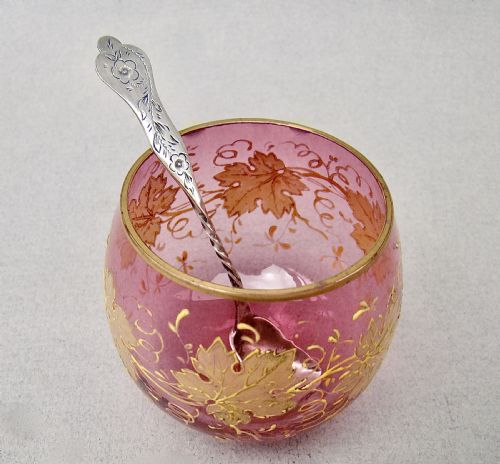
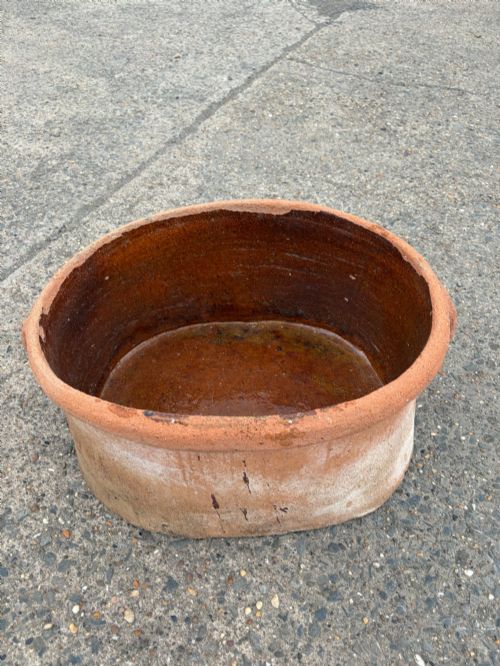
Glassmakers blew and moulded cranberry glass, green opaline and cut glass into shaped bowls, sometimes adding gold leaf edges. Potters and woodworkers shaped porcelain, terracotta, fruitwood and horn into figural and carved novelty designs.
A carved Black Forest bear stands ready to hold condiments on the nineteenth-century dining table.
Factors of distinction
The standard of design and execution separates standard domestic wares from exceptional pieces. Crispness in cast details such as shell ribs, dolphin feet or figural putti indicates superior craftsmanship.
Completeness dictates quality, particularly the presence of original matching glass liners and associated spoons. Maker marks and clear silver hallmarks provide documentary evidence that elevates individual pieces.
Barnards·Thomas Smily·Stephen Smith·Vale Brothers and Sermon
The Victorian Salt Dish Glossary
- Open salt
- A small table vessel designed to hold loose salt rather than dispense it through holes. These open cellars required diners to use a small salt spoon or pinch the contents by hand.
- Salt liner
- A removable insert, typically made from cobalt blue or clear glass, fitted inside a silver or metal salt cellar. This insert protected the outer metal from the corrosive action of salt.
- Chasing
- A metalworking technique where the smith hammers patterns from the front side to push the metal and create raised surface decoration without removing material.
- Oline glass
- An opaque or translucent art glass popular in the nineteenth century, often tinted in shades of green or pink and edged with gilt.
Victorian Salt Dish: Frequently Asked Questions
What is a victorian salt dish used for?
These small dishes held granular salt at individual place settings before shaker bottles became common on dining tables.
Diners used tiny spoons or their fingers to take salt from the open bowl and scatter it over their food.
How do I clean antique silver salt cellars?
Silver components require gentle washing in warm soapy water and careful drying with a soft cloth to preserve the finish.
Glass liners should be removed before cleaning the metal, and harsh abrasive polishes should be avoided to protect chased details.
Are salt liners original?
Original glass liners fit snugly into the silver frame without excessive movement and match the period of manufacture.
Cobalt blue and clear cut glass liners are typical for nineteenth-century examples, though replacements occur frequently.
Did salt dishes come in sets?
Dining etiquette of the period required matching table wares for multiple guests, leading to production in pairs or larger sets.
Many surviving examples retain their original matching companion pieces or presentation cases.