




Victorian Silk Embroidery
These victorian silk embroidery pieces capture needlework skill in silk thread, offering decorative wall art and framed textiles.
Victorian Silk Embroidery
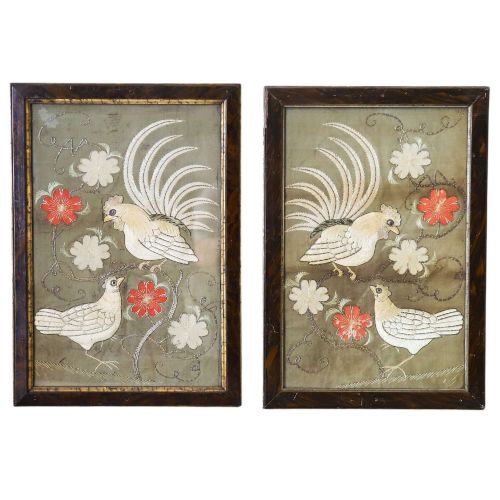
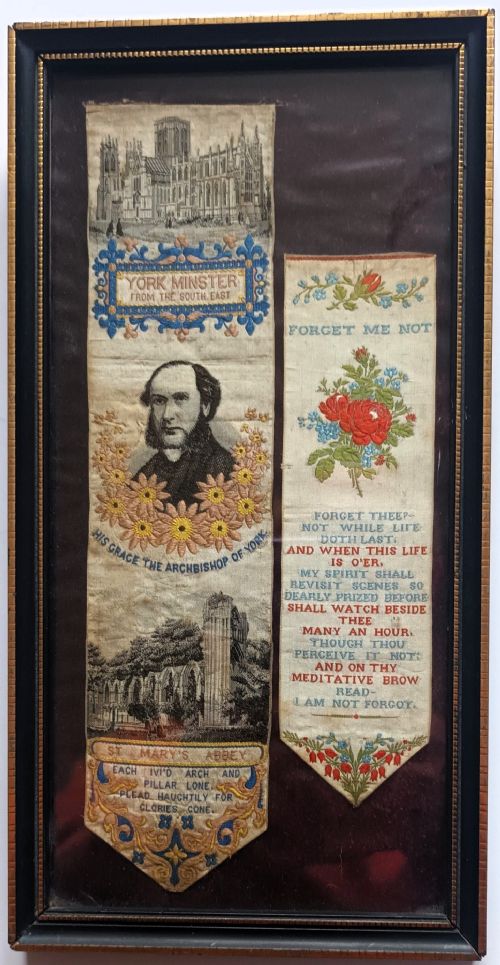
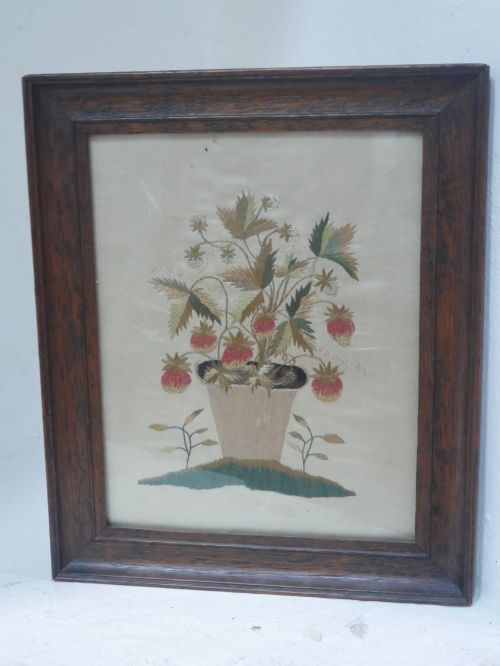
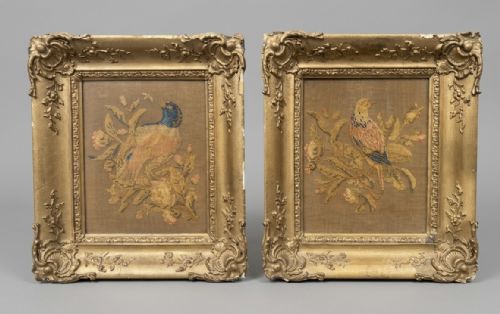
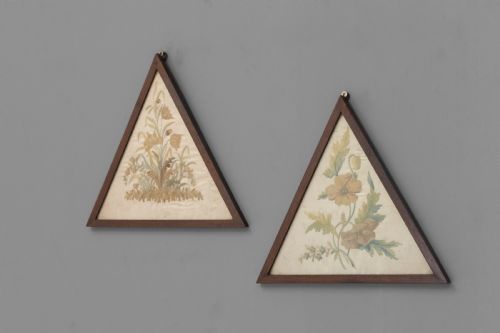
When you examine a victorian silk embroidery, you encounter needlework pictures, framed textile art, and samplers created during the nineteenth century. These pieces encompass framed wall art depicting natural subjects, architectural scenes, and commemorative military works.
Geographic origins span English country houses, French workshops, and Central Asian regions, reflecting diverse nineteenth-century textile traditions. Makers range from young girls executing schoolroom samplers to professional artisans producing theatrical silkwork pictures.
Materials and Technique
Makers utilised silk thread stitched onto fabric grounds such as silk, linen, and wool, often combining needlework with painted watercolour details on paper or silk panels. Silk thread provides the characteristic lustrous sheen that defines these historic embroidered pictures.
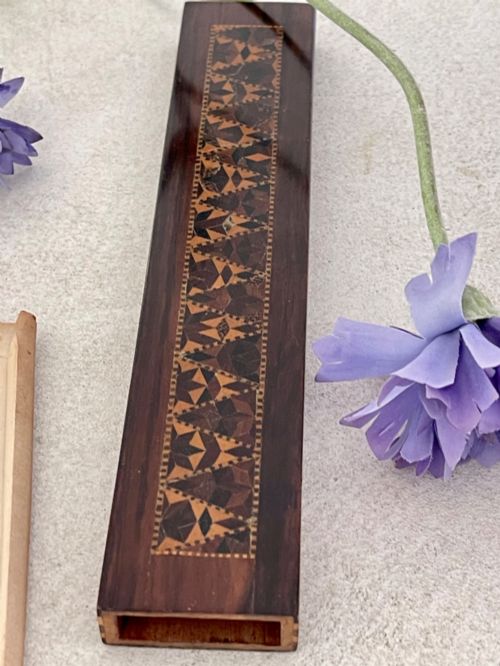
Completed textile works were housed in protective surrounds, utilising glazed frames of gilded wood, faux tortoiseshell, and satinwood. Tunbridge ware and specialist woodwork housed related sewing accessories like silk skein holders.
Listings feature nineteenth-century materials including silk, wool, linen, glass, and gilded wood across diverse decorative forms.
Assessing Quality
Quality rests in the precision of the needlework stitches and the complexity of the pictorial composition, whether rendering animal plumage, equestrian scenes, or botanical forms. Finer examples display meticulous thread shading and superior draftsmanship beneath the embroidery.
The preservation of the silk thread and the original framing elements determine the desirability of each piece. Intact period frames, particularly gilded wood or faux tortoiseshell surrounds, enhance the historical integrity of the textile artwork.
Stevens of Coventry·Iida Takashimaya Company
The Victorian Silk Embroidery Glossary
- Sampler
- A piece of needlework demonstrating various stitches and patterns, traditionally executed by young girls to display their proficiency. These often record the maker's age and date.
- Suzani
- A type of embroidered tribal textile originating from Central Asia, worked in silk thread on a linen or cotton ground. These large panels display bold botanical and geometric motifs.
- Skein holder
- A small decorative device used to hold and organise lengths of silk thread during needlework. Tunbridge ware examples utilise intricate inlaid wood mosaics.
- Firescreen
- A standing household panel designed to block radiant heat from a fireplace when unlit, frequently incorporating decorative needlework or embroidery. Examples appear in satinwood or other period woods.
- Silkwork
- A general term for decorative needlework executed primarily in silk threads. These pictures often combine multiple stitch techniques to create pictorial depth.
Victorian Silk Embroidery: Frequently Asked Questions
How should I hang silk embroidery?
Display framed textile art away from direct sunlight to prevent the silk threads from fading and losing their natural lustre over time. Maintaining stable indoor humidity levels also protects delicate historic fabrics from moisture damage.
Ensure the frame hangs securely using appropriate wall fixings suited to the weight of the glazed wood or gilded surround. Professional framing with UV-filtering glass offers optimal protection for antique needlework.
What subjects appear in these embroideries?
Common subjects include botanical studies, birds, equestrian scenes, architectural landmarks, and commemorative military panels. Schoolroom samplers frequently incorporate alphabets, numerals, and genealogical records alongside decorative motifs.
Pictorial works range from English country house scenes to French theatrical silkwork pictures and Central Asian decorative panels. Each subject reflects the prevailing artistic tastes and domestic pursuits of the nineteenth century.
How do I date an antique sampler?
Many samplers include embroidered dates and the maker's age, providing a clear timeline for their creation. Lettering styles, framing materials, and fabric types offer additional clues for pieces lacking an explicit date.
Stylistic analysis of the borders, motifs, and stitching techniques helps place undated nineteenth-century works within their proper historical period. Comparative examination with documented schoolgirl samplers confirms typical regional characteristics.
Were these pieces made professionally?
Production methods varied widely, encompassing both domestic handwork and professional workshop output. Schoolgirls and amateur gentlewomen stitched samplers and botanical studies at home as part of their education.
Commercial firms and specialised workshops produced complex pictorial silks, commemorative military embroideries, and decorative wall art for the retail market. Maker signatures and commercial labels sometimes identify these larger manufacturing sources.