
Victorian Side Server
A victorian side server brings functional dining room presence, uniting generous timber surfaces with traditional storage for everyday use.
Victorian Side Server
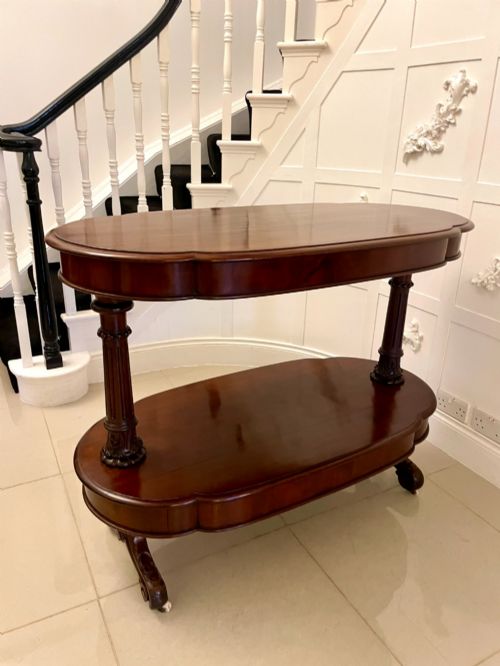
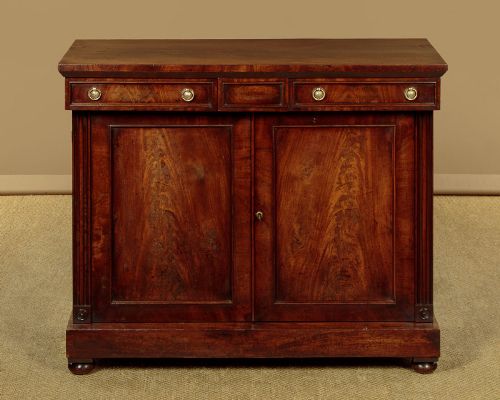
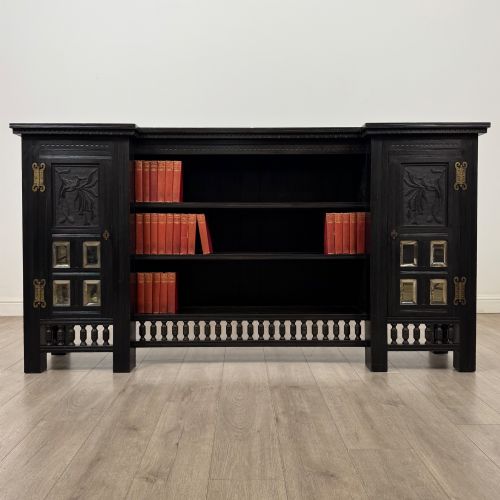
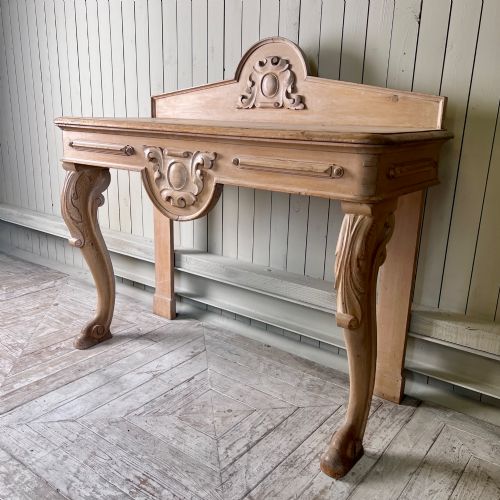
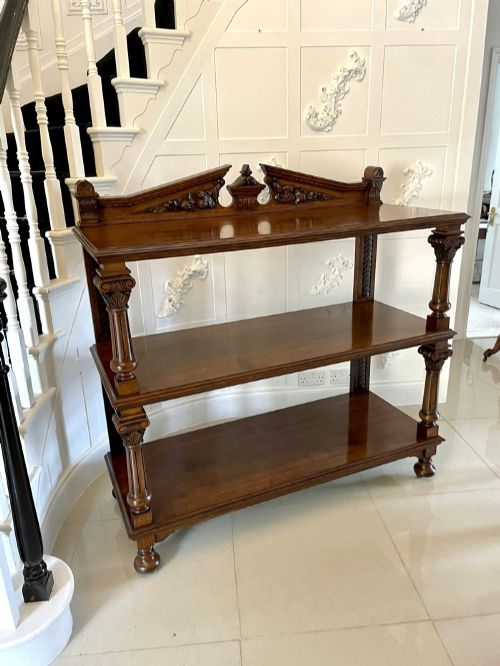
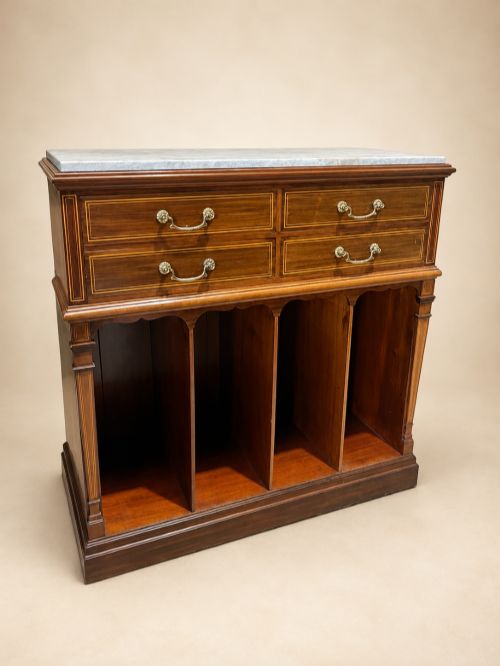
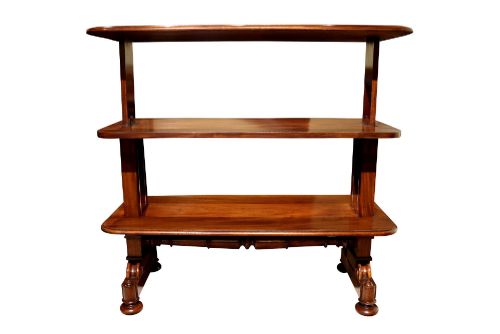
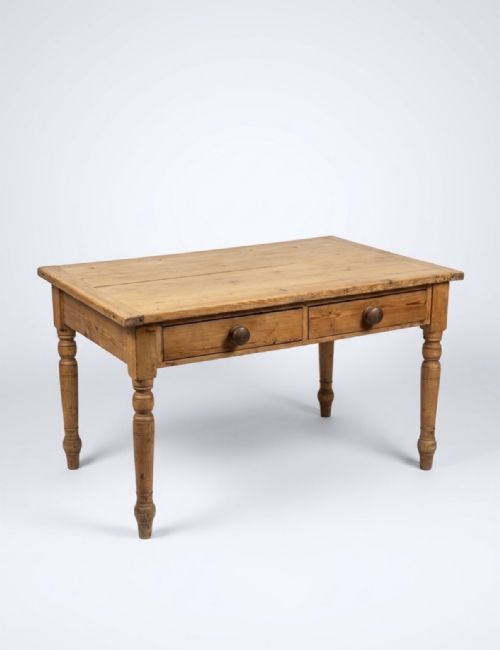
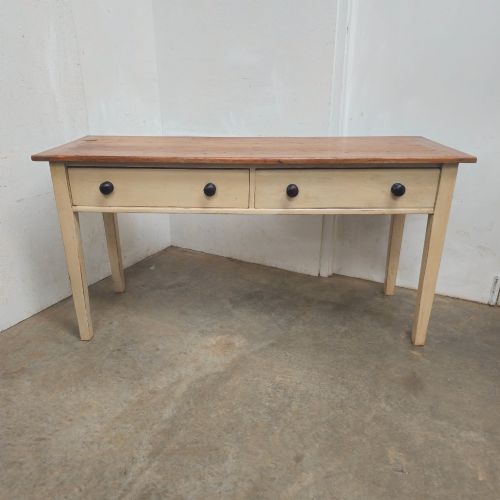
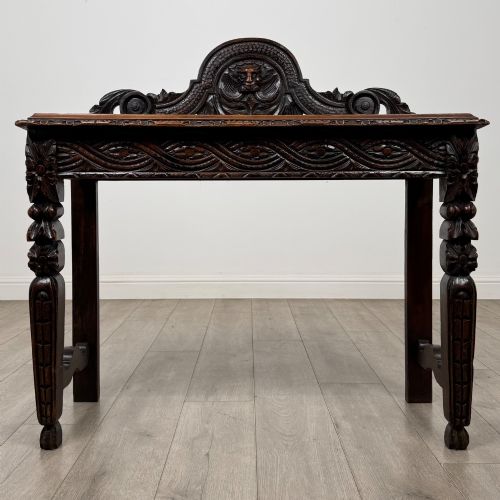
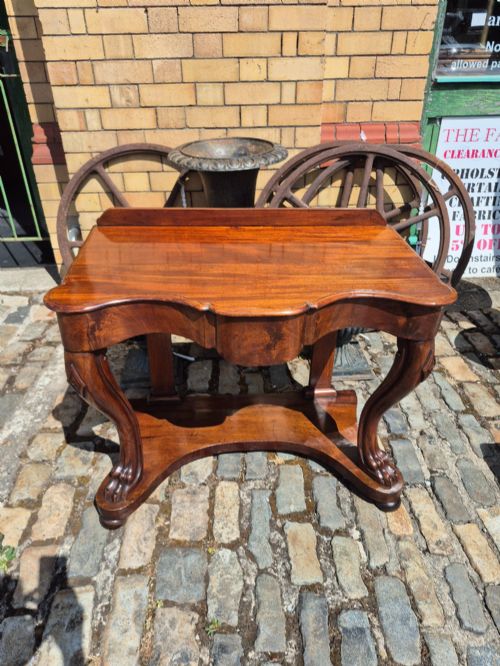
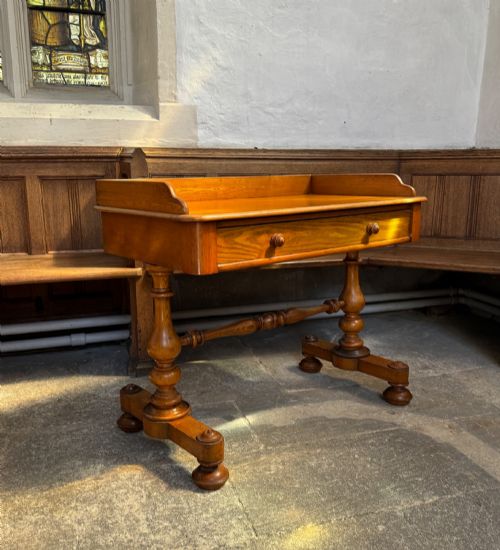
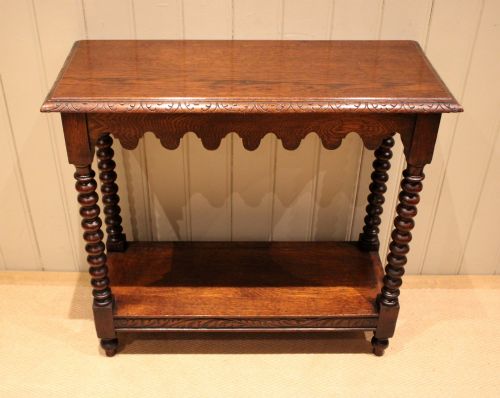
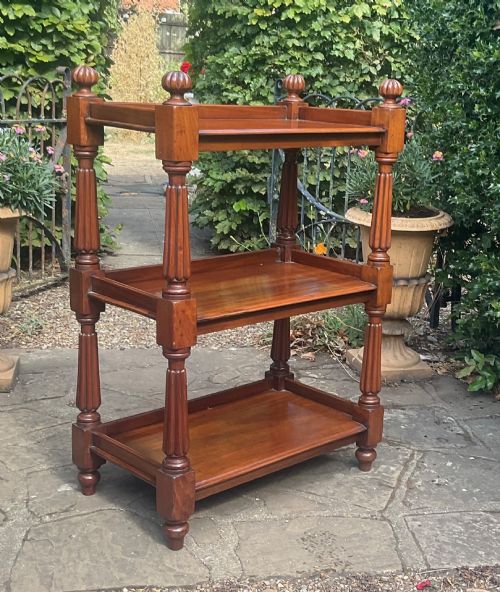
A victorian side server encompasses a diverse group of nineteenth-century serving tables, buffets, chiffoniers, and dresser bases designed for domestic dining spaces. These forms range from multi-tiered mahogany dumbwaiters to solid oak console tables and painted pine dairy pieces.
Makers utilised these surfaces for presenting food, holding tableware, or displaying decorative items in formal dining rooms and country houses. The pieces on this page reflect both grand urban cabinet-making and utilitarian rural joinery from the Victorian period.
Examples stretch from early nineteenth-century William IV designs to later Arts and Crafts interpretations, showing how dining habits influenced household furniture over several decades.
Materials and Construction
Cabinet-makers relied heavily on dense hardwoods like mahogany, walnut, and oak to build durable frames capable of supporting heavy serving platters and tiered shelving. Secondary timbers such as pine appear frequently in drawer linings and country pieces.
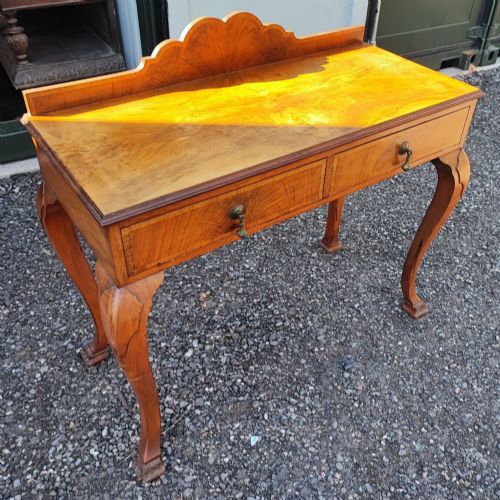
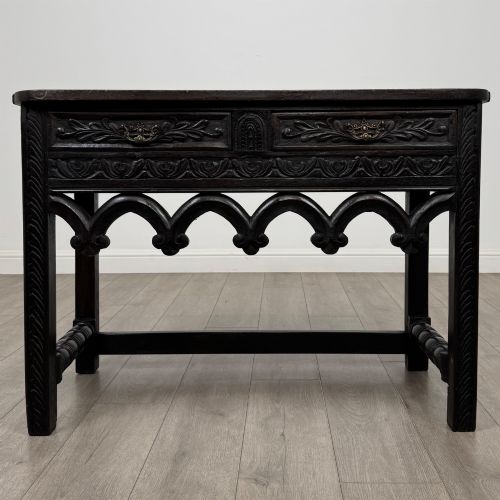
Surface decoration involved careful wood selection, including flame mahogany veneers, inlay, and carved detailing reflecting Gothic Revival or Aesthetic Movement tastes. Original brass hardware, castors, and painted finishes also survive on many examples.
Listings feature mahogany, oak, pine, and walnut, alongside specialist variations in satinwood, brass, and painted pine.
Judging Quality
Superior examples demonstrate careful timber selection, particularly in matched flame mahogany or pollard burr oak veneers, paired with crisp, deep hand-carving rather than mechanical reproduction. The integrity of the original structure, from revolving dumbwaiter mechanisms to tiered uprights, marks the finest pieces.
Refined proportions and thoughtful secondary details, such as original brass castors, gallery backs, and uncompromised interior drawer construction, separate standard utility furniture from exceptional cabinet-maker output.
Gillows·Oetzmann and Co·Liberty
The Victorian Side Server Glossary
- Dumbwaiter
- A multi-tiered serving piece featuring stacked shelves or revolving trays used for holding dishes during meals.
- Chiffonier
- A compact sideboard or cabinet featuring lower doors and frequently an upper shelf or mirrored back.
- Dresser Base
- A robust lower storage unit fitted with cupboards and drawers, historically used in kitchens or dining rooms for provisions and tableware.
- Gallery Back
- A raised decorative border along the rear edge of a serving table designed to prevent items from sliding off.
- Aesthetic Movement
- A late nineteenth-century design style focusing on visual beauty and artistic reform rather than strict historical revival.
Victorian Side Server: Frequently Asked Questions
How were side servers used?
Dining rooms utilised these surfaces to stage dishes, pour drinks, and store silverware out of the way during large meals.
Servants prepared courses on these sturdy tables before presenting them to guests at the main dining table.
What timber was most common?
Mahogany dominated formal dining rooms throughout the Victorian era due to its rich grain and dark tone.
Oak and pine appeared more frequently in country houses, dairy rooms, and utilitarian kitchen spaces.
Are tiers original to dumbwaiters?
Many multi-tiered serving tables feature original revolving mechanisms or fixed shelves supported by turned columns.
Original castors on the base often help confirm the piece retains its factory configuration.
How do I style a server today?
Modern interiors employ these tables in hallways or dining spaces as console surfaces for lamps and decorative ceramics.
Their substantial timber presence adds functional surface area and period character to contemporary rooms.