




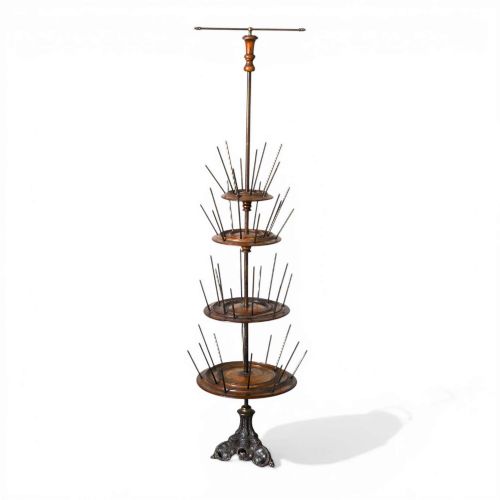
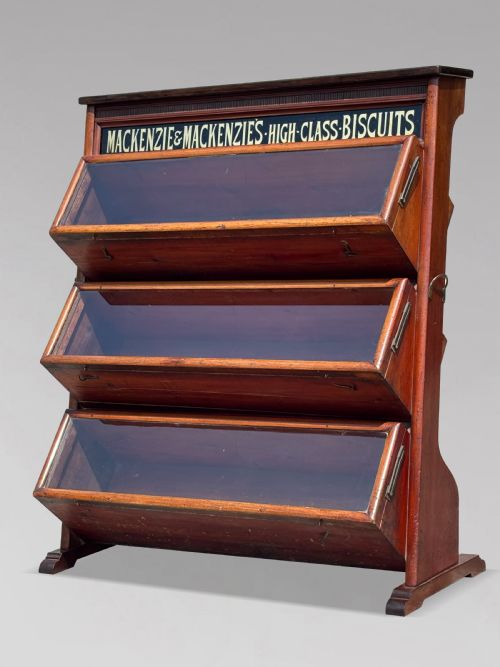


Victorian Shop Counter
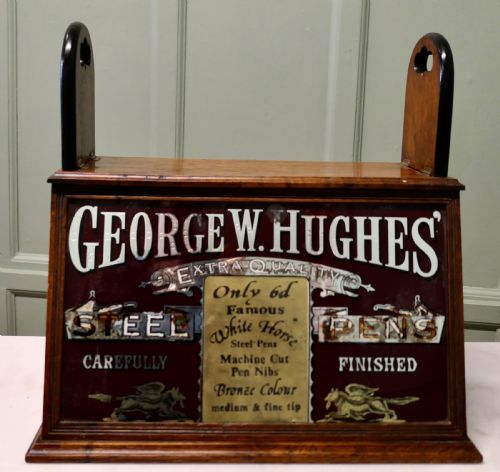
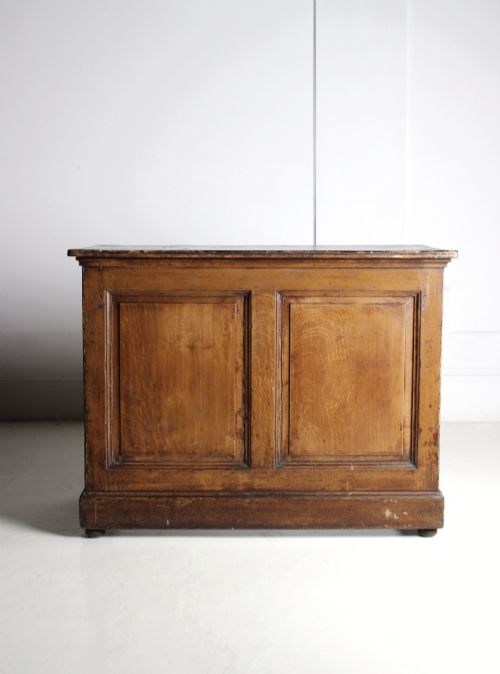
A victorian shop counter brings tangible commercial heritage into a room, offering robust timber construction and glass display built for daily trade.
Victorian Shop Counter
A victorian shop counter encompasses sturdy freestanding timber framework, glazed countertop display cases, and bank of drawers units designed for customer service and merchandise presentation. Buyers encounter large mahogany counters alongside painted pine multi-drawer shop fittings from periods spanning the nineteenth century.
The selections range from haberdashery cabinets and drapers tables to specialised apothecary fittings and butcher balance scales. Many incorporate brass hardware, mirrored interiors, or specialised compartments intended for specific retail trades.
Judging the build
Quality rests upon timber selection, joinery precision, and the retention of original glass and hardware. Pieces featuring panelled mahogany construction, intact mirrored interiors, and functioning drawers demonstrate superior workshop origins.
The integrity of painted surfaces, original maker plaques, and structural alterations influence the character of each fitting. Retained manufacturer details or specialised trade adaptations elevate specific examples above standard utility pieces.
Victorian Shop Counter Retail Price Guide 2026
Typical asking prices for victorian shop counter among the pieces listed under this phrase on Sellingantiques today, from the lower quarter to the upper quarter. They describe what is for sale here now, not the wider market.
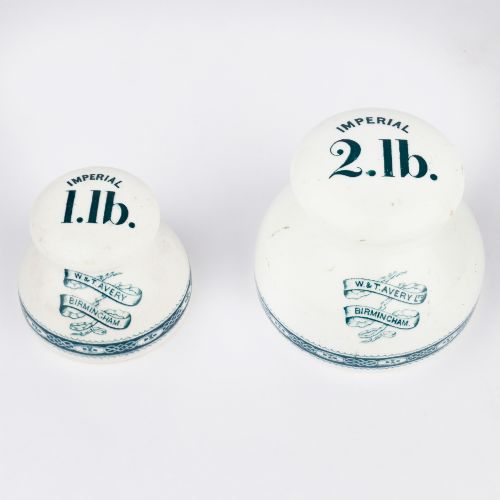
W & T Avery·G H Gledhill Halifax·John Stow Ltd of Bradford·Manoah Rhodes & Sons Ltd·Ermen & Roby·Parnall & Sons of Bristol·William Comyns
The Victorian Shop Counter Glossary
- Haberdashery cabinet
- A multi-drawer storage unit originally used for ribbons, threads, and small sewing goods. These pieces feature numerous shallow drawers for organising small stock.
- Countertop display case
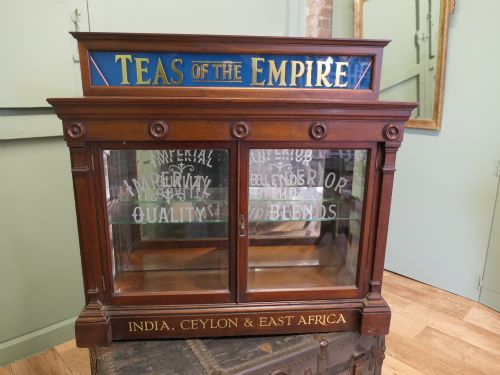
- A glazed tabletop enclosure designed to showcase small valuable goods directly to customers. They utilise wooden frames and glass panels to protect merchandise.
- Bank of drawers
- An assembly of multiple small storage drawers built into a single shop fitting frame. They provide organised storage for apothecary, hardware, or drapery goods.
- Balance scales
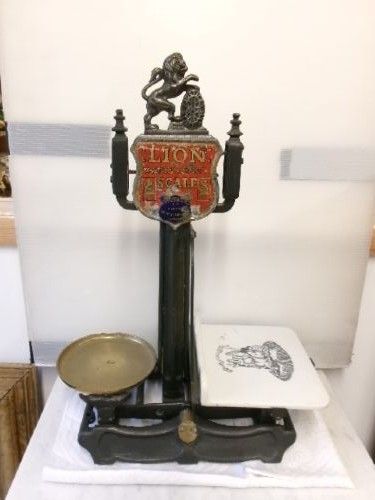
- A mechanical weighing device utilising suspended pans and beam mechanics. They were standard trade equipment for grocers, chemists, and general merchants.
- Toleware
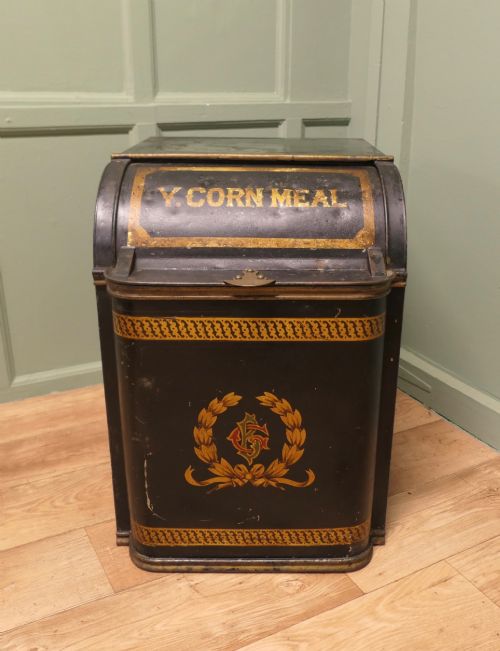
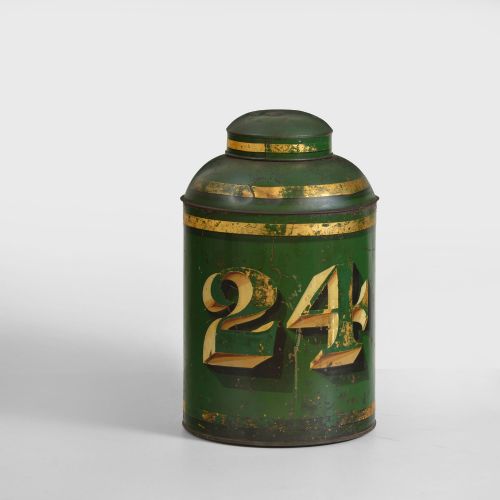
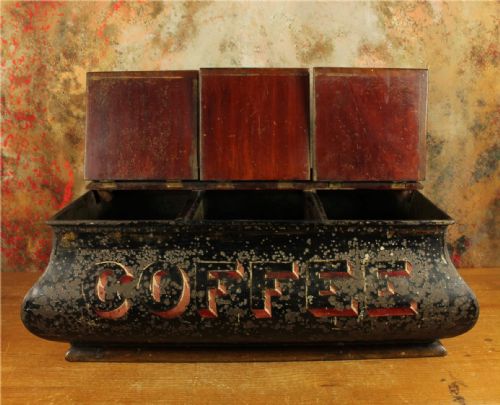
- Painted or lacquered metalware objects, often decorated in japanning or gilt motifs. Examples include tea canisters and storage boxes used in nineteenth-century shops.
Victorian Shop Counter: Frequently Asked Questions
What trades used these counters?
Merchants from drapery, grocery, apothecary, and jewellery trades utilised these counters to organise stock and serve customers daily. Specialised fittings like haberdashery drawer banks and chemist cabinets reflect these distinct retail needs.
Larger freestanding timber counters served as the primary transaction and display station in nineteenth-century shops. Smaller glazed cases sat atop these surfaces to protect delicate items from handling.
How are pine and mahogany counters different?
Mahogany counters typically served formal drapery, jewellery, and high street mercantile shops where polished hardwood projected status. They frequently incorporate glazed display sections and refined joinery.
Pine counters often originated in rural or utilitarian settings, sometimes bearing multiple layers of historical paint. These pieces emphasise robust construction and large storage capacities through banks of drawers.
Are original glass panels common?
Many countertop display cases retain their original glass panes, though replacement panels appear due to the fragile nature of retail display use. Examining the glass reveals subtle surface irregularities and thickness variations consistent with nineteenth-century production.
Frames surrounding the glass often show matching timber patination and wear patterns that confirm the age of the enclosure.
How do you date a shop counter?
Dating relies on construction methods, hardware types, timber choices, and documented maker signatures found on hardware or plaques. Brass locks, dovetail joinery styles, and applied decorative motifs align with specific decades between eighteen-seventy and nineteen-thirty.
Makers' names and regional registry marks provide definitive chronological markers for commercial fittings and scale equipment.