




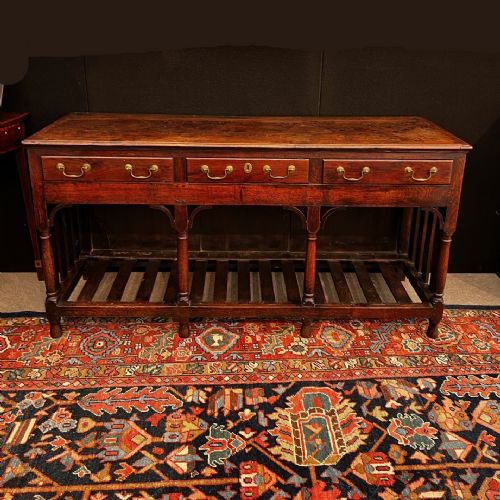


Antique Potboard Table
An antique potboard table brings practical surface space and a useful lower shelf to a room, drawing on centuries of English and regional craftsmanship.
Antique Potboard Table
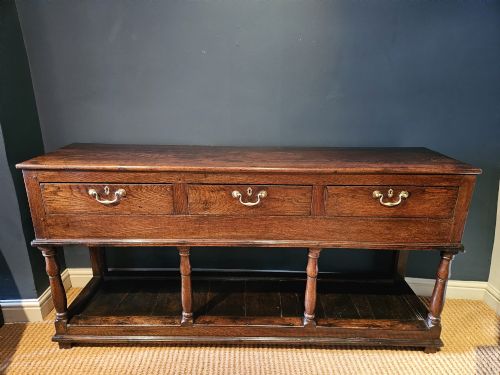
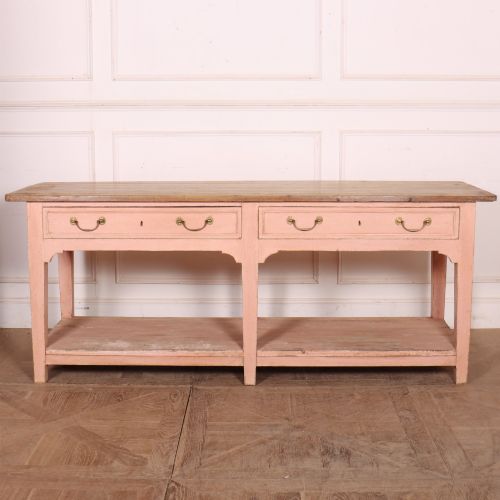
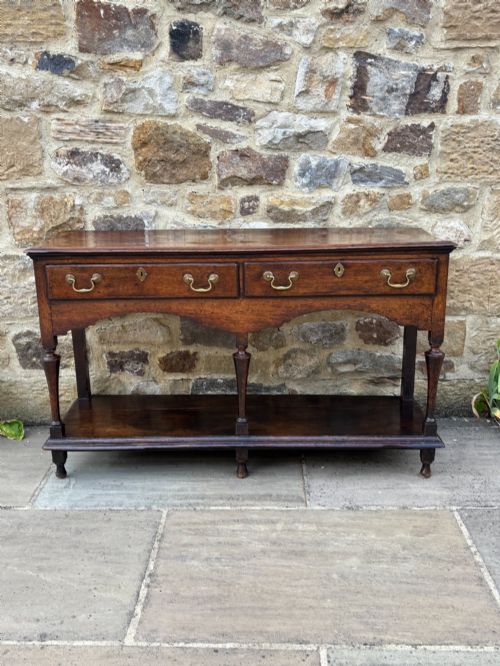
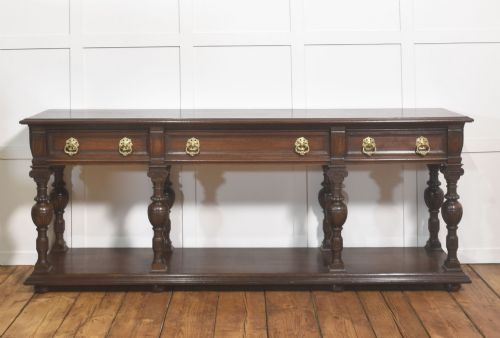
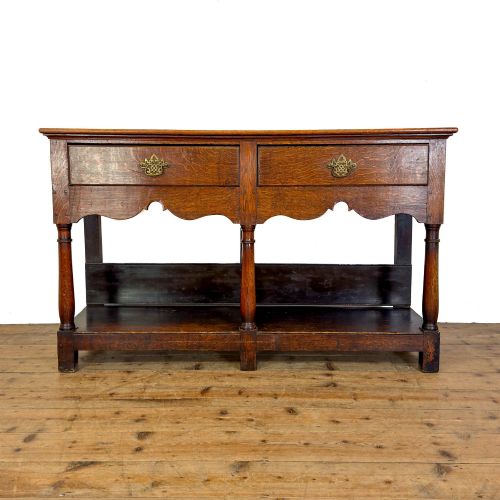
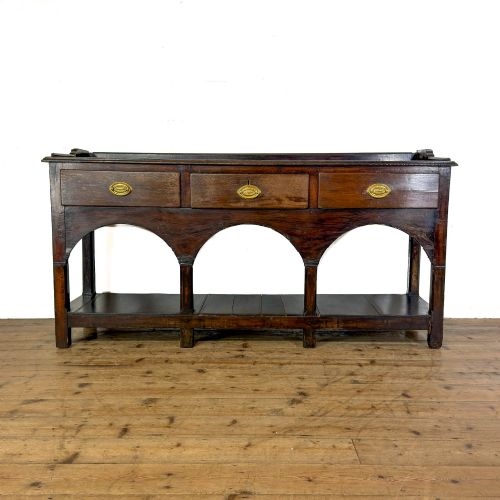
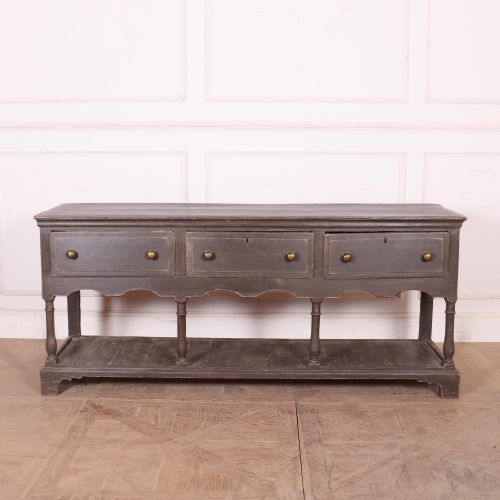
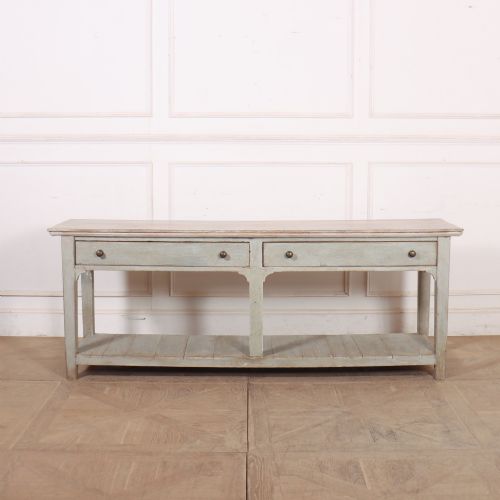
An antique potboard table typically appears as a robust dresser base or serving table equipped with a low planked shelf beneath the main surface. These pieces emerge predominantly in sturdy oak, pine, and painted timber across the eighteenth and nineteenth centuries.
The format serves domestic utility, offering a broad top for preparation or display alongside the lower potboard designed originally to hold heavy kitchen vessels. Regional variations span English, Welsh, and Scottish workshops alongside continental examples.
Buyers encounter substantial George III periods alongside later Victorian interpretations and revival styles. The selection prioritises low proportions, narrow servers, and rustic farmhouse constructions.
How they were made
Joiners built these tables primarily from solid timber, utilising heavy oak and elm for structural framing and durable work surfaces. Boards join together to form thick tabletops and the characteristic low potboard shelves that stabilise the legs.
Surface finishes range from natural waxed timber and bleached oak to painted timber and painted wood applications. Metal hardware such as brass handles and fixtures appears on selected drawer fronts where appropriate.
Listings feature oak, pine, and painted timber across the eighteenth and nineteenth centuries, alongside French and Scottish regional variants.
What varies in quality
The calibre of a piece rests upon the selection of timber and the integrity of its construction. Dense, well-figured oak boards and substantial structural timbers provide greater longevity than lighter secondary woods.
Proportion and regional character dictate desirability. Pieces maintaining smaller dimensions, original surface treatments, and clean architectural lines stand apart from heavier or later revivals.
The Antique Potboard Table Glossary
- Potboard
- A low shelf positioned near the floor between the legs of a table or dresser base. This shelf provided storage for pots and heavy kitchen utensils in traditional households.
- Dresser base
- The lower portion of a kitchen or dining room dresser featuring drawers and cupboards without the upper plate rack. These units form the foundation of most antique potboard tables.
- Serving table
- A long, narrow table utilised in dining spaces for presenting food. Many examples incorporate the lower potboard shelf for auxiliary storage.
- George III period
- The era spanning the reign of George III from seventeen sixty to eighteen twenty, noted for refined proportions in oak and mahogany furniture. Pieces from this time display classic joinery and balanced design.
Antique Potboard Table: Frequently Asked Questions
What is a potboard table?
A potboard table is a sturdy timber serving table or dresser base featuring a low shelf near the floor. This lower board provided practical storage for kitchen pottery and heavy vessels.
Today these tables function effectively as sideboards, console surfaces, or hallway tables in contemporary rooms.
Where were these tables made?
Makers constructed these tables across English, Welsh, and Scottish workshops, alongside continental French provincial centres. Regional preferences influenced the choice of timbers and drawer configurations.
Oak remains the dominant material, supplemented by elm, pine, and painted timber finishes.
How do I date an old table?
Dating relies on examining the timber grain, tool marks, construction methods, and hardware styles. Eighteenth-century pieces exhibit hand-cut joinery and dense oak patination.
Later Victorian and revival examples display different proportions and machine-assisted preparation.
How do I care for antique oak?
Antique oak benefits from simple dusting with a dry cloth and occasional application of traditional beeswax to nourish the timber. Avoid placing these tables near direct heat sources or strong sunlight.
Maintaining stable room humidity protects the historic wood joints from movement.